News
Showing 26 - 50 of 678
678 results found
The world is awash in tens of thousands of human-made chemicals. Some are crucial ingredients in things people can’t live without, from fertilizers to medicines to packaging.
But many chemicals – including some that are highly toxic – are woefully mismanaged, often allowed to escape into the environment where they wreak havoc on ecosystems and contribute to millions of human deaths every year.
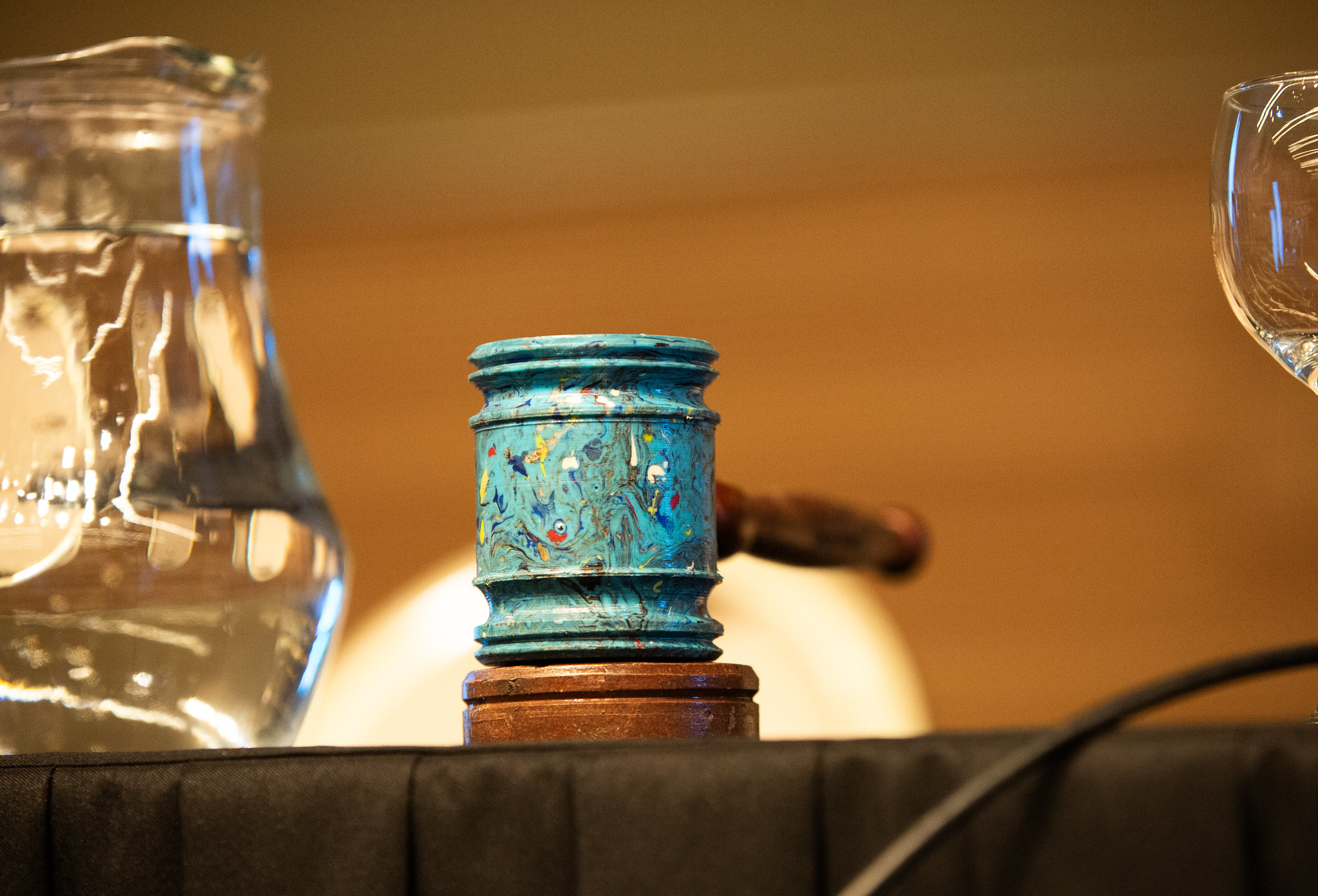
Punta del Este, Uruguay, 20 June 2025 – Against a challenging geopolitical backdrop and in a major move to protect people and planet, countries today came together to agree a new global science-policy panel to support the sound management of chemicals and waste and to prevent pollution.
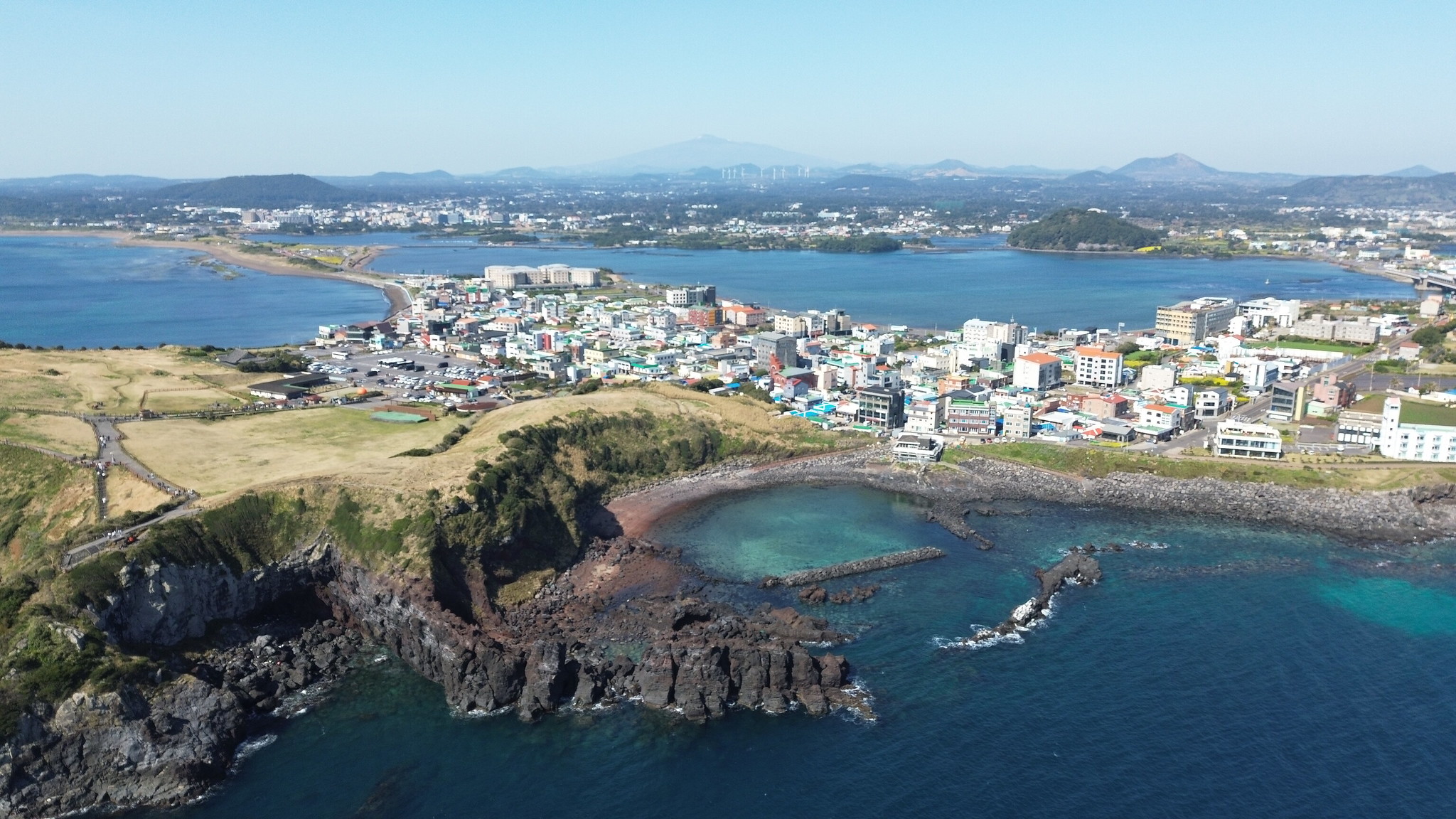
It was the mid-1990s and the Republic of Korea, going through a period of rapid economic growth, found itself with a big problem: pollution. Smog hung over cities, agricultural runoff spilled into rivers and municipalities were facing a rising tide of rubbish.
Delegates from more than 180 countries will gather in Geneva, Switzerland from 28 April to 9 May to discuss restricting several toxic chemicals, including a widely used pesticide and a common stain repellent.
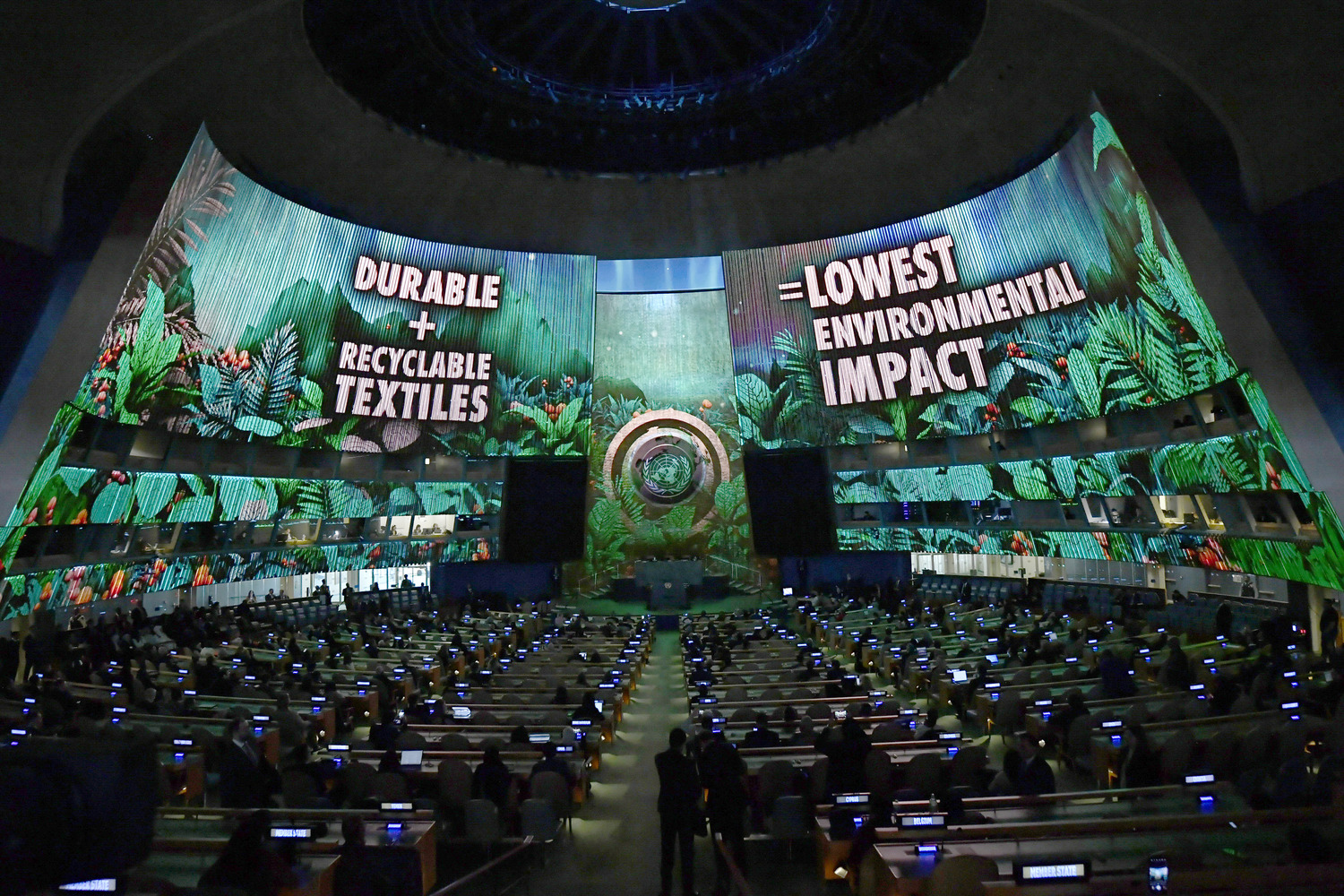
Hundreds of thousands of people worldwide marked the International Day of Zero Waste, which spotlighted solutions to the mounting environmental and social problems caused by the fashion and textile sector.
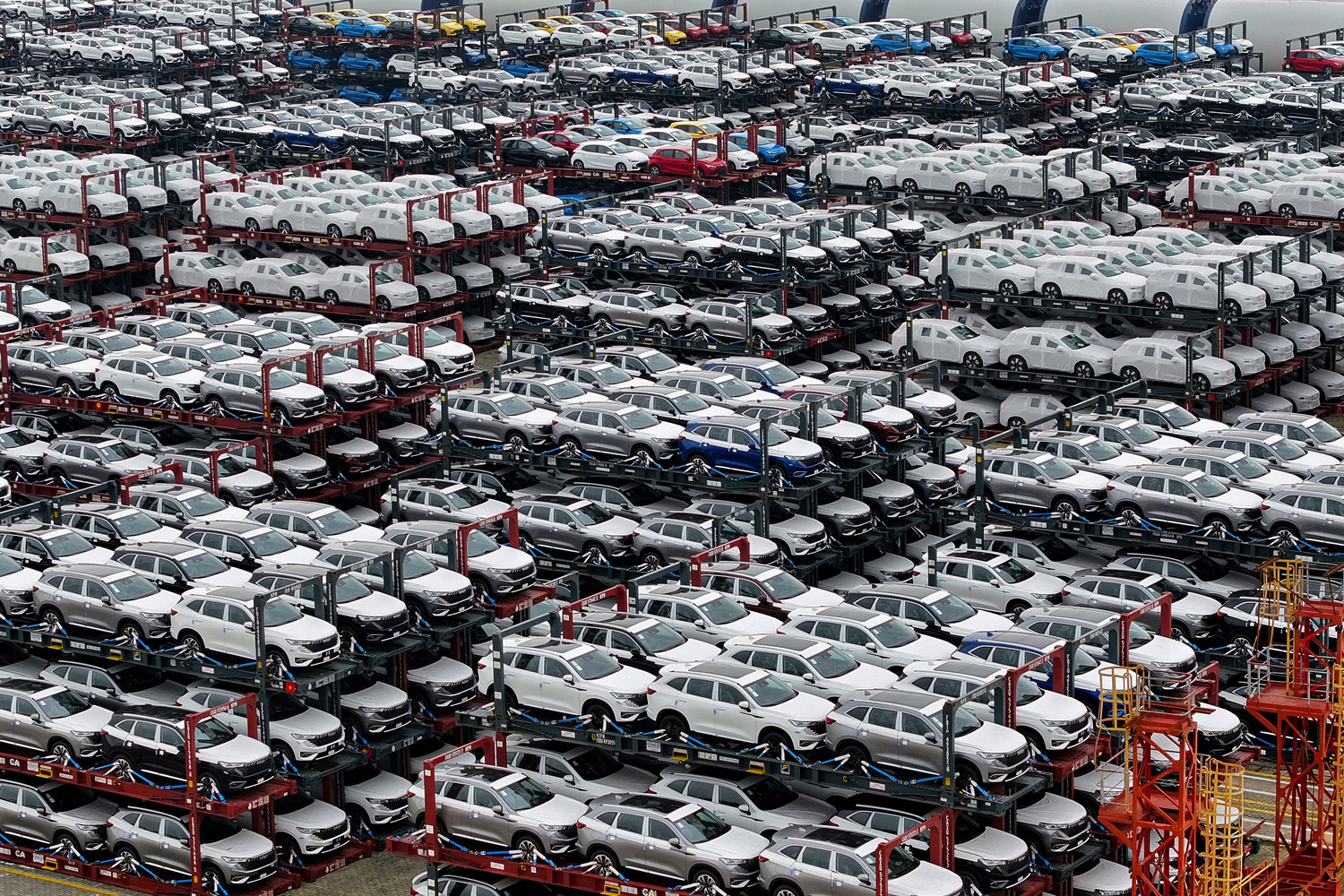
Speed down a highway outside of Beijing, China and chances are you’ll spot more cars without tailpipes than you can count.
Or hop onto a motorcycle taxi in Kigali, Rwanda and instead of a backfiring muffler, you’ll likely hear just the hum of a battery.

When designer Batoul Al-Rashdan tells people she makes clothes out of ground olives and onion peels, some look at her with raised eyebrows.
“It’s definitely a conversation starter,” says the founder of Jordanian fashion house Studio BOR, laughing. “But once [people] learn more about it, they are like, ‘Okay, interesting.’”
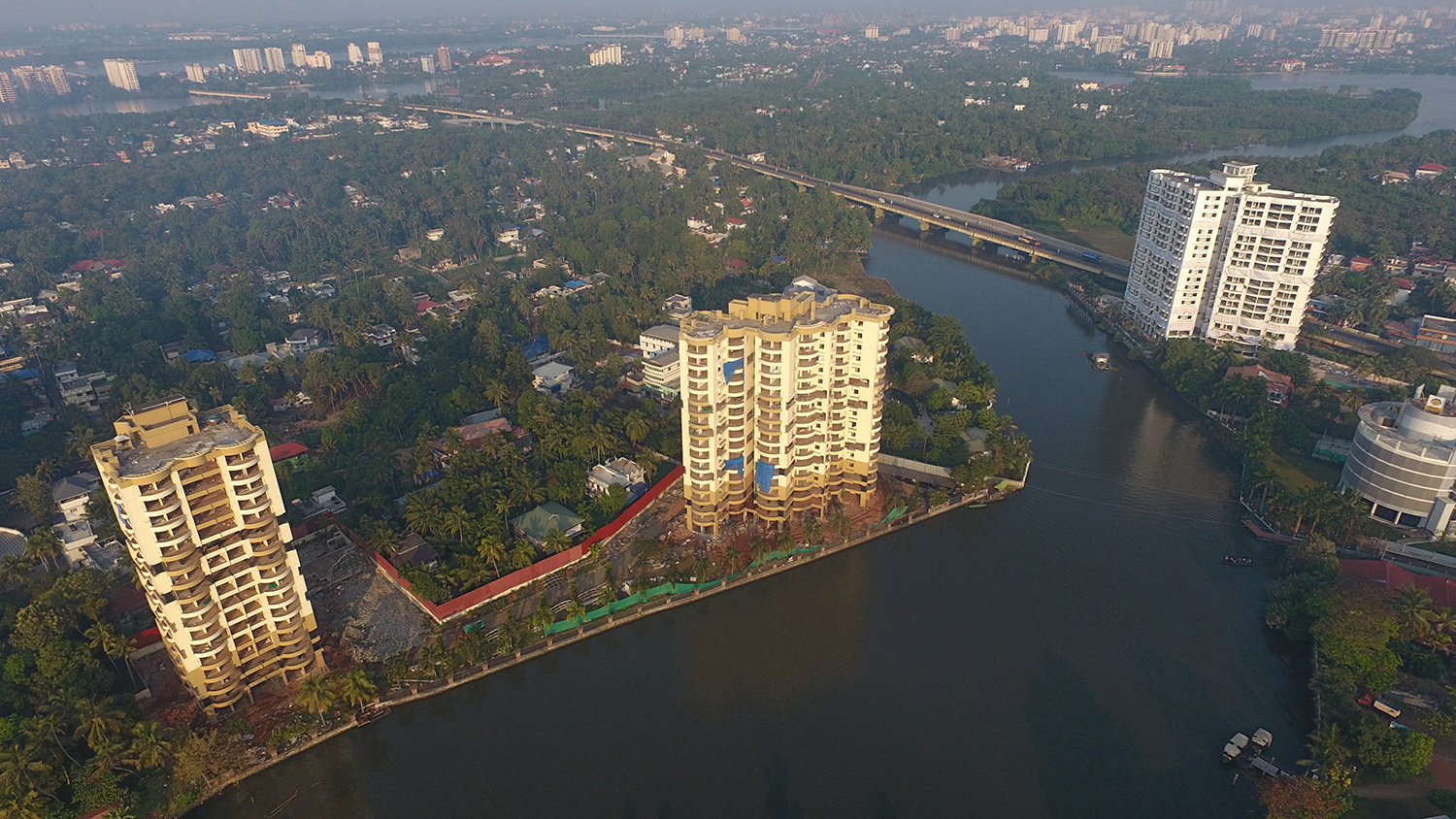
In Kochi, a major port on India’s western coast known as the “Queen of the Arabian Sea,” a dense network of rivers, creeks and canals was once the lifeline of the city. The waterways were a transport route for people and goods, provided water for daily use, and drained monsoon stormwaters into the sea. But many have been neglected in recent decades amid rapid urbanization, some unplanned.
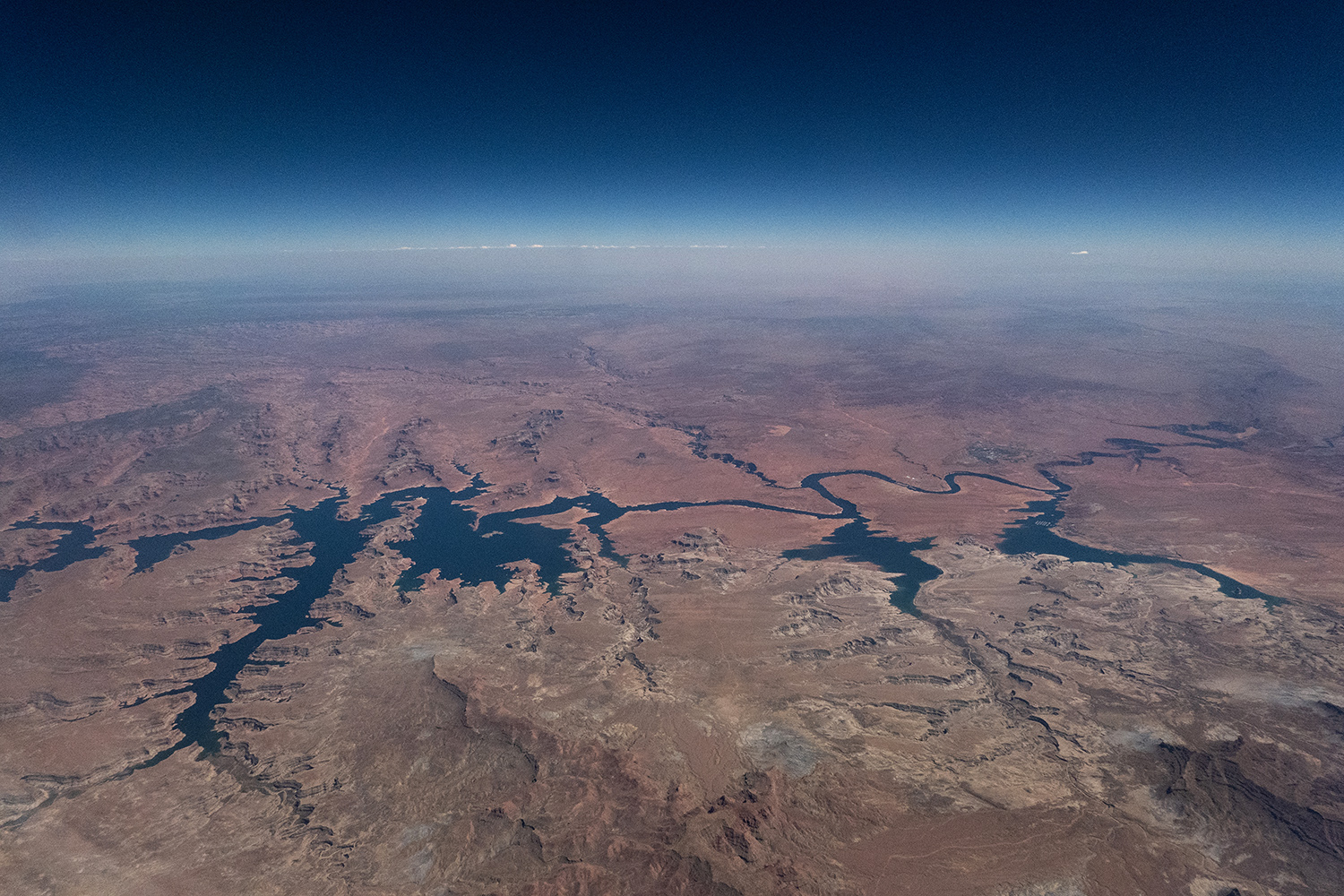
At first, the satellite image of Lake Titicaca, which sits high in the Andes Mountains on the border between Bolivia and Peru, looks normal. But zoom in, and you’ll see a riot of reds, yellows and greens along its coastlines.
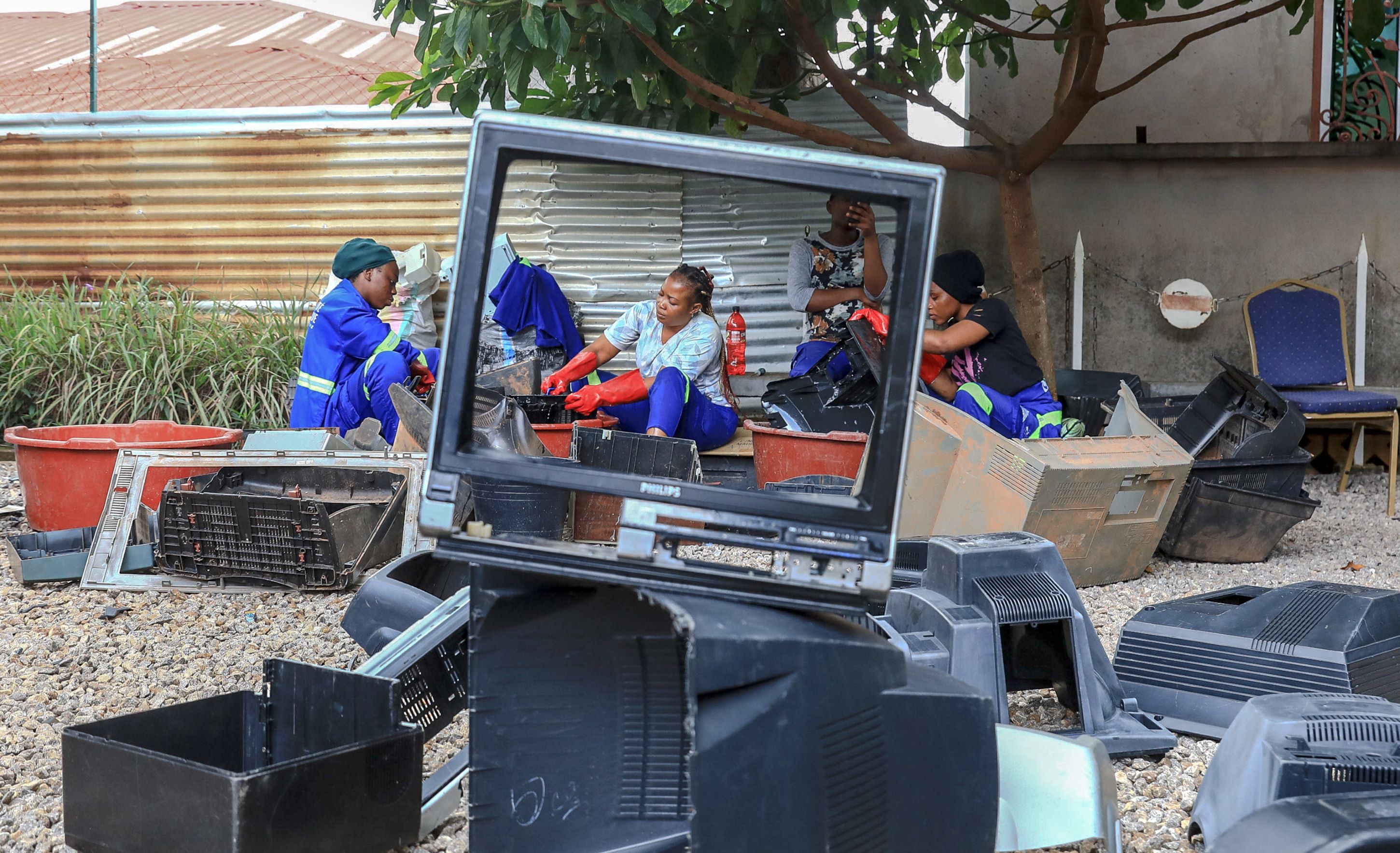
Oleg Zaitsev strides across a factory floor in Almaty, Kazakhstan as a row of workers sort through old circuit boards and worn televisions. The 59-year-old is the managing director of a company that recycles used electronics.
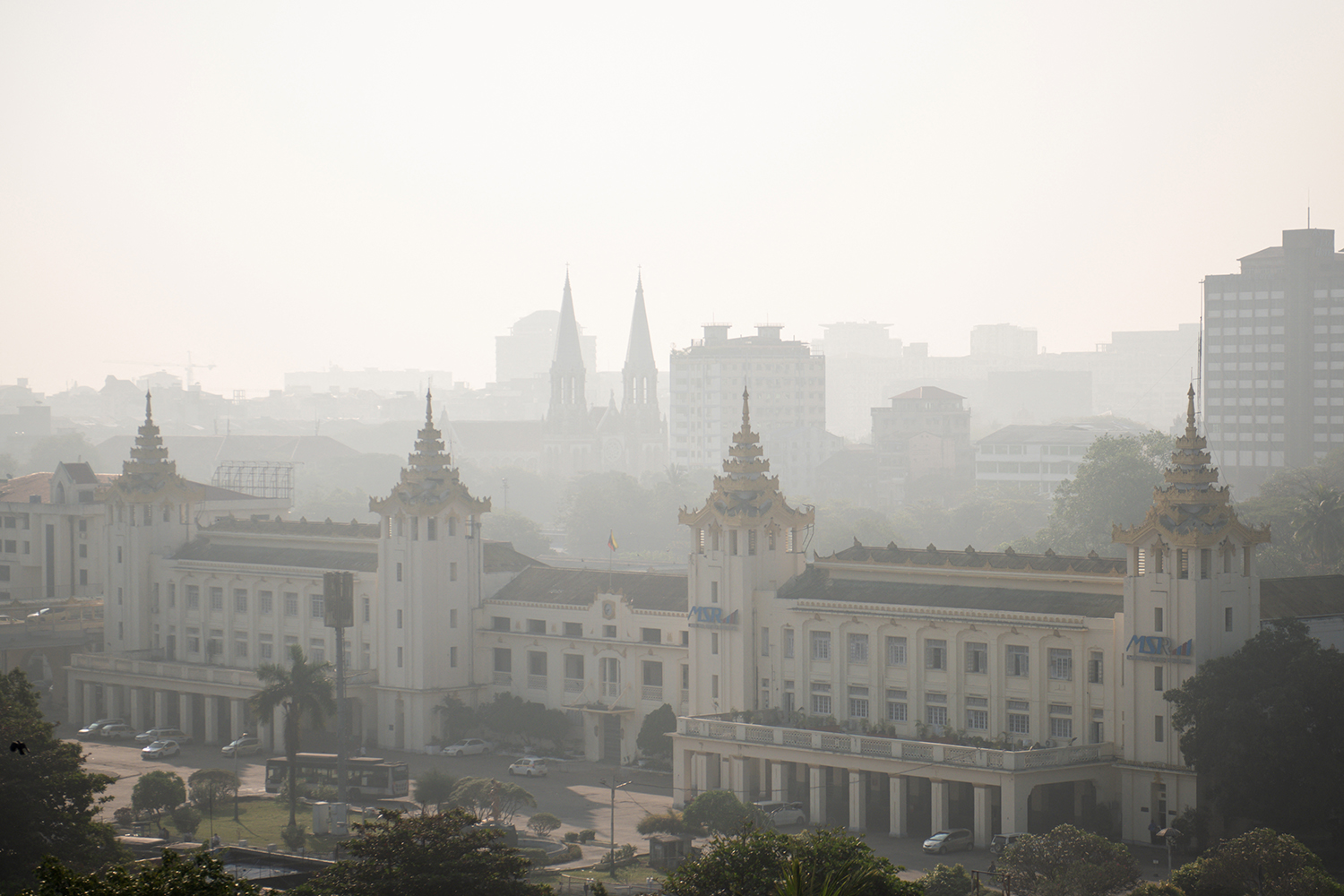
A study by the World Health Organization released this week found cancer rates are rising among non-smokers globally, a development researchers linked in part to air pollution.
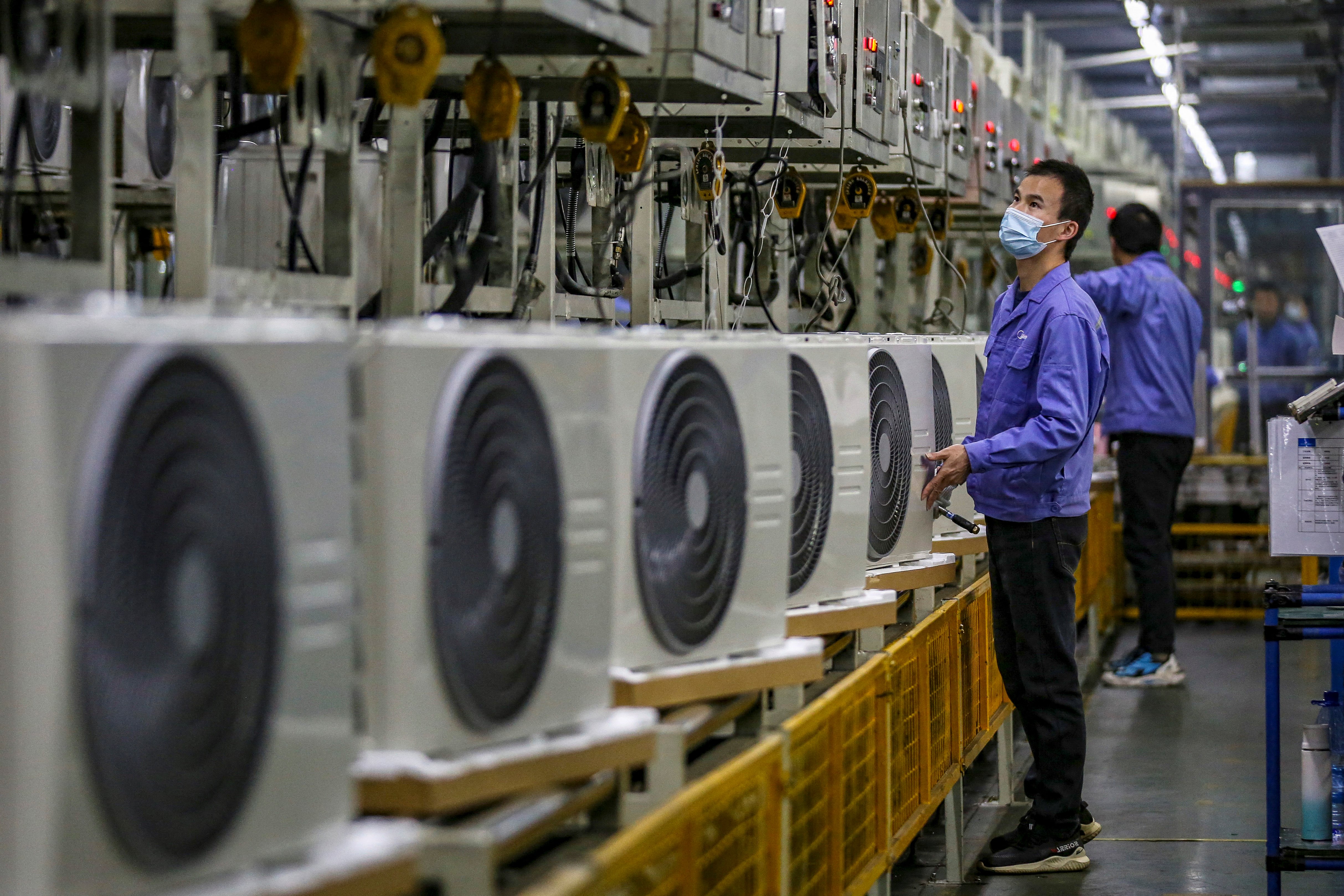
In 1985, three British scientists published a paper in the journal Nature that revealed there was a large hole in the ozone layer above the Antarctic. The research sent shockwaves around the world.
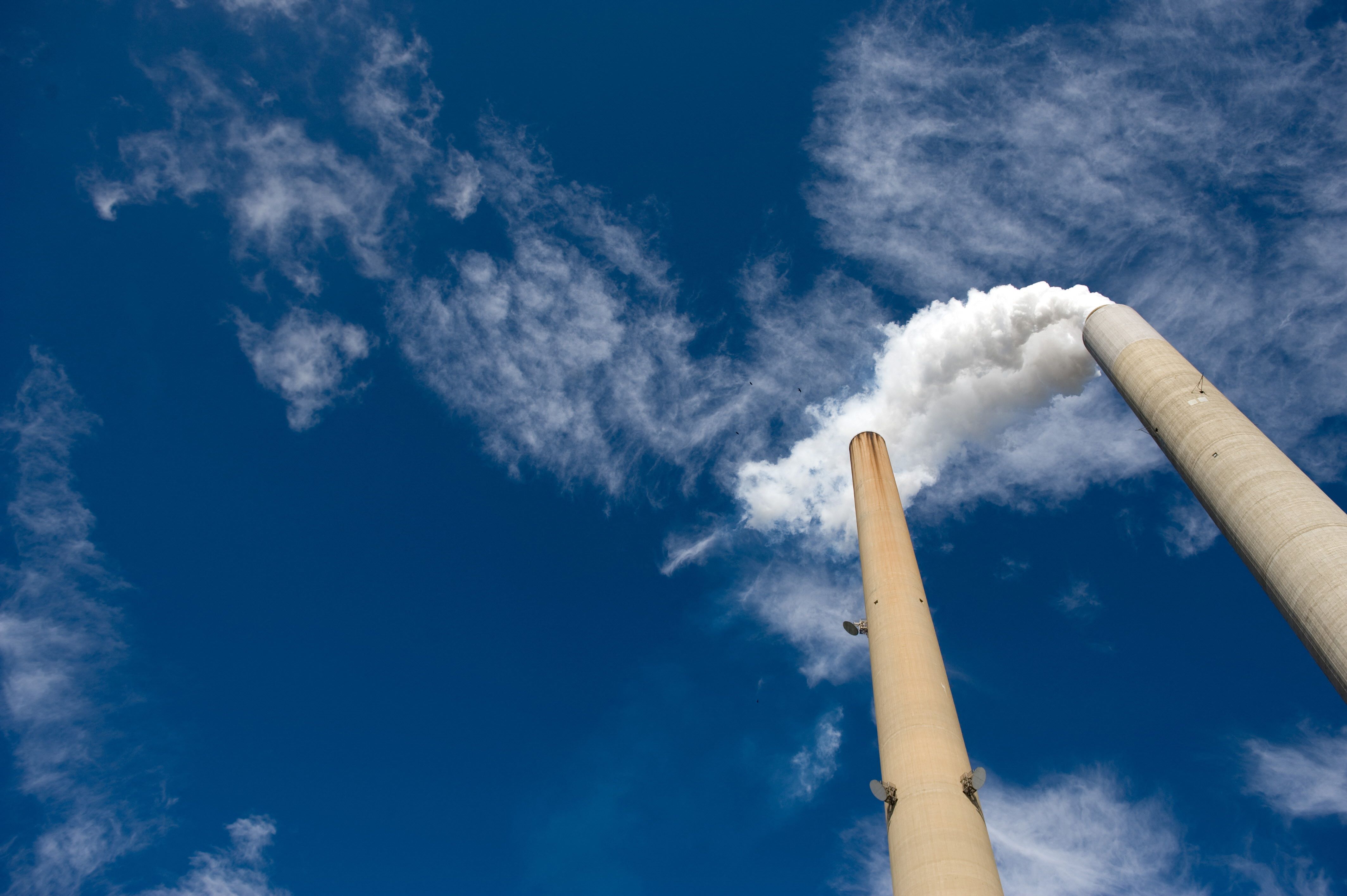
Last week, several prominent
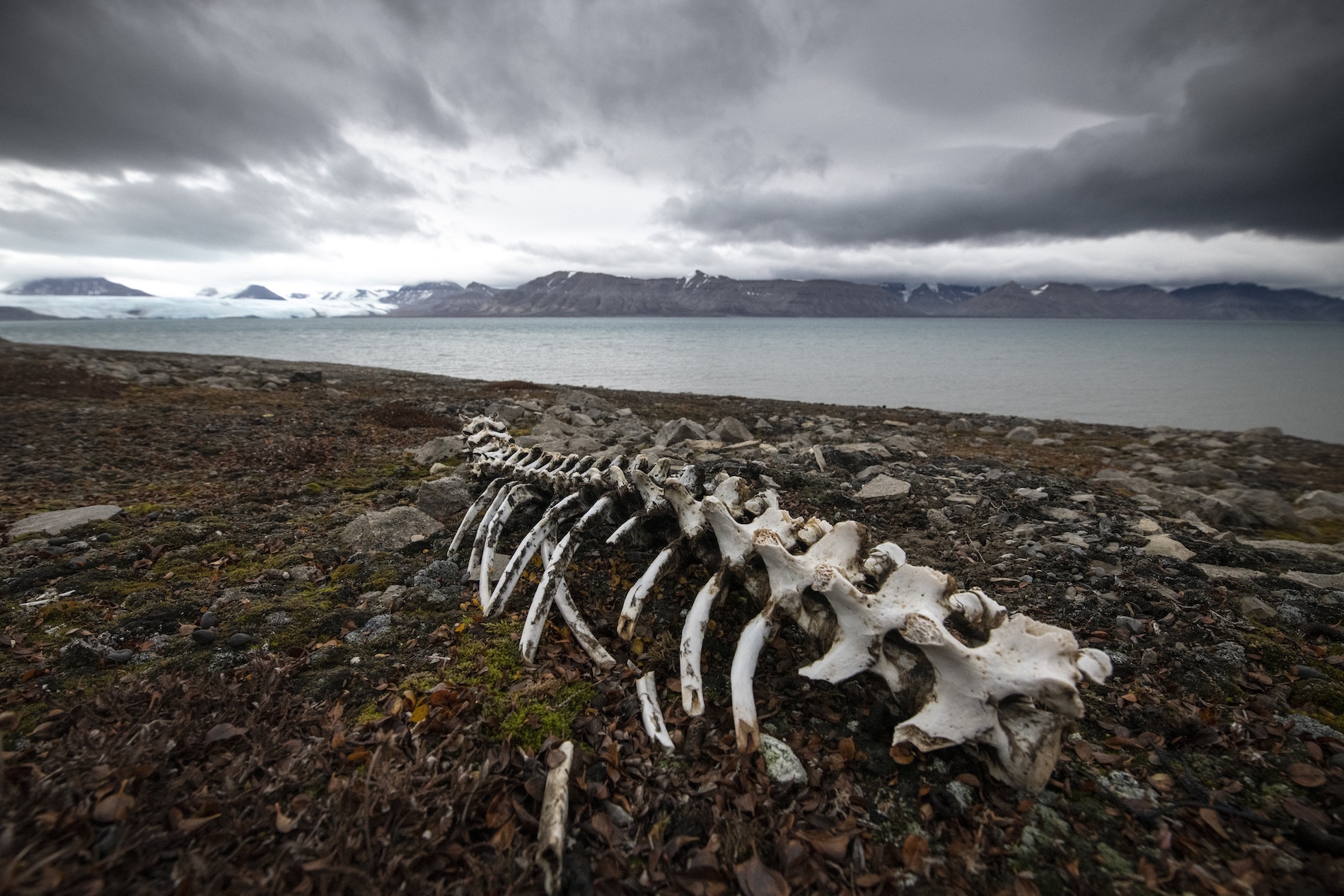
In the unusually hot summer of 2016, a bacterium that causes anthrax killed more than 2,500 reindeer in Siberia’s remote Yamal Peninsula, according to one study.

In a Nairobi hotel last week, models strode down a runway to promote the idea of reuse in fashion. Clad in upcycled looks created by emerging designers, the show focused on avoiding new production and repurposing items already in circulation.

Karina Khatic has seen firsthand the misuse of pharmaceuticals and the antimicrobial resistance (AMR) they can cause. Throughout the Caribbean, she says, farmers and pet owners are turning to ineffective over-the-counter antimicrobial drugs, such as antibiotics and other chemicals, for their animals.

Taxi driver Chanjira Ruangchan is weaving her electric motorcycle through the crowded streets of downtown Bangkok when she spots what looks like a bank of airport lockers.
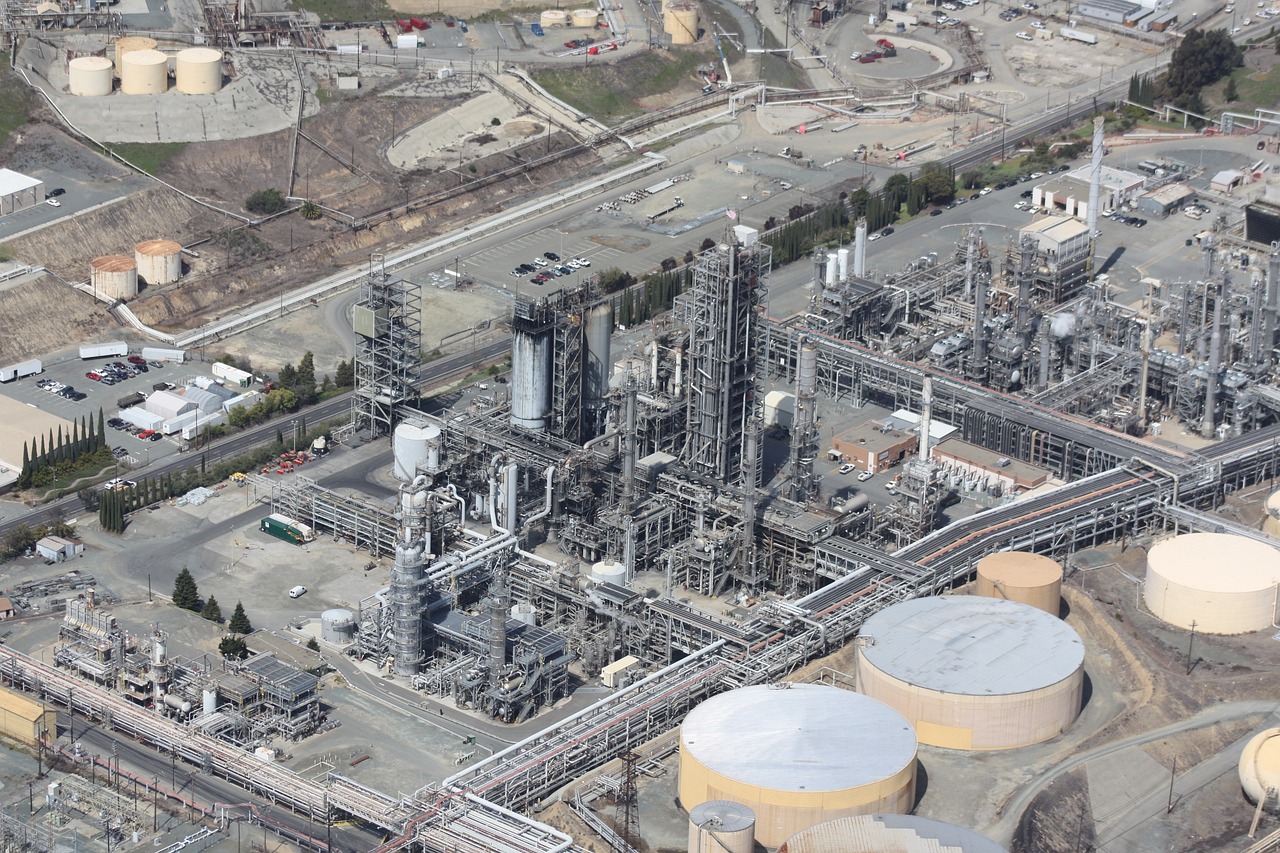
Methane Alert and Response System issued 1,200 notifications over major emissions; only 15 prompted responses
Plugged methane leaks in Algeria, Nigeria addressing emissions equivalent to around one million cars annually
140 oil and gas companies have committed to credibly measuring and reducing methane emissions under OGMP 2.0
Baku, 15 November 2024 – A high-tech syste
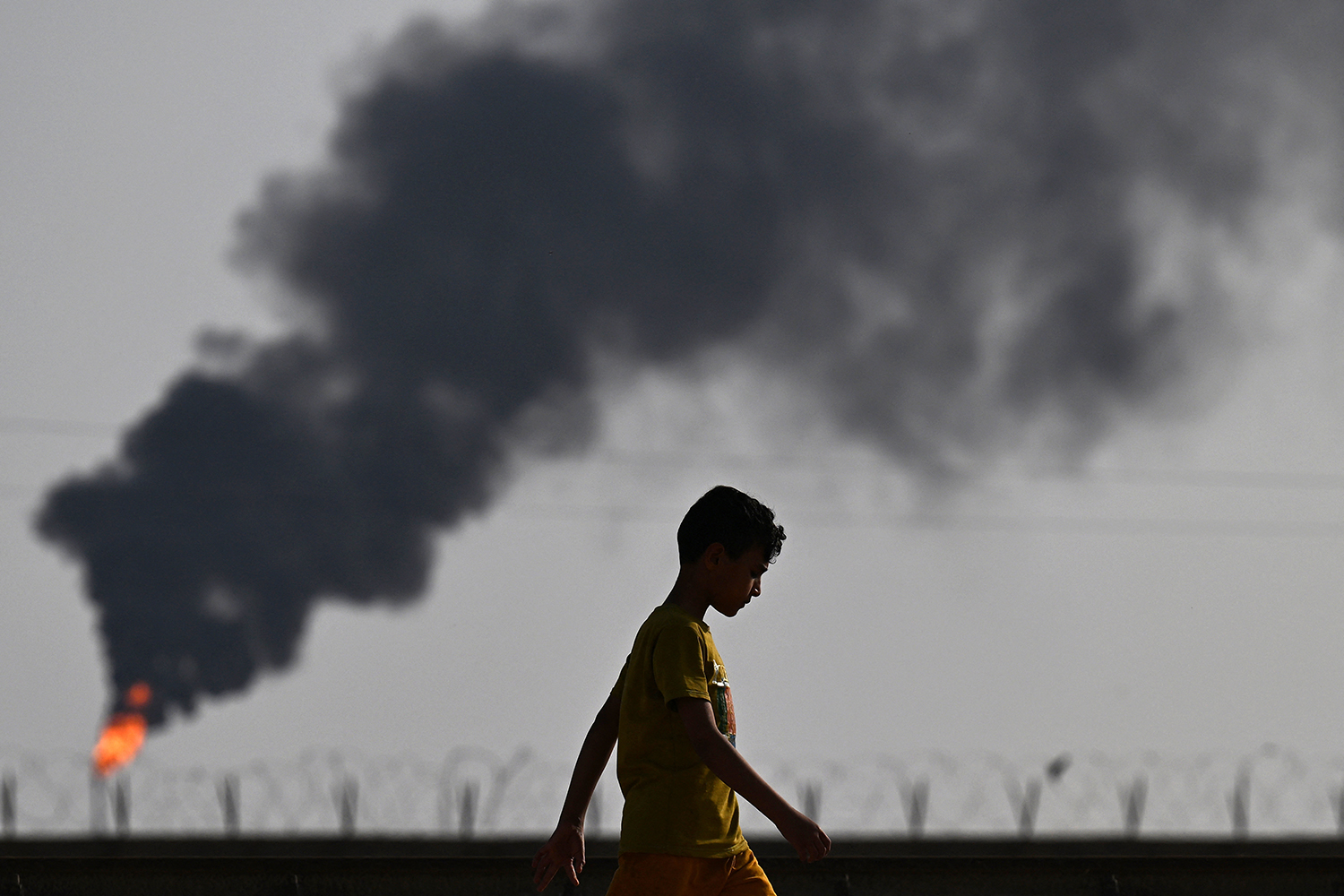
It started with a purple blob on a computer screen in Paris, France. The splotch, hovering over a patch of desert in eastern Algeria, was the tell-tale sign of a release of methane, a colourless, odourless gas supercharging climate change.
Findings from the new Global Nitrous Oxide Assessment (N₂O) warns that without urgent action on rising N₂O emissions, there is no viable pathway to limiting global warming to 1.5°C, and provides tangible tools to reduce emissions by more than 40% from current levels.
The assessment shows that N₂O is currently the most s
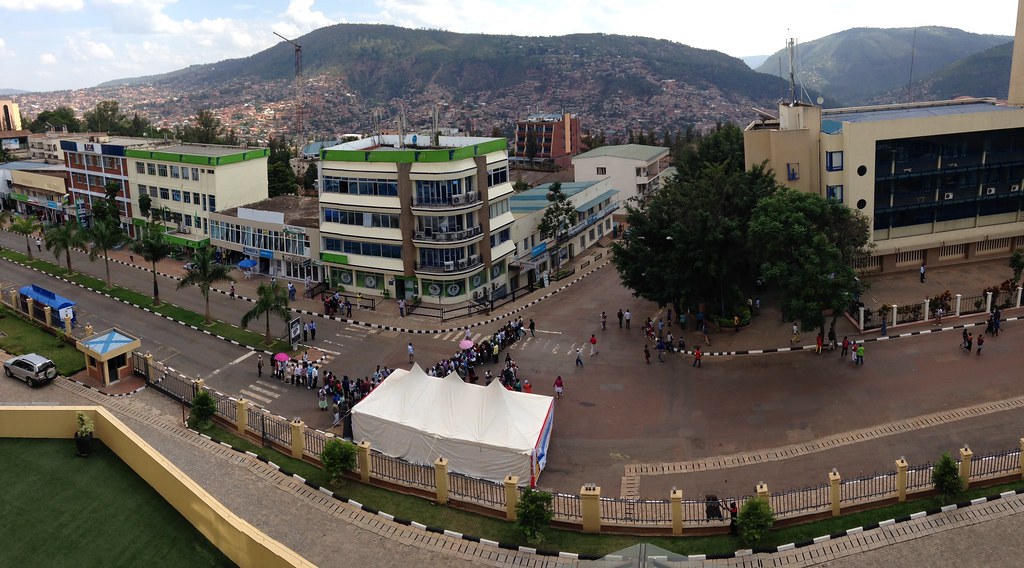
More than a billion people in Africa walk or cycle for almost an hour daily, yet 74% of assessed roads lack footpaths, and 92% have no crossings
The Pan African Action Plan for Active Mobility (PAAPAM), developed with direct engagement with over 1,300 stakeholders, aims to transform active mobility across Africa
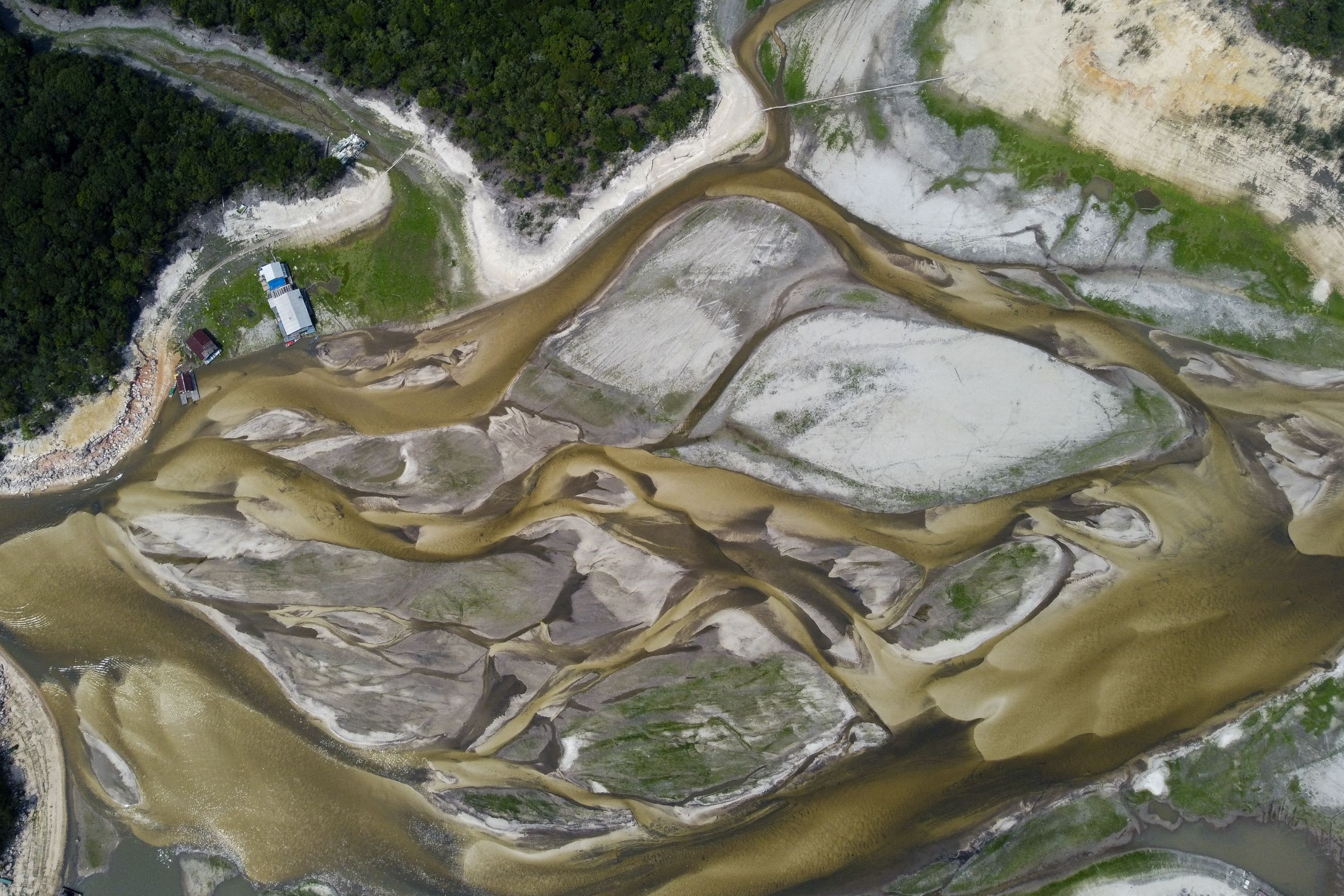
The world has mismanaged its freshwater reserves for decades, hampering progress towards the Sustainable Development Goals (SDGs).

Lead may be present in everything from cookware and cosmetics to paint and plumbing.

They pollute the air. They warm the planet. They prevent crops from growing. Overall, super pollutants are a pretty nasty group of chemical compounds – and unfortunately, they’re all around us.
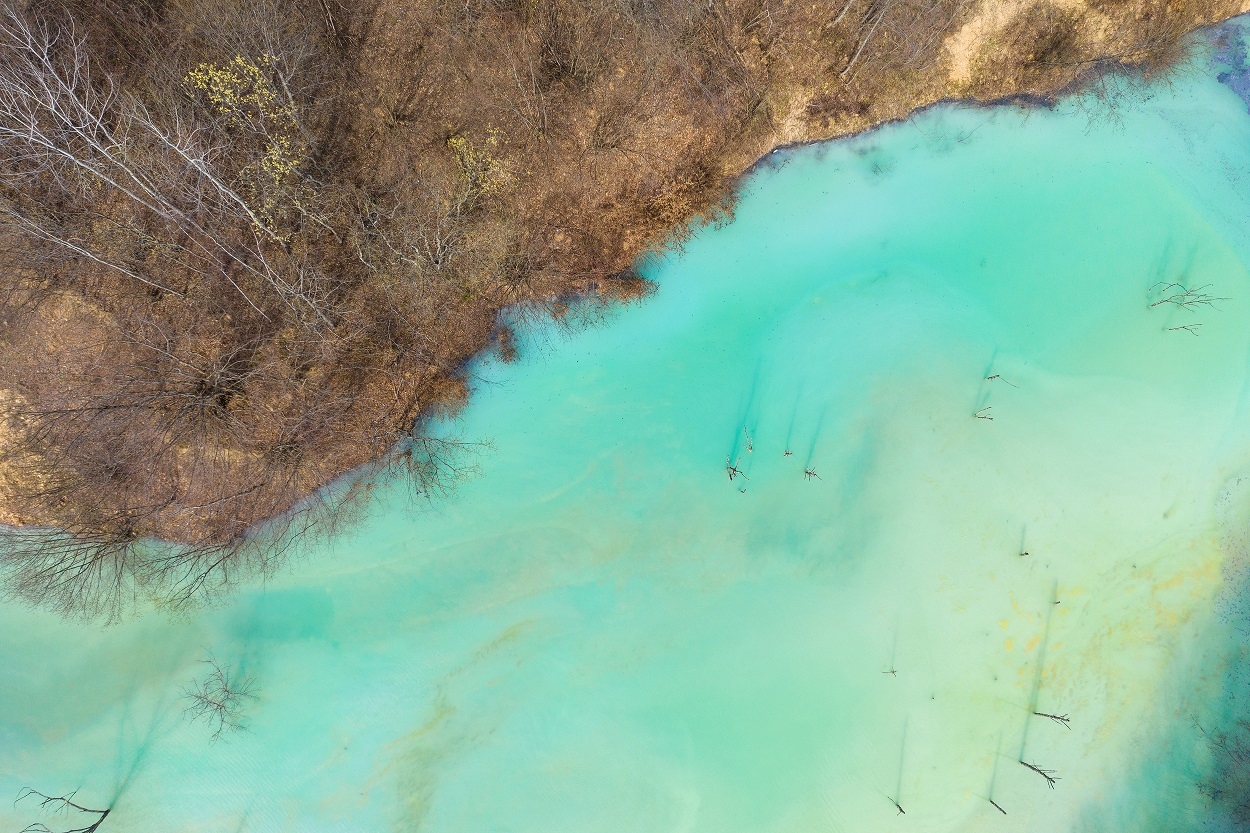
Nairobi, 1 October 2024 – One year after its adoption in Bonn, the Global Framework on Chemicals today launched its first call for projects targeting the safe and sustainable management of chemicals and waste.
Showing 26 - 50 of 678