News
Showing 101 - 125 of 678
678 results found
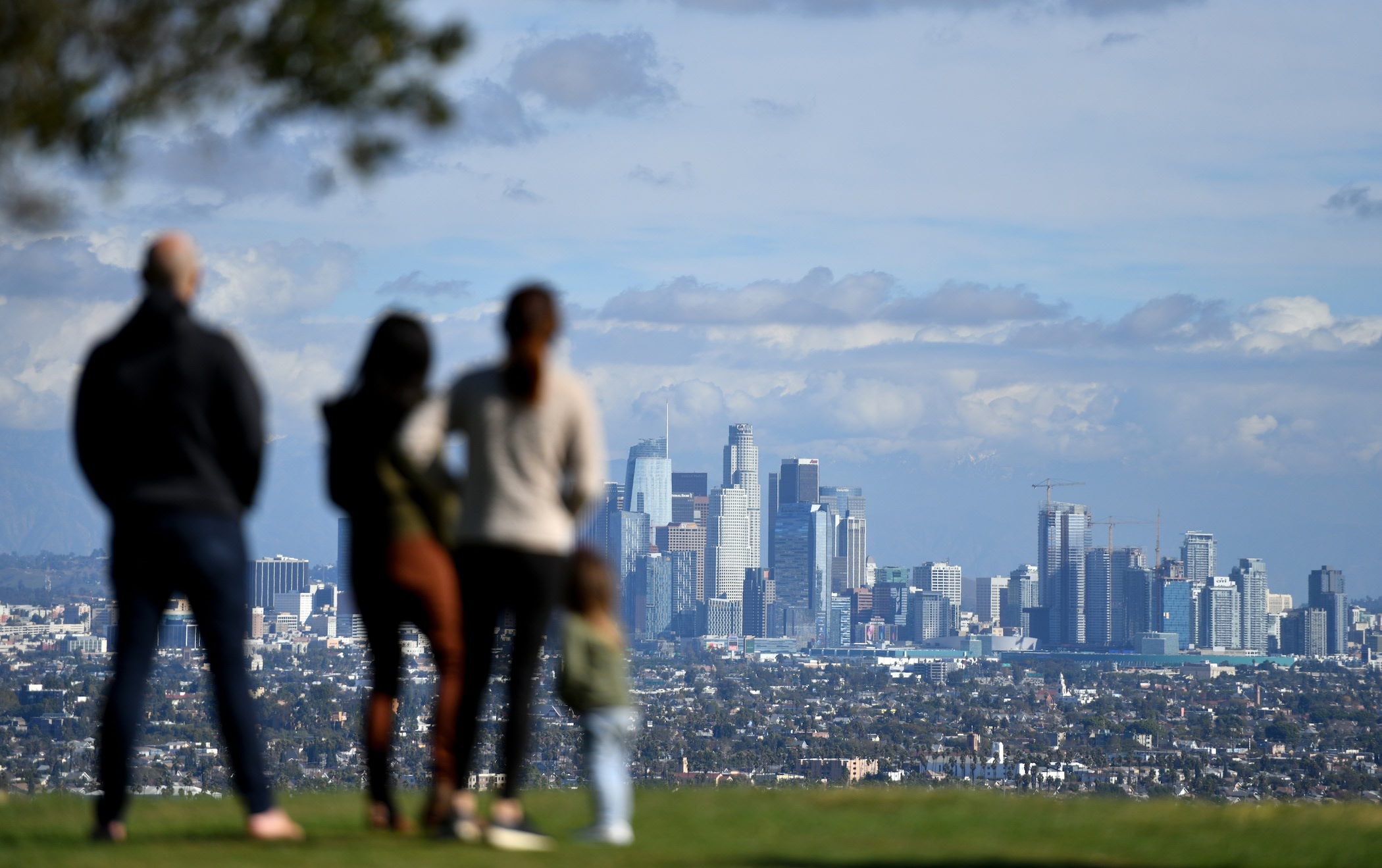
The International Day of Clean Air for blue skies, held annually on 7 September, aims to raise awareness and mobilize global action to address air pollution, which United Nations Secretary-General António Guterres recently called a “global emergency.”
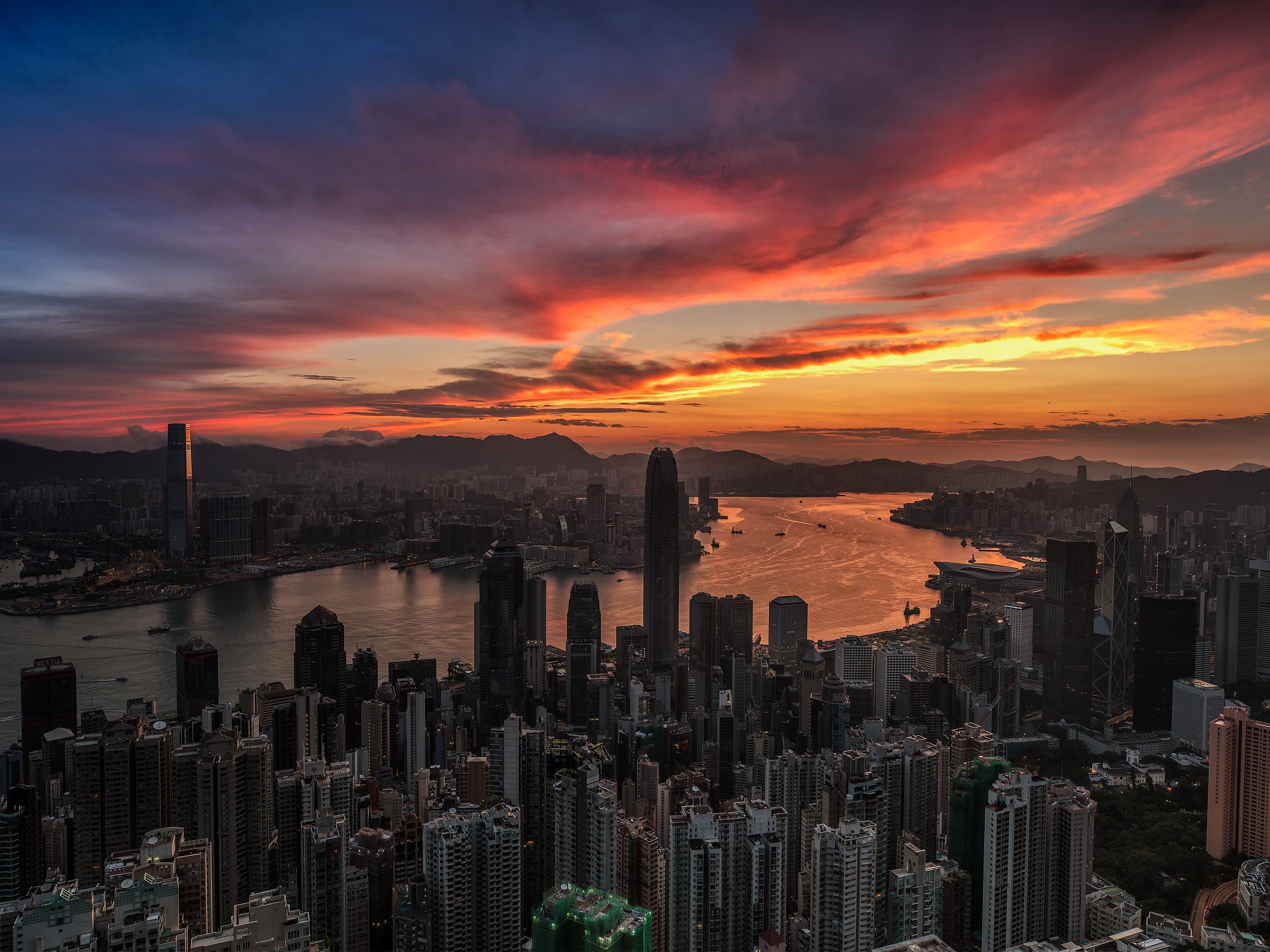
Air pollution is the greatest environmental health risk of our time. Exposure can lead to stroke, heart and lung disease and more.
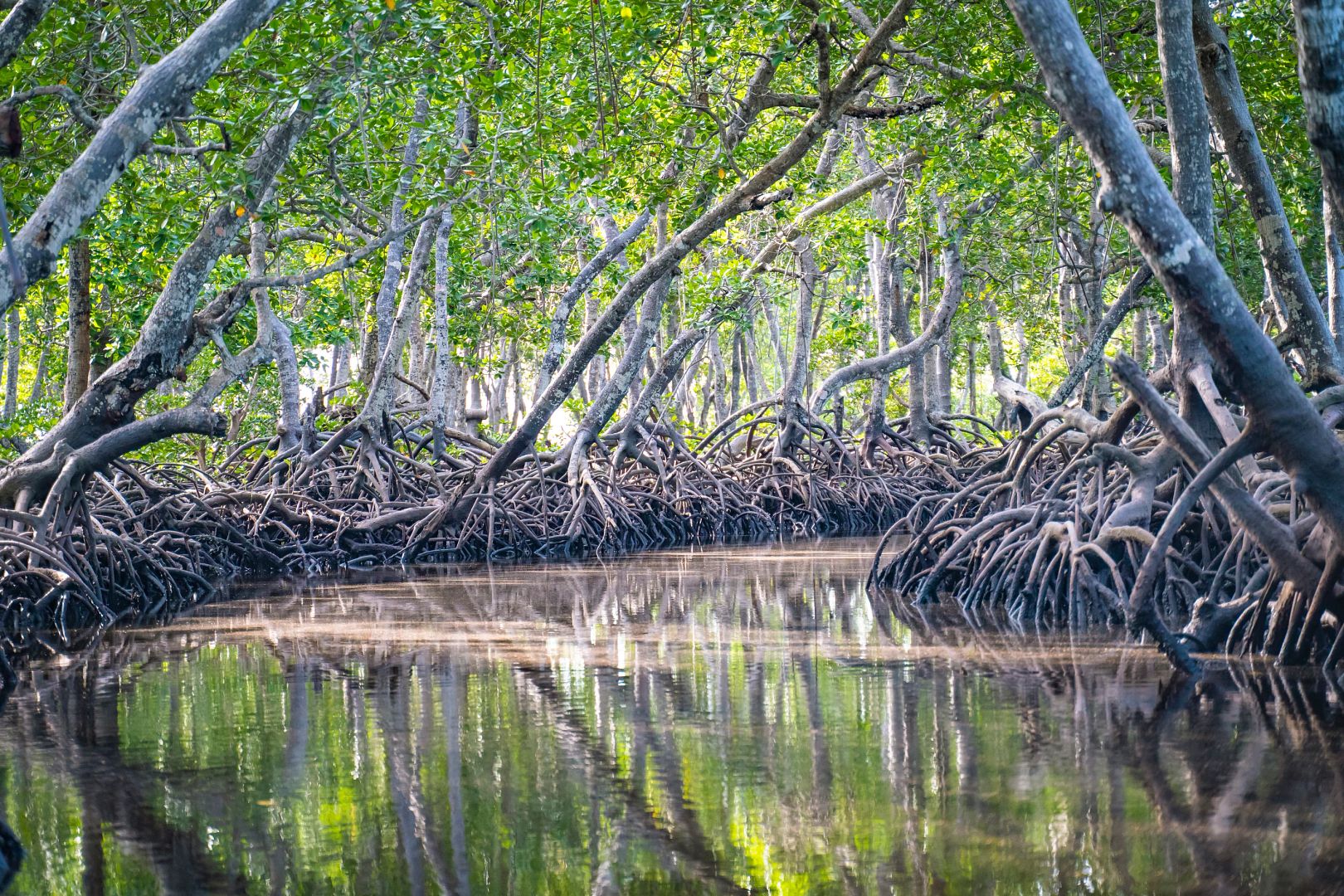
Humans have introduced more than 37,000 invasive species, many harmful, into biomes around the world, threatening a range of plants and animals, finds a new study from the Intergovernmental Science-Policy Platform on Biodiversity and Ecosystem Services (IPBES).

Anyone who happens to be walking by New York State’s Hudson River in the next two weeks may see a figure heading downstream wearing a white swimming cap emblazoned with the logo of the United Nations Environment Programme (UNEP).
This is Lewis Pugh, an English-South African endurance swimmer who is aiming to navigate the 517km-long Hudson with mostly goggles, Speedos and that swimming cap.

Today is the sixth anniversary of the Minamata Convention on Mercury, a landmark global agreement to protect people and the environment from the toxic effects of mercury. To mark the occasion, UNEP is looking back at a story originally published in February about the campaign to end the use of mercury in small-scale gold mining.
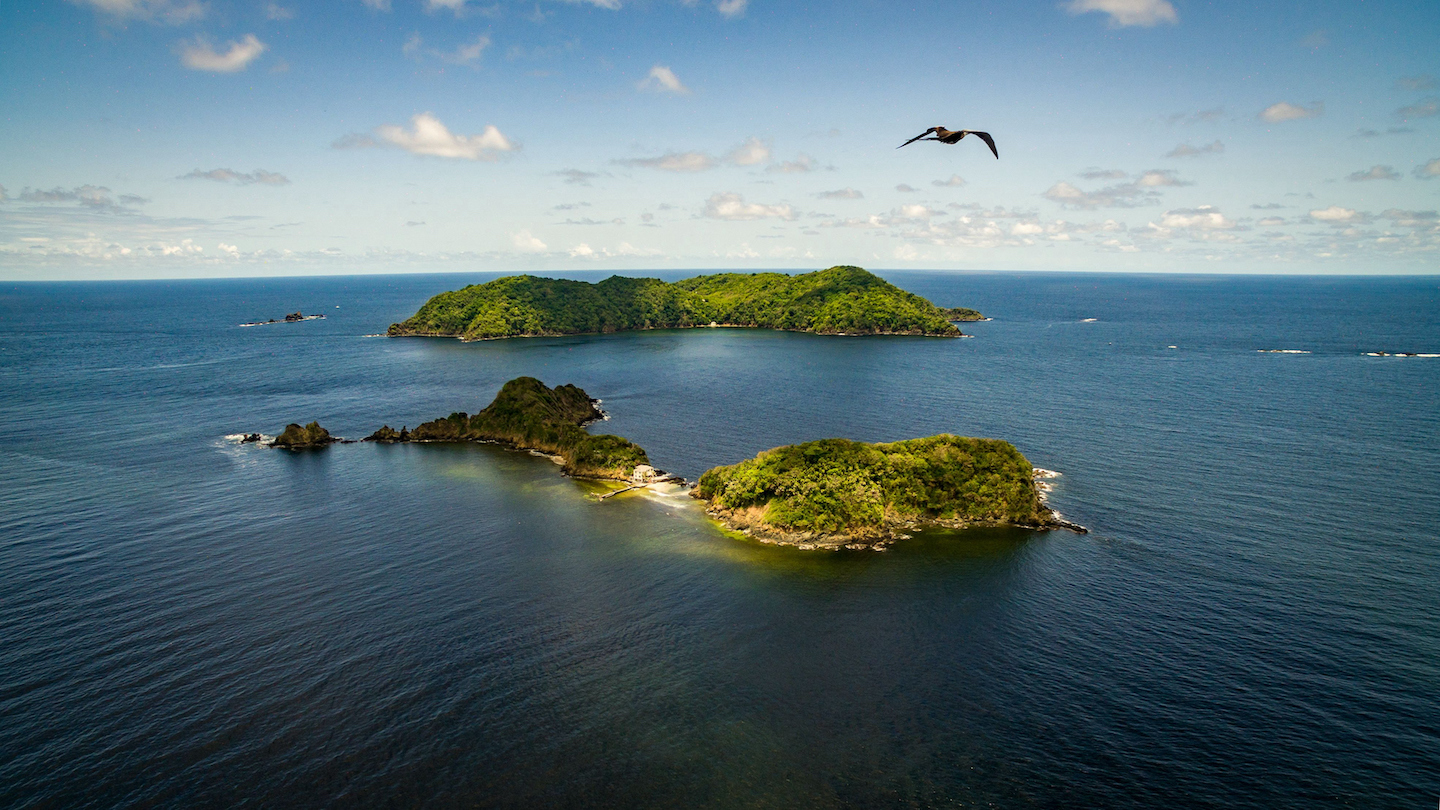
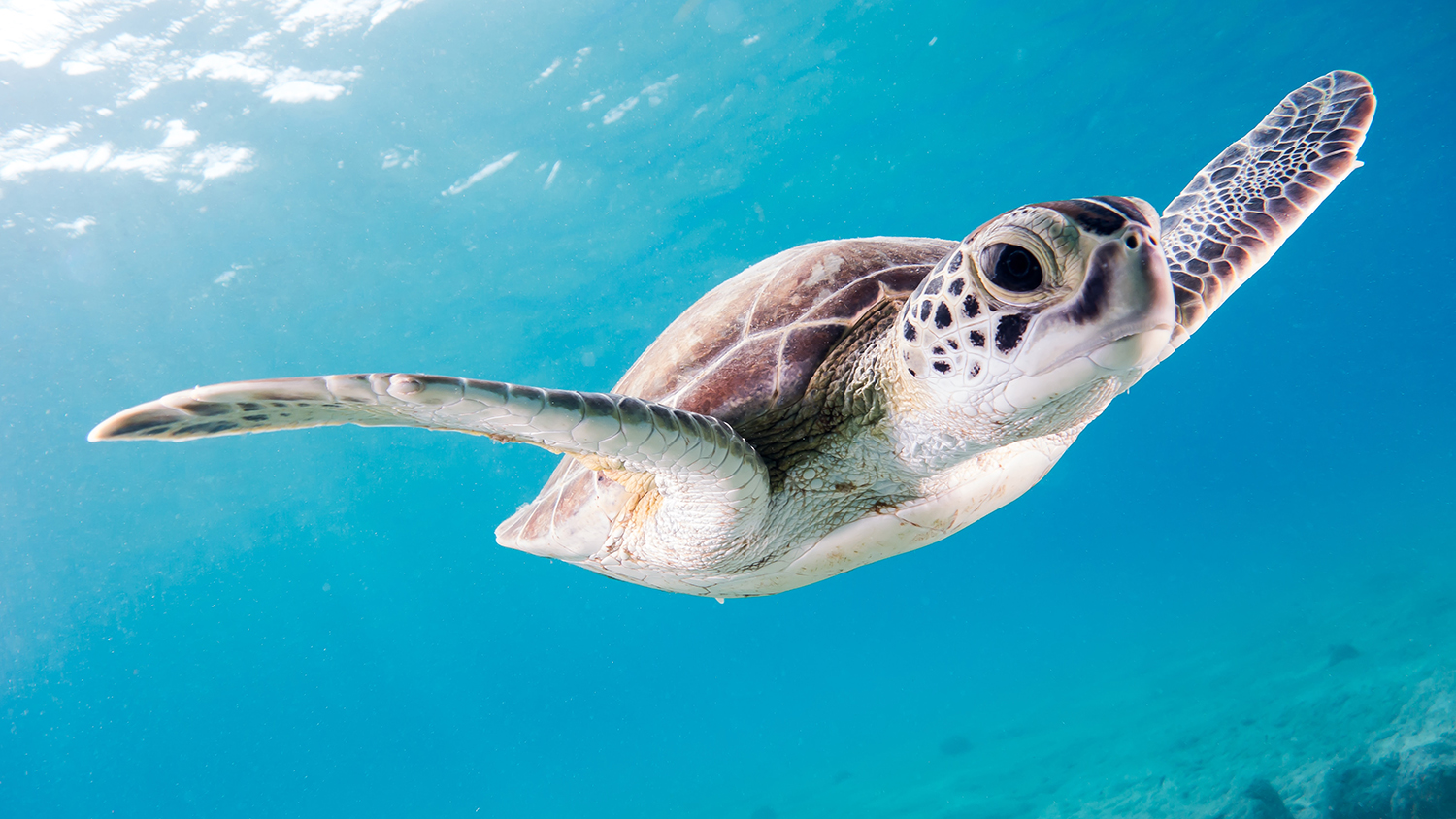
Beneath the picturesque turquoise waters of Trinidad and Tobago, plastic pollution is wreaking havoc on marine ecosystems.
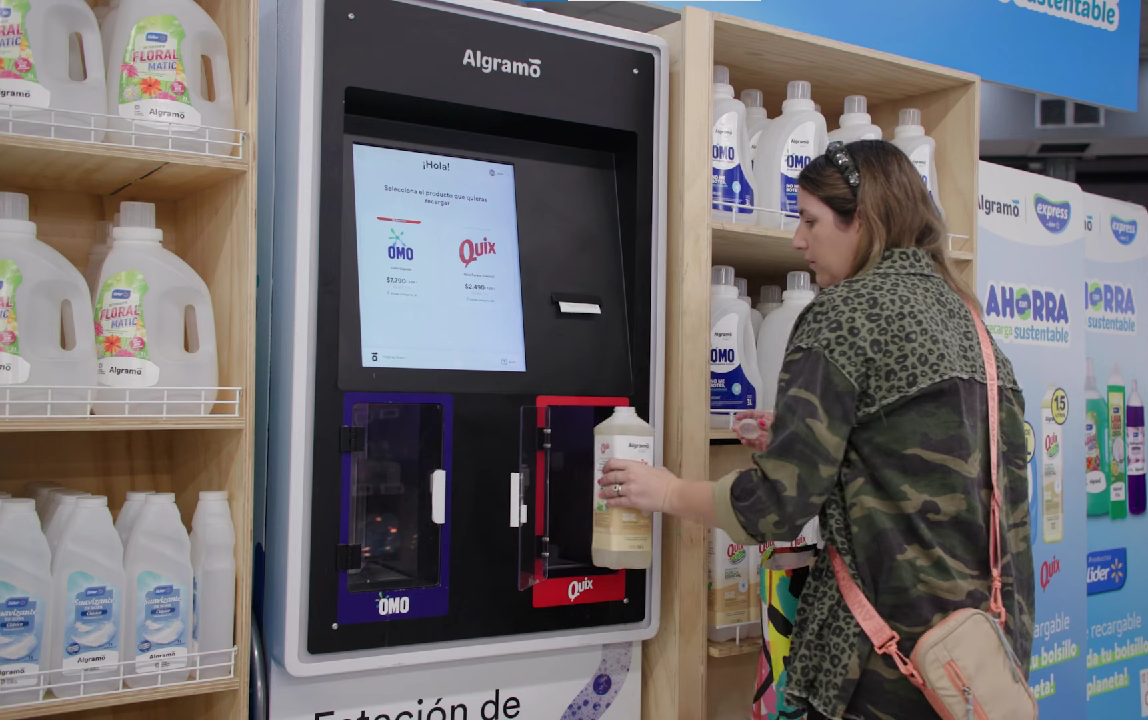
Every year humanity produces 280 million tonnes of plastic products that quickly become waste, including a bevy of single-use items. A good portion of those are shampoo, dish soap and laundry detergent containers.

The fourth annual International Day of Clean Air for blue skies will be held on 7 September 2023 under the theme Together for Clean Air, focusing on the need for strong partnerships, increased investment and shared responsibility to overcome air pollution.

This year’s World Environment Day on 5 June, the 50th anniversary of one of the largest global platforms for environmental public outreach, saw millions of people from around the world come together to raise awareness of solutions to combat plastic pollution.

“This year, we are going to beat plastic pollution because millions of people are demanding change,” said Inger Andersen, United Nations Environment Programme (UNEP) Executive Director on World Environment Day, in Abidjan, Côte d'Ivoire. “We have a choice; we can use our voice and we want to see justice.”
From the remote Galápagos Islands to the humid depths of the Amazon, governments are cutting back on plastic, citizens are cleaning beaches, and innovators are seeking alternative products as part of a region-wide movement to turn the tide on plastic pollution.

Celebrations for World Environment Day 2023 kicked off in host-country Cote d’Ivoire, as millions of people prepare for similar activities across the world. Venues across the capital city, Abidjan – from its historic lagoon to its first modern art museum - shone the spotlight on this year’s theme #Beat Plastic Pollution.
More than 150 countries are expected to participate in this year’s World Environment Day on 5 June, while millions are likely to engage through in-person and online activities.
Hosted by Côte d’Ivoire and supported by the Netherlands, this year’s theme focuses on solutions to plastic pollution.

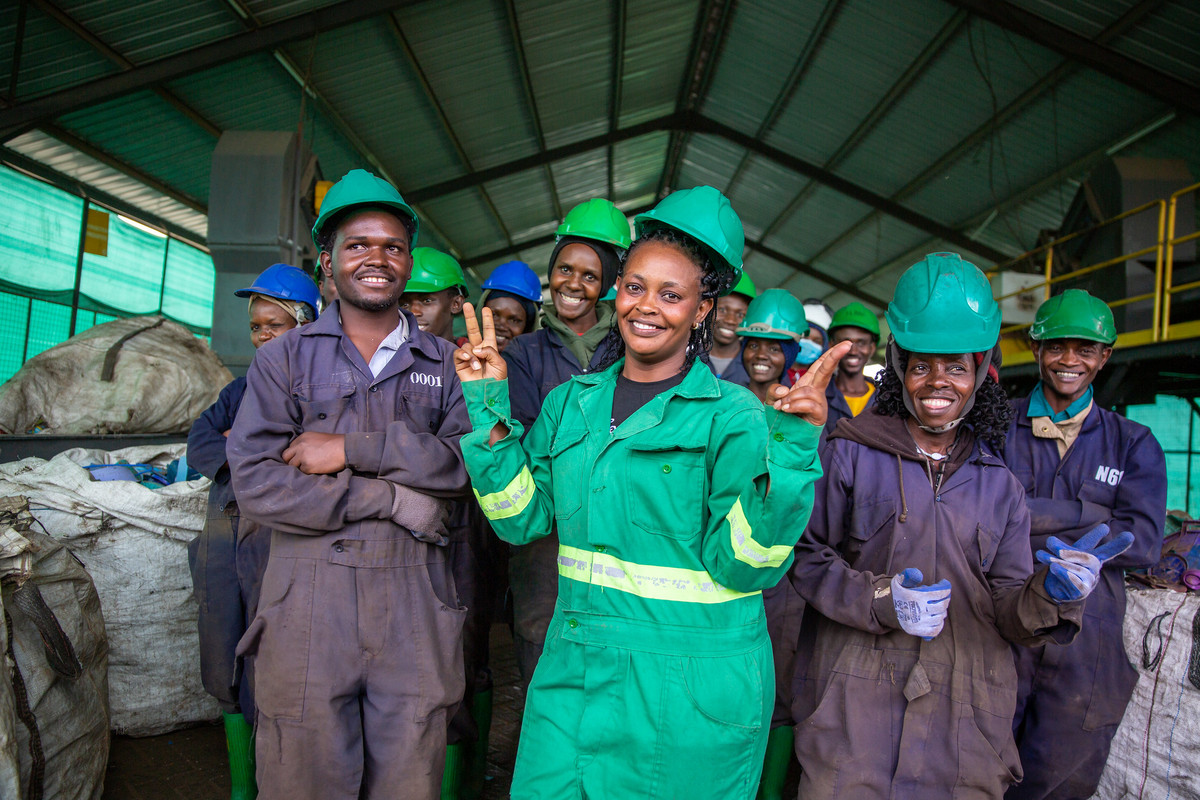
People call me “the queen of waste,” said Suzan Kubheka Banda, a 44-year-old mother of three from Johannesburg, South Africa.
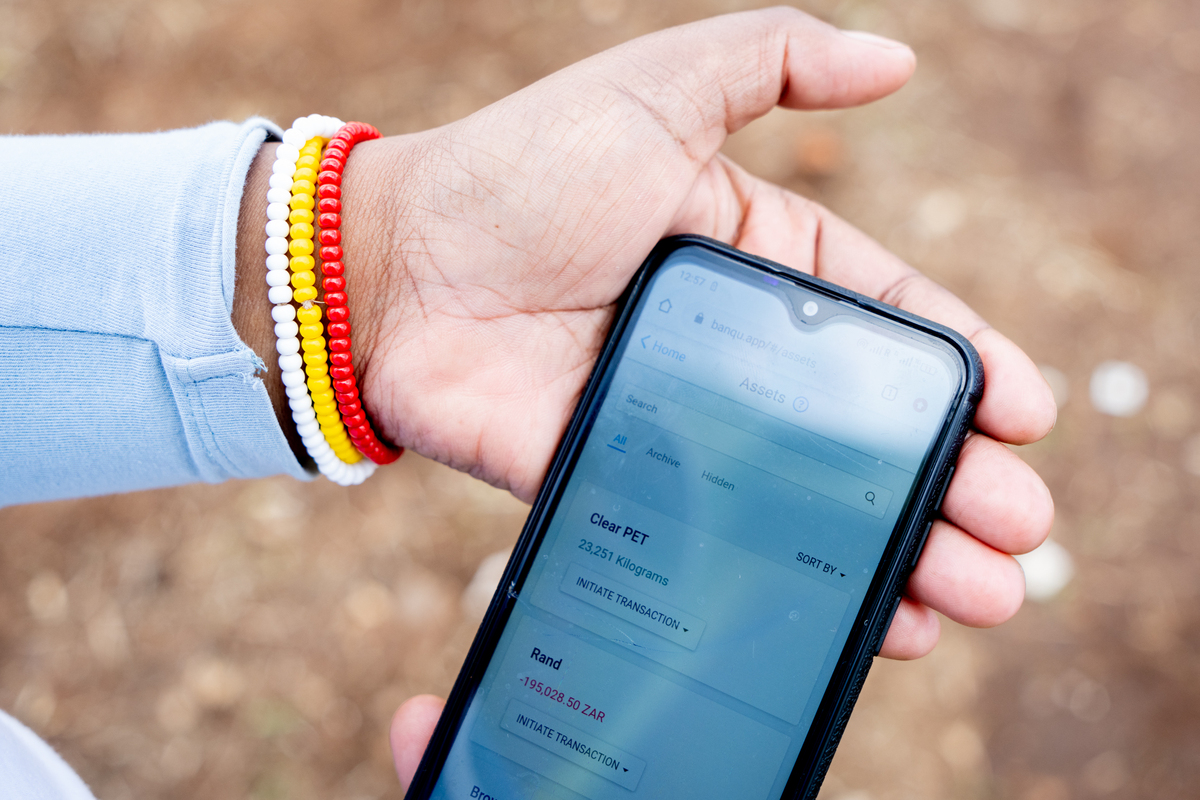
People call me “the queen of waste,” said Suzan Kubheka Banda, a 44-year-old mother of three from Johannesburg, South Africa.
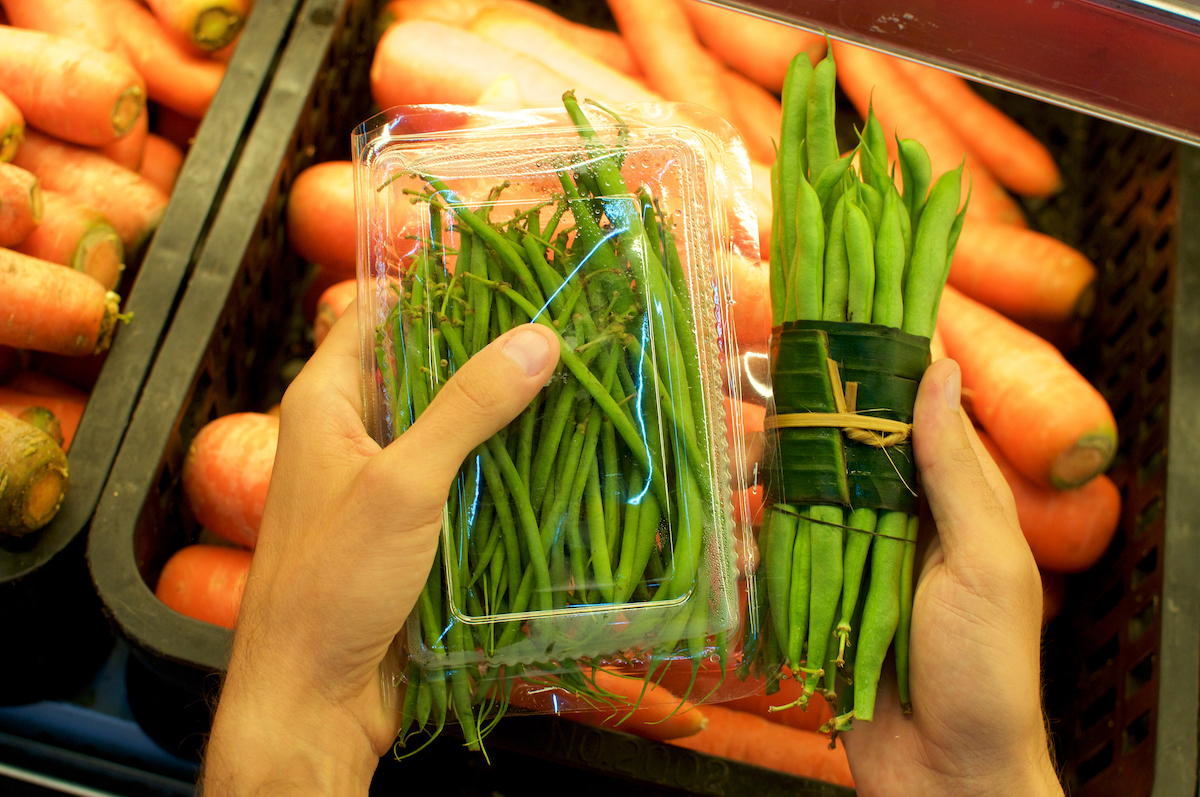
https://www.youtube.com/watch?v=qvMfr14Iff0

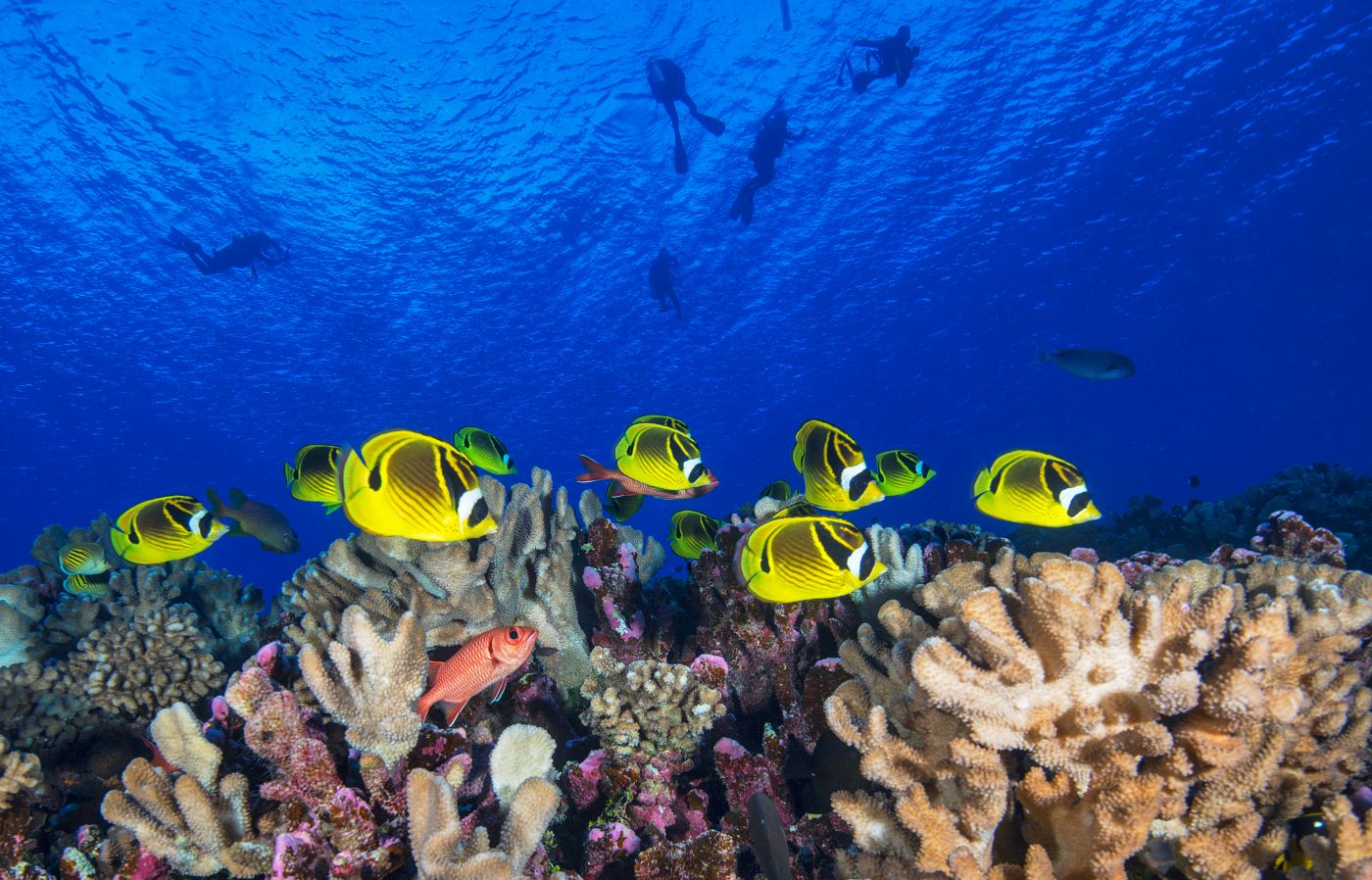
Travellers from all corners of the world are attracted to the wonders of coral reefs and their colourful biodiversity.
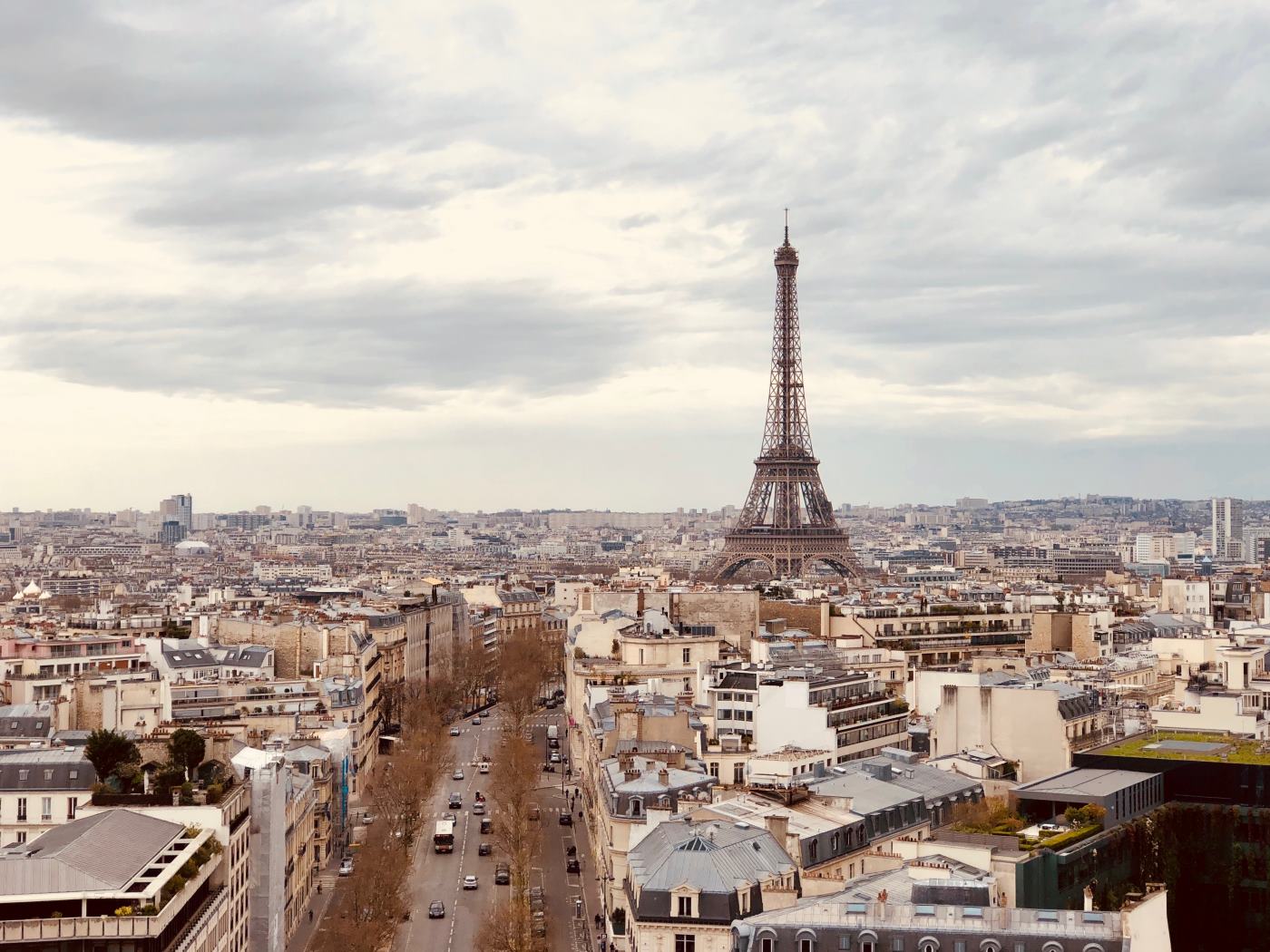
This week sees the second meeting of the Intergovernmental Negotiating Committee (INC), INC-2, take place in Paris, where countries will discuss an
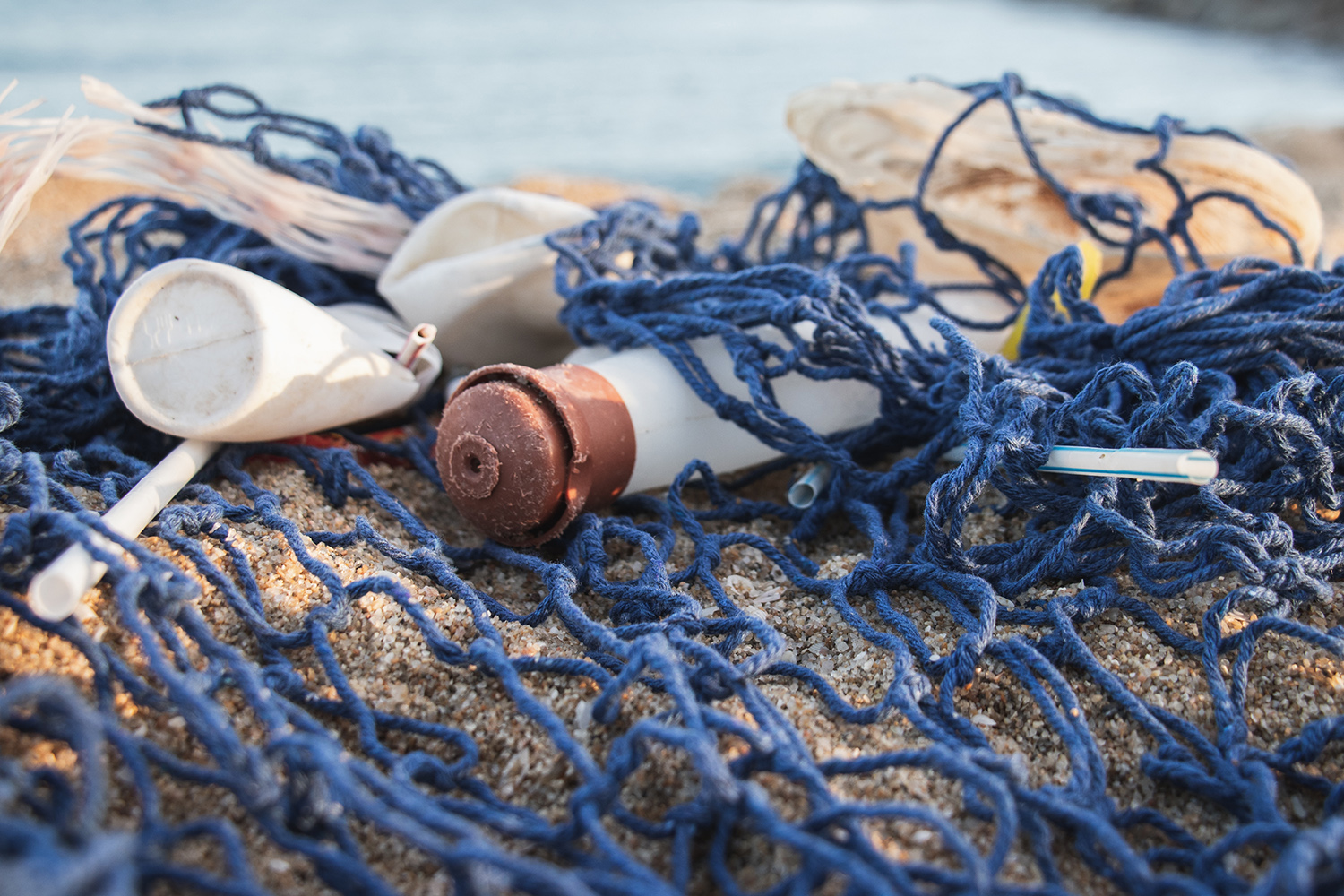
Plastic pollution is one of the biggest environmental issues facing the planet. Humanity produces over 430 million tonnes of plastic every year - two-thirds of which are short-lived products which soon become waste. This has devastating consequences for wildlife, ecosystems, human health and the global economy.
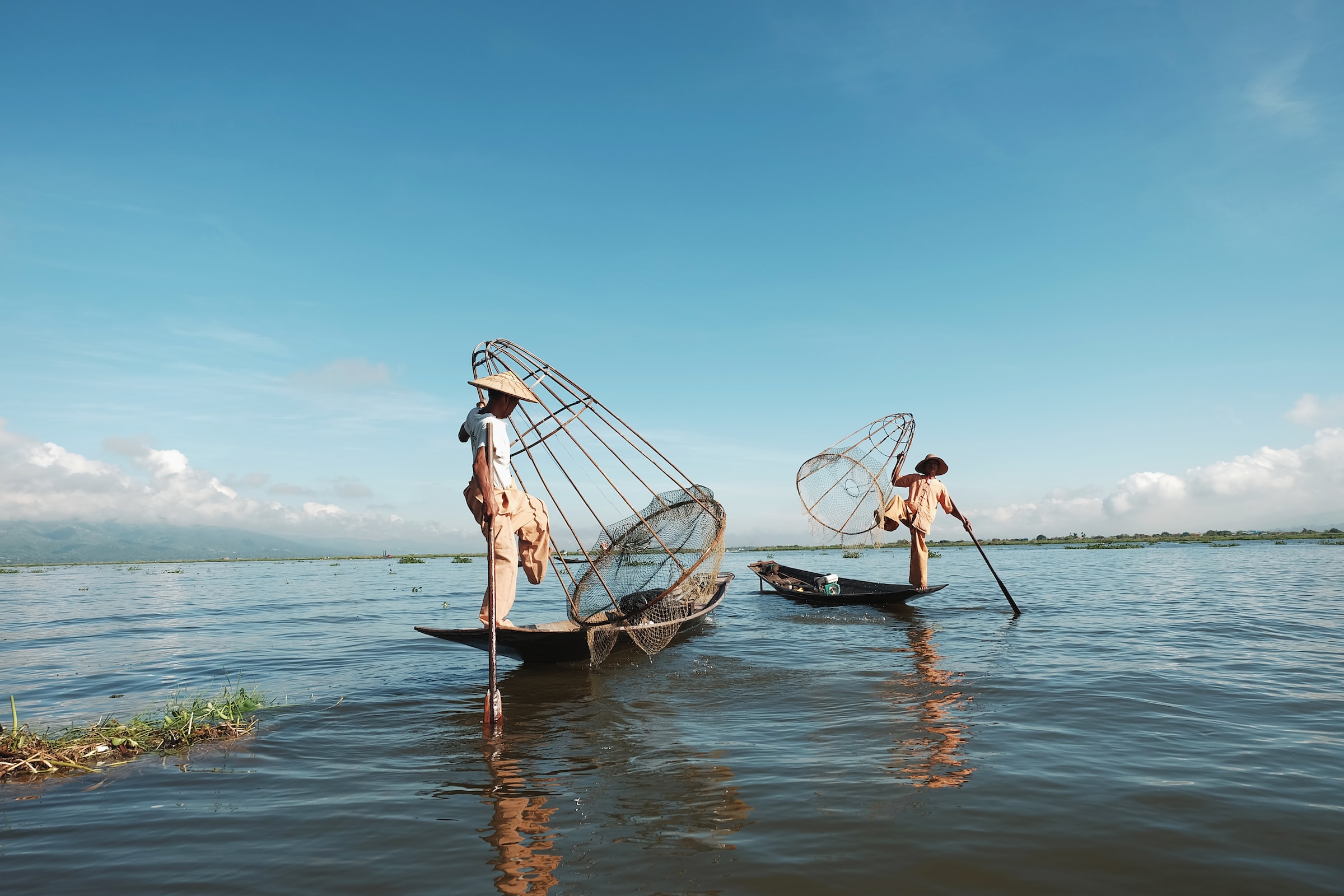
When the Sustainable Development Goals, humanity’s blueprint for a better future, were launched in 2015, there was already growing alarm at the state of the planet’s freshwater resources.
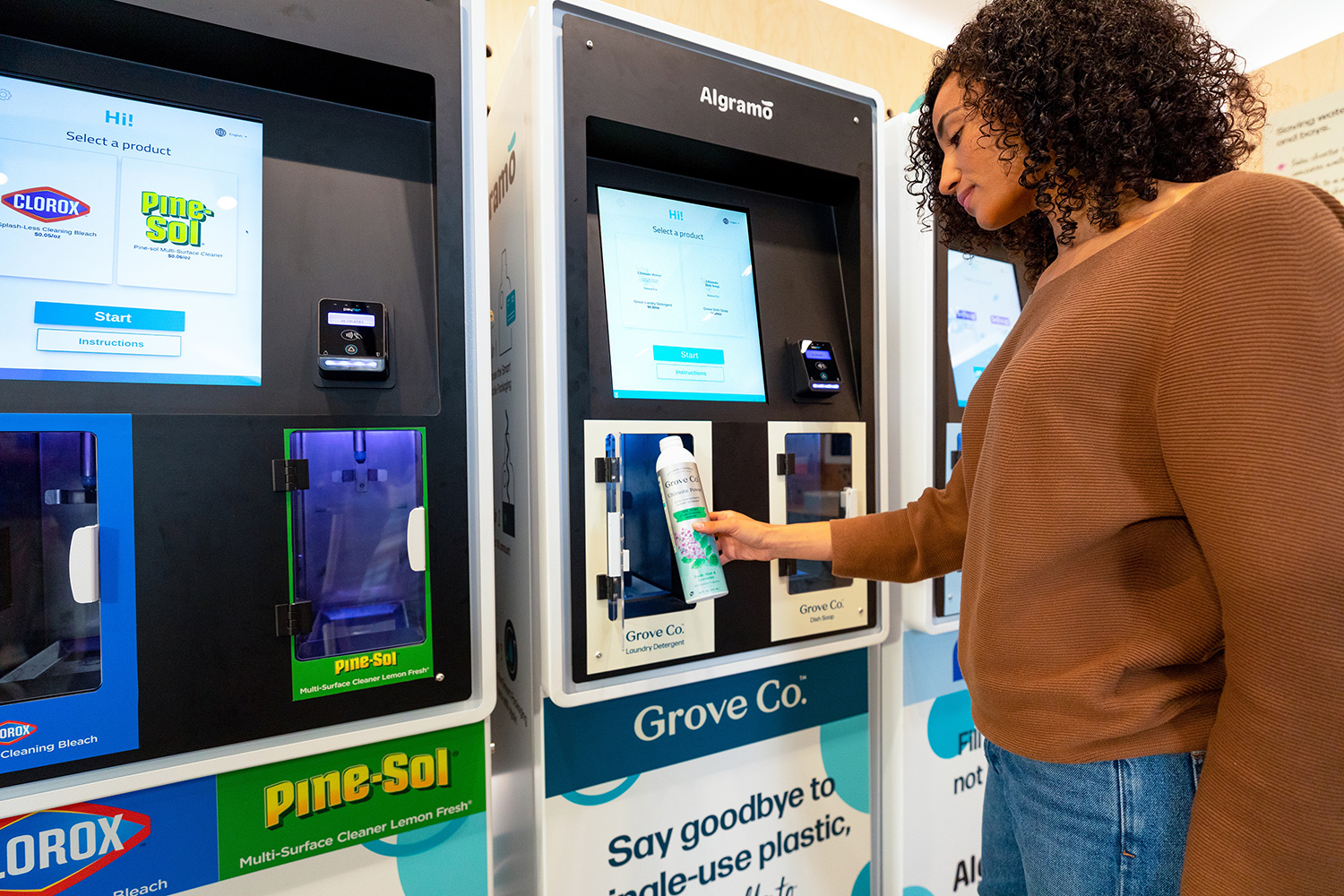
Walk into one of Chile’s neighbourhood convenience stores, and you will see refill machines emblazoned with the name “Algramo”. Customers bring reusable containers – each fitted with a unique RFID tag – to refill daily essentials such as shampoo, washing-up liquid and detergent. They can also order refills to their door and pay via a phone app.
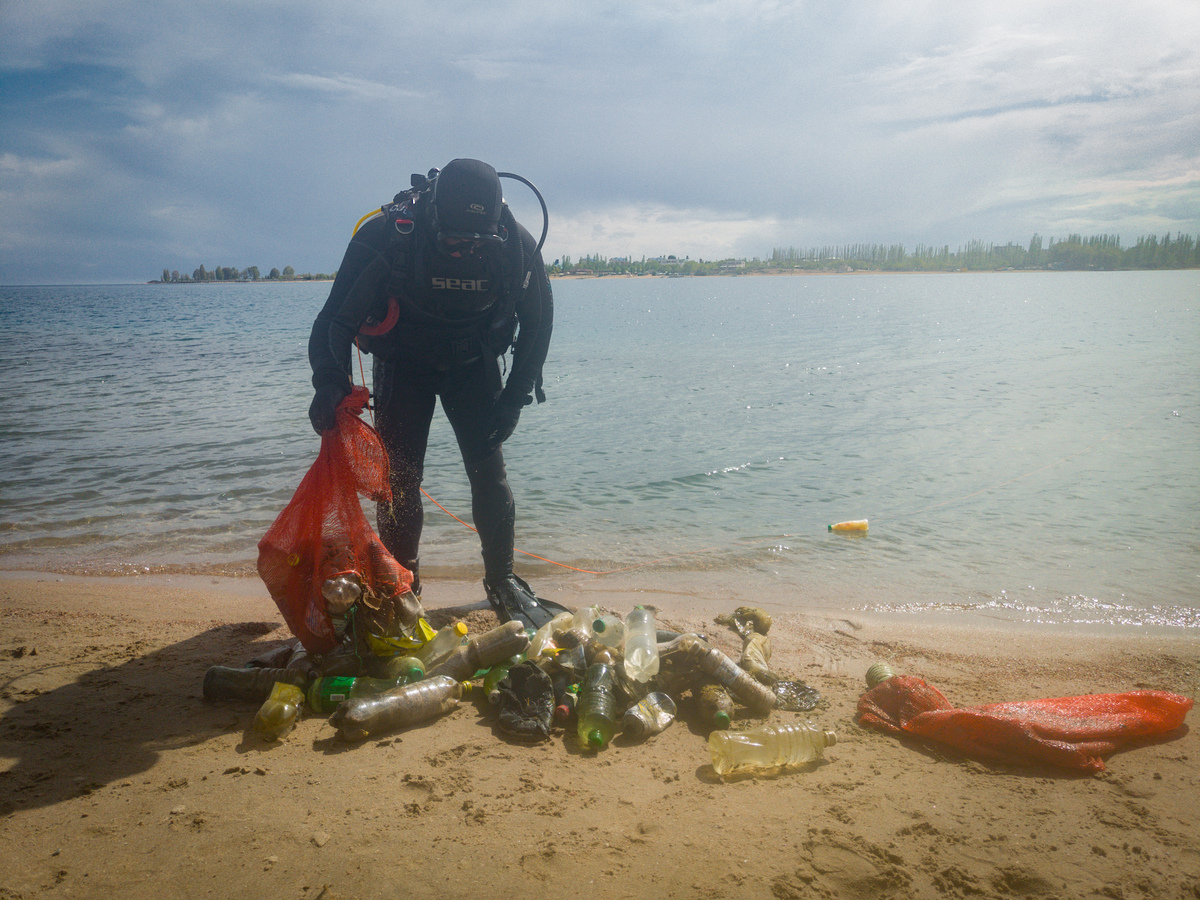
Near the Issyk-Kul Lake in the eastern mountains of the Kyrgyz Republic lies Jyrgalan, a village of 1,000 inhabitants. The scenic village was once a hidden gem but is quickly gaining traction as a tourist destination, with biking and hiking trails having multiplied. But this is posing challenges such as increased waste generation, including plastics.
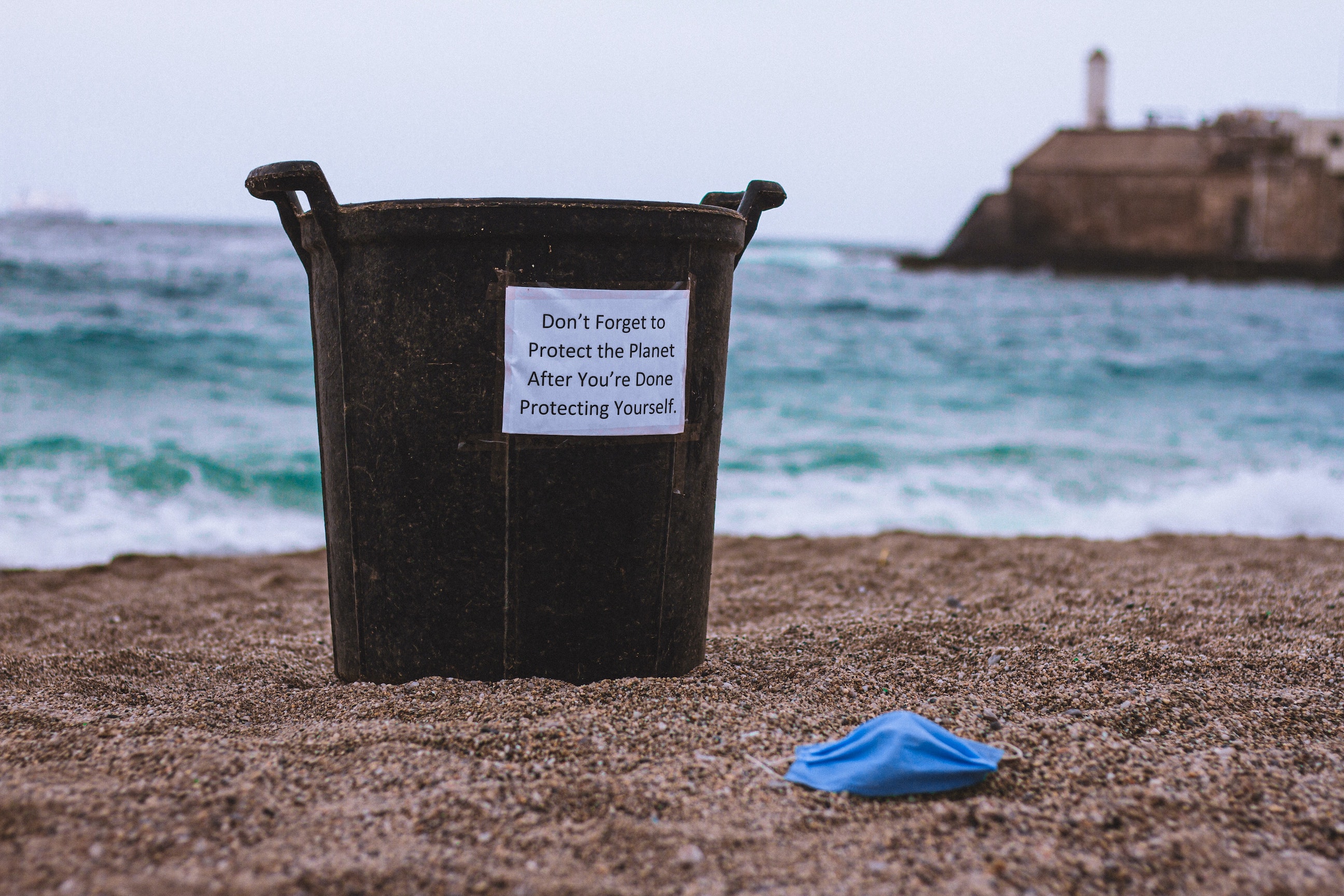
International tourism is headed back to pre-pandemic levels, with double the number of people travelling so far in 2023 than in the same period last year.

Ask any parent what the modern world's greatest invention is, and they will probably point to the disposable nappy. It freed parents from the time-sapping routine of constantly washing and drying cloth nappies and has had a transformative effect on family life.
Showing 101 - 125 of 678