

Conservation and Sustainable Use of Marine and Coastal Ecosystems
Caribbean marine and coastal ecosystems, which include coral reefs, mangroves and seagrass beds, are threatened by a number of factors including unsustainable development, fishing practices, and other human activities. In particular, increasing inundations of sargassum can seriously harm marine and coastal ecosystems while posing serious challenges for coastal communities.
One of the most holistic approaches to protecting marine and coastal ecosystems is Ecosystem-Based Management (EBM) which recognizes the need to protect entire ecosystems instead of individual species.
Main Objectives:
- Assist with the management of marine and coastal ecosystems of the region on a sustainable basis, particularly through sustainable practices;
- Facilitate political will and action of governments and other partners for the conservation and sustainable use of coral reefs and associated ecosystems such as mangroves and seagrass beds;
- Effectively communicate the value and importance of coral reefs, mangroves and seagrass beds, including their ecosystem services, the threats to their sustainability, and the actions needed to protect them; and
- Promote the ecosystem-based management approaches and the principles and values of good governance for the conservation and management of marine ecosystems in the region.
Activities during the 2026-2027 biennium will continue to focus on:
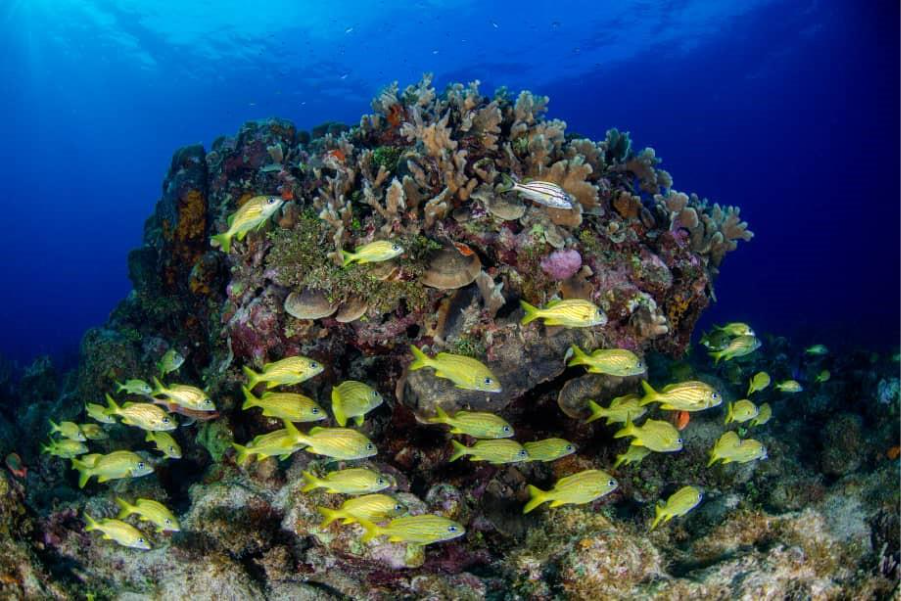
Coral reefs
- Co-chairing the Caribbean node of the Global Coral Reef Monitoring Network (GCRMN) and support collaboration with the International Coral Reef Initiative (ICRI), including finalising and publishing the Report on the Status and Trends of Coral Reefs of the Caribbean: 1980–2024 and contribute to the Status of Coral Reefs of the World 2025 report.
- Promotion and implementation of the Regional Guidelines for Coral Reef Biophysical Monitoring.
- Implementation of capacity-building activities such as workshops and small grant funding for fieldwork.
- Development of early warning protocol for coral bleaching or coral diseases, in particular Stony Coral Tissue Loss Disease.
- Contribute to the Caribbean Red List of Ecosystems (RLE) assessment process in collaboration with IUCN.
EBM Application in the Region
- Regional Strategy and Action Plan for the Valuation, Protection and/or Restoration of Key Marine Habitats in the Wider Caribbean (2021-2030), provides a framework for supporting countries in valuing, protecting, and restoring coral reefs, mangroves, and seagrasses.
- Assist governments and partners in capacity building, communicating best practices, and developing decision support tools under EBM, using lessons learned from earlier EBM / DSS (Decision Support Systems) type projects.
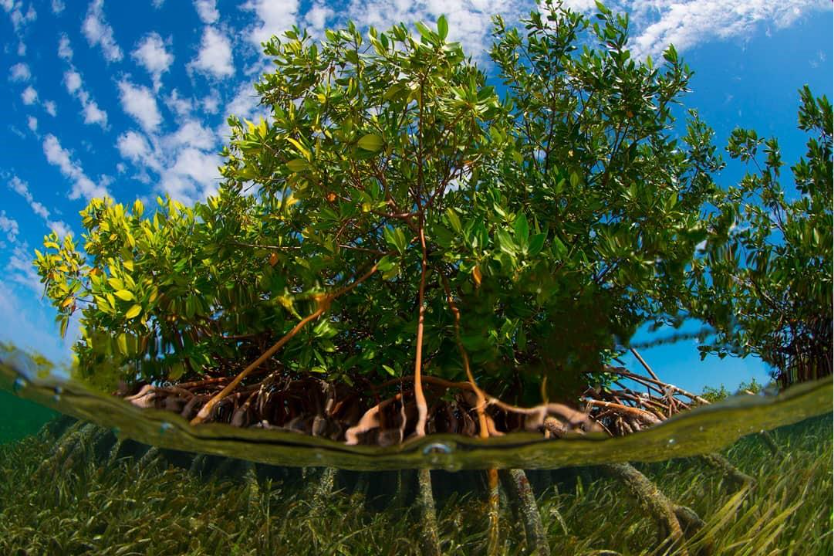
Mangroves
- Support implementation, in collaboration with partners like Pew Charitable Trusts or national authorities, of technical workshops on effective mangrove management.
- Promote technical resources and peer exchange to improve ecosystem valuation, monitoring, and sustainable financing.
- Coordination with interested Parties on developing proposals for grants to identify synergies with the sub-programme, particularly with respect to the 37 SPAW listed sites.
- Implement site-based projects supporting local mangrove and coastal ecosystem initiatives.
- Support the development of national policies or regulations promoting sustainable use and conservation of mangroves and associated habitats.
- Facilitate ecosystem mapping to identify priority areas for restoration and conservation.
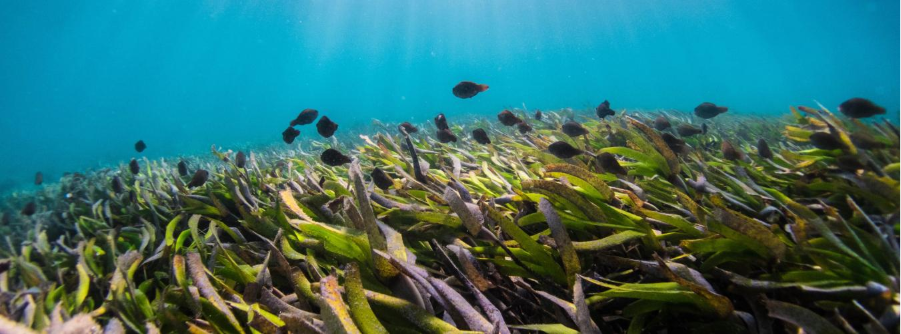
Seagrasses
- Build regional capacity by training local experts in restauration techniques supporting technical workshops led by partners and national authorities.
- Advance research on passive and active restauration methods and assess the ecosystem services provided by seagrass meadows, which are vital for coastal protection, carbon storage, and fisheries.
- Collect local knowledge and challenges through online and in-person consultations and organize regional workshops to share experiences and best practices.
- Support the development of national policies or regulations promoting sustainable use and conservation of seagrass beds.
Sargassum
- Supporting scientific research with partners like CERMES, IOCaribe, and GEO Blue Planet to improve forecasting, monitor biodiversity and public health impacts, and update the regional Sargassum White Paper.
- Increasing knowledge sharing and awareness through the Sargassum Information Hub and projects such as SargCoop II, alongside partnerships with universities.
- Improving sustainable financing by exploring funding opportunities and addressing funding gaps.