

A Global Message, A Caribbean Reality
On International Day of Zero Waste 2026, the global focus turns to reducing waste—this year with particular attention to food waste and more sustainable consumption patterns. In the Wider Caribbean Region, this is not an abstract goal. It is a daily reality across our coastlines and communities.
For many Caribbean communities, this is not just an environmental issue—it affects daily life, from fisheries to food security to the quality of coastal spaces people depend on.
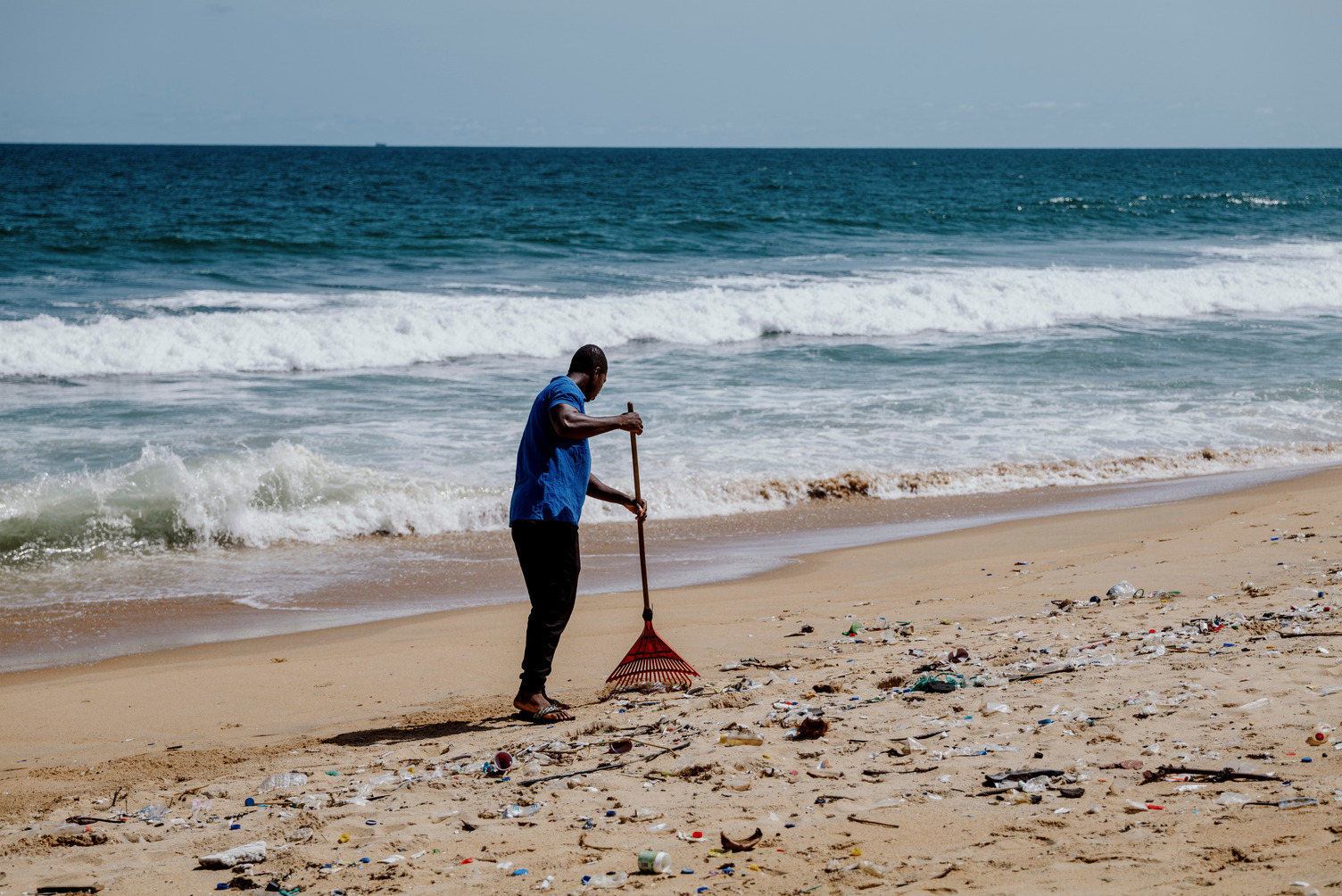
From plastics washing ashore to growing pressure on landfills and coastal ecosystems, waste is affecting livelihoods, public health, and key economic sectors such as tourism and fisheries. Globally, an estimated 80 per cent of marine pollution originates from land-based sources—underscoring the scale of the challenge and the opportunity to act.
This is where the Cartagena Convention, and in particular its Land-Based Sources (LBS) Protocol, provides a critical regional framework—supporting countries to prevent, reduce and control pollution at source, before it reaches the Caribbean Sea.
From Managing Waste to Preventing It
Across the region, the approach to waste is evolving. Countries are moving beyond traditional waste management toward reducing waste generation, improving resource efficiency, and advancing circular economy solutions. This shift—reflected in decisions and priorities under the Convention—is central to achieving long-term impact.
Through the Regional Action Plan for Marine Litter and the Caribbean Regional Node for Marine Litter, co-hosted with the Gulf and Caribbean Fisheries Institute (GCFI), countries are strengthening coordination, sharing practical experience, and aligning action at the regional level.
Cities Driving Change: LAC Cities Project
Cities are playing an increasingly important role in this transition.
The Global Environment Facility (GEF)-funded Reduce marine plastics and plastic pollution in Latin American and the Caribbean cities through a circular economy approach (GEF LAC Cities) Project, implemented under the Cartagena Convention, is supporting six cities—Kingston, Montego Bay, Cartagena, Barranquilla, Panama City and Colón—to redesign how plastics are used and managed. The project is helping cities develop circular economy policies, engage the private sector in reducing unnecessary plastics, and strengthen collection, recycling and local value chains.
A key milestone has been the launch of the Intercity Network on Plastics Circular Economy in Latin America and the Caribbean, connecting these cities to exchange solutions and scale impact. The network is expected to expand to additional cities in the coming months.
Now in the implementation phase, the project is demonstrating how city-level leadership can drive systemic change and deliver measurable reductions in marine pollution over time.
Scaling Action Across Countries: PROMAR
At the regional level, the Prevention of Marine Litter in the Caribbean Sea (PROMAR) Project, financed by the Government of Germany through the Federal Ministry for the Environment, Nature Conservation, Nuclear Safety and Consumer Protection (BMUV) and implemented in partnership with German NGO adelphi and the UNEP Cartagena Convention Secretariat, is supporting countries across the Wider Caribbean to reduce plastic leakage into the marine environment.
PROMAR combines policy reform and dialogue—including Extended Producer Responsibility (EPR)—with national and community-level pilot actions, capacity building and behaviour change initiatives, and monitoring systems to better understand and track marine litter.
Across all participating countries, the project is moving firmly into on‑the‑ground implementation, with growing community involvement, expanded data collection, and early pilot actions taking shape. Suriname led large‑scale engagement efforts through school activities, expos, and nationwide cleanups, while advancing key regulatory and technical milestones. Guyana strengthened policy development and community outreach, supported by school programs, beach cleanups, and high‑impact litter‑trap results. Trinidad and Tobago completed major baseline and policy outputs and continued extensive sampling and cleanup activities. The British Virgin Islands advanced its circular economy planning, expanded beach sampling, and confirmed its pilot site, while St. Kitts and Nevis pushed forward on recycling initiatives, enforcement planning, and public awareness campaigns. Together, these efforts reflect a clear transition from planning to action, with concrete results emerging across the region.
Strengthening Regional Action under the LBS Protocol
These efforts form part of a broader programme of work under the LBS Protocol, as reflected in recent Conference of Parties (COP18) and Scientific and Technical Advisory Committee (STAC) discussions and reporting cycles.
Over the period 2023–2025, countries and partners have strengthened engagement under the LBS Protocol, expanded technical cooperation, and advanced regional action on marine litter, wastewater, and nutrient pollution—while deepening collaboration with regional and international partners.
Looking ahead to the 2026–2027 Work Plan, the emphasis is clear: scaling implementation and delivery on the ground; strengthening data, monitoring and reporting systems; advancing integrated solutions to marine litter, wastewater and nutrients; and expanding partnerships and mobilizing resources.
This reflects a broader shift highlighted in COP-18 discussions—from project-based interventions toward more integrated, programmatic and sustained regional action.
Message from the Coordinator
“For the Caribbean, zero waste is not a slogan—it is a necessity. Most of the pollution affecting our coasts starts on land, which means it is within our control to change it. Through the Cartagena Convention and the LBS Protocol, we are supporting countries to act earlier, work together, and move toward practical circular solutions that protect both livelihoods and ecosystems.”
— Christopher Corbin, Coordinator, Cartagena Convention Secretariat
Looking Ahead: From Commitment to Action
This year’s International Day of Zero Waste draws particular attention to food waste and sustainable consumption—challenges directly relevant to Caribbean communities, where food loss along supply chains, household waste, and unsustainable consumption patterns contribute to broader waste streams reaching the sea. Addressing these upstream sources is integral to the zero waste agenda in the region.
Zero waste is not about eliminating waste overnight. It is about changing systems, behaviours and expectations over time. Looking ahead, two concrete milestones will signal regional progress: the expansion of the Intercity Network on Plastics Circular Economy to new cities, and the scaling of PROMAR Phase II delivery across participating countries through 2026–2027.
For the Caribbean, the priorities are clear:
- Reduce waste at source
- Promote circular economy approaches
- Strengthen national and local systems
- Scale regional cooperation and partnerships
If this transition is sustained, the benefits go far beyond waste reduction. It strengthens resilience, protects livelihoods, and safeguards the Caribbean Sea—ensuring it continues to support present and future generations.