

From Commitment to Delivery: The Wider Caribbean’s Ocean Moment
The Wider Caribbean Region has no shortage of commitments. Regional agreements are in place. Policies have been adopted. Targets have been set. Yet implementation has not kept pace. Marine pollution persists. Wastewater management remains inadequate. Coral reefs continue to decline. Mangroves continue to be destroyed. The gap between what has been agreed and what is done on the land and more importantly how it impacts on the water remains one of the defining governance challenges facing the region.
The issue is not commitment. It is delivery.
On average, approximately 75 to 85% of domestic wastewater enters the Caribbean Sea partially treated or untreated. More than 320,000 tonnes of plastic waste remain uncollected each year. Coral cover has declined by approximately 48% over recent decades, with negative consequences for fisheries, tourism revenues, and the coastal protection that millions of people depend on. These are not isolated environmental failures. They are structural gaps with compounding economic costs. The Wider Caribbean region can no longer afford to treat them as secondary concerns.
The Caribbean Sea is not only environmentally rich, it is economically central. The region’s ocean economy is valued at approximately US$407 billion, with tourism alone contributing around US$85 billion annually. Degradation of marine ecosystems therefore has significant economic consequences. It threatens livelihoods, food security, and long-term development prospects. Healthy oceans regulate climate, sustain biodiversity, support fisheries, and reduce the impacts of storms and sea-level rise. Marine Protected Areas can deliver these benefits, but only when they are effectively managed, properly financed, and support by strong institutional, policy and legal frameworks.
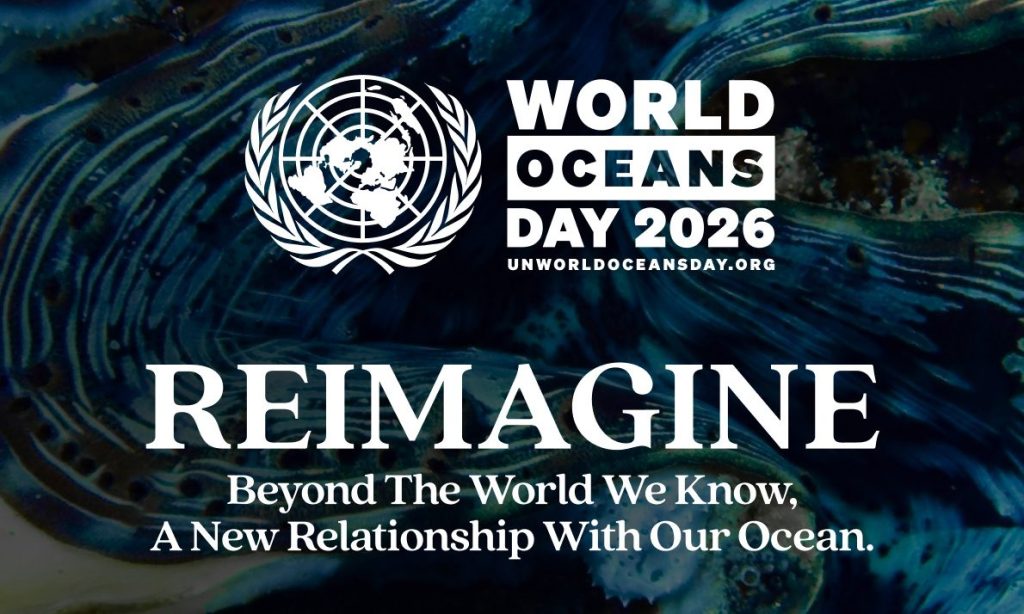
This World Ocean Day comes at a defining moment for the Caribbean. The 2026 Action Theme “Strong Marine Protected Areas for Our Blue Planet” and the UN Theme "REIMAGINE: Beyond the world we know, a new relationship with our ocean" both resonate deeply with the region’s realities. It builds on global commitments to protect at least 30 percent of the ocean by 2030 and aligns with the recent entry into force of the High Seas Treaty (BBNJ Agreement), which extends the framework for ocean governance beyond national waters.
For the Wider Caribbean Region, however, the message is more immediate: strong protection within national waters is a prerequisite for safeguarding regional economies and shared ecosystems. Global frameworks set the direction. Outcomes are determined nationally and locally.
Proven solutions exist. The Wider Caribbean is rich in experience and expertise from innovations in wastewater treatment and solid waste management to community-based approaches to ecosystem restoration and marine protected area management. The challenge lies in how implementation is coordinated, upscaled and sustained. Too often, action is fragmented across institutions, dependent on short-term project cycles, and insufficiently embedded in national development and planning systems.
We need a paradigm shift: aligning marine protection and conservation with national investment frameworks, securing sustained financing beyond pilot projects, establishing clear accountability for results, enhancing partnerships with local communities and the private sector, and building the monitoring systems that enable adaptive management over time.
Progress is being made. Building on the outcomes of the Third Regional MPA Networks Meeting held in October 2025, the Cartagena Convention Secretariat through the SPAW Protocol and platforms such as the Caribbean Marine Protected Area Management Network and Forum (CaMPAM) has worked with governments and partners to strengthen regional coordination, reduce duplication of effort, and promote peer-to-peer exchanges among MPA practitioners across the region. Critically, these efforts have prioritized inclusive participation, engaging local communities, women, and youth as essential partners in marine protection recognizing that effective MPA management depends not only on policy frameworks, but on the people who live and work within and around protected areas.
The task now is to build on that momentum moving from coordination to implementation, and from regional agreements to measurable outcomes at the national and local level.
World Ocean Day reminds us that ocean protection is a shared responsibility for coastal and inland communities, governments, the private sector, and civil society alike. In the Wider Caribbean, it is also a shared opportunity: to demonstrate that a region whose future depends on the sea can govern it with the seriousness that the future demands.
The region has demonstrated that it can agree on joint priorities.
The next phase is demonstrating that we can deliver them.