

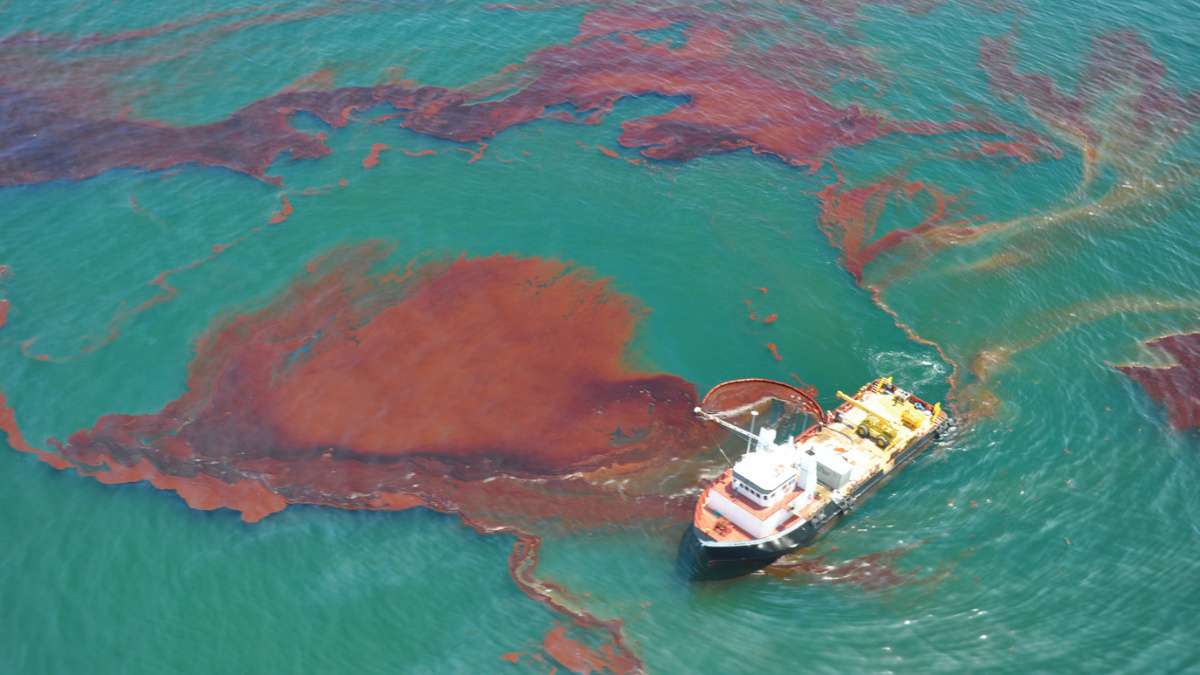
On July 19th 1979, the waters off Tobago's coast became the setting for a now-historic disaster. The supertankers Atlantic Empress and Aegean Captain collided, releasing nearly 287,000 tonnes of crude oil into the Caribbean Sea. At the time, this was the largest tanker-based oil spill in history, and its devastation echoed across the Caribbean. Fisheries collapsed, tourism was threatened and the livelihoods of communities relying on marine and coastal resources were put at risk.
At the time, this was the largest tanker-based oil spill in history, and its devastation echoed across the Caribbean. Fisheries collapsed, tourism was threatened and the livelihoods of communities relying on marine and coastal resources were put at risk.
The incident illustrated both the vulnerability and the interconnectedness of Caribbean states, at a time when the UN Environment Programme (UNEP) was laying the foundations for co-operation through its nascent Regional Seas Programme.
Read More