

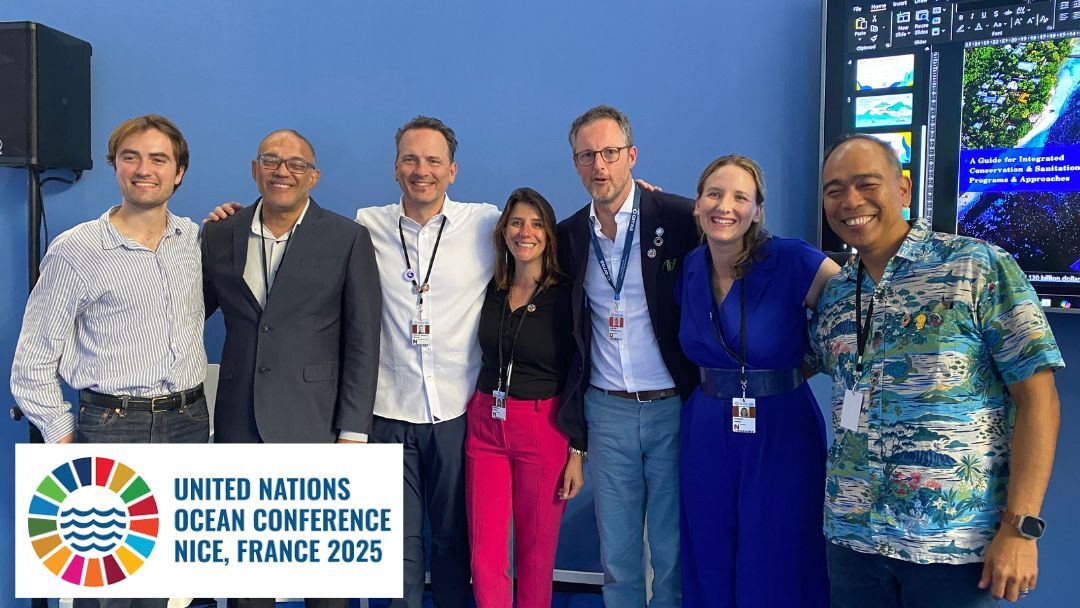
At the recent United Nations Ocean Conference in Nice, France, Christopher Corbin, Coordinator of the UNEP Cartagena Convention Secretariat delivered a powerful message: Sargassum inundations are no longer occasional, with major events reported annually across the Caribbean. from the Mexican Caribbean and Central America to the Dominican Republic, Guadeloupe, Barbados, Grenada, and Colombia.
In May 2025, a record breaking 37.5 million metric tons of sargassum were recorded in the Atlantic threatening marine life, coastal economies and public health across the Caribbean. This is the highest total since monitoring began in 2011. The previous high was 22 million tons in June 2022. This year’s surge marks a ~70% increase .
University of South Florida researchers attribute the recent influx to a combination of climate change, fertilizer runoff, deforestation, and shifts in wind patterns/atmospheric pressure that enhance nutrient upwelling.
What was once a natural part of the ocean ecosystem is now a serious threat—to human health, marine life, and vital economic sectors like fishing and tourism.
Rotting sargassum releases hydrogen sulfide gas, causing respiratory issues and deterring visitors. Tourism losses are in the hundreds of millions, with millions more spent on clean-up. In some coastal areas, property values have declined.
Fisherfolk are also affected—clogged engines, damaged gear, and disrupted habitats threaten both their livelihoods and regional food security.

Even worse, sargassum is smothering coral reefs, mangroves, and seagrasses—ecosystems that protect our coasts and support marine biodiversity.
But there is hope.
The Cartagena Convention Secretariat and Specially Protected Areas and Wildlife (SPAW -Regional Activity Centre (RAC) are proactive. They are advocating and leading the charge with
- Strengthened coordinated regional action plans
- Promoting more widescale early warning systems and risk mapping
- Sustainable nature-based response strategies
- Support for national management and local adaption
- Cross Sector collaboration through the Regional Ocean Coordination Mechanism
Through our Sargassum Working Group, the SPAW and Land Based Protocols (LBS) Protocols, and our new Regional Ocean Coordination Mechanism, we are connecting national priorities with unified regional action.
Chris Corbin’s call to action is clear: “No country can solve this alone. But together we can turn the tide.” Let’s unite for a resilient, biodiverse, Caribbean Sea