

Water is the lifeblood of the Caribbean
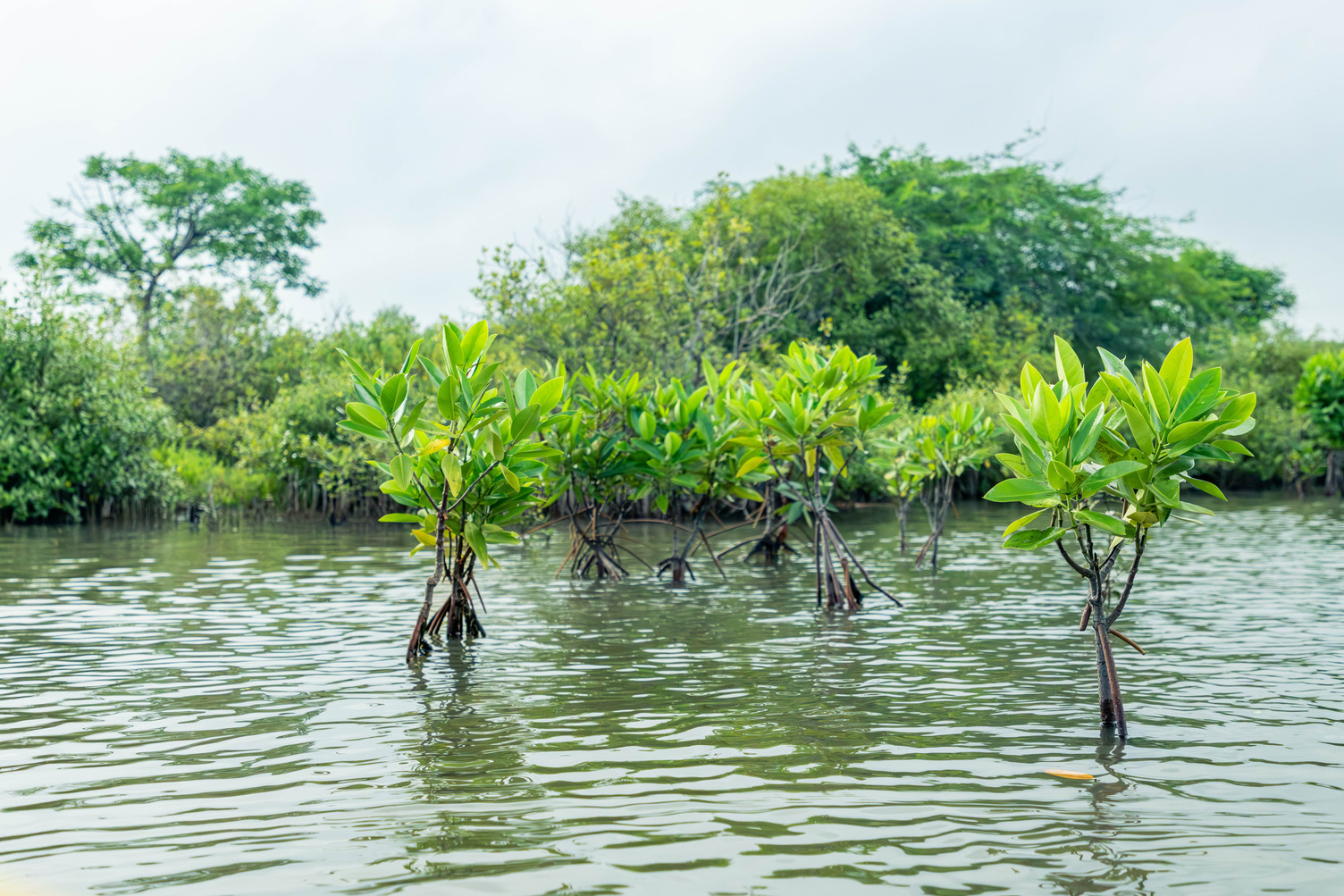
From the highest mountain ridges, watersheds and rivers to wetlands, coastal waters, and coral reefs, the region’s freshwater and marine system flow together as one interconnected whole. What happens on land ultimately shapes the health of the sea. . Protecting water “from ridge to reef” is therefore essential to safeguarding public health, securing livelihoods, and sustaining the natural resources that Caribbean societies rely on every day.
On World Water Day 2026, we recognize the urgent need for sustainable, inclusive, and cooperative water management—especially in a region where communities, economies, and ecosystems are so tightly linked by water.
Across the Wider Caribbean Region, countries are advancing these goals through collaboration under the Cartagena Convention, the only legally binding regional agreement dedicated to protecting and developing the marine environment of the Wider Caribbean.
Tackling Pollution at the Source
Under the Protocol Concerning Pollution from Land-Based Sources and Activities (LBS Protocol), governments are working collectively to address one of the Caribbean’s most persistent environmental threats: pollution originating on land.
This includes:
- Untreated wastewater
- Agricultural runoff
- Nutrient pollution
- Plastics and solid waste
- Urban and industrial discharges
These pollutants travel through rivers, groundwater, and coastal waters before reaching the Caribbean Sea—degrading water quality, stressing marine ecosystems, and harming key economic sectors such as tourism and fisheries. The LBS Protocol provides a framework for countries to reduce these pressures and strengthen water resource management across the entire ridge-to-reef continuum.
Delivering Results on the Ground
Collaboration under the Cartagena Convention is generating tangible results that benefit both communities and ecosystems.
IWEco: Restoring Watersheds and Strengthening Ecosystems
Through the Global Environment Facility (GEF) funded Integrating Water, Land and Ecosystems Management in Caribbean Small Island Developing States (IWEco) Project, countries have:
- Restored degraded watersheds and wetlands
- Improved land-use practices
- Reduced sediment, nutrient, and pesticide runoff
- Strengthened national and local capacity for water management
Implemented across ten Caribbean SIDS, the Cartagena Convention Secretariat through the IWEco Project, has helped protect critical habitats that support fisheries, tourism, and community livelihoods—while improving water management planning and ecosystem health.
CReW+: Advancing Wastewater Reform
The GEF funded Caribbean Regional Fund for Wastewater Management (CReW+) is tackling one of the most significant pollution challenges in the Caribbean: untreated or poorly treated wastewater.
Through CReW+, the Cartagena Convention Secretariat is assisting countries in:
- Strengthening national wastewater and sanitation policies
- Developing investment plans for wastewater infrastructure
- Improving treatment systems to protect freshwater and coastal ecosystems
These actions directly improve water quality, reduce pollution loads, and support healthier marine environments.
Complementary initiatives being advanced by the Cartagena Convention Secretariat across the Wider Caribbean include:
- Reducing marine litter
- Controlling nutrient pollution
- Enhancing environmental monitoring
- Promoting integrated, ecosystem-based management
Together, these efforts are helping to protect coral reefs, safeguard fisheries, improve community water quality, and strengthen the resilience of coastal economies.
Strengthening Regional Action for the Future
Long-term protection of the Caribbean’s water resources requires sustained commitment from governments, communities, scientists, and regional institutions.
Through the Cartagena Convention, 28 Contracting Parties work together to:
- Strengthen environmental governance
- Share scientific information
- Implement practical, region-wide solutions to protect water quality
As emphasized by Christopher Corbin, Coordinator of the Cartagena Convention Secretariat:
“In the Caribbean, protecting water means protecting the entire continuum from our watersheds and rivers to the sea. Through the Cartagena Convention, countries of the Wider Caribbean are working together to reduce pollution, strengthen environmental management, and ensure that our water and marine resources remain healthy and productive for present and future generations.”
On World Water Day 2026, the Wider Caribbean Region reaffirms its commitment to safeguarding water resources—protecting every link in the chain from ridge to reef.
By supporting science-based policies, investing in sustainable infrastructure, and strengthening regional cooperation, Caribbean nations are helping ensure that water remains a source of life, resilience, and prosperity for generations to come.