

Threatened and Endangered Species
Conservation of Threatened and Endangered Species
The Wider Caribbean Region (WCR) is home to a diverse range of species including marine mammals, sea turtles and coral species, many of which are considered threatened or endangered. Threats currently facing coastal and marine species include unsustainable fishing practices and gear use, coastal developments and pollution.
Guidelines
Recognizing of the critical importance of safeguarding biodiversity, Articles 10, 11 and 21 of the SPAW Protocol call for the implementation of programmes in order to protect the species listed under three Annexes:
- Annex I - Strictly protected species of marine and coastal flora
- Annex II - Strictly protected species of marine and coastal fauna
- Annex III - Species of fauna and flora that may be used sustainably, under regulated management
Over 300 species are now listed under the SPAW Protocol.
Recent Additions to the SPAW Species List:
- SPAW COP10, Roatán, Honduras (2019):
- Annex II: Largetooth Sawfish (Pristis pristis)
- Annex III: Silky Shark (Carcharhinus falciformis)
- SPAW COP12, Aruba, The Netherlands (2023):
- Annex II: Whale Shark (Rhincodon typus)
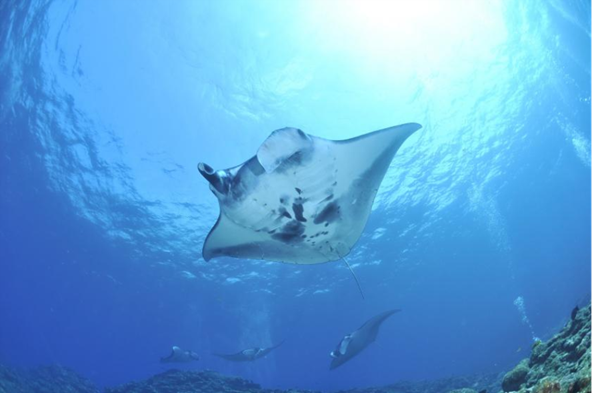
- Annex II: Giant Manta Ray (Mobula birostris)
- Annex III: Caribbean Reef Shark (Carcharhinus perezi)
- Annex III: All Parrot Fish species
Main Objectives:
- Facilitate regional consensus on priorities for the conservation and management of threatened and endangered species, including migratory species, as well as those species not yet threatened but requiring preventative action.
- Support governments and partners in implementing priority activities of existing species recovery and management plans developed under the framework of SPAW.
- Assist the development of adequate management plans and programmes for priority species of regional concern, including those of economic importance.
- Address the growing threat of invasive alien species (IAS) that could negatively impact on SPAW species and WCR habitats, especially marine or coastal IAS.
- Promote and assist with the development and implementation of guidelines on species conservation and management developed under the framework of SPAW.
Activities during the 2026-2027 biennium:
Marine Mammals
- Letter of Intent was signed between the Secretariat and the International Whaling Commission (IWC) to improve awareness of, collect data on, and mitigate the effects of, ship strikes and entanglements on whale and dolphin species in the region. A joint work plan between SPAW and IWC is subject to adoption by the SPAW COP 13.
- Supporting CAMAC Phase II (Caribbean Marine Megafauna and Anthropogenic Activities), co-executed by SPAW-RAC, to further strengthen the marine mammal stranding network, funded by EU Interreg Caribbean and project partners. Project activities will involve conducting socio-economic and environmental assessments on fisheries and supporting implementation of the Marine Mammal Action Plan (MMAP) in the WCR.
- Strengthening collaboration with the Caribbean Biological Corridor (CBC) initiative as part of the CBC Ocean 2030 Strategic Plan. Through technical and information support and coordination with Contracting Parties, this plan will improve knowledge-sharing and joint outreach efforts relating to megafauna conservation.
- Promote collaboration for the protection of manatee populations with the Clearwater Marine Aquarium Research Institute to support the development the Wider Caribbean Manatee Alliance (WCMA).
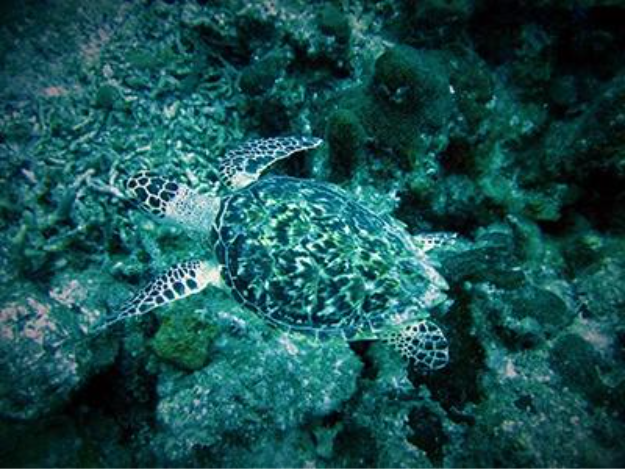
Sea Turtles
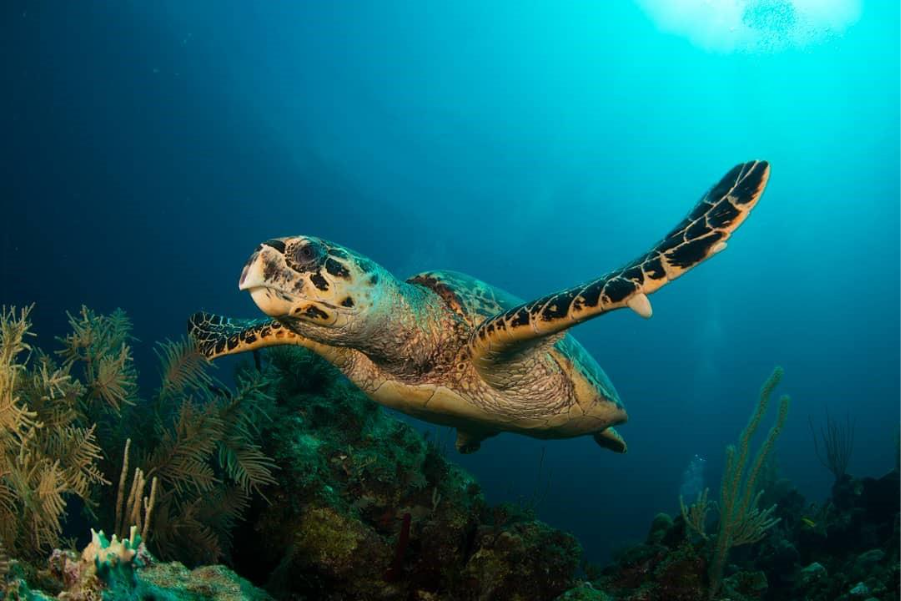
- A comprehensive digital atlas has been developed, documenting over 1,300 sea turtle nesting sites across 45 WCR countries, including Brazil.
- Efforts to support the development of Sea Turtle Recovery Action Plans (STRAPs) in countries that do not have plans, which are essential for conservation and turtle protection.
- Support existing STRAPs through the implementation of national priority actions, in particular the provision of training for educators, law enforcement officers, veterinarians and first responders.
- Letter of intent has been signed with the Inter-American Convention for the Protection and Conservation of Sea Turtles (IAC) on STRAP development and other sea turtle activities.
- Continue to promote standard guidelines and criteria for Index Site monitoring at sea turtle foraging grounds in the WCR and provide training for nesting beach and in-water population monitoring.
- Under CAMAC Phase II, support is being provided to the Wider Caribbean Sea Turtle Conservation Network (WIDECAST) for the establishment of a regional sea turtle stranding response network, strengthening coordinated response, data collection, and capacity building across the WCR.
To date 14 STRAPs have been produced for:
Invasive Alien Species (IAS)
- Efforts to combat IAS in the WCR continue to evolve with a focus on collaborative regional initiatives and enforcement mechanisms, including links with the LBS Protocol and other RACs. A webinar on Unomia stolonifera—an invasive coral species—was organized in collaboration with the Caribbean Biological Corridor and the Atlantic and Gulf Rapid Reef Assessment (AGRRA) initiative.
- To enforce environmental regulations and combat wildlife crime, the Caribbean Wildlife Enforcement Network (CAR-WEN) was established. The network facilitates regional cooperation and aligns with the Convention on International Trade in Endangered Species of Wild Fauna and Flora (CITES).