

From nature-based treatment plants in Panama to wastewater reuse pilots in Trinidad and Tobago — the GEF-funded CReW+ Project has turned regional ambition into on-the-ground results.
Wastewater is one of the Caribbean's most persistent environmental threats — discharged into coastal waters; it can degrade coral reefs, contaminate fisheries, and undermine the coastal economies that millions of people depend on.
However, wastewater is not only a challenge — it is also a valuable and largely untapped resource. Built on the foundations laid by its predecessor, GEF CREW, The CReW+ Project was built on the conviction that the region already had the capacity to improve its relationship with wastewater. What was missing was not the political will, but the right mix of tools, financing, and governance structures to turn commitment into action.
Through targeted support, CReW+ helped 18 countries across the Wider Caribbean Region address long‑standing gaps in integrated water and wastewater management, moving the region closer to more resilient, sustainable water systems.
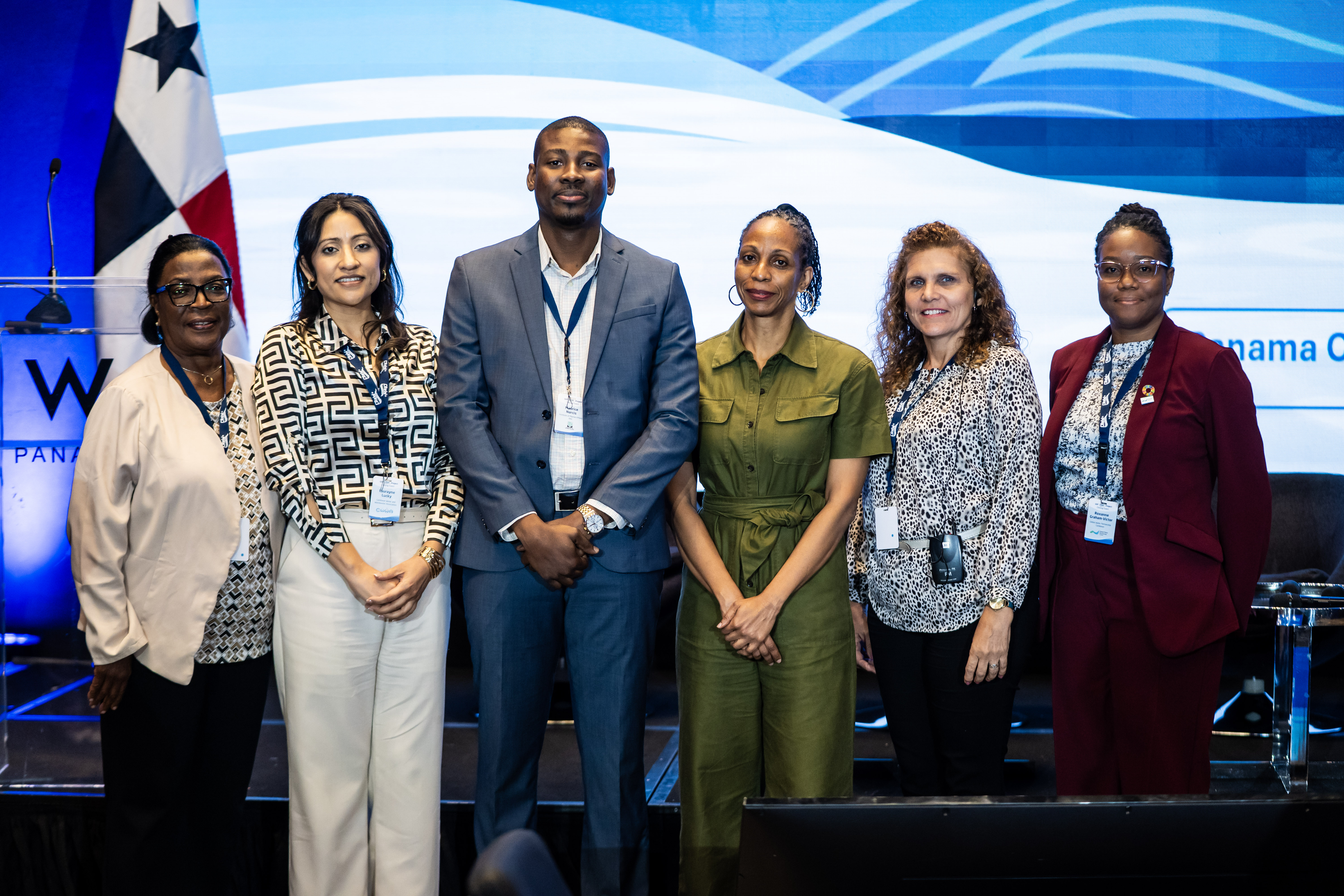
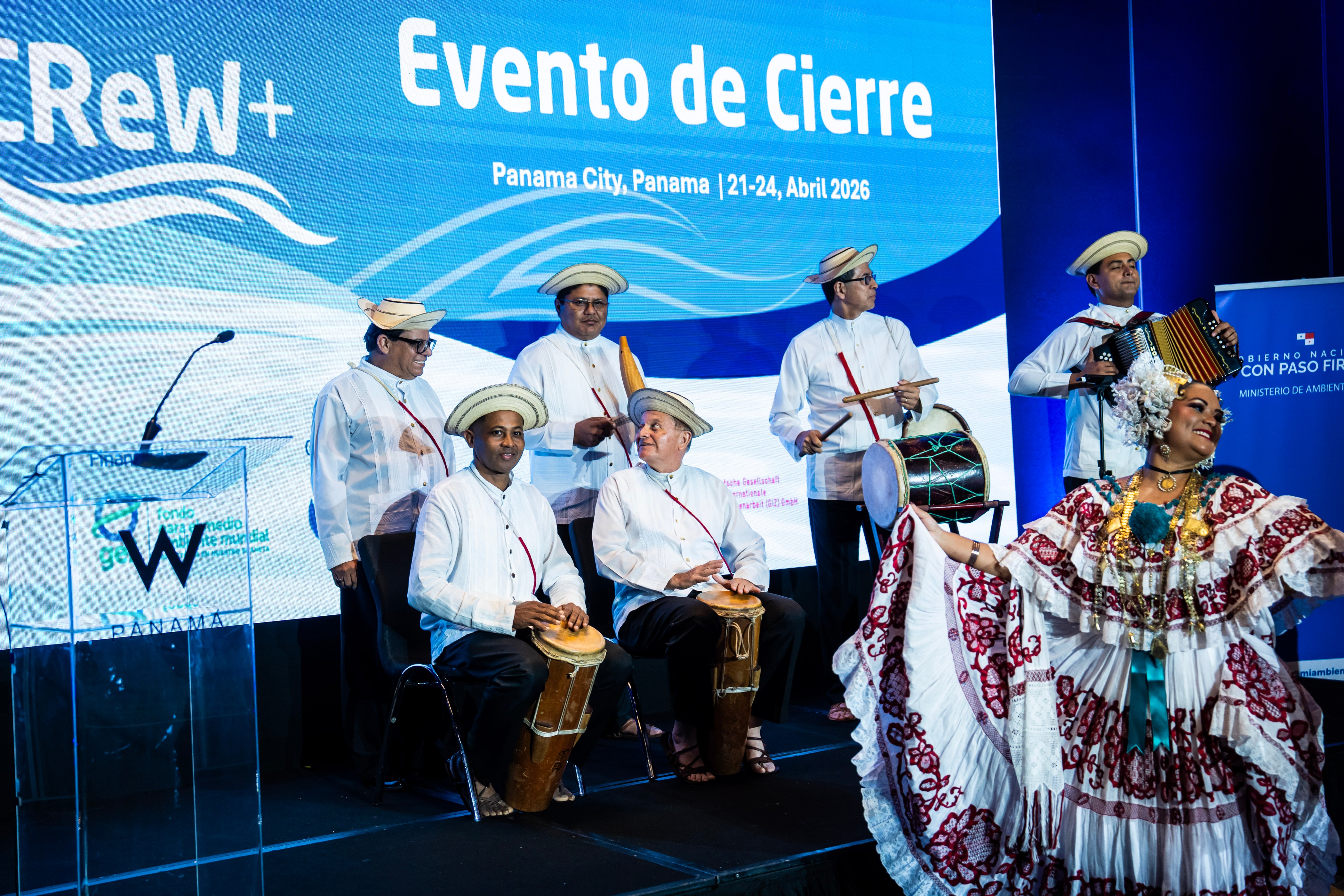
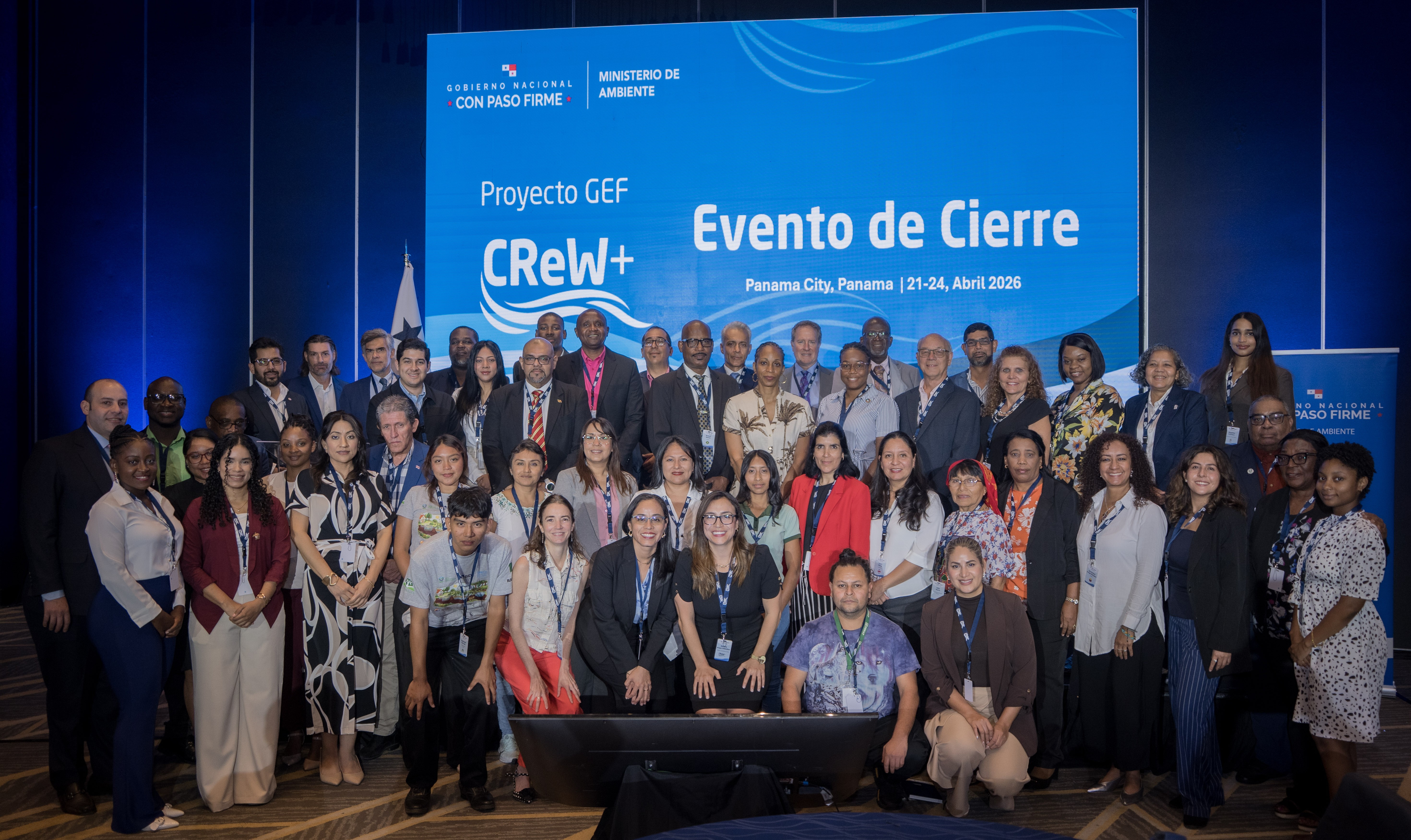
That conviction and support found its culmination in Panama City from 21 to 24 April 2026, where governments, regional institutions, development partners, civil society, and a new generation of water leaders gathered to take stock of a legacy that now stretches from community treatment plants to national policy frameworks across the Wider Caribbean.
"Wastewater management is not only a technical problem. It is also a governance problem — and CReW+ has helped the Caribbean build the institutions to solve it."
What the Numbers Cannot Capture — But the Countries Can
The most compelling evidence of CReW+'s impact came from the testimonials of the project countries themselves. The closing event featured direct exchanges between national teams, giving concrete shape to what regional cooperation has actually produced.
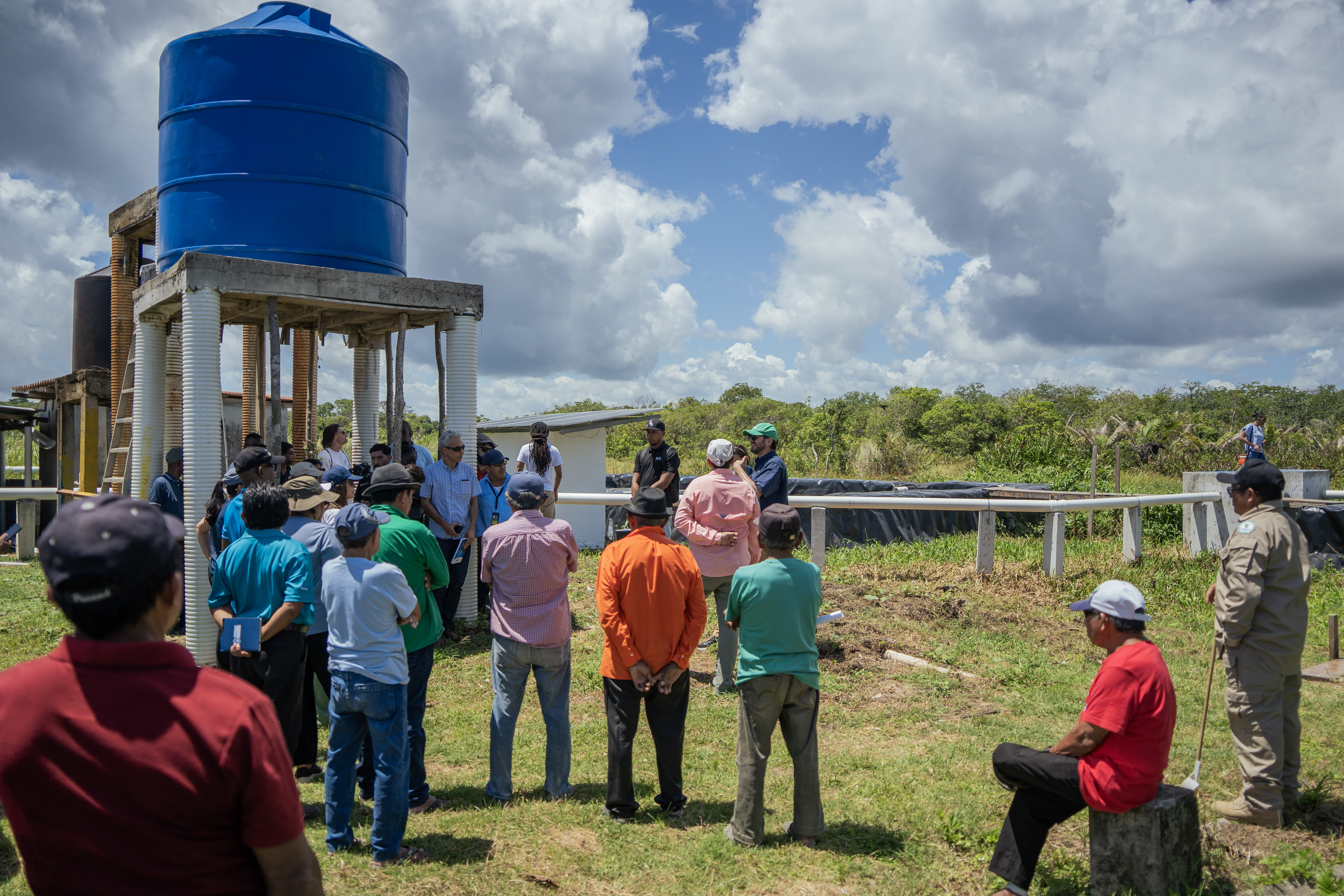
In Panama, the project supported the advancement of a nature-based wastewater treatment plant — an approach that integrates ecosystem function with community need. While in Trinidad and Tobago, the project helped advance wastewater reuse standards and a pilot feasibility study that could reframe treated wastewater not as a disposal problem but as a water conservation resource.
These testimonials are proof-of-concept models — of locally adapted, nationally owned, and designed interventions to be scaled and replicated across the region.
T
The Secretariat's Role: Anchoring the Work in Regional Law
As a co-executing partner, the Cartagena Convention Secretariat ensured that CReW+ was not simply a technical project, but one embedded in the region's existing environmental governance architecture. Working through the Land-Based Sources of Marine Pollution (LBS) Protocol — the legally binding regional framework for controlling marine pollution from land-based sources — the Secretariat helped align project activities with national obligations and advanced proposals for regional nutrient discharge limits that would reduce the flow of pollutants into Caribbean seas.
This integration matters beyond the life of the project. Governance commitments made through the LBS Protocol carry a durability that project-funded interventions alone cannot guarantee. The Secretariat's contribution was to ensure that CReW+'s most significant technical advances were translated into lasting policy frameworks.
Inclusive Governance: Gender, Youth, and the Leaders Who Come Next
The closing event deliberately looked forward as well as back. Dedicated sessions on gender leadership and youth engagement reflected a core principle embedded in CReW+ from the outset: that durable environmental governance requires the full participation of those most affected by its failures and most invested in its success. Emerging water leaders from across the region took their place alongside senior government representatives — a deliberate signal of where the Caribbean's wastewater governance capacity is heading.
The Road Ahead: CReW-F and the Financing Imperative
The closing event also marked a transition. CReW-F, the initiative that follows, will build directly on CReW+'s lessons — with a sharpened focus on sustainable financing, institutional strengthening, and regional advocacy. This shift in focus supports the idea that these projects require not just technical solutions, but the economic frameworks and institutional credibility to attract and sustain long-term investment.
Though CReW+ is ending, the work it started — and the standards it set — do not.