

Beyond Designation: Making Marine Protection Work in the Wider Caribbean
International Day for Biological Diversity — Harmony with Nature and Sustainable Development
Christopher Corbin, Coordinator, UNEP Cartagena Convention Secretariat
As the global community reflects on our relationship with the natural world, one reality remains inescapable: despite all our technological advances, humanity is entirely dependent on healthy and resilient ecosystems. Nature underpins our food systems, water security, medicines, energy, shelter, and livelihoods. Living in harmony with nature is not an abstract aspiration. It is the foundation of sustainable development.
In the Wider Caribbean Region, this truth is especially visible through the sea. The region contains approximately 10% of the world’s coral reefs and supports more than 12,000 marine species, including over 1,500 endemic species found nowhere else. The Caribbean Sea supports an ocean economy valued at approximately US$407 billion, with more than 134 million people depending on it. These ecosystems are not only ecologically significant — they are economically foundational.
The region has made steady progress in expanding marine protected areas, aligning with global biodiversity ambitions to conserve at least 30 percent of marine and terrestrial areas by 2030. This progress is meaningful. But designation is only the starting point.
Across the Wider Caribbean, expansion of marine protected areas has not always been matched by effective management. Regional assessments have shown that only approximately 6% of marine protected areas have been effectively managed, reflecting a persistent gap between intention and outcome. This is not simply a resource issue. It reflects structural challenges — fragmented mandates, limited enforcement capacity, and insufficient integration into national development planning. The consequences are already visible: coral reefs in the region have declined by approximately 48% since 1980, with direct implications for fisheries productivity, tourism value, and coastal protection. Marine protected areas that are not functioning effectively are not neutral — they represent lost ecological and economic value.
Protection is not defined by boundaries on a map. It is defined by what is sustained within them.
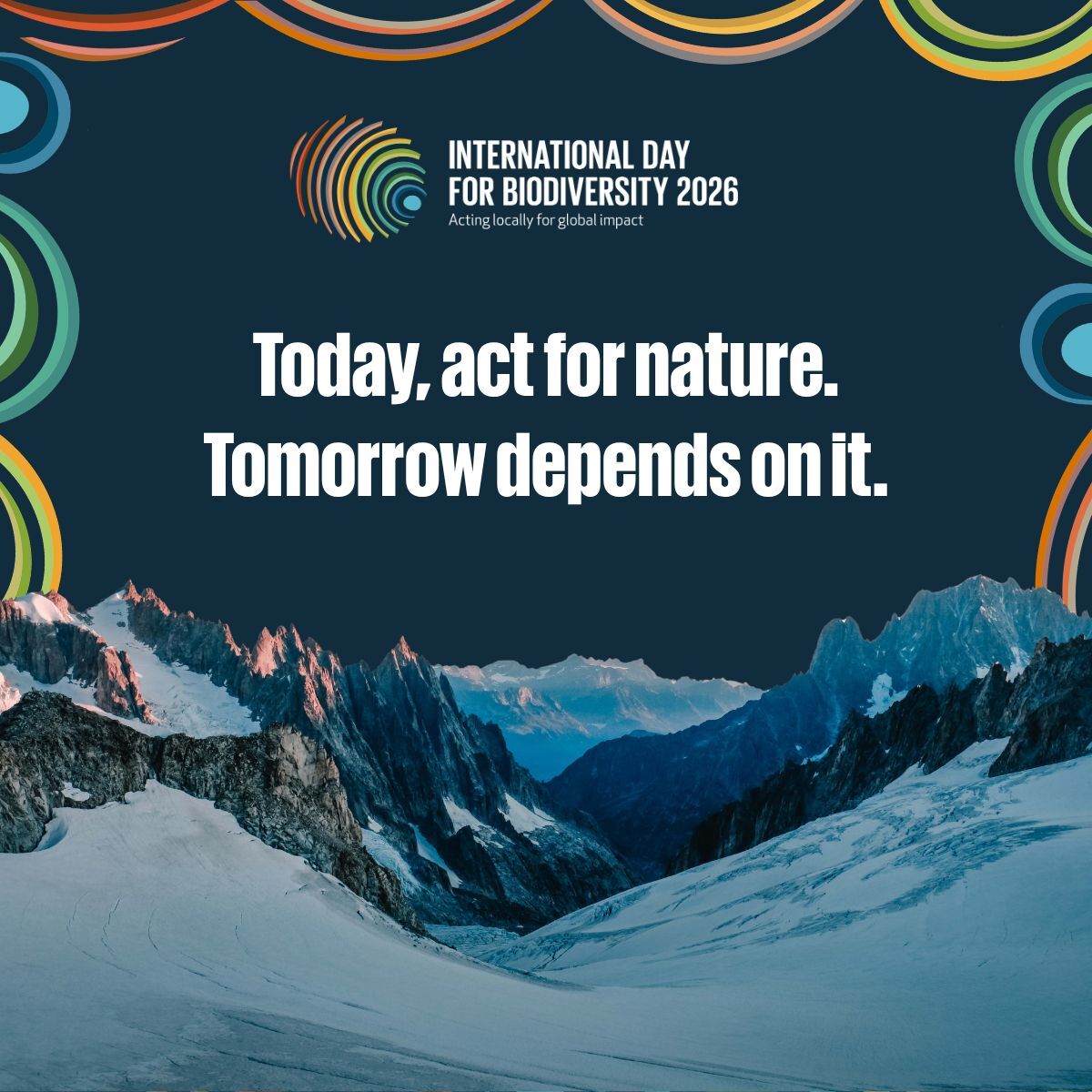
This Biodiversity Day, observed under the theme “Harmony with Nature and Sustainable Development,” calls for exactly this kind of honest assessment. In December 2022, the global community adopted the Kunming‑Montreal Global Biodiversity Framework, committing to a transformative shift in humanity’s relationship with nature — with targets to restore at least 20 percent of degraded ecosystems and significantly reduce the threat of invasive alien species by 2030. Crucially, this global biodiversity agenda is inseparable from the Sustainable Development Goals. Biodiversity loss and development failure reinforce each other: healthy ecosystems support food security, clean water, and climate resilience, while poverty and inadequate infrastructure accelerate environmental degradation. Progress on one depends on progress on the other.
For the Wider Caribbean, the next phase of marine protection is not about expanding coverage alone. It is about ensuring effectiveness — through sustained financing, professional management capacity, science‑based monitoring, and the full integration of marine protected areas into national economic and development strategies. Well‑managed marine protected areas can replenish fish stocks, safeguard coastal communities from storms, support sustainable tourism, and strengthen climate resilience. These are not peripheral gains. They are central to the development futures of small island and coastal states whose economies are inseparable from the health of the sea.
Through the Cartagena Convention and its Protocol Concerning Specially Protected Areas and Wildlife (SPAW), the Cartagena Convention Secretariat works with governments, regional partners, and MPA managers across the Wider Caribbean to help close this gap. By coordinating MPA networks, supporting peer-to-peer exchanges among practitioners, and strengthening the regional frameworks needed to translate political commitments into on-the-ground results, the Secretariat serves as a key platform for advancing effective area-based conservation across the region. That role is more important now than ever — and MPA managers across the region have a critical part to play in making it count.
With 2030 now fewer than four years away, the window for corrective action is narrowing. The near-term targets of the Global Biodiversity Framework and the Sustainable Development Goals will not be met through declarations alone. They require investment, accountability, and sustained political will — from governments, development partners, and the practitioners on the water who make protection real.
The next phase of marine protection will not be defined by how much more area is declared, but by whether existing areas deliver measurable results.
In that outcome lies our ability to truly live in harmony with nature — and to secure a sustainable future for all.