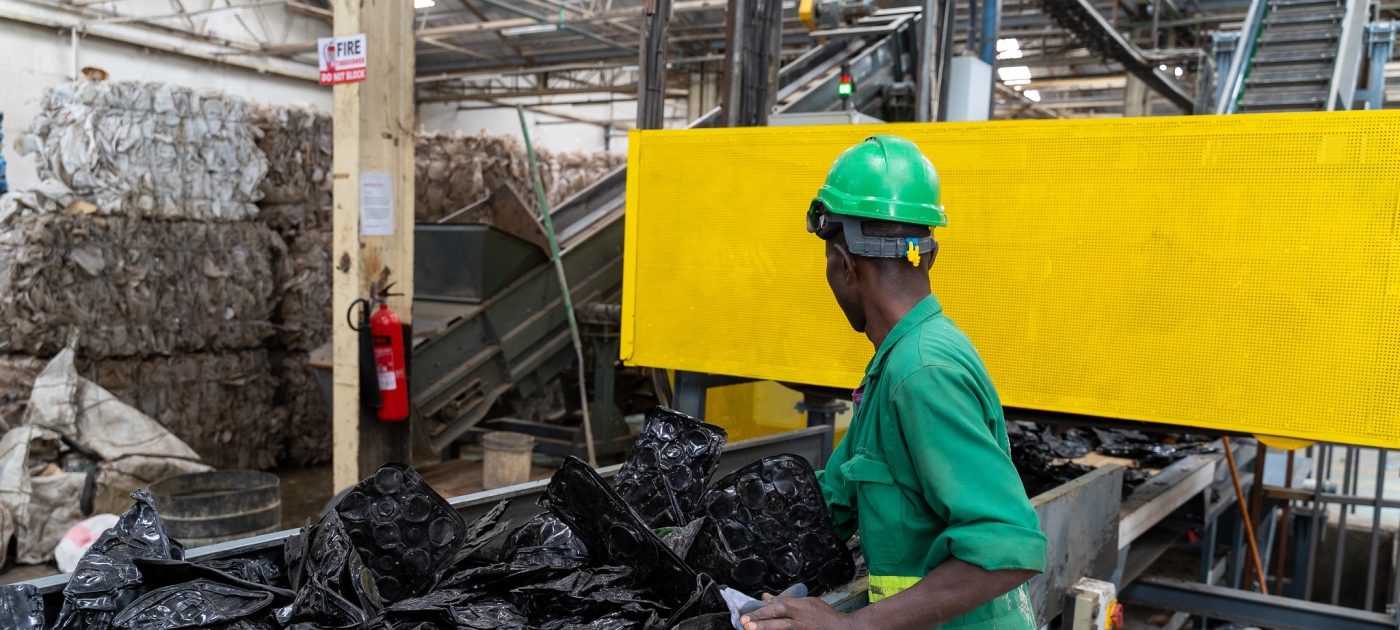
Preventing, controlling and managing pollution is central to improving health, human well-being and prosperity for all.
UNEP drives capacity and leadership in sound management of chemicals and waste while working to improve ways to reduce waste through circularity and pollutants released to the air, water, soil and the ocean.
30 Sep
2025
17:03
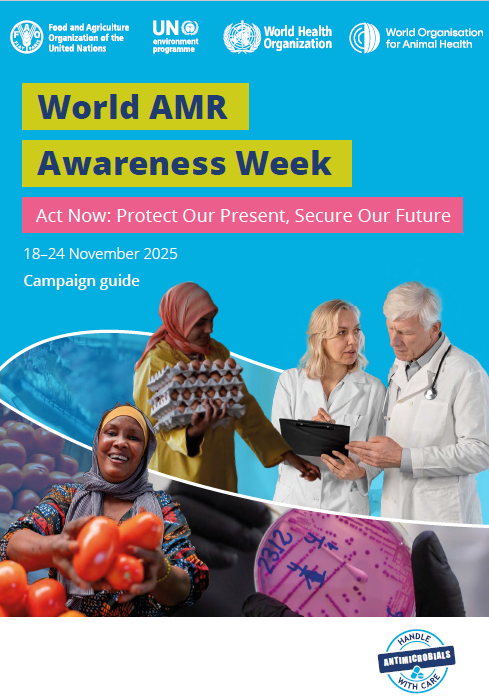
Get involved in World AMR Awareness Week 2025
The Food and Agriculture Organization of the United Nations (FAO), the UN Environment Programme (UNEP), the World Health Organization (WHO) and the World Organization for Animal Health (WOAH) collectively known as the Quadripartite have jointly developed a campaign guide to support and guide this year WAAW. This guide provides key information and practical ideas to help you take part in the global commemoration of WAAW 2025. It includes the campaign theme, guidance on how to participate, and social media information. It also links to WAAW pages of Quadripartite organizations and offers direct access to multilingual communication materials and resources.
The 80th session of the United Nations General Assembly is currently underway, with UNEP hosting and taking part in a number of events. View daily updates to stay informed.
23 Sep
2025
14:00
Join the Briefing on COP6 of the Minamata Convention on Mercury
In preparation for the sixth meeting of the Conference of the Parties to the Minamata Convention on Mercury (COP6), happening in Geneva from 3 to 7 November 2025, participants are invited to sign up for a briefing:
Date: 02 Oct 2025
Time: 10:00–11:30
Venue: International Environment House I, Geneva | Room 3 & Online | Webex
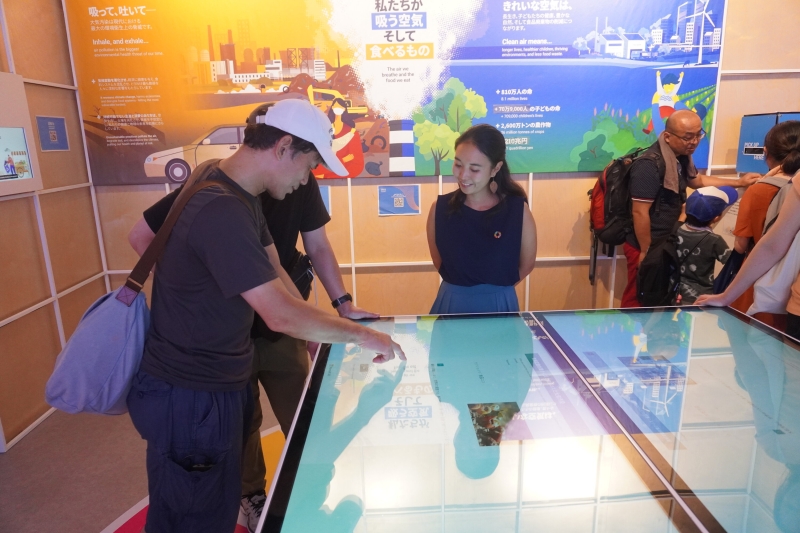
UNEP spotlights Food Waste reduction and Clean Air at Osaka Expo 2025
Credit: UNEP
From 16–21 September, UNEP marked Clean Air Day and the upcoming International Day of Awareness of Food Loss and Waste (IDAFLW) with an interactive exhibit at Osaka Expo 2025, showing how cleaner air and cutting food waste go hand in hand.
The week closed with “A Food Waste Breakthrough: Cutting Emissions by Reducing Food Waste”, highlighting Japan’s achievement as the only country to meet SDG 12.3 ahead of time—cutting food loss and waste by 53% since 2000 and now targeting 56% by 2030. Cities like Yokohama and Osaka shared community innovations, retailers like FamilyMart showcased consumer-focused campaigns, and food banks such as Second Harvest Japan demonstrated civil society impact.
The message was clear: halving food waste is one of the fastest, most effective climate solutions—cutting methane, cleaning our air, and boosting food security.
20 Sep
2025
13:07
#WorldCleanUpDay highlight: How to #BeatPollution in the first place?
The Fund provides financial support ranging from USD 300,000 to 800,000 to help countries and stakeholders address the entire lifecycle of chemicals, from production and use to waste management.
Attend this informational event on 30 September to learn more about the two-stage application process.
16 Sep
2025
12:23
Happy World Ozone Day!
09 Sep
2025
13:18
Collaboration in Wastewater and Environmental Surveillance: One Health & Stakeholder Engagement
Credit: UNEP/Geraldine Deblon
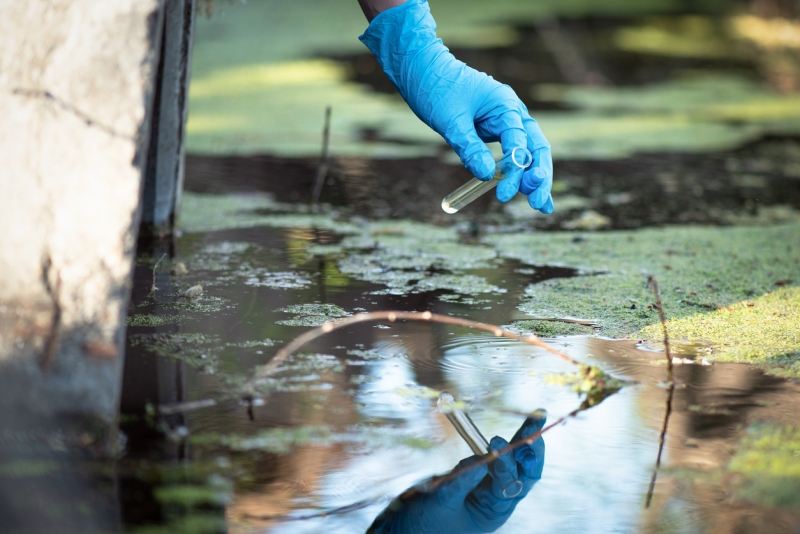
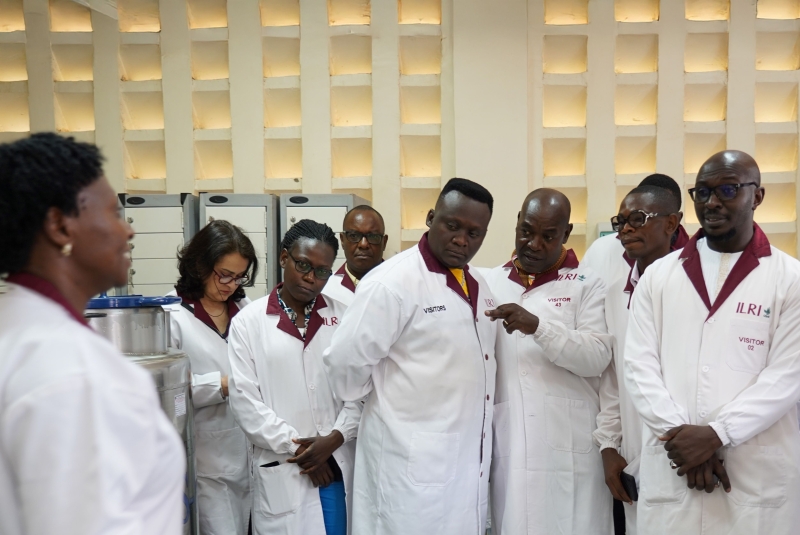
This webinar will explore how different actors—such as professionals working in public health, the environment, or water services—can come together to track, analyse, and respond to potential health risks identified through conducting wastewater and environmental surveillance activities. The One Health approach illustrates the interconnectedness of people, animals, and the environment.
The session will share real-life examples from across Africa, illustrating how collaboration across different sectors can help communities stay healthier and better protect the environment.
Air Quality and Climate Bulletin of WMO highlights vicious cycle
The annual Air Quality and Climate Bulletin of the World Meteorological Organization, published ahead of #CleanAirDay, traces the complex interplay between air quality and climate, highlighting the role of tiny particles called aerosols in wildfires, winter fog, shipping emissions and urban pollution. It stresses the need for improved atmospheric monitoring and more integrated policies to safeguard human and environmental health and reduce agricultural and economic losses.