


News
Type: Story
Showing 201 - 217 of 217
217 results found
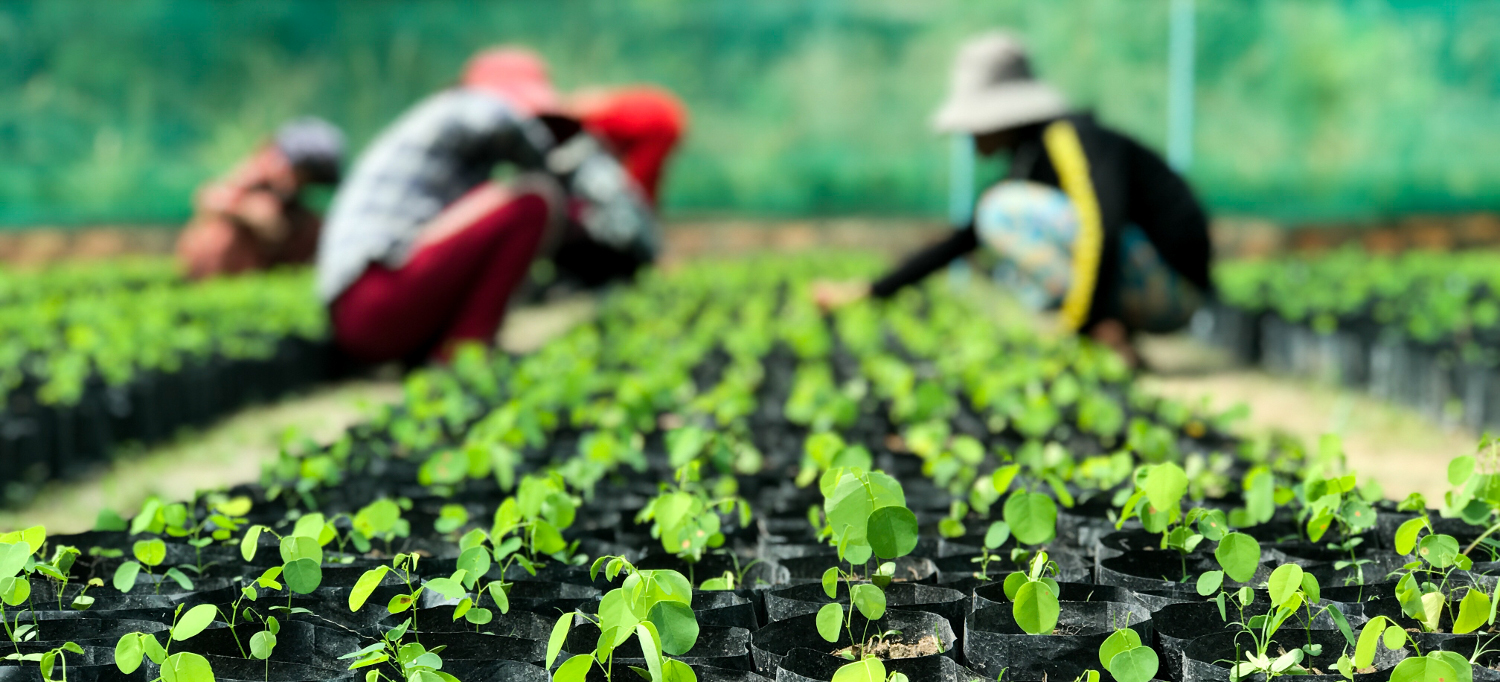
During the 12th century, people came to Cambodia’s Kulen mountain, a sacred place associated with fertility, to cut huge chunks of stone that would have to be hauled down by elephants.
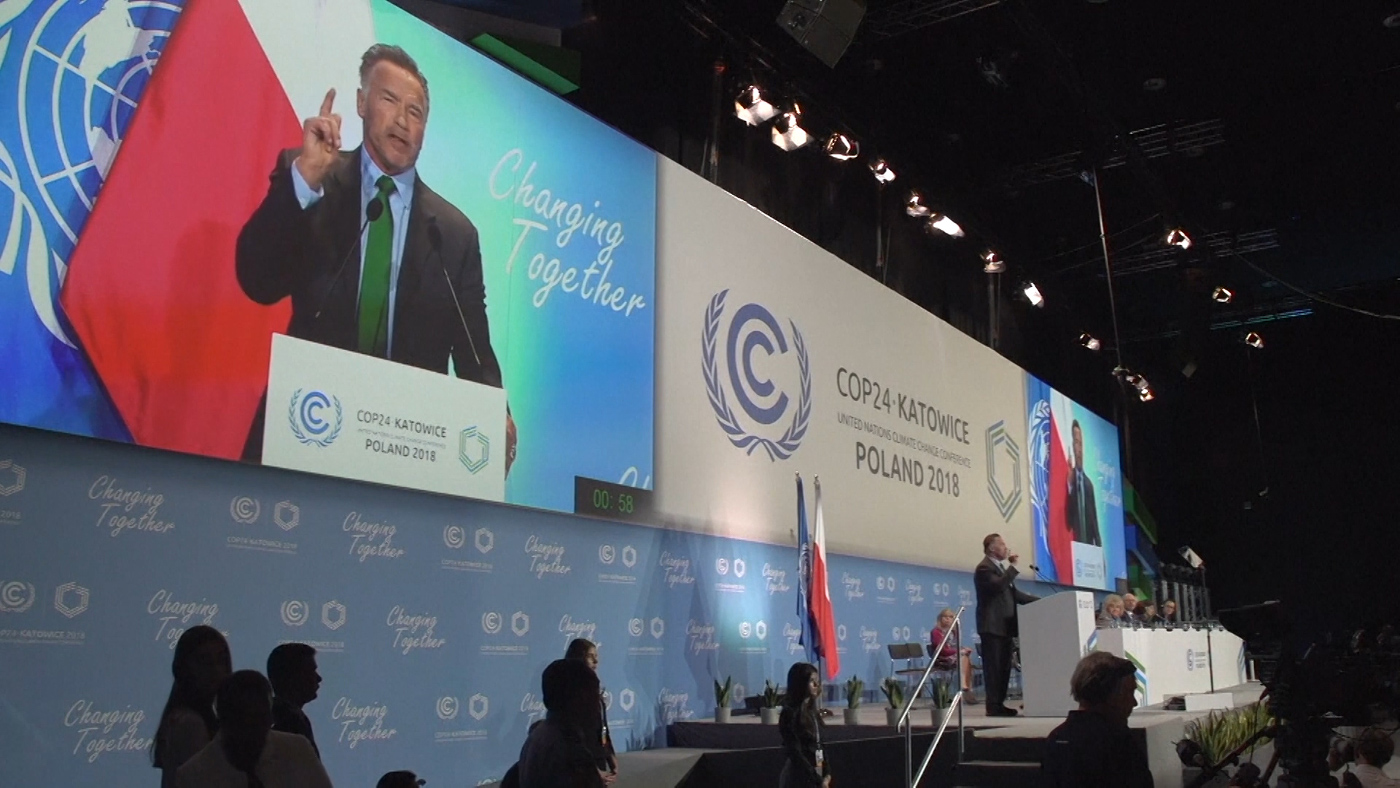
This video shows the outcome of the UN Climate Change Conference in Katowice, Poland. It highlights the climate action that needs to be taken to achieve the climate goals of the Paris Agreement.

You’ve probably never heard of ‘groundtruthing’—the term isn’t widely known outside of scientific circles—but the concept it describes is quietly transforming how communities respond to disasters. Groundtruthing essentially means fact-checking data from satellites that only orbit the earth once a day.
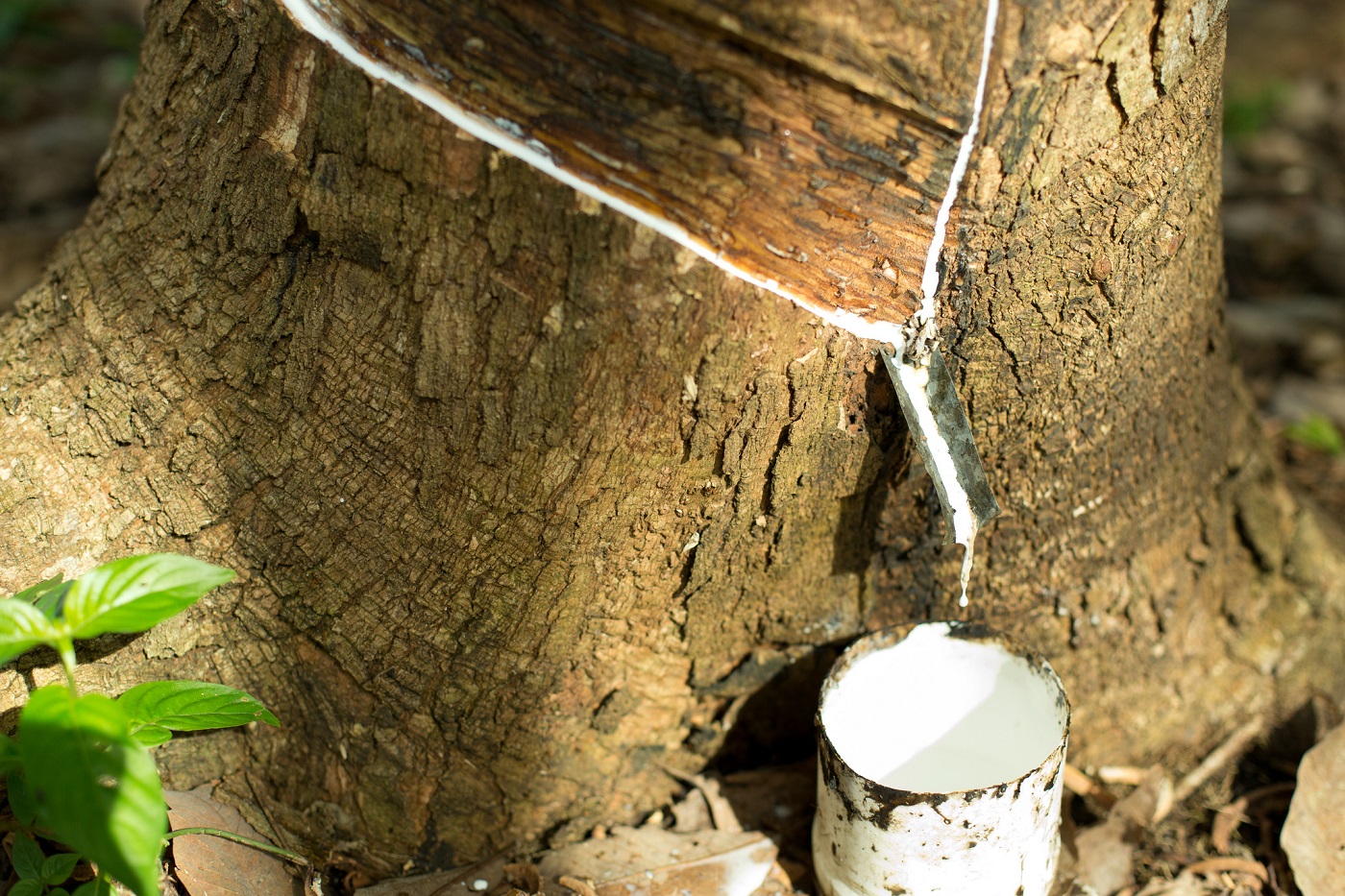
9 April 2026: Recent Indonesian media reports indicate that the Tropical Landscapes Finance Facility (TLFF) has been re-launched. The United Nations Environment Programme (UNEP) confirms that the original TLFF structure and partnerships were concluded in 2023. UNEP has no involvement, association, or affiliation whatsoever with the relaunched TLFF or its current activities, and any past engagement should not be interpreted as an endorsement of this relaunch.
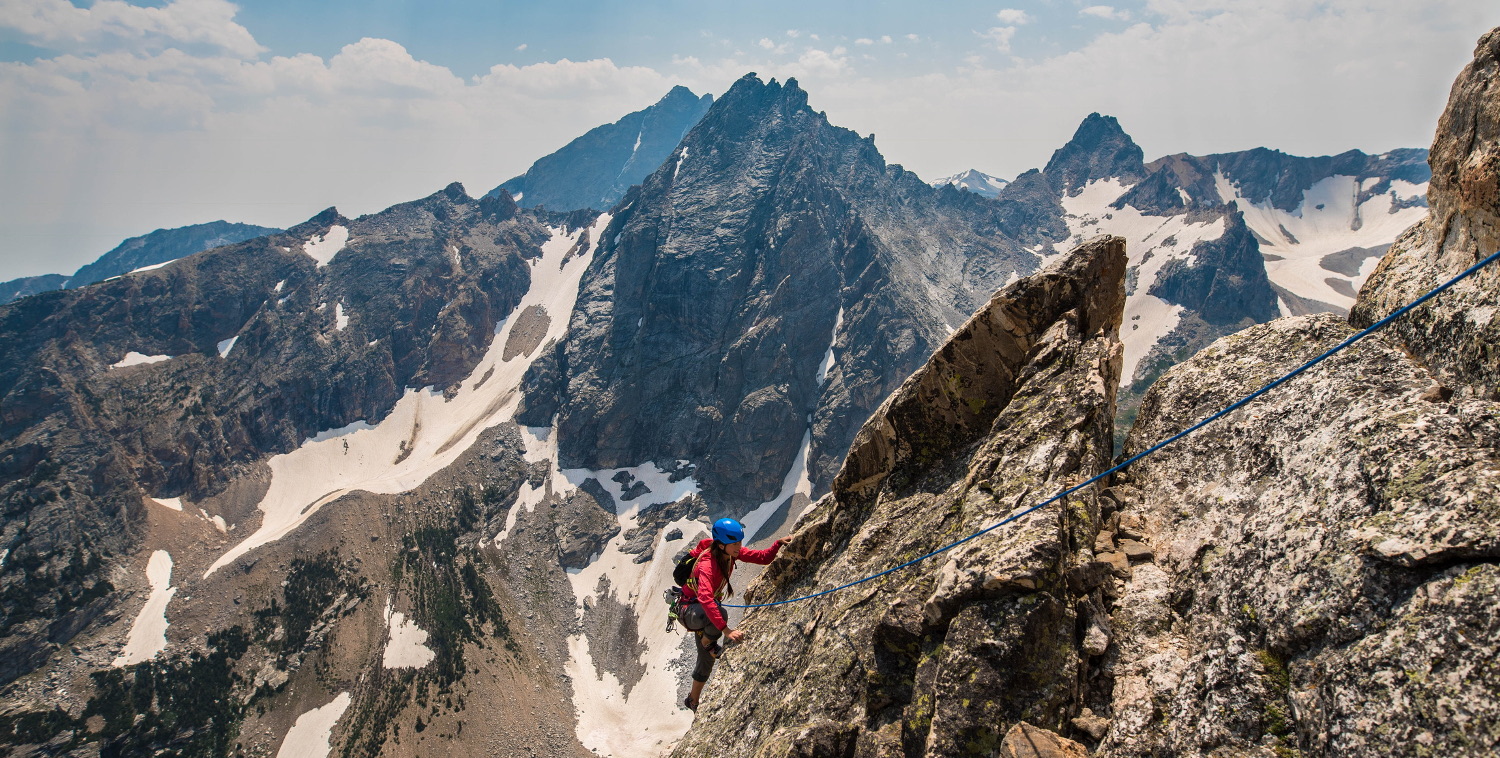
This 11 December is International Mountain Day. Almost one billion people live in mountain areas, and over half of our population depends on mountains for water, food and clean energy.
Yet mountains are under threat from climate change, land degradation, over exploitation and natural disasters. These have potentially far-reaching and devastating consequences, both for mountain communities and the rest of the world.
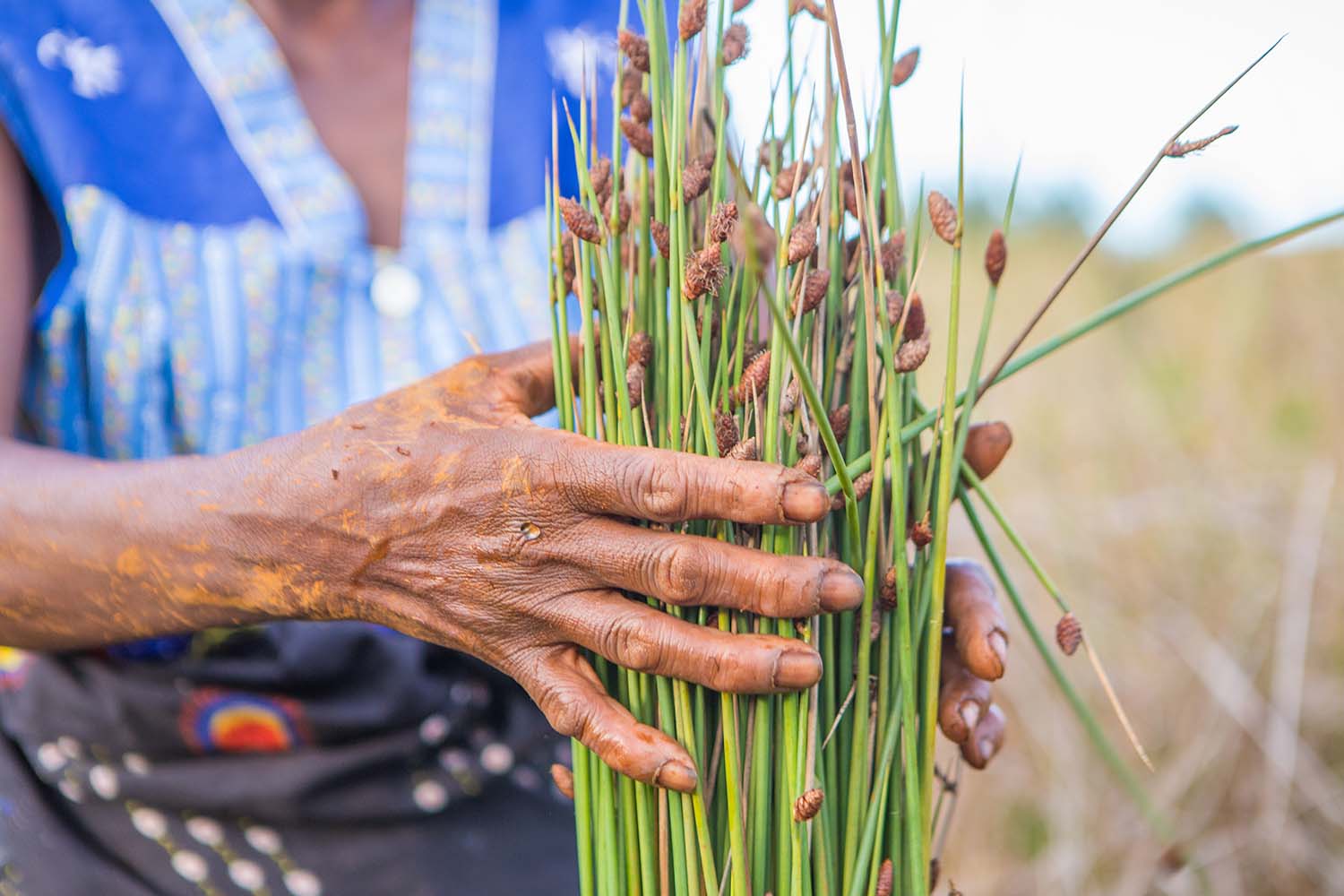
Local handicrafts and specialties are helping build a climate-resistant future for Madagascar’s coastal communities.
“When I was younger, everything was normal, even the rain,” Vivienne Rakotoarisoa reminisces. “But nowadays everything is irregular. When we start planting, the rain doesn’t come anymore.”

It was a cold, dark night. Navigating a bustling evening in Paris, Sarah Canner wound her bike through the busy roads on her way to a writers’ meeting. A recent commuter by bike, the film screenwriter had mustered the courage to take to the streets on two wheels.
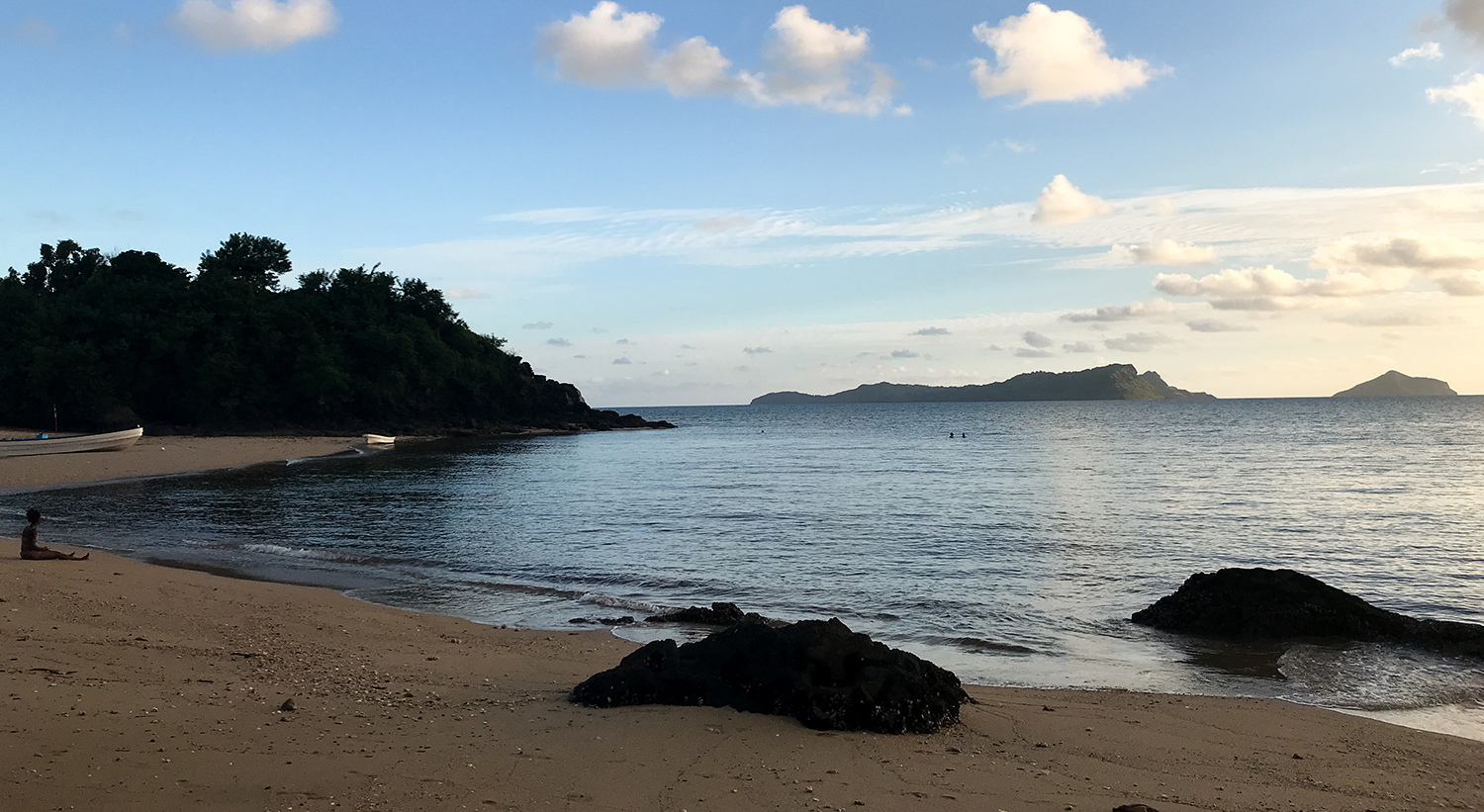
How improved weather forecasting and observation is helping the Comoros face a changing climate.
The children playing in the school grounds in Diboini, a hilly central area of the Comoros’ main island, pay no attention to the gated area housing unremarkable-looking metal structures.
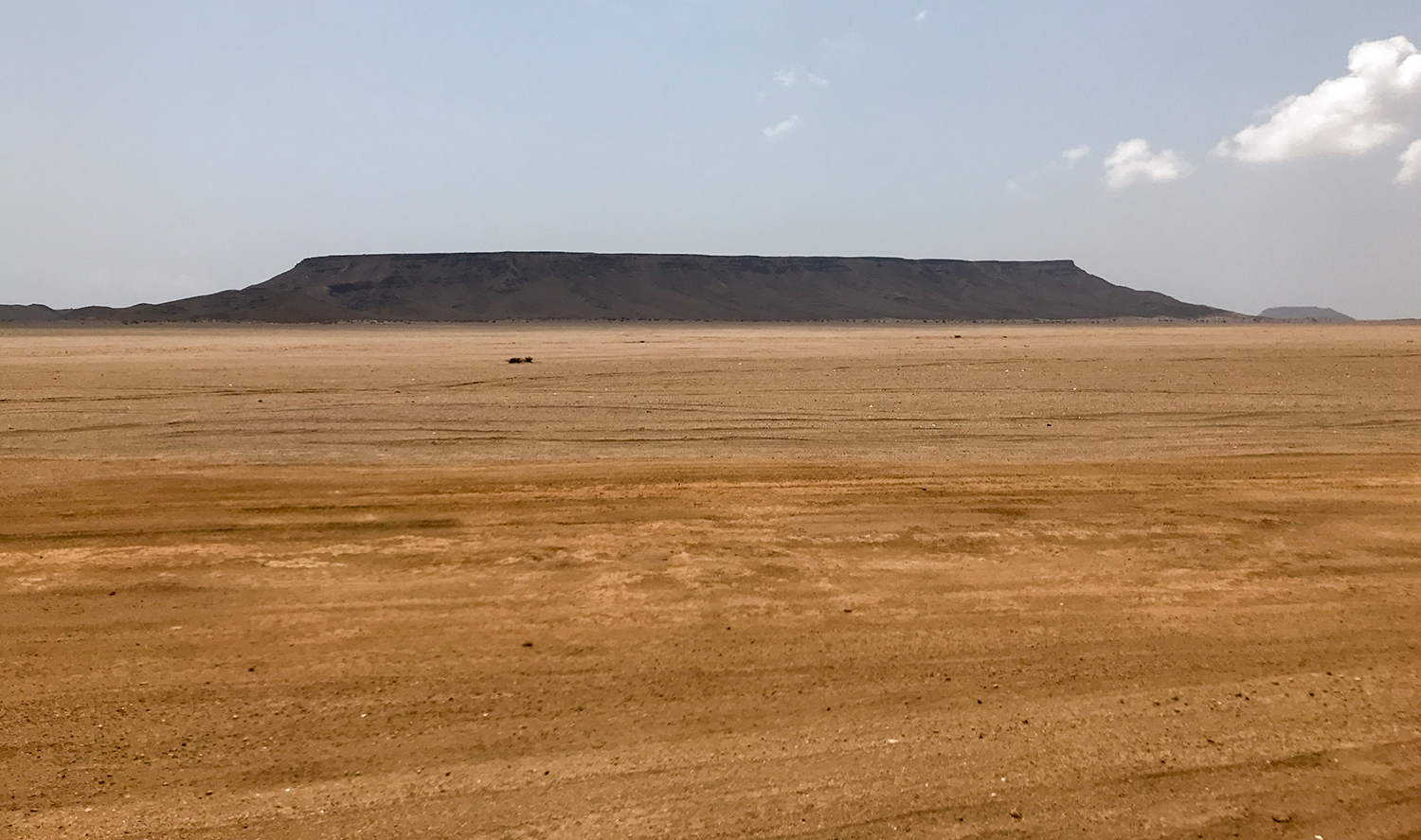
Ali Omar remembers a time when the practically bare patch of desert in northern Djibouti he calls home was a bustling seaside resort and the waters around it were teeming with fish. “Lots of people lived here and they had shops all along the seaside,” says 75-year-old Omar, recalling his hometown Khor Angar’s 1970s heyday, before it was hot year-round and the village had dwindled to just a few huts in the desert.
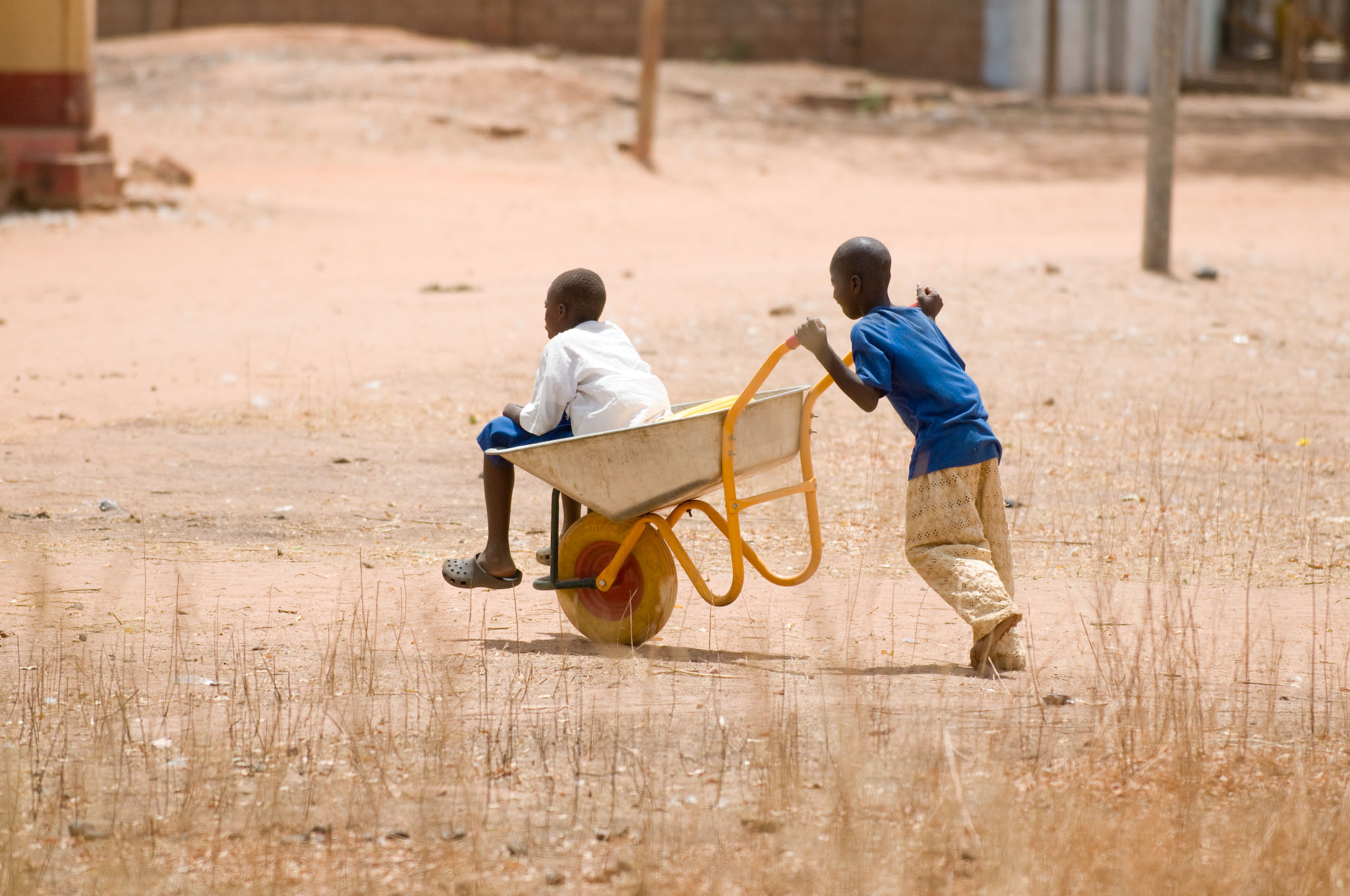
Without knowing about the weather and why it was changing, the people in the village of Jappineh in The Gambia’s Lower River Region would plant the same seeds in the same soil and hope for the best.
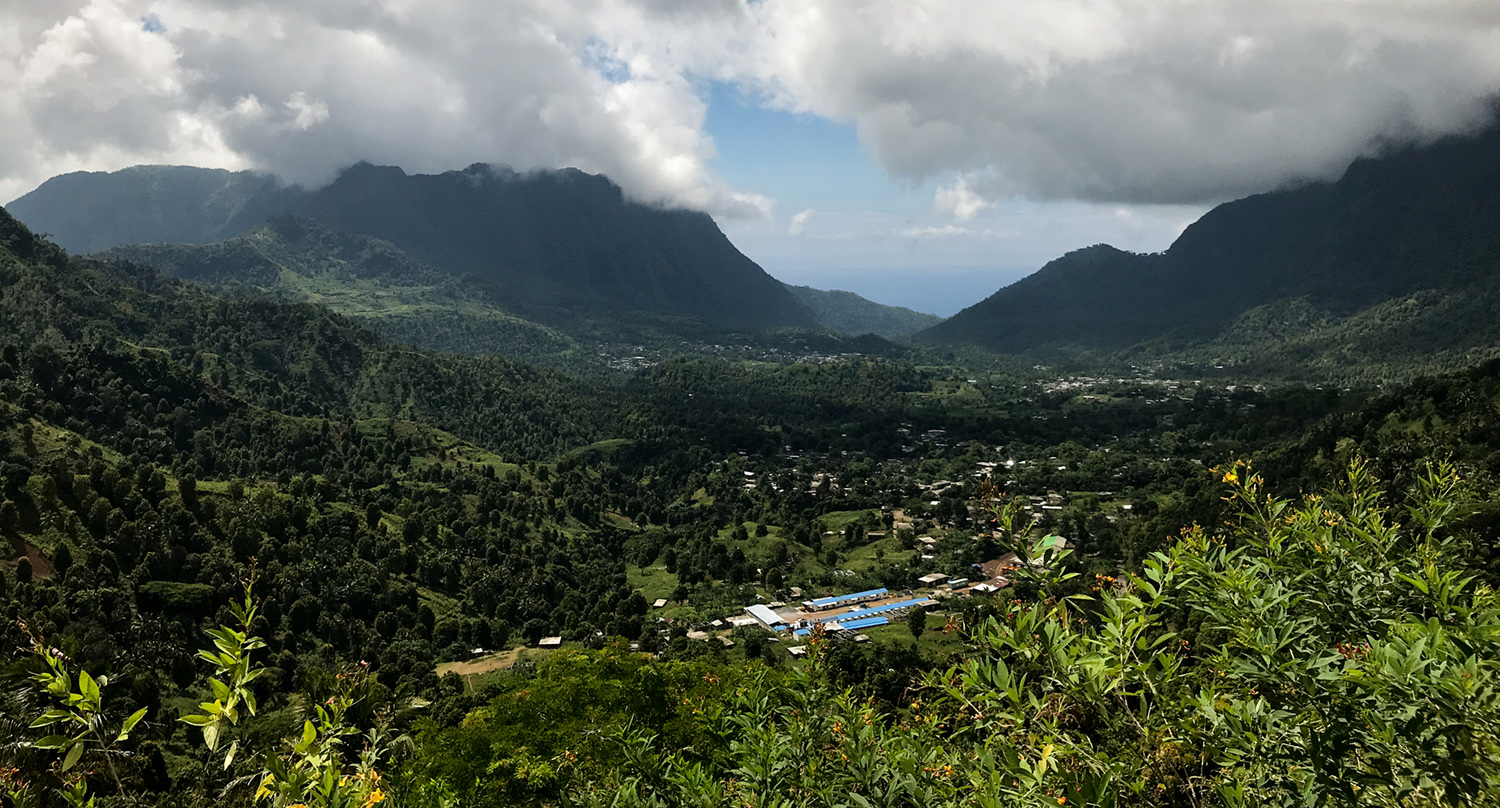
As 63-year-old farmer Mahmoud Hamidoune shelters from the rain hammering down on the peaks of the southern tip of Anjouan island in the Comoros, he recalls a time when it got so cold that people would stay home, and heading up the mountain to farm was called ‘going to Paris’.
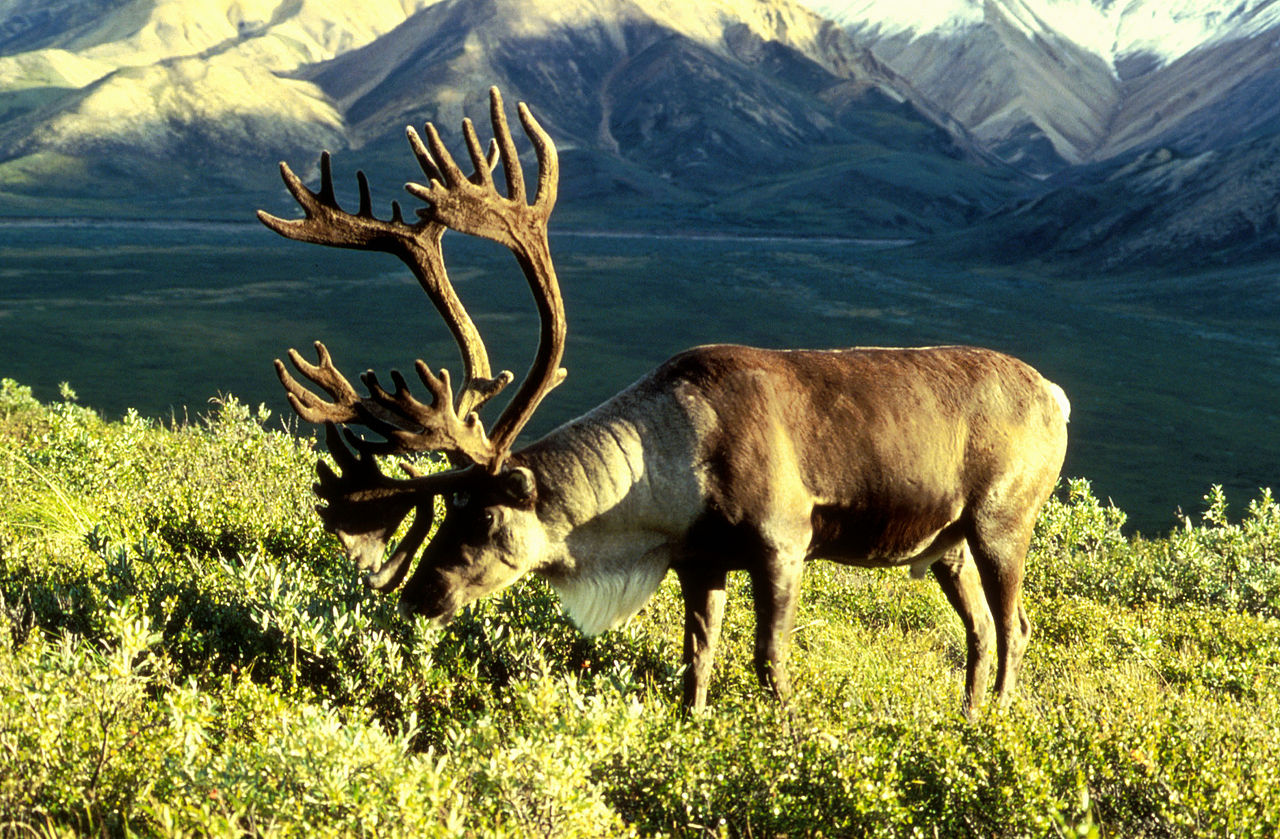
Changing weather patterns are disrupting hard-wired animal and plant reproduction systems with unpredictable consequences for biodiversity.
In the northern hemisphere, climate change is causing spring to arrive earlier. We know this from reliable climate records dating back to 1880 and in some cases earlier than that. Herbarium records are turning out to be a huge source of important plant data.
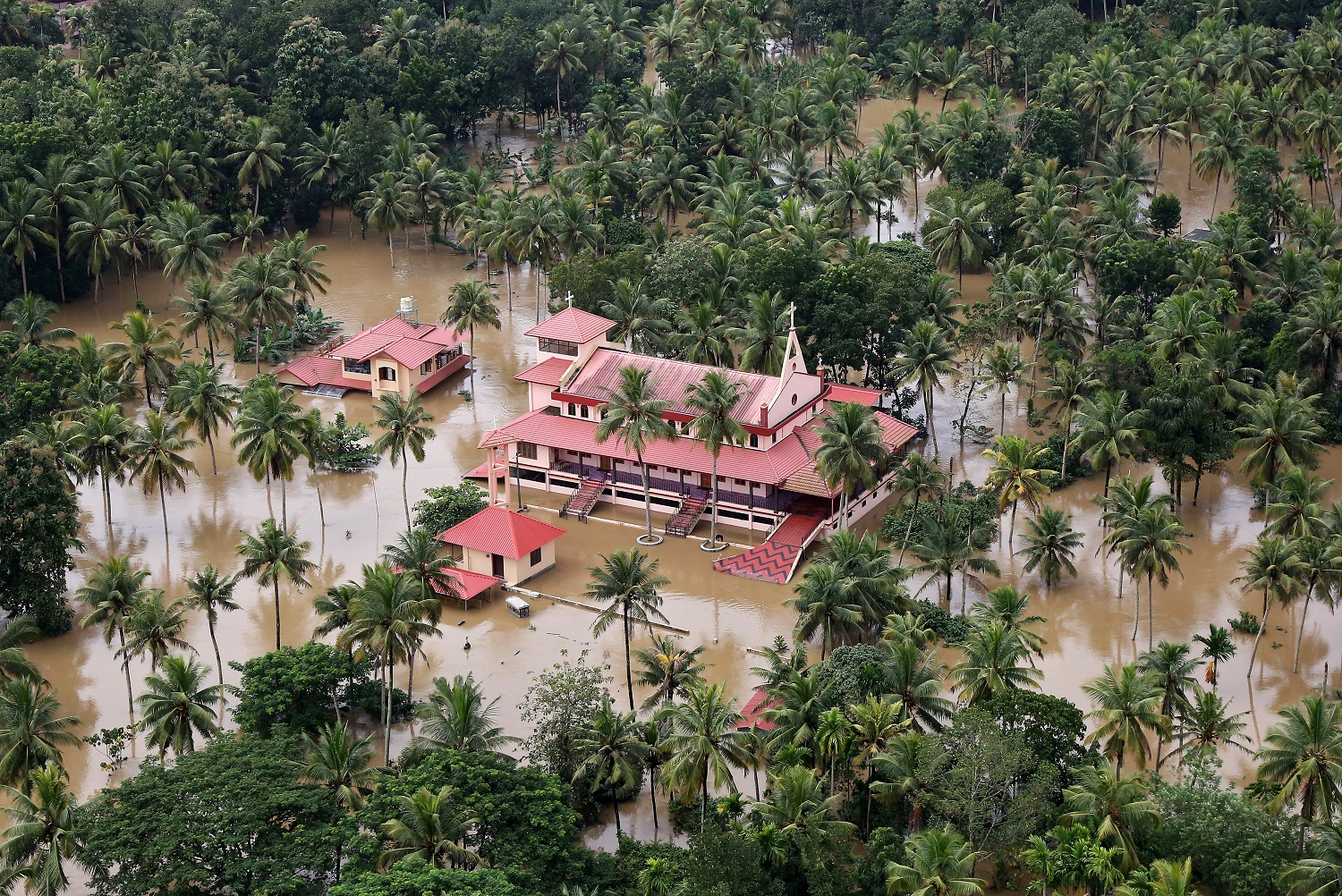
The southern Indian State of Kerala is famous for its various tourist attractions such as wildlife which includes endangered species like the Nilgiri Tahr goat and the lion-tailed macaque, the Vallam Kali traditional boat race and the Kumily spice festival.
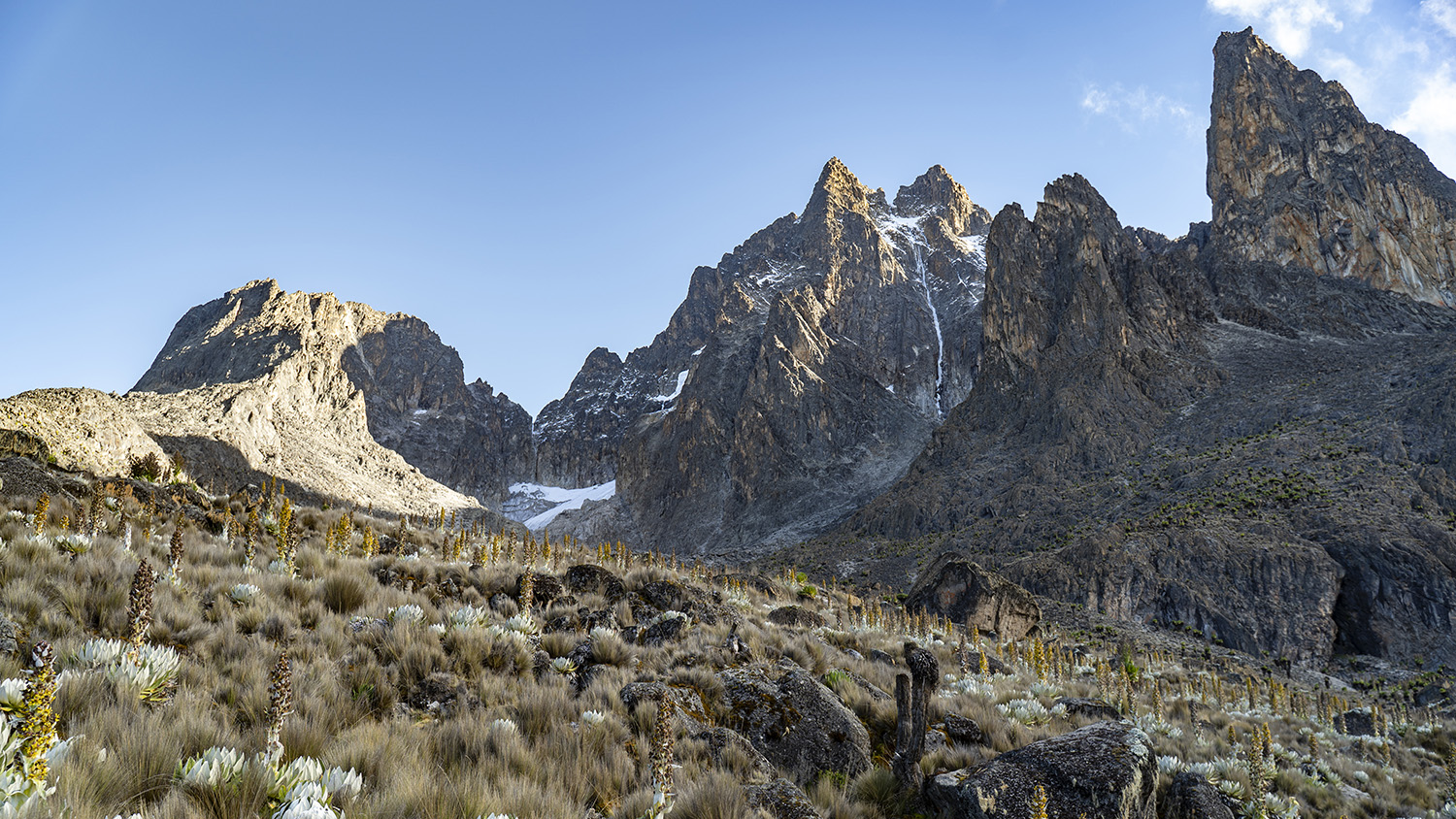
Mountains cover more than a quarter of the Earth’s land surface. They carry deep spiritual significance, regulate weather and the water cycle, provide home to plants and animals, and, critically, hold about 70 percent of the world’s freshwater in their glaciers.
From a landmark deal to fund conservation to chilling news about greenhouse gas emissions, 2024 was a rollercoaster year for the planet.
This month, the United Nations Environment Programme (UNEP) released a brand-new animation to explain the increasingly popular concept of ecosystem-based adaptation (EbA).
Showing 201 - 217 of 217



The development of the GAN involved a broad UNEP-facilitated consultative process, including an international consultation meeting and four regional consultations.