
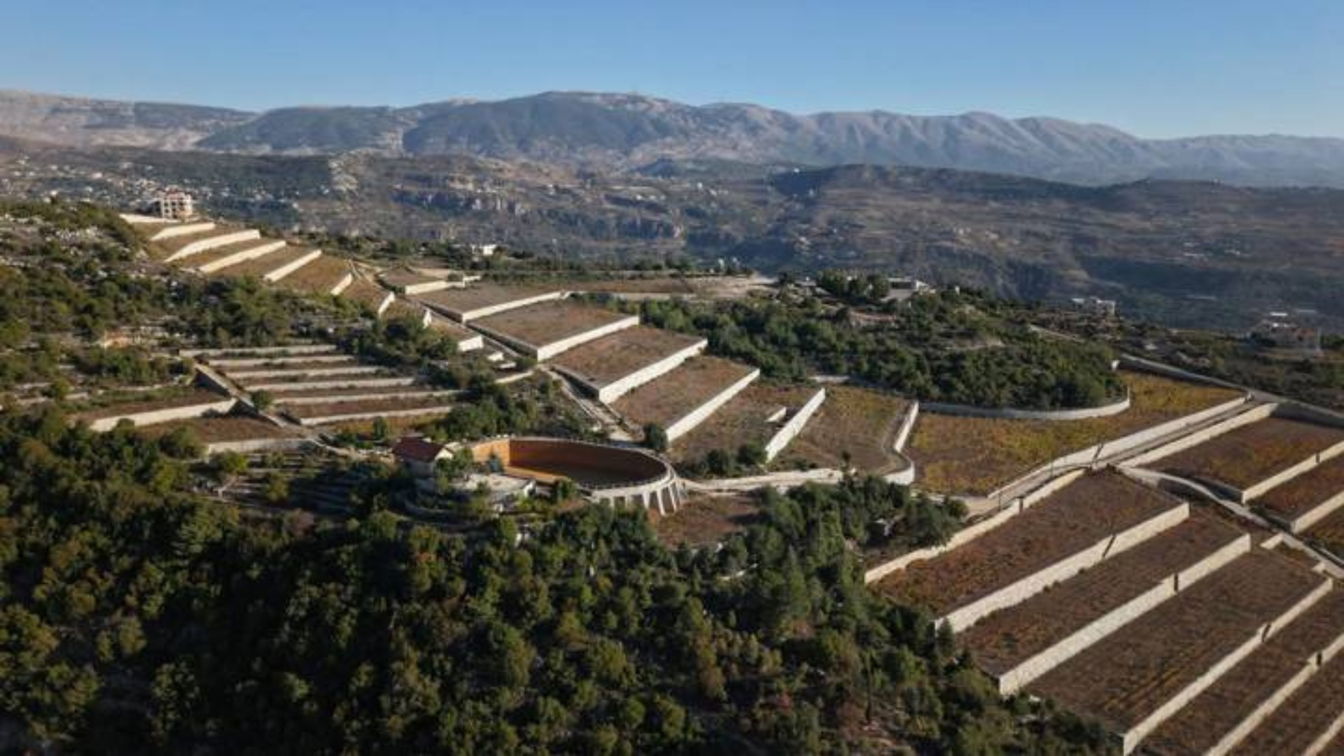
Lebanon’s Damour region is taking important steps toward a more resilient, climate-smart future through the GEF-funded, UNEP-implemented, UNEP/MAP-executed MedProgramme. With pressures on land, water and coastal ecosystems increasing, stakeholders from across the country recently came together to advance an Integrated Management Plan (IMP) that embraces a holistic source-to-sea vision for the Damour River Basin.
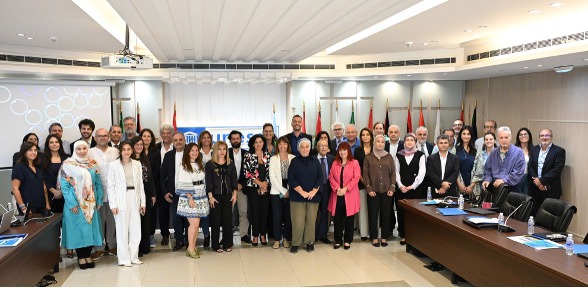
Through Child Project 2.1, UNEP/MAP and partners, including GWP-Med, PAP/RAC, Plan Bleu and UNESCO IHP, are supporting Lebanon to strengthen integrated coastal zone management, safeguard freshwater and coastal ecosystems, and improve water security. The latest round of consultations brought ministries, municipalities, civil society and local communities together to analyse environmental drivers and pressures, align priorities and co-create solutions grounded in both science and local knowledge.
This collaborative process is helping shape a comprehensive plan that links mountains, river systems, deltas, coasts and marine waters, ensuring that decision-making reflects the full source-to-sea continuum. Field visits from upper catchments to the Mediterranean coast further connected participants with the daily realities of farmers, municipalities, and water authorities, highlighting the urgency of integrated natural resource management.
The work in Damour demonstrates how UNEP and the GEF are strengthening environmental governance across the Mediterranean while building a shared vision for resilient, healthy coastal areas. Read the full story here to learn how the MedProgramme is driving integrated action and empowering stakeholders across Lebanon and the region.