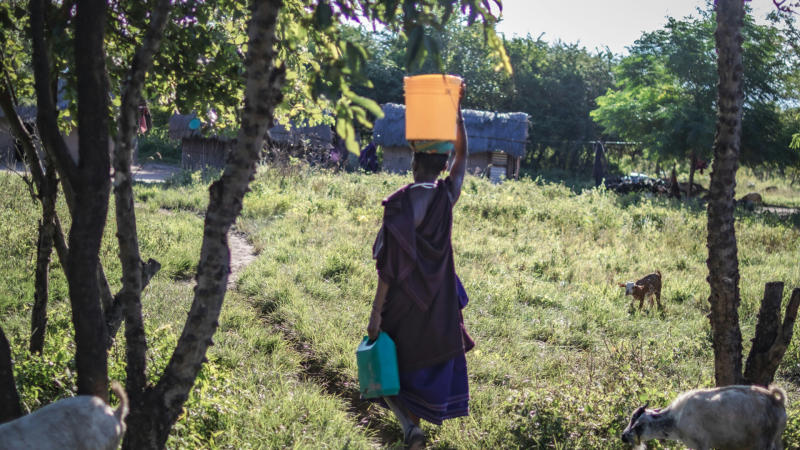

In the heart of central Mali, the village of Diaborki has long lived with uncertainty, shaped by drought, insecurity and dwindling opportunities. But in 2025, a turning point arrived with the UNEP–led, GEF–funded NB-ITTAS project, which selected the village as a pilot site for sustainable groundwater management. What followed is a powerful example of how access to water can restore stability, dignity and economic hope in communities at the frontline of climate impacts.
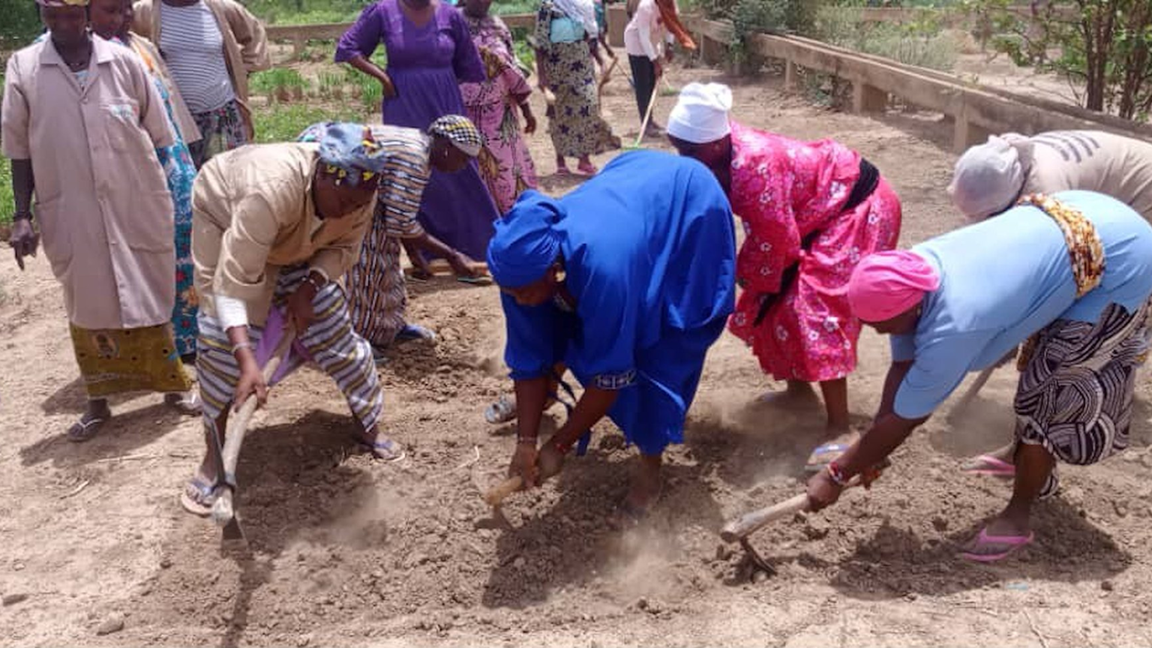
Through the project, a solar-powered borehole, storage system and autonomous water station made year-round irrigation possible for the first time. A new two-hectare market garden now supports women’s livelihoods, strengthens household income and revitalises the social fabric of the village. Practical training in ecological agriculture and shared water resource management has also equipped the community to steward water more sustainably, turning a simple infrastructure intervention into a catalyst for long-term resilience.
The Diaborki pilot is part of a broader UNEP–GEF effort to advance integrated groundwater and surface water management across the Inner Niger Delta and the wider Sahel. By improving water access, enhancing governance, strengthening monitoring and reducing climate-related conflict risks, the NB-ITTAS project demonstrates how targeted, science-based investments can unlock transformative benefits for people and ecosystems alike.
Groundwater may be invisible, but in Diaborki its impact is unmistakably life changing. Read the full story here, to discover how this community is harnessing water to rebuild livelihoods and shape a more resilient future.