

News
Type: Story
Showing 76 - 100 of 164
164 results found
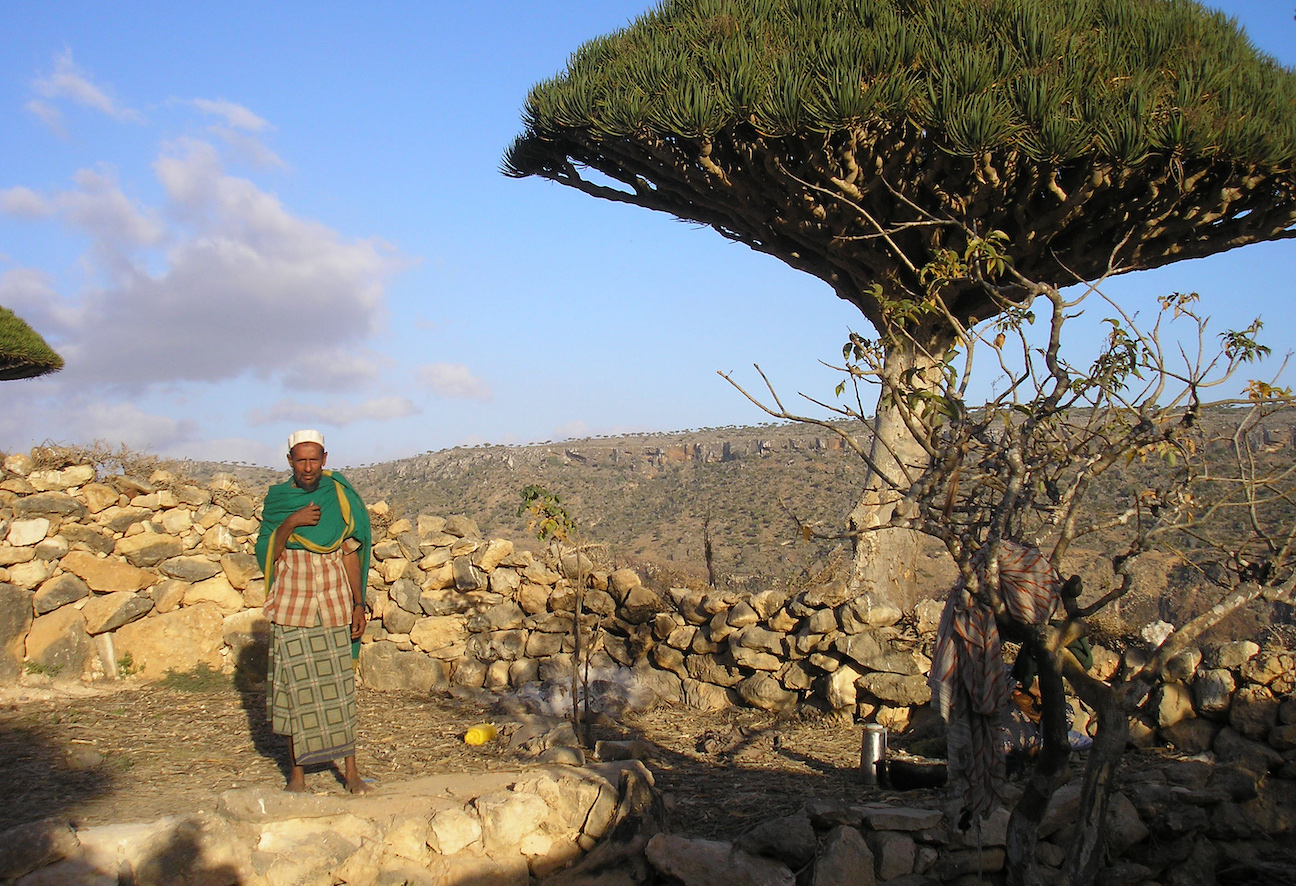
Isolated and timeless, the tiny Yemeni archipelago of Socotra remains one of the world’s most unique destinations.
Set amidst turquoise seas at the entrance of the Gulf of Aden, Socotra has been called the “Galapagos of the Indian Ocean”. The archipelago is home to remarkable terrestrial and marine biodiversity – with over 30 percent of its plant species and much of its fauna being found nowhere else in the world.
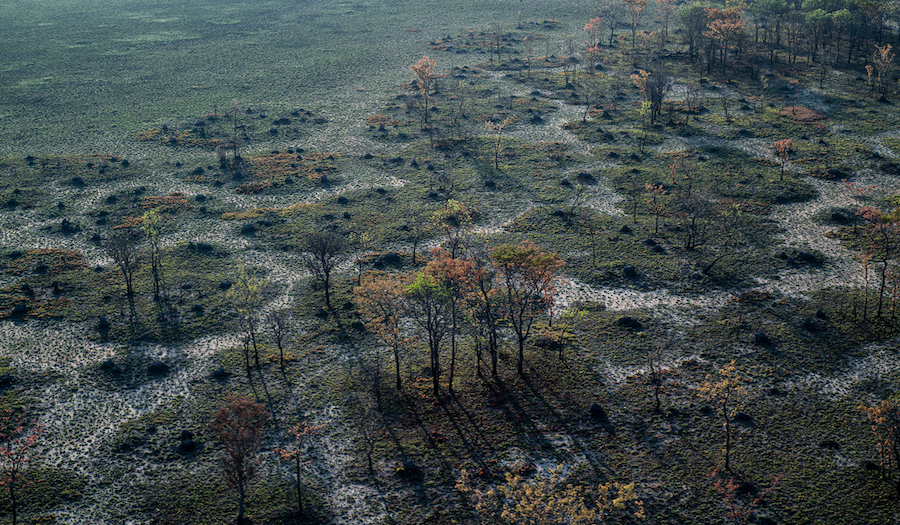
Located in Zambia’s North-Western Province, the greater Kafue National Park and West Lunga ecosystem complex was once home to an abundance of ancient rosewood trees and a host of other endemic and endangered species.
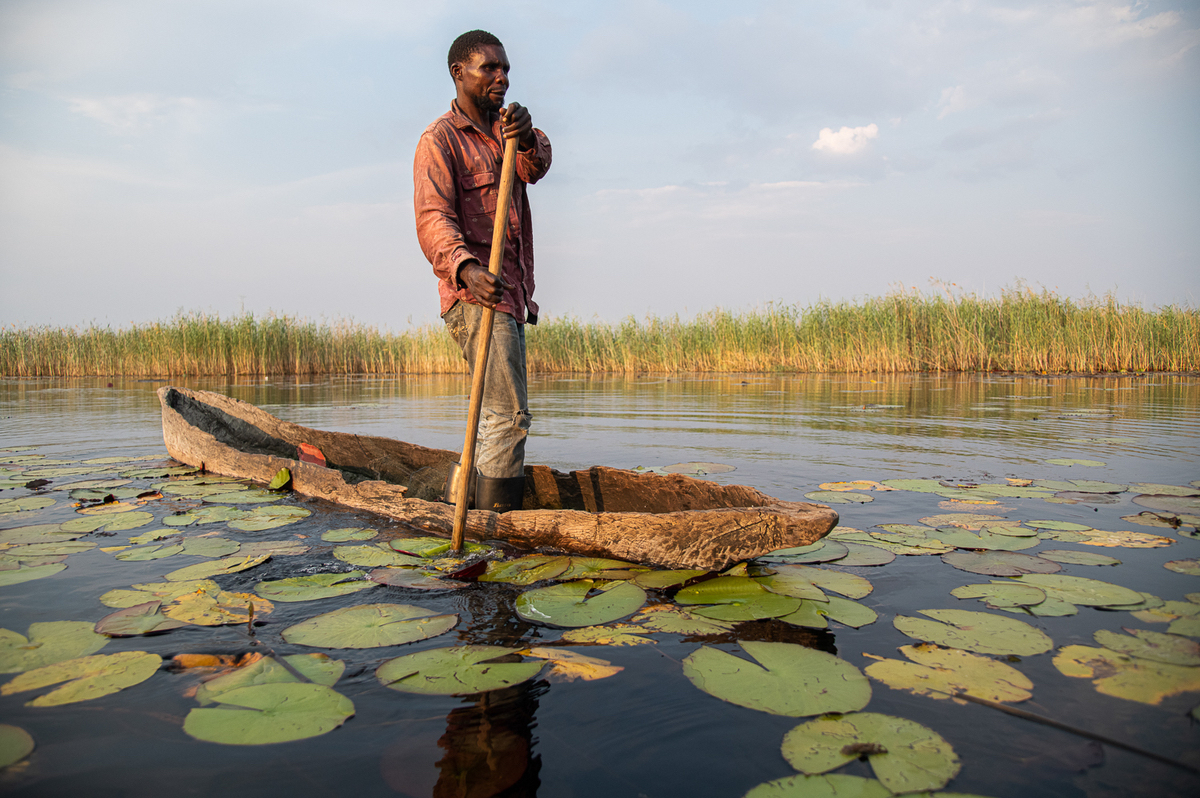
As the sun sets in central Zambia, orange rays reflect across the Lukanga Swamp, a vast wetland spanning 2,600 km2.

Yacouba Sawadogo, 76, has been a farmer for much of his life, tending a plot of land in a semi-arid stretch of central Burkina Faso. But in the 1980s, that way of life almost came to an end.
Severe droughts triggered soil erosion and land degradation, crippling farms across Burkina Faso and much of Western Africa.

In a milestone for the environment, Europeans purchased more electric cars than those powered by diesel last month. According to recent data, over 20 per cent of new cars sold in Europe and the United Kingdom (UK) in December 2021 were electric. Meanwhile, the sale of diesel vehicles in the European Union (EU) slipped below 19 per cent.
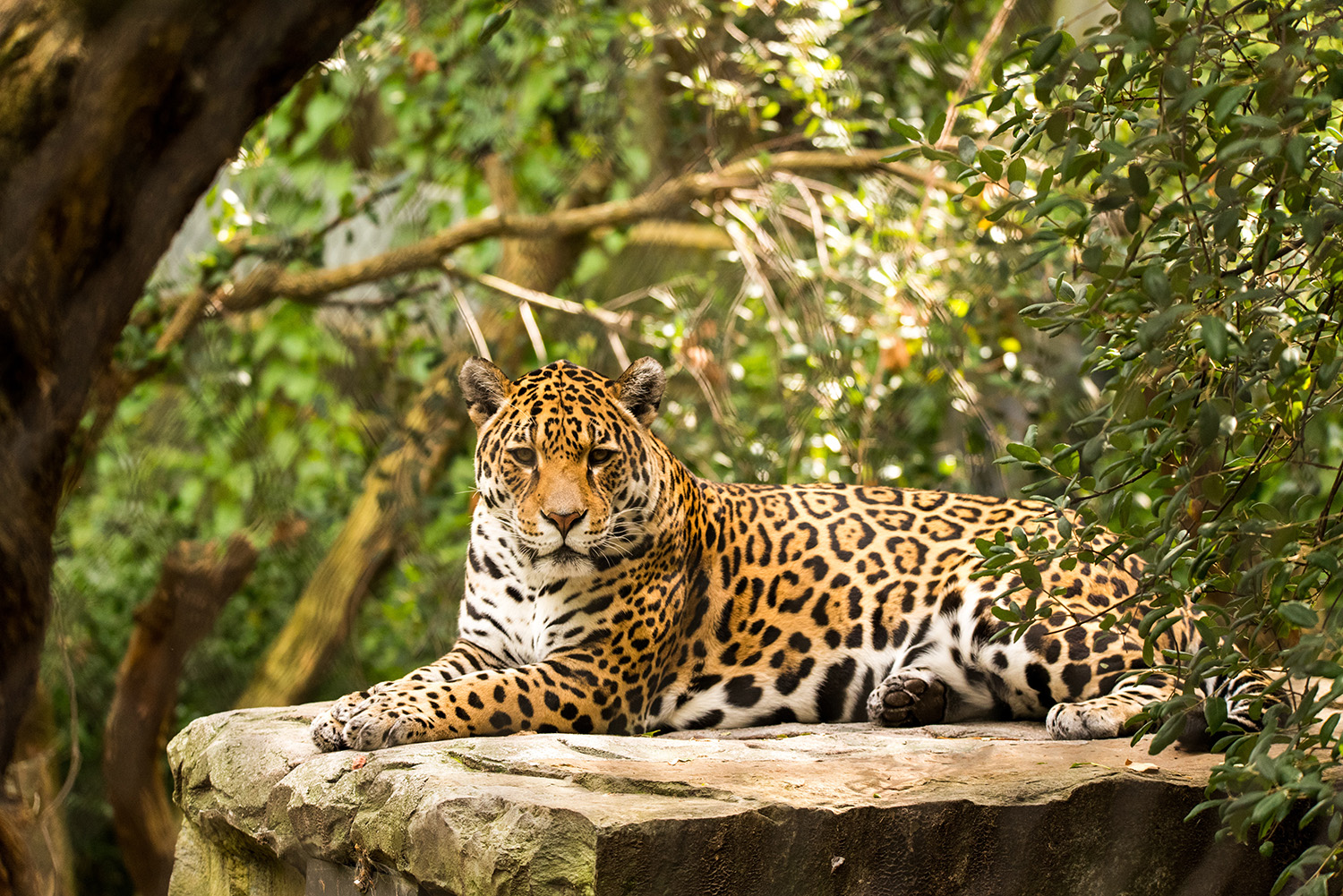
On International Jaguars Day on 29th November, we follow how the United Nations Environment Programme (UNEP) is working with Panama to promote jaguar conservation and curb human-jaguar conflict.
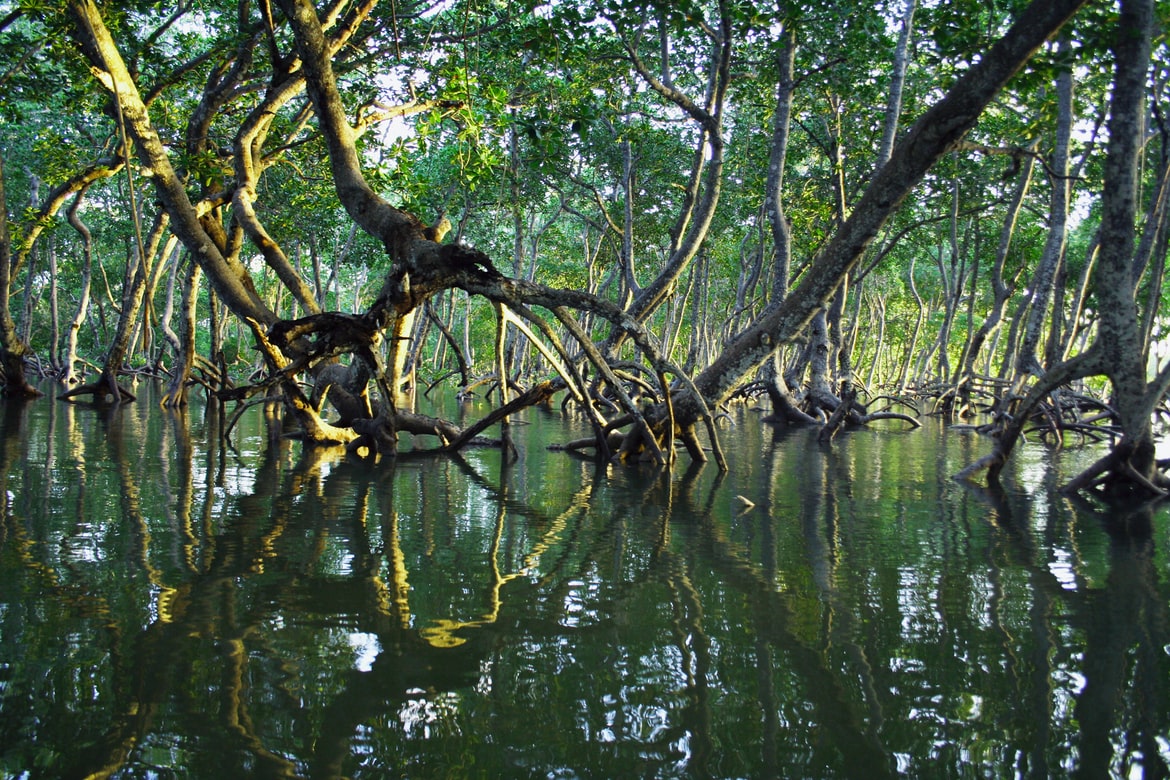
When you think of a forest, chances are you picture trees rising high above you, leaves crunching underfoot. But there are some very different types of forest - in and under the water - that are just as beautiful and just as precious. While they don’t all contain trees, these so-called blue forests are essential to life on this planet, say experts.
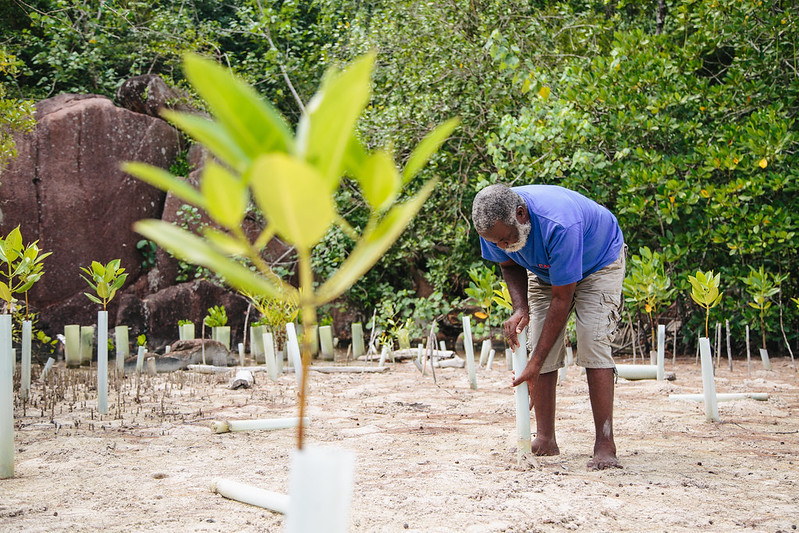
As the UN Climate Change Conference of the Parties (COP26) came to a close, news agencies and bloggers ploughed through the Glasgow Climate Pact to make sense of the commitments made to reducing greenhouse gas emissions.
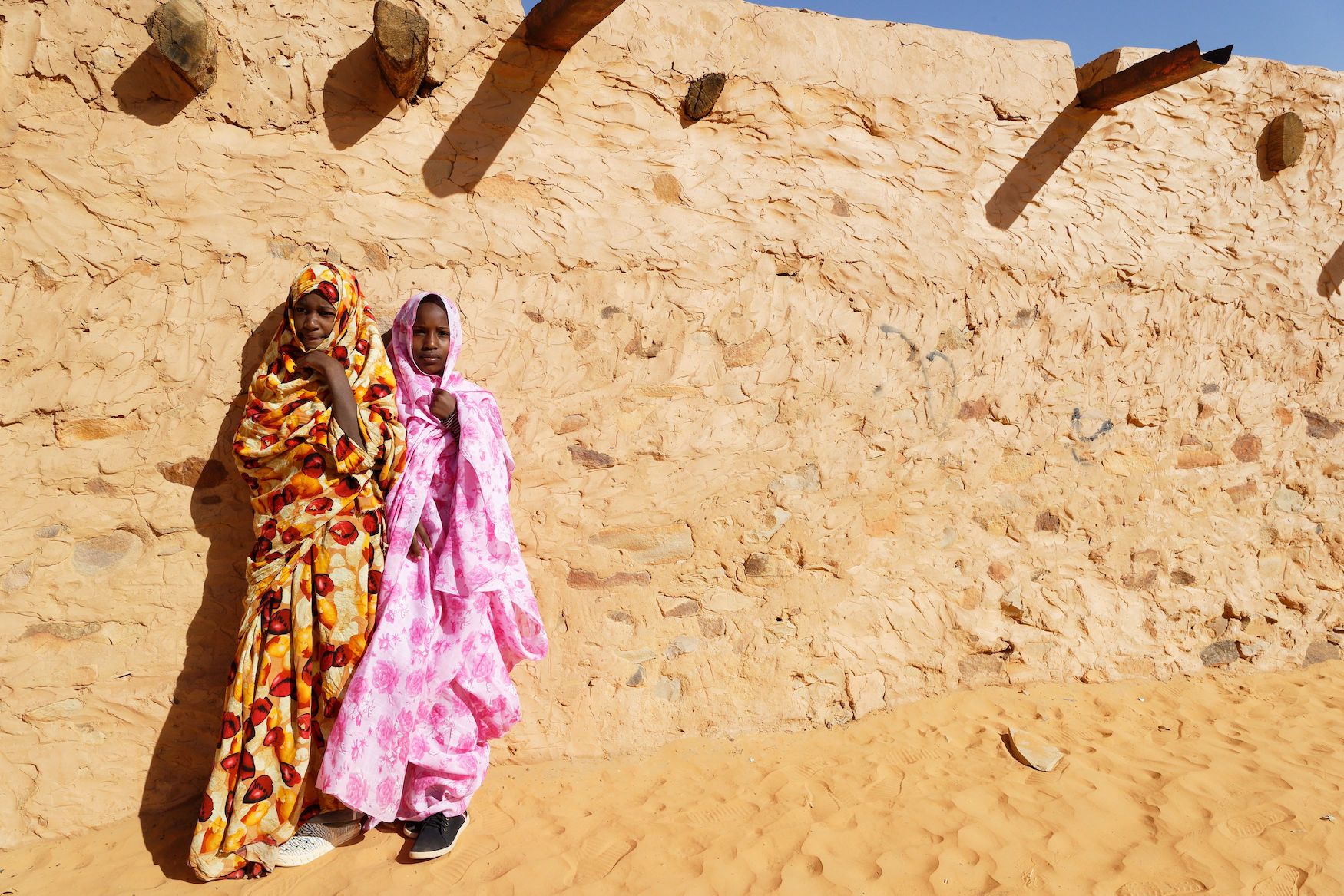
Mauritania’s battle against encroaching desertification, which has damaged ecosystems and endangered species, has received a timely boost with the news that 200,000 hectares will be turned into a protected area to support biodiversity in the country.
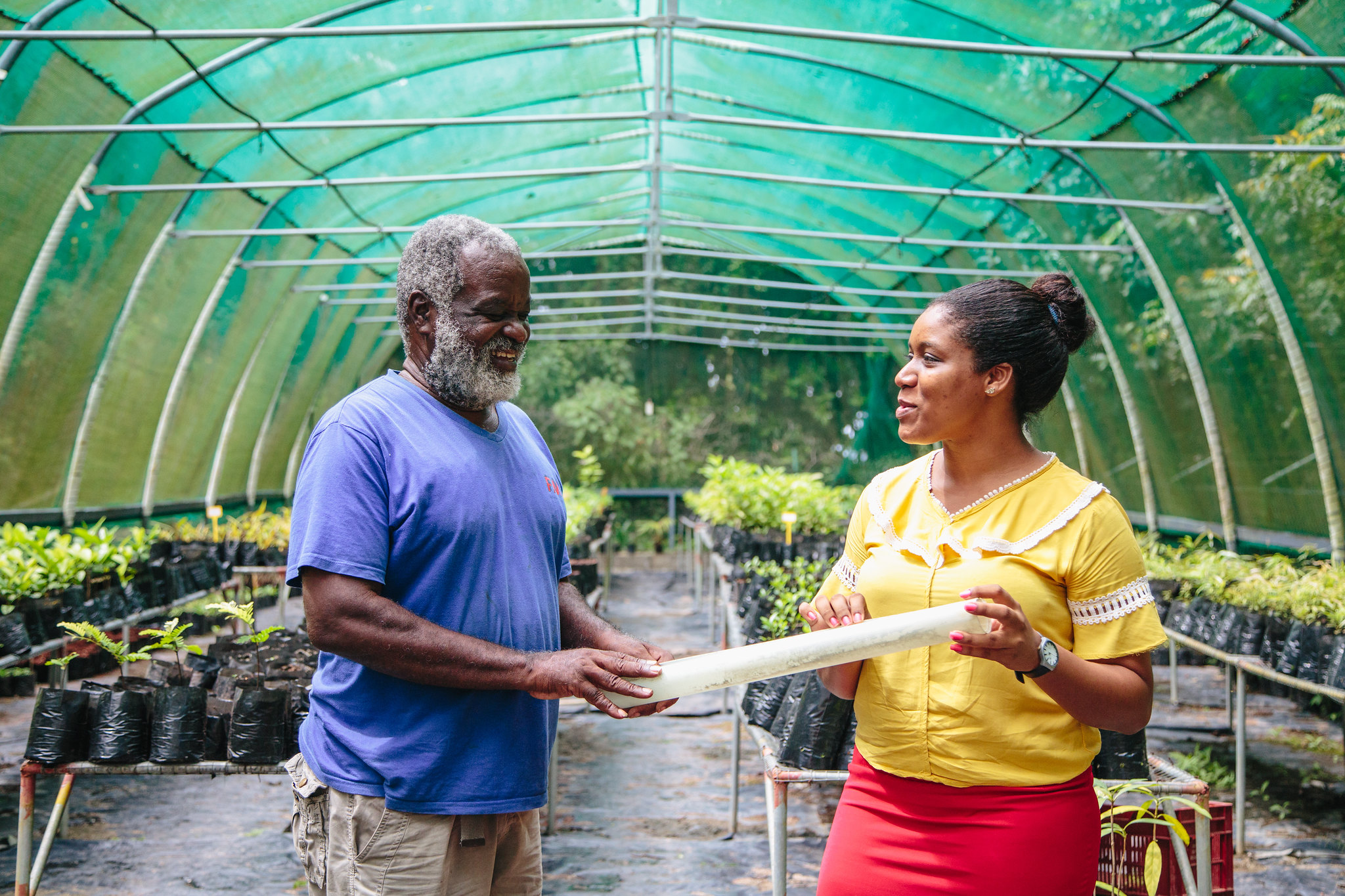
Despite being responsible for only around 3 per cent of global carbon dioxide emissions, experts say that Africa will be the region hardest hit by climate change.
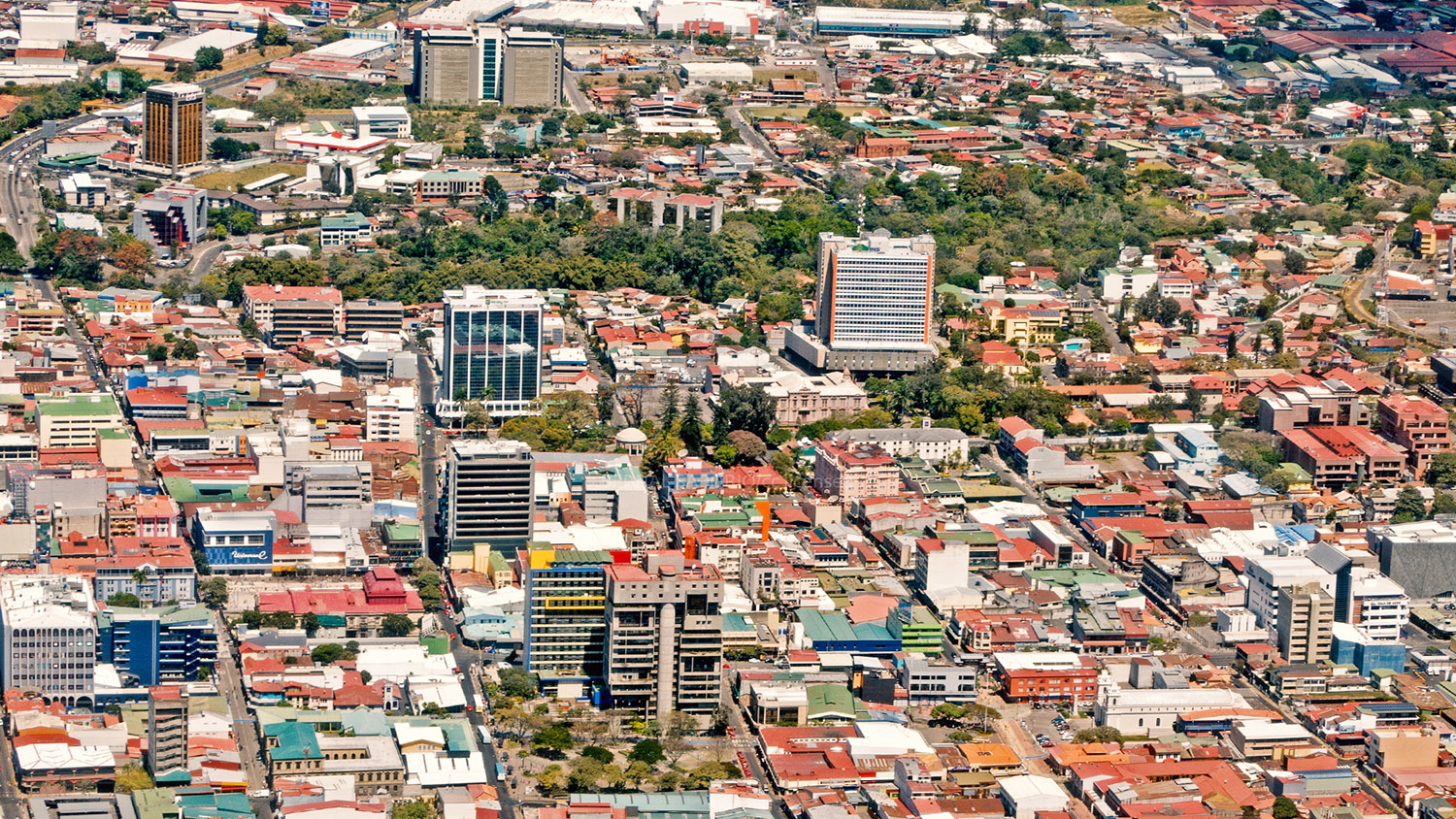
From record-breaking storms to floods and fires, perhaps more than any year before it, 2021 has underlined the position of our cities as frontlines in the global struggle to rebalance our relationship with nature.
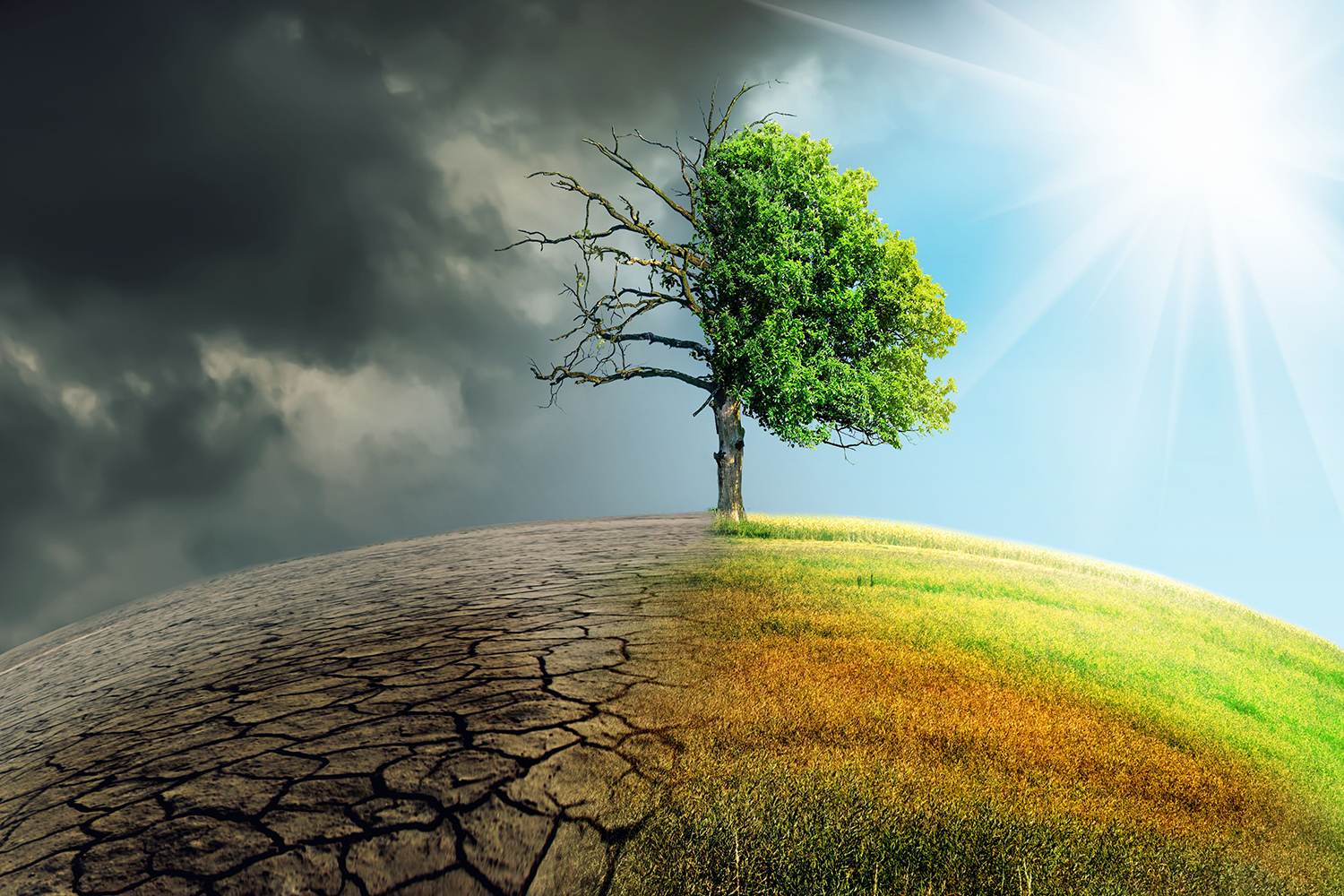
For generations, people have combed the sponge-like cloud forests around the city of Xalapa, Mexico for edible mushrooms. But a combination of deforestation and climate-change-related drought have devastated mushroom crops, an important source of income in a region beset by poverty.
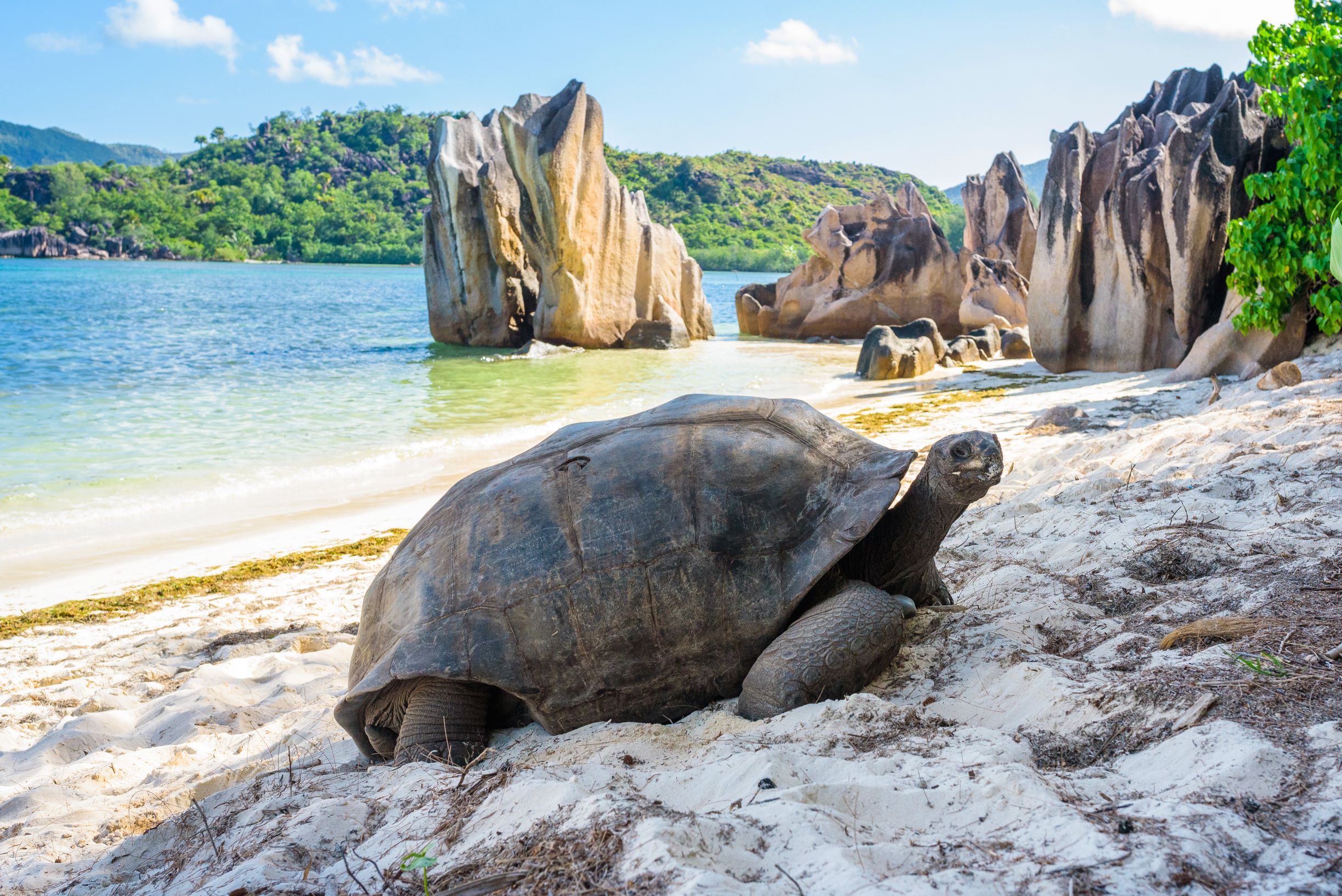
For many locals and tourists, Praslin Island in Seychelles is synonymous with paradise. From the white sands of Anse Lazio, frequently voted as one of the top beaches in the world, to the endemic species of the jungle, to the colorful coral reefs in Curieuse Marine Park, Praslin is filled with both beauty and biodiversity.

Under the theme, Life and Livelihoods, this World Oceans Day (8 June 2021) launches a decade of challenges to achieve the Sustainable Development Goal 14 to conserve and sustainably use the oceans, seas and marine resources, by 2030.

Ile aux Aigrettes, or Egret Island, is just one of the many small islands off the coast of Mauritius named after birds. There’s also Common Noddy Island, Shearwater Island, Lesser Noddy Island, Bird Island, Bird Rock and Flamingo Island.
There is just one thing missing from all these islands with avian appellations.
Large populations of seabirds.
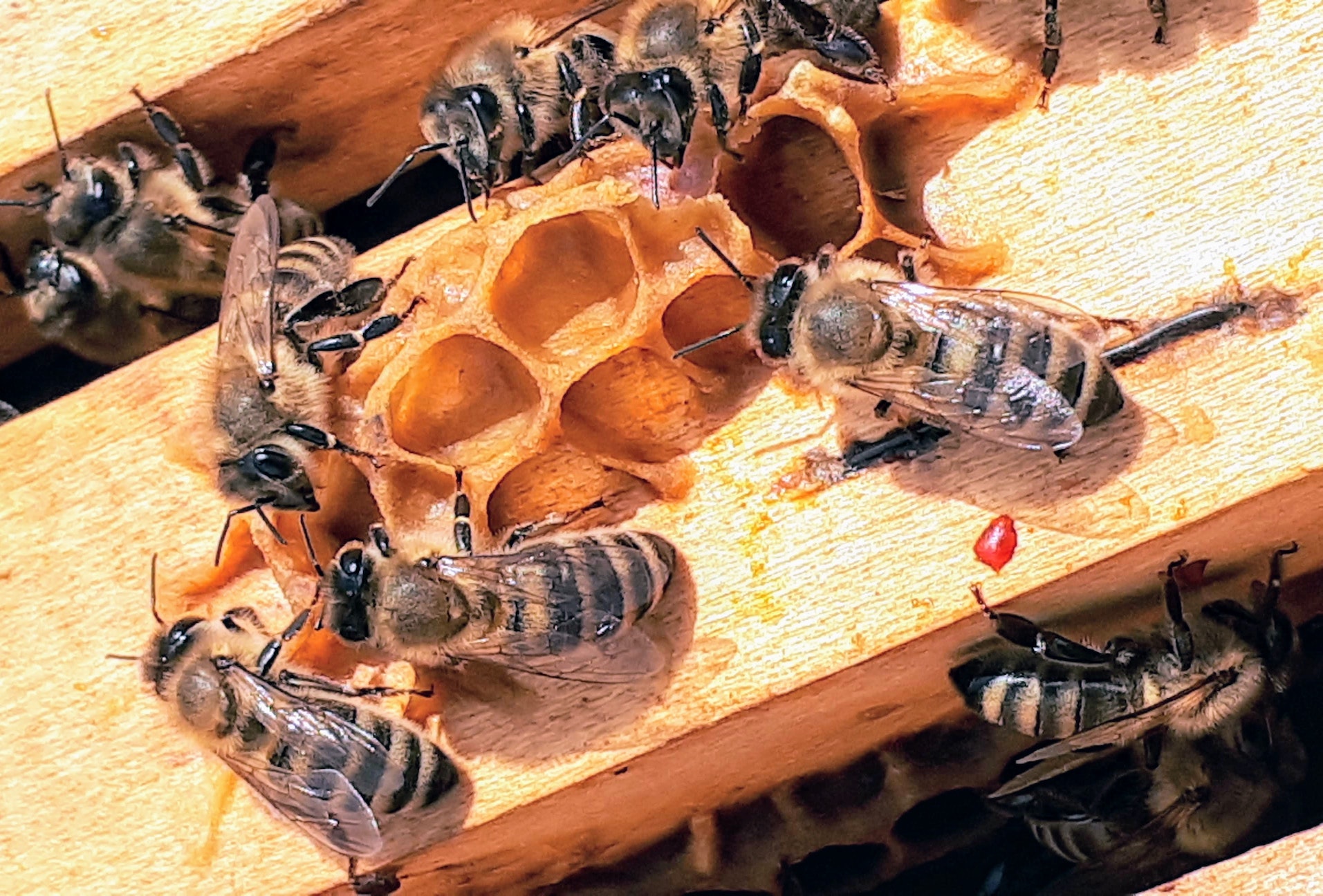
Bees and other pollinators are increasingly under threat from human activities. To raise awareness of the importance of pollinators and their contribution to sustainable development, the UN marks May 20 as World Bee Day.
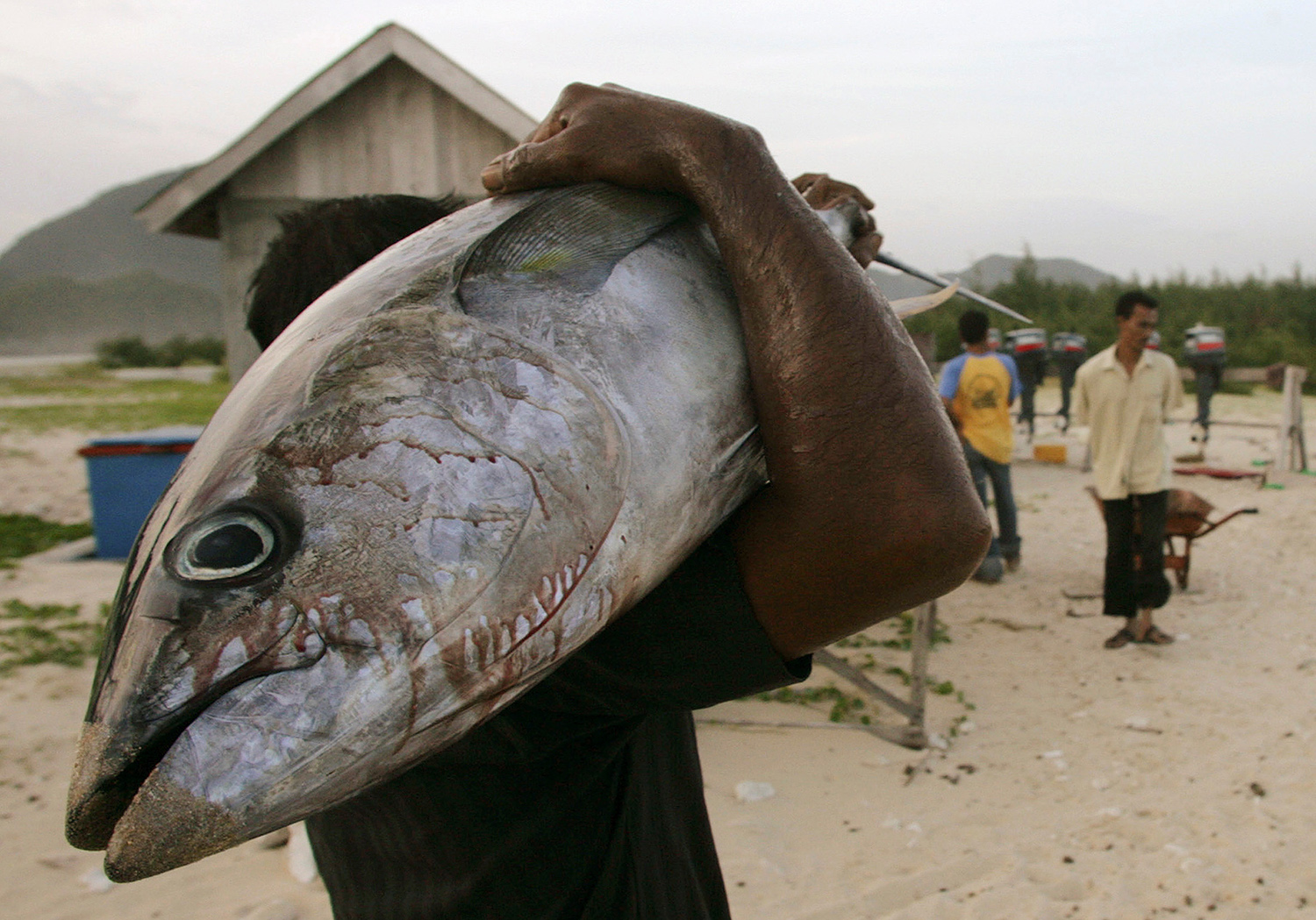
Tuna salad. Tuna sandwich. Tuna bake. Tuna pizza. Tuna sushi. Grilled, fried or raw. There is no doubt tuna is popular. Tuna, which is rich in Omega-3, minerals, proteins and vitamin B12, has seen its nutritional success lead to it being overfished.

Near Omar Gona’s house in Djibouti’s Tadjourah city stands a wall three metres high and five metres thick. What might be an eyesore for some is a godsend for the city because the wall holds back the monsoon rains that have decimated people’s lives here for decades.
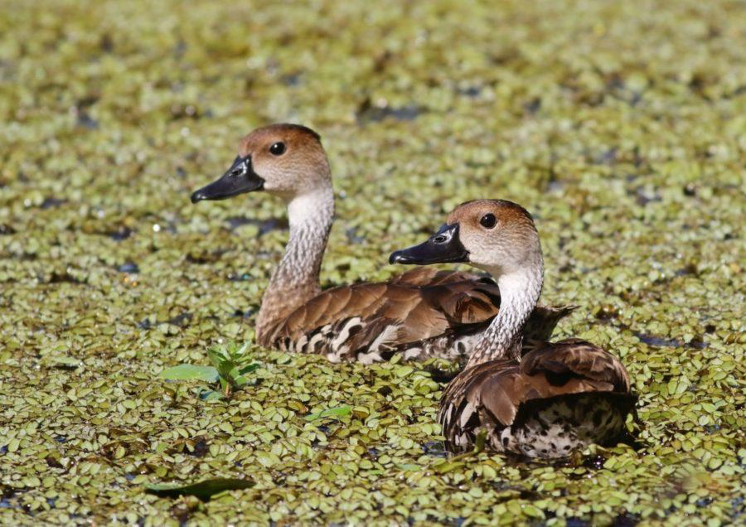
On January 20, 2021, the day of the inauguration of American president Joe Biden, two ducks named “Joe” and “Kamala” took flight from a remote wetland near Negril, Jamaica. And, like their namesakes, the fowl will be the focus of international attention.
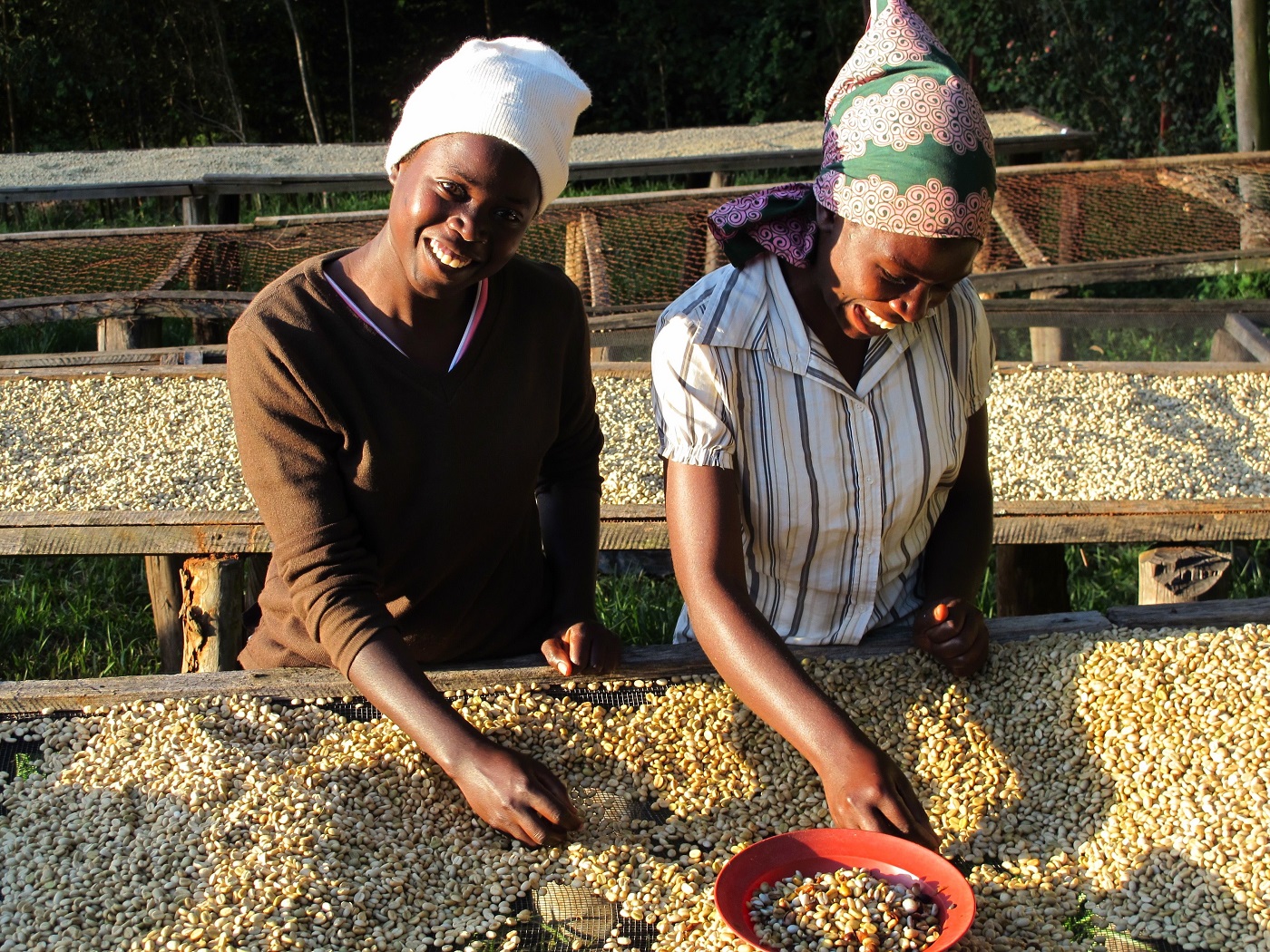
Over the last 30 years, more and more tea, coffee and cocoa farmers have embraced towards climate-smart and sustainable practices by adopting “certification standards” that help to maintain soil quality, increase productivity and reduce costs. The standards also assure buyers of agricultural commodities that the products in their supply chains are environmentally sustainable.
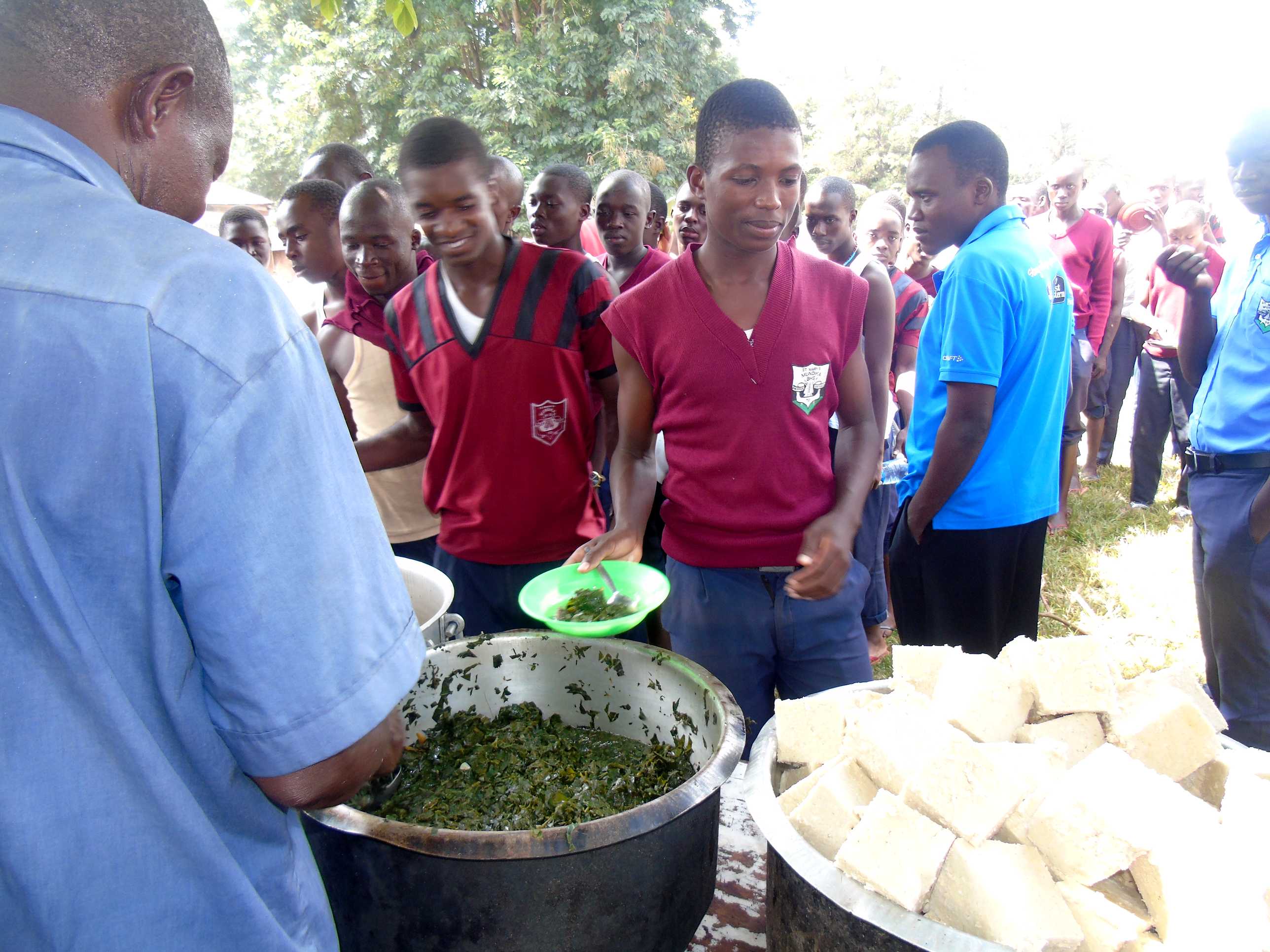
Today, when students file into the lunchroom at Mundika High School in western Kenya, they are greeted by a spread of nutritious local vegetables with exotic-sounding names, like spider plant. But that wasn’t always the case. Just a few years ago, that fare had largely disappeared from Kenyan plates, replaced by cheaper foreign-derived foods, like cabbage and maize meal.
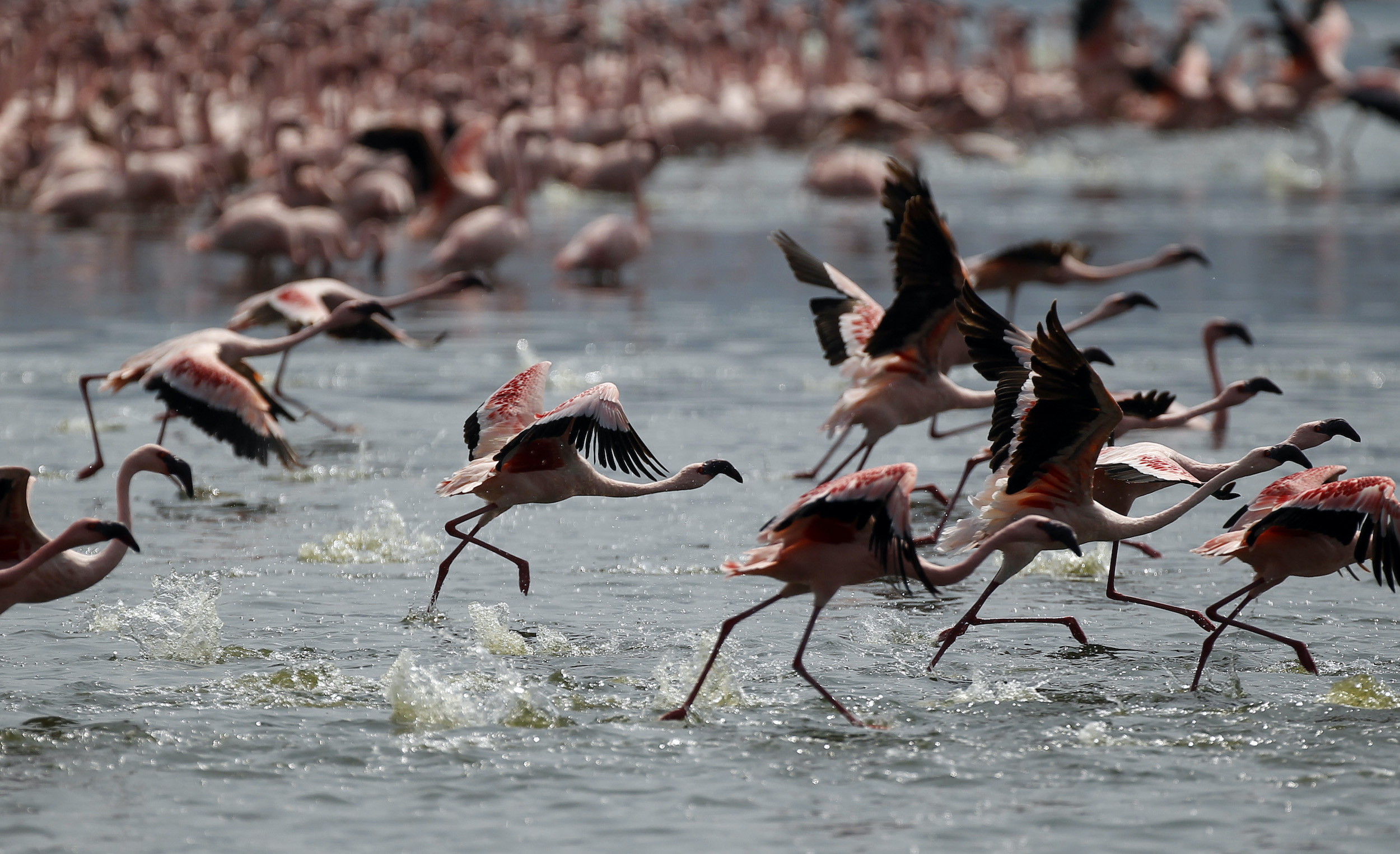
Lake Bogoria in Kenya’s Rift Valley region is a soda lake – extremely salty and alkaline, unable to support fish. It has deep spiritual and cultural significance for the Endorois people, who have been its custodians for centuries. But it’s only in the last few years that they realized they are sitting on a potential gold mine.

For World Cities Day on 31st October, we follow the story of how the United Nations Environment Programme (UNEP) is working with San Salvador city and its surrounding coffee farms to create a ‘natural’ defence against floods.
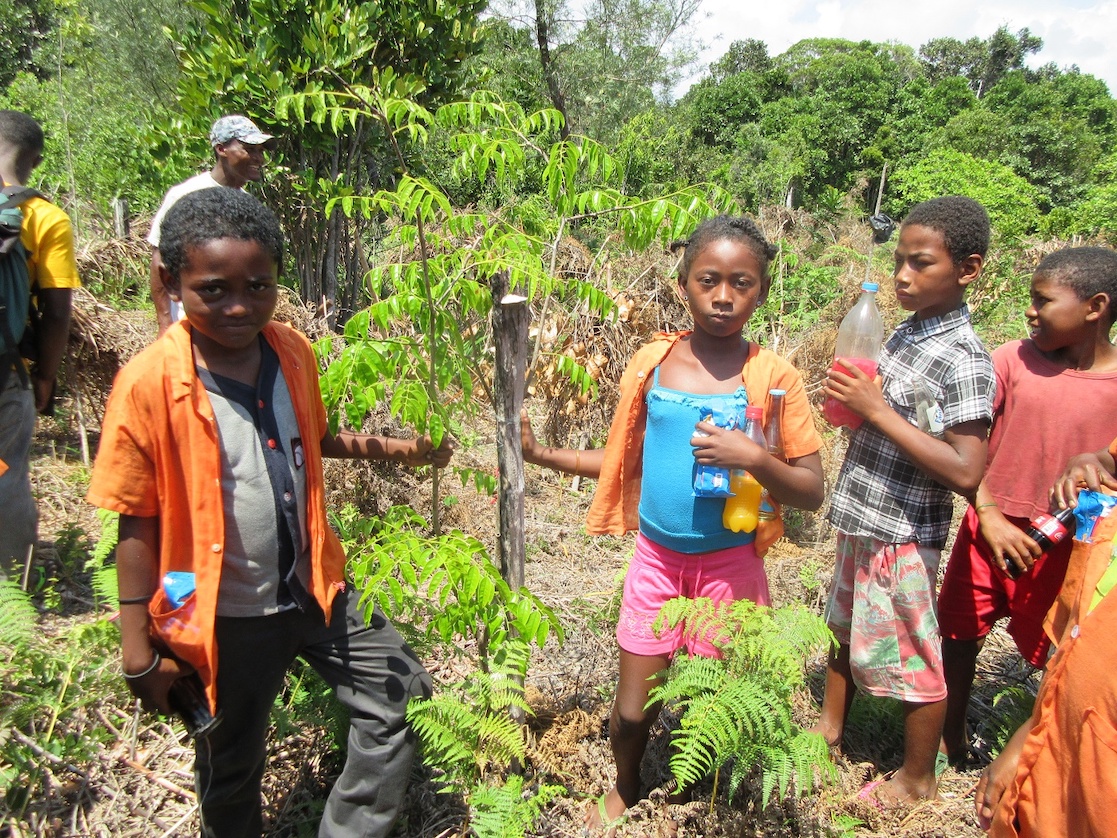
For Madagascar farmer Edmond, who goes by one name, it was a breakthrough. In 2019 he perfected a complicated technique to grow a rare species of tree known as Dalbergia normandii.
The plants hail from a valuable, and difficult-to-propagate family of trees known as rosewoods, which have been felled near to the point of extinction in many parts of Madagascar.
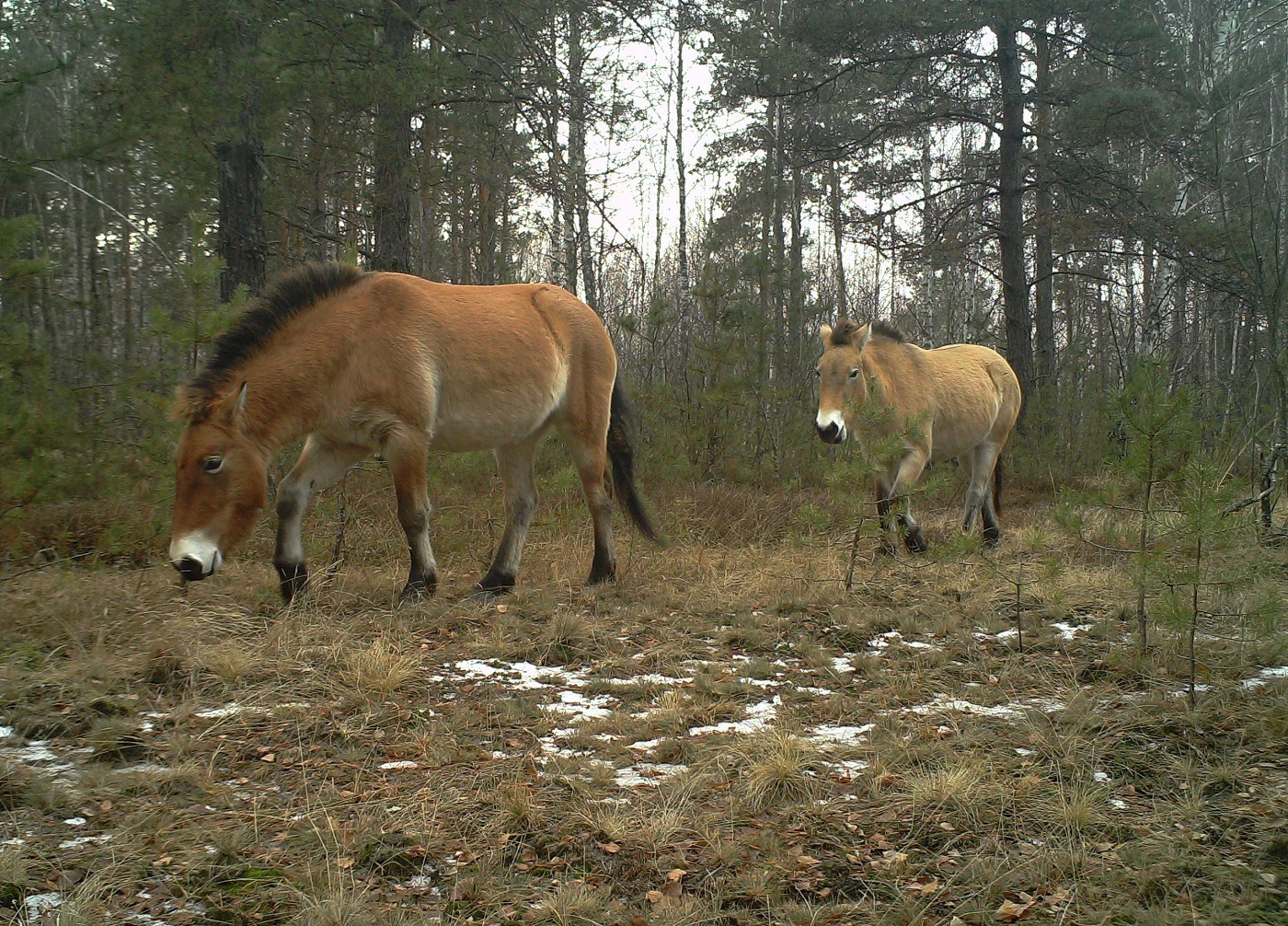
Many people think the area around the Chernobyl nuclear plant is a place of post-apocalyptic desolation. But more than 30 years after one of the facility’s reactors exploded, sparking the worst nuclear accident in human history, science tells us something very different.
Showing 76 - 100 of 164

The Global Environment Facility (GEF) includes several multilateral funds working together to address the planet's most pressing challenges in an integrated way. Over the past three decades, the GEF has provided more than $26 billion in financing, primarily as grants, and mobilized another $148 billion for country-driven priority projects.