
Resources
Showing 1 - 25 of 46
46 results found
Led by the United Nations Environment Programme (UNEP) with funding from the Global Environment Facility (GEF), the planetGOLD programme works to make small-scale gold mining safer, cleaner, and more profitable from mine to market—by closing the financing gap, supporting formalization, and connecting miners with mercury-free technology and formal markets.
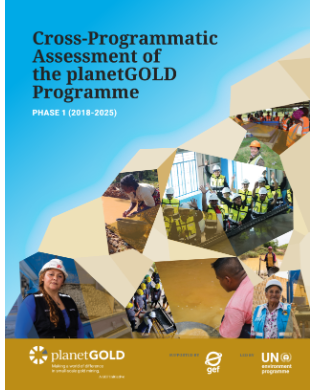
This report provides a cross-programmatic assessment of the first phase (2018-2025) of the planetGOLD programme, which comprised nine country-level projects as well as a global coordination project. The report first examines planetGOLD’s strategies for ASGM development in terms of formalization, technology transfer, financial and market access, and communications, and includes observations and recommendations for activities under each pillar.

Climate transparency is a powerful tool for driving meaningful environmental action. Explore how data transparency can empower organizations, governments and individuals to make informed decisions that accelerate climate progress and shape a sustainable future.
The planetGOLD newsletter shares updates from a global effort to make artisanal and small-scale gold mining responsible and safer. Each issue highlights project milestones, mercury-free technologies, policy progress, and stories from miners and communities working toward a cleaner gold sector.

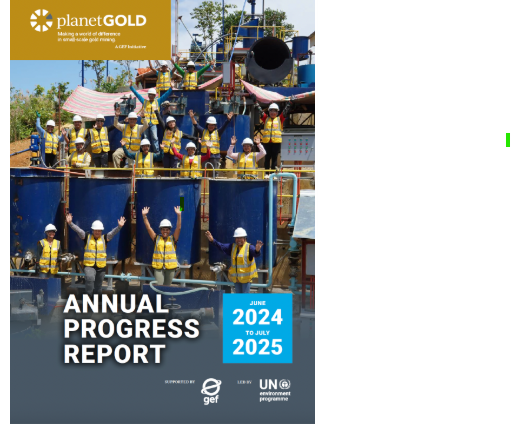
As the first phase of planetGOLD projects nears completion, this past year has seen significant milestones, including the installation of mercury-free processing plants and new finance mechanisms for miners. These achievements pave the way for sustainable, mercury-free artisanal and small-scale gold mining (ASGM). The programme has expanded, with two new countries joining the 25 ongoing projects in its second phase. The first in-person Global Forum on ASGM, held in June 2024 in the Philippines, brought together nearly 200 stakeholders from over 35 countries.

With a focus on accelerating urban climate finance and multi-level government, UrbanShift's third annual report dives into stories of progress and innovative ideas from across our network. UrbanShift's fourth year precipitated tremendous progress across the network of 23 cities as they advance sustainable solutions, and powerful calls to accelerate the flows of finance to cities so they can continue this transformational work.

The Tank Cascade Systems (TCSs) of Sri Lanka, over 2000 years old, are vital for life, livelihood, and nature in the country’s arid regions, covering 22.5% of the land. The GEF-funded Healthy Landscapes Project, in collaboration with UNEP and other partners, has successfully restored these systems, enhancing biodiversity and providing alternative livelihoods such as fishing, beekeeping, and ecotourism. This project has also reduced human-wildlife conflicts and improved farmers’ incomes through initiatives like seed banks.

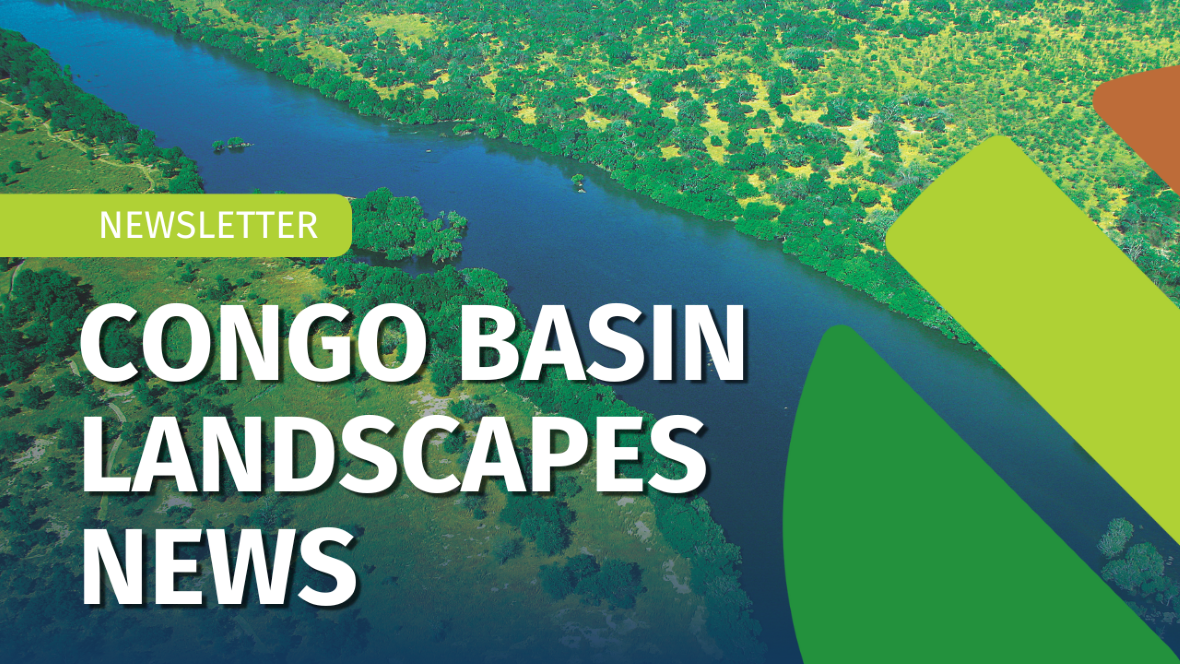
Welcome to Aqua Read, your source of environmental news and updates relating to UNEP-GEF International Waters projects and programmes worldwide. We've got you covered from transboundary water governance and sustainable blue economy to coastal and marine ecosystems, water security, river basins and open oceans. Stay informed with our impactful solutions, compelling project stories, and significant events of this quarter.

Welcome to Aqua Read, your source of environmental news and updates relating to UNEP-GEF International Waters projects and programmes worldwide. We've got you covered from transboundary water governance and sustainable blue economy to coastal and marine ecosystems, water security, river basins and open oceans. Stay informed with our impactful solutions, compelling project stories, and significant events of this quarter.

Welcome to Aqua Read, your source of environmental news and updates relating to UNEP-GEF International Waters projects and programmes around the world. From transboundary water governance and sustainable blue economy to coastal and marine ecosystems, water security, river basins and open oceans, we've got you covered. Stay informed with our impactful solutions, compelling project stories, and significant events of this quarter.

In this State of Finance for Nature (SFN) publication, developed as an addendum to the 2022 SFN report, UNEP and the Penn Institute for Urban Research seek to take stock of urban Nature-based NbS investments, outline gaps and opportunities for NbS financing in cities, and map out best practices from cities around the world.

As engines of the global economy and centers of creativity and innovation, cities have always possessed enormous potential for change. They play a critical role, not only in championing climate action and reaching the goals of the Paris Agreement, but in building back better from the aftermath of COVID-19 and mobilizing resources to protect the lives and livelihoods of the world’s 4.4 billion urban residents.

Welcome to Aqua Read, your source of environmental news and updates relating to UNEP-GEF International Waters projects and programmes around the world. From transboundary water governance and sustainable blue economy to coastal and marine ecosystems, water security, river basins and open oceans, we've got you covered. Stay informed with our impactful solutions, compelling project stories, and significant events of this quarter.

The Ecosystem-based Adaptation Briefing Note Series aims to foster a common understanding of key concepts, issues and considerations to help design, plan and implement successful ecosystem-based adaptation (EbA) initiatives. It highlights issues, trade-offs and tensions that need to be addressed to enable EbA to form part of – and contribute to – the wider landscape of climate change adaptation in the context of sustainable development.
This briefing note explores the strategy of EbA in forest ecosystems. It includes two case studies from Mexico and the Gambia.

The Ecosystem-based Adaptation Briefing Note Series aims to foster a common understanding of key concepts, issues and considerations to help design, plan and implement successful ecosystem-based adaptation (EbA) initiatives. It highlights issues, trade-offs and tensions that need to be addressed to enable EbA to form part of – and contribute to – the wider landscape of climate change adaptation in the context of sustainable development.
This briefing note explores the strategy of EbA in agricultural systems. It includes two case studies from Cambodia and Sudan.

The Ecosystem-based Adaptation Briefing Note Series aims to foster a common understanding of key concepts, issues and considerations to help design, plan and implement successful ecosystem-based adaptation (EbA) initiatives. It highlights issues, trade-offs and tensions that need to be addressed to enable EbA to form part of – and contribute to – the wider landscape of climate change adaptation in the context of sustainable development.
This briefing note explores the strategy of EbA on coasts. It includes two case studies from Tanzania and Madagascar.

The Ecosystem-based Adaptation Briefing Note Series aims to foster a common understanding of key concepts, issues and considerations to help design, plan and implement successful ecosystem-based adaptation (EbA) initiatives. It highlights issues, trade-offs and tensions that need to be addressed to enable EbA to form part of – and contribute to – the wider landscape of climate change adaptation in the context of sustainable development.

The dryland forests of the Barind Tract and the wetlands of the Haor Area of Bangladesh provide a range of valuable ecosystem services to local communities that derive most of their income from agriculture and fishing. Climate change impacts, including droughts and floods, are harming communities that live in Haor and the Barind Tract, damaging agricultural productivity and fisheries.

The Mediterranean Sea region is suffering from the impacts of climate change on its coasts, worsened by rapid urbanization and high rates of deforestation and ecosystem degradation. A project is strengthening the capacities of countries in the region to implement ecosystem-based adaptation, and to access international climate financing with a view to influencing wider development processes.

Welcome to Aqua Read, your source of environmental news and updates relating to UNEP-GEF International Waters projects and programmes around the world. From transboundary water governance and sustainable blue economy to coastal and marine ecosystems, water security, river basins and open oceans, we've got you covered. Stay informed with our impactful solutions, compelling project stories, and significant events of this quarter.

In 2012, the Government of Tanzania secured funding from the Adaptation Fund and the Global Environment Facility’s Least Developed Country Fund to reduce the negative impacts of climate change on vulnerable communities in coastal areas. The country is facing the impacts of climate change on the coasts through rain-induced flooding and sea-level rise.

In 2012, the Government of Madagascar secured funding from the Adaptation Fund to reduce the negative impacts of climate change on vulnerable communities. Madagascar’s rice sector is experiencing climate change through alterations in rainfall patterns and a rise of temperatures, leading to a reduction of water availability and decreasing yields.

In 2011, the Government of Lesotho secured funding from the Global Environment Facility’s Least Developed Country Fund to reduce the negative impacts of climate change on vulnerable communities.
A central approach of the project was to build the resilience of vulnerable communities by strengthening Lesotho’s climate information and forecasting systems, which contribute to communities’ adaptive capacity regarding preparation for extreme weather events.

The UNEP GEF Chemicals and Waste Portfolio has implemented multiple projects since 2003 that have helped countries that are party to the Stockholm Convention to establish control over their DDT use and stocks. Find out more about DDT and our projects through our Chemicals Brief.
Showing 1 - 25 of 46
The Global Environment Facility (GEF) includes several multilateral funds working together to address the planet's most pressing challenges in an integrated way. Over the past three decades, the GEF has provided more than $26 billion in financing, primarily as grants, and mobilized another $148 billion for country-driven priority projects.