


Extreme heat events, once rare, now strike nearly three times as often.
Around 489,000 people die from heat-related causes every year
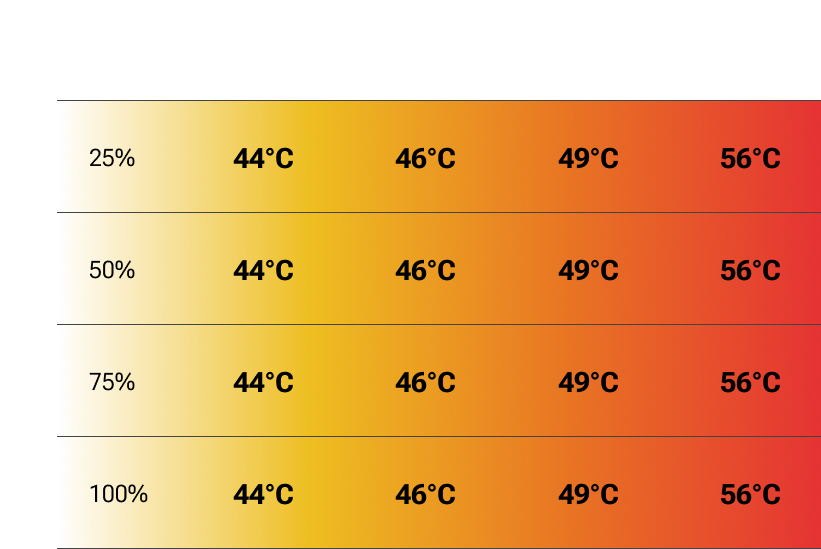
Number of cities that experience above 50°C for at least 5 days each year
Extreme heat is pushing people, infrastructure, and ecosystems beyond safe limits, with cities hit hardest.
Until recently, no city in the world experienced five days above 50°C in a year.
Today, more than 100 cities do and this could rise to around 150 cities at 2°C of warming...
...and about 250 at 3°C
In addition, there is no single definition of unlivable heat. In some cities it may be 30°C; in others, 50°C – shaped by infrastructure, local conditions including wind and humidity, and people’s capacity to cope.
Heat stress is not defined by temperature alone. A dry 40°C day can feel very different from a humid 35°C day where the body struggles to cool itself through sweat.
Extreme heat has two main causes:.
First, human-caused greenhouse gas emissions, which are warming the planet and making heatwaves more frequent, intense and prolonged.
Second, cities further amplify these impacts. Closely packed buildings and paved surfaces absorb and trap heat, releasing it back into the surrounding environment.
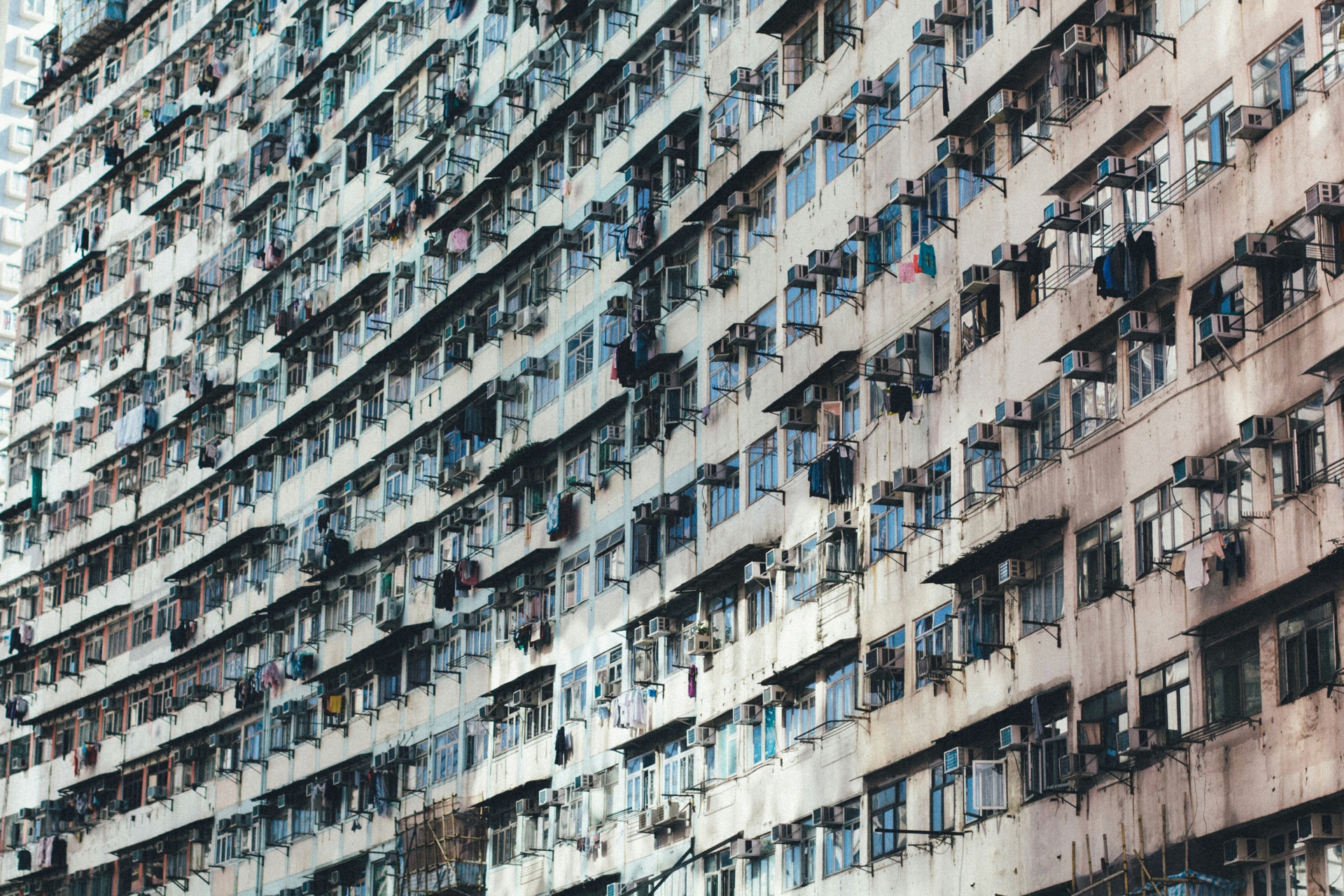
This phenomenon - known as the urban heat island effect - can make cities 5°C to 10°C warmer than nearby areas.
Extreme heat is not just a climate issue - it's an inequality issue. Its impacts are not shared equally, with older people, children, outdoor workers and low-income communities facing the highest risks and bearing the greatest burden.
Did you know? 2.4 billion workers - over 70 per cent of the global workforce - are exposed to excessive heat each year.

We must respond by massively increasing access to low-carbon cooling; expanding passive cooling - such as natural solutions and urban design; and cleaning up cooling technologies while boosting their efficiency.
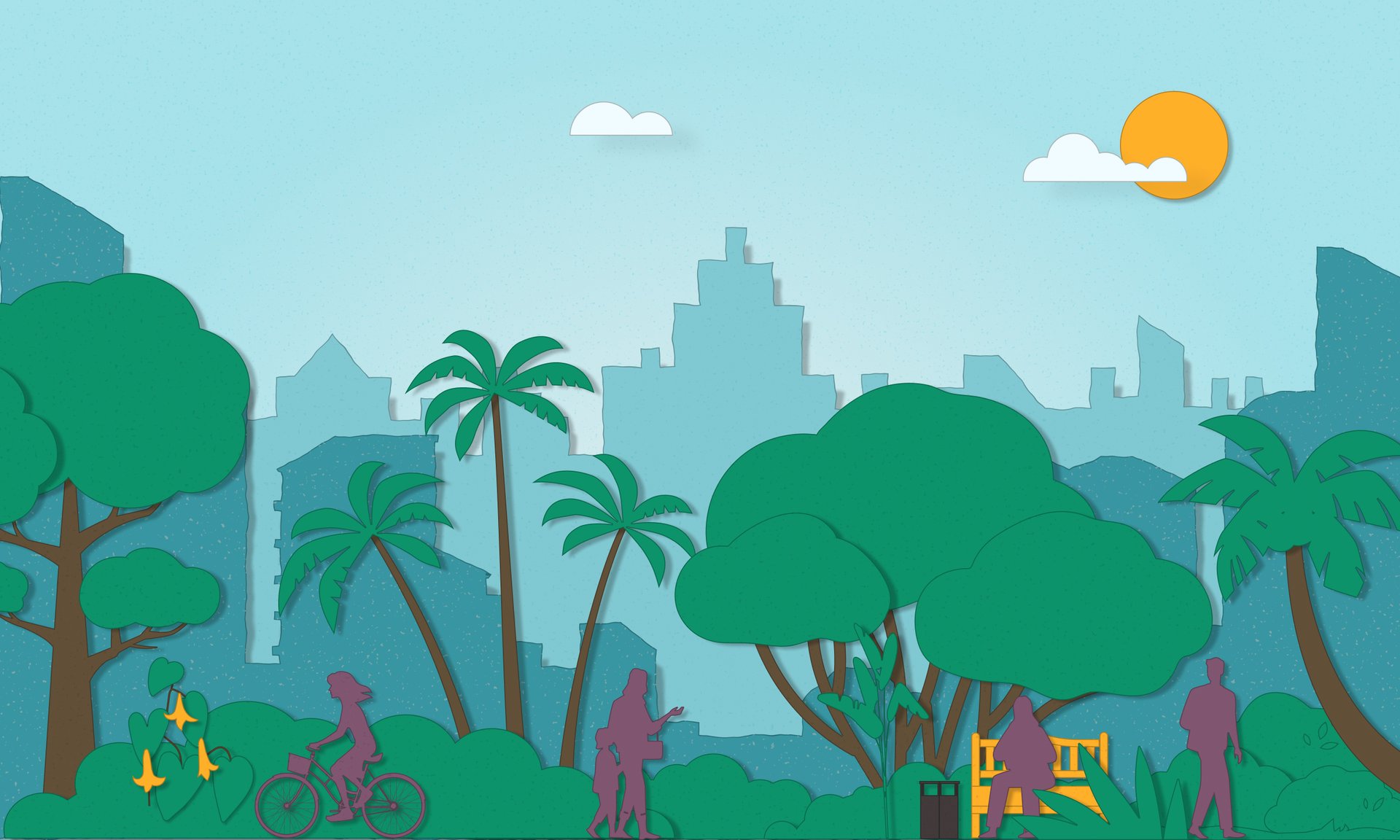

Some cities have already hit their limits. Others are racing towards them.
Cities are already rethinking how they grow and function: redesigning streets and buildings, expanding shade and urban forests, scaling sustainable cooling and clean energy, and adopting smarter materials and ventilation.
These solutions can reduce indoor air temperatures by up to 8°C without adding to the emissions driving climate change.
People protected from dangerous heat by 2050
Avoided in energy and infrastructure costs by 2050
Of cooling emissions slashed by 2050
© 2021 Probable Futures, a Project of Durable Capital for Sustainable Outcomes, DBA The Resiliency Company
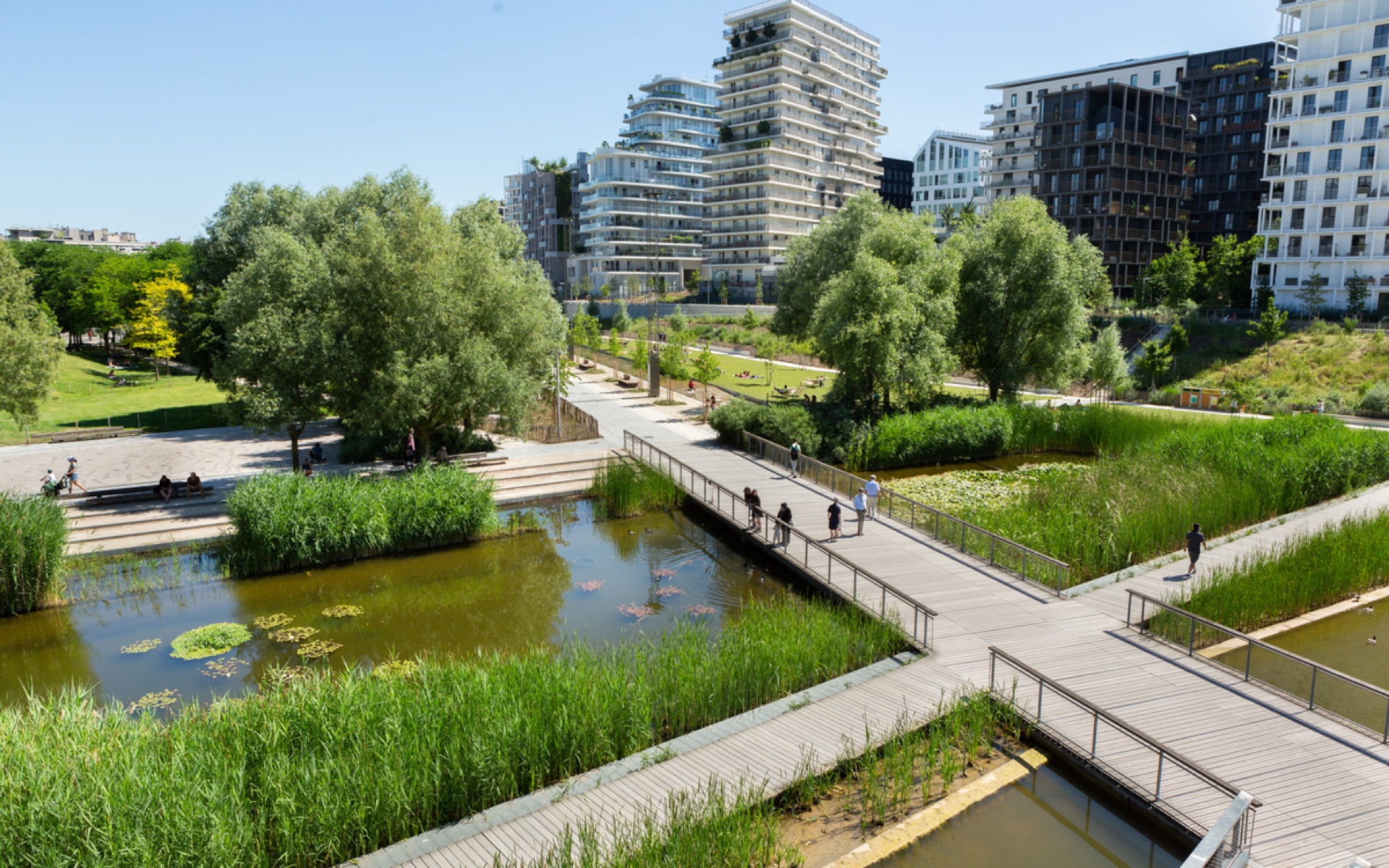


Paris demonstrates how cities can prepare for extreme heat by combining preparedness and long-term urban transformation.
Through its Paris at 50°C exercise, the city mobilized institutions, partners and residents to simulate extreme heat scenarios, test crisis response systems and strengthen collective preparedness.
At the same time, Paris is adapting its urban environment to a hotter future through a range of cooling measures: expanding urban forests and shaded streets, greening schools and housing, introducing water features, using reflective materials, improving airflow, and mapping vulnerable neighbourhoods to target interventions.
Chennai and other cities across India are implementing Heat Action Plans — coordinated strategies to prepare for and respond to extreme heat — that include early warnings, public awareness campaigns, cooling shelters, water access, emergency support for vulnerable groups, and coordination between hospitals, schools, and local authorities.
Chennai is going beyond emergency measures and looking towards long-term action on heat. The city is working to integrate heat resilience into its new masterplan — including increased coverage of nature and encouraging passive cooling in new buildings.
The city is also taking up high priority projects like affordable housing and schools for retrofit with passive cooling measures to bring relief for vulnerable populations.
India's experience also highlights that dangerous heat is not only about peak temperatures, but about humidity, night-time heat, housing conditions, and the body's ability to recover.
Cities in Brazil like Teresina are using urban forests, parks, wetlands, rivers, and green corridors to cool neighbourhoods, reduce flood risks, improve air quality, and support wellbeing. Community gardens, shaded public spaces, and water-based cooling systems are also part of the approach.
Brazil highlights how Nature-based Solutions can create healthier, more liveable cities.
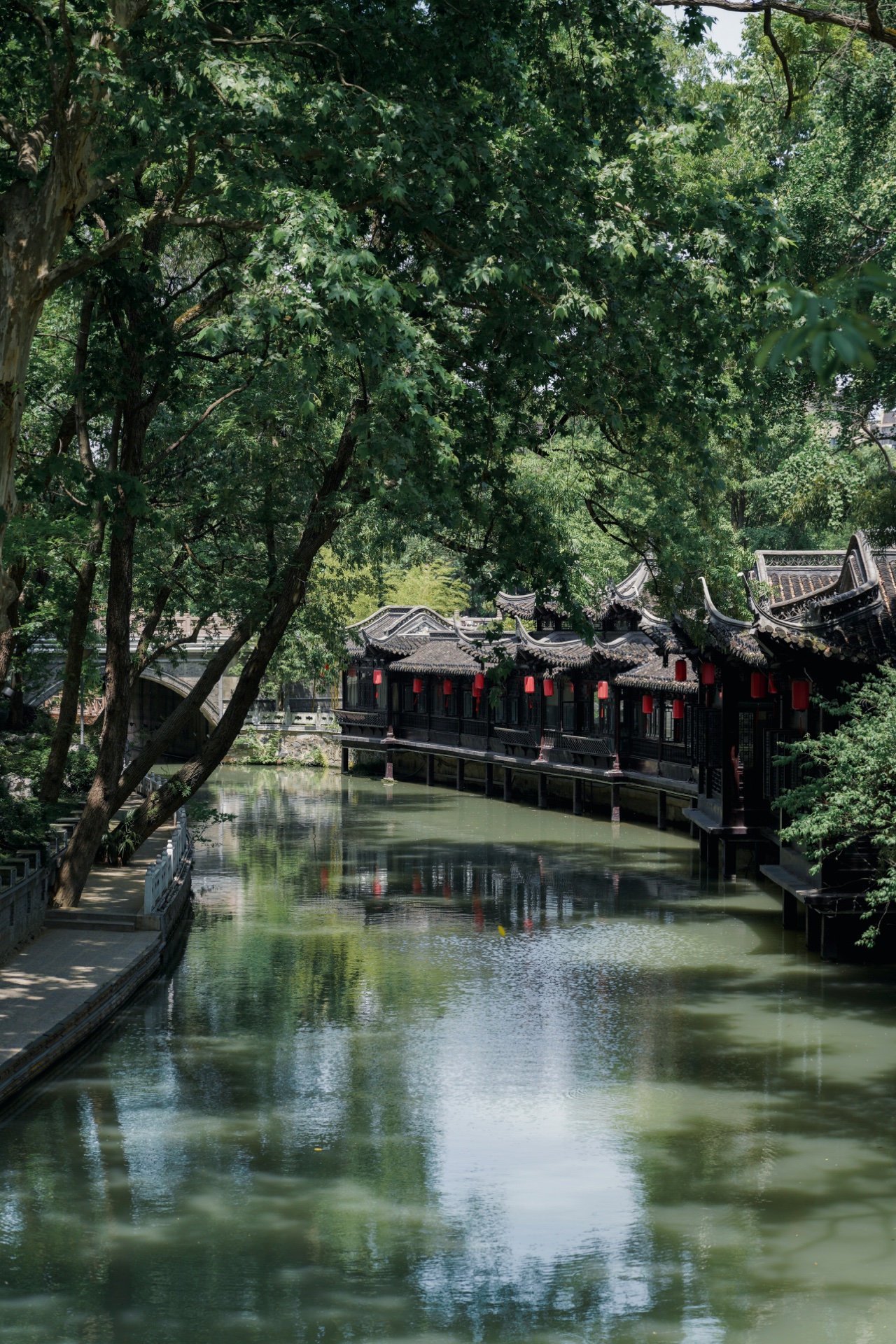
Yangzhou is embedding heat adaptation into long-term urban planning through ecological restoration, sponge city development, and climate-resilient urban management. Former landfill sites are being transformed into ecological parks with native vegetation, while large-scale wetland and riverbank restoration projects along the Yangtze River and Grand Canal are strengthening ecological buffers and reducing urban heat island effects.
As a national pilot city for climate-resilient urban development, Yangzhou is shifting away from high-temperature waste management and developing an integrated low-carbon waste management.
The city is also expanding sponge city measures, including rain gardens, permeable surfaces, and green public spaces, to address extreme heat. Yangzhou shows how adaptation can be integrated across entire urban systems at scale.
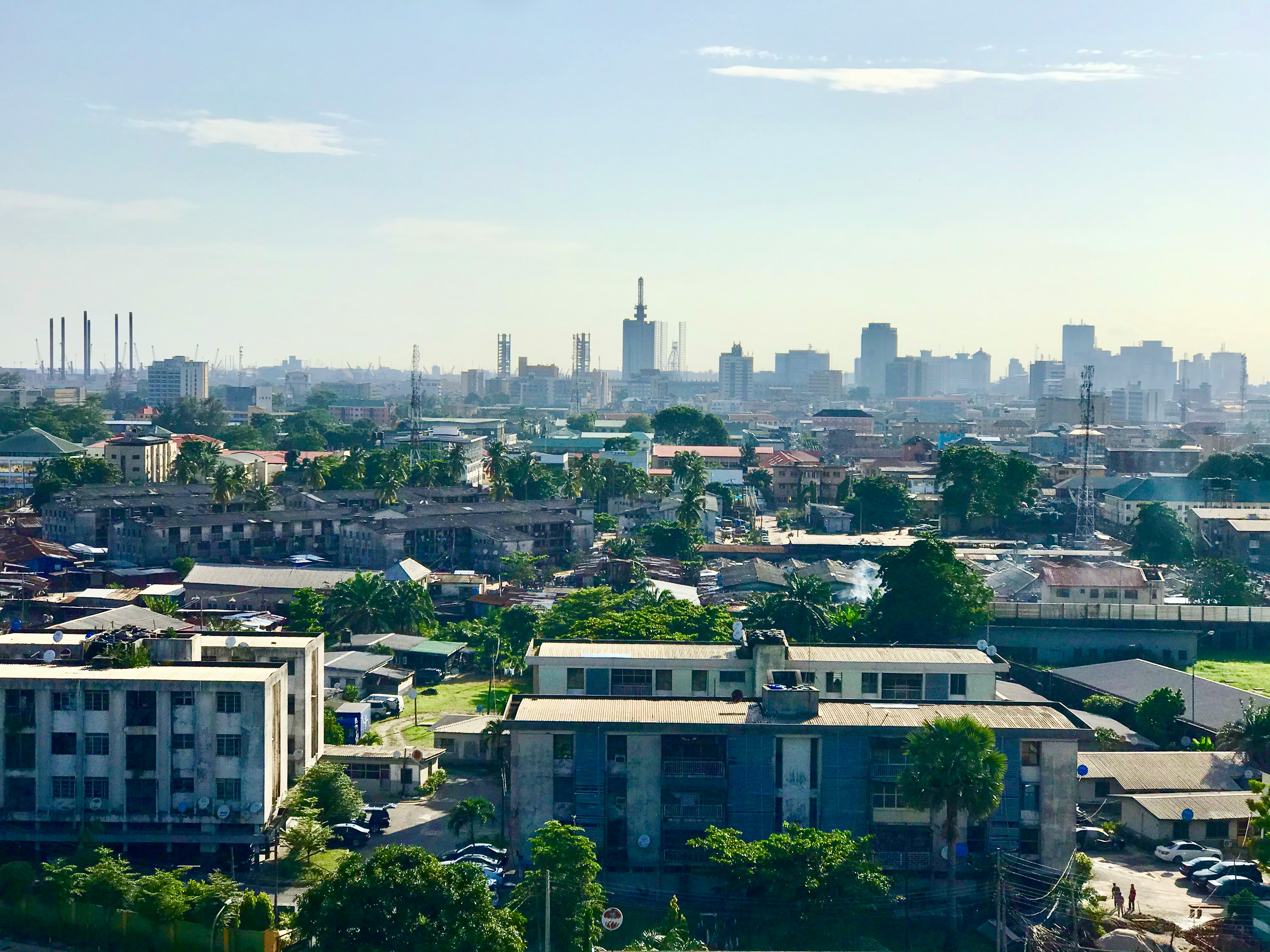
In Nigeria, Lagos is becoming hotter due to high temperatures, humidity, and rapid urban growth. To respond, Lagos State Parks and Gardens Agency planted over 6.2 million trees and established 327 parks and gardens since 2008.
This is the largest sustained urban-tree programme led by a sub-national government on the continent. The programme created approximately 96,484 jobs.
Under the Lagos Climate Adaptation and Resilience Plan, one key objective is to plant 50,000 climate-resilient trees every year and restore 300 urban parks to reduce temperatures across the city. An early warning system will also be developed to better prepare residents.
The plan aims to raise between $700 million and $1.3 billion annually, with total expected financing of about $9–$16 billion by 2035.
UNEP addresses extreme heat by promoting sustainable cooling solutions.
It leads global efforts such as the Cool Coalition and the Global Cooling Pledge, which aim to cut cooling-related emissions and expand access to sustainable and affordable cooling. UNEP supports countries and cities through initiatives like “Beat the Heat”, helping them assess heat risks, adopt passive and nature-based cooling etc.
It also works on buildings - a critical frontline for heat exposure - through partnerships such as the Global Alliance for Buildings and Construction.
In addition, UNEP contributes to heat resilience through ecosystem-based approaches under the UN Decade on Ecosystem Restoration.
Overall, UNEP's approach combines adaptation and mitigation - ensuring people can stay cool in rising temperatures without accelerating climate change.
This activation draws from the Paris at 50°C exercise conducted by the City of Paris in 2023, and on data and content from Probable Futures, a project of Durable Capital for Sustainable Outcomes (The Resiliency Company), including data sourced from Woodwell Climate Research Center, Inc. and CORDEX.