

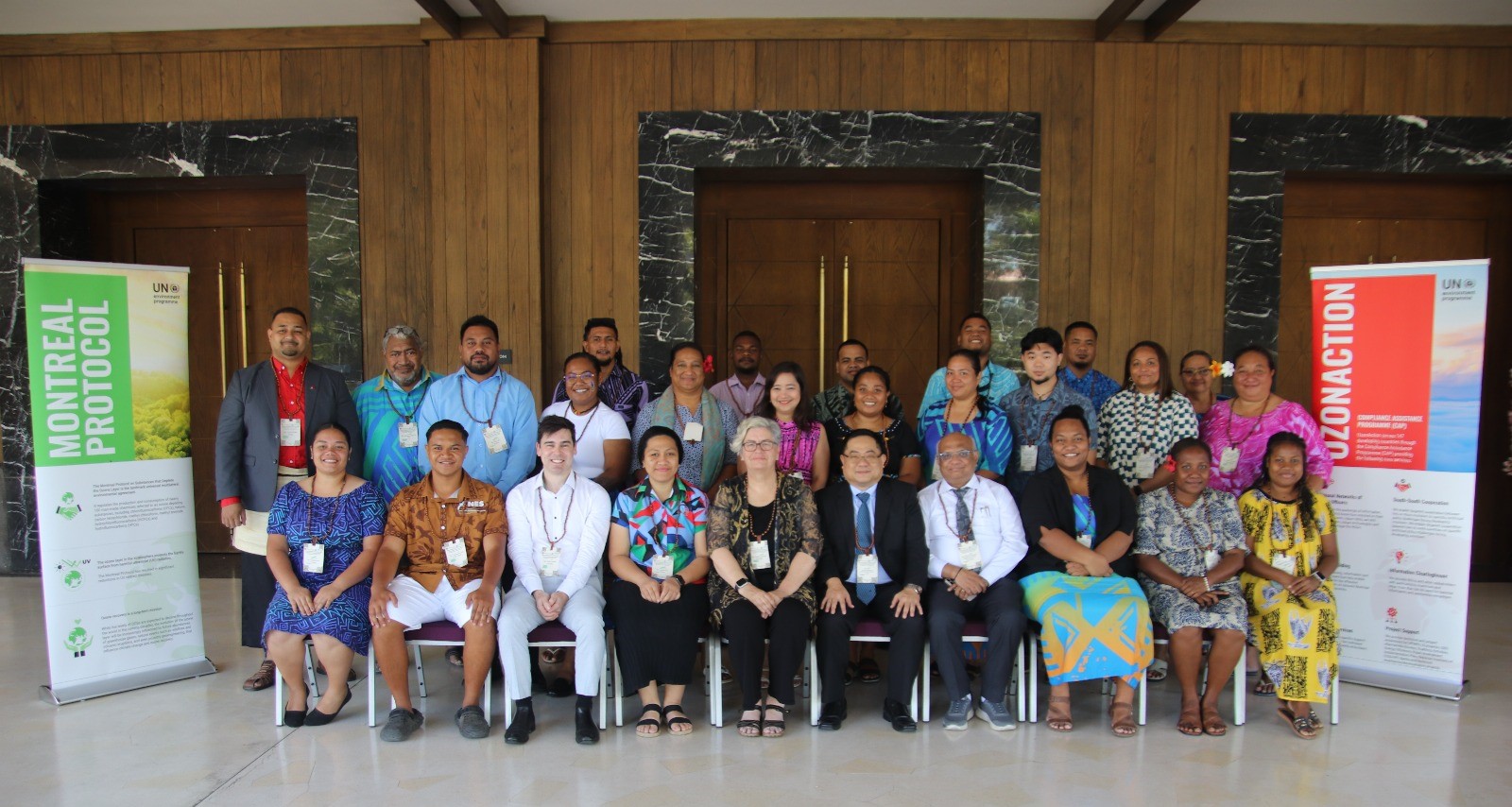
Nadi, Fiji, 3 October 2025 – Ozone Officers from 14 Pacific Island Countries (PIC) and partner agencies gathered in Nadi, Fiji, for a week-long series of meetings aimed at strengthening regional cooperation under the Montreal Protocol and the Kigali Amendment. The Network Meeting of PIC National Ozone Officers (NOOs) and the Thematic Workshop on Follow-up Actions on HFC Licensing, Quota System, and Data Collection under National Inventory were jointly organized by UNEP OzonAction team in Asia and the Pacific and the Ministry of Environment and Climate Change of Fiji from 29 September - 3 October 2025 with 34 participants (18 females/16 males).
The events, supported by the Multilateral Fund for the Implementation of the Montreal Protocol, provided a platform for NOOs to share experiences, enhance technical knowledge, and review national progress in simultaneously implementing phase-out of hydrochlorofluorocarbons (HCFCs) and phase-down strategies for hydrofluorocarbons (HFCs).
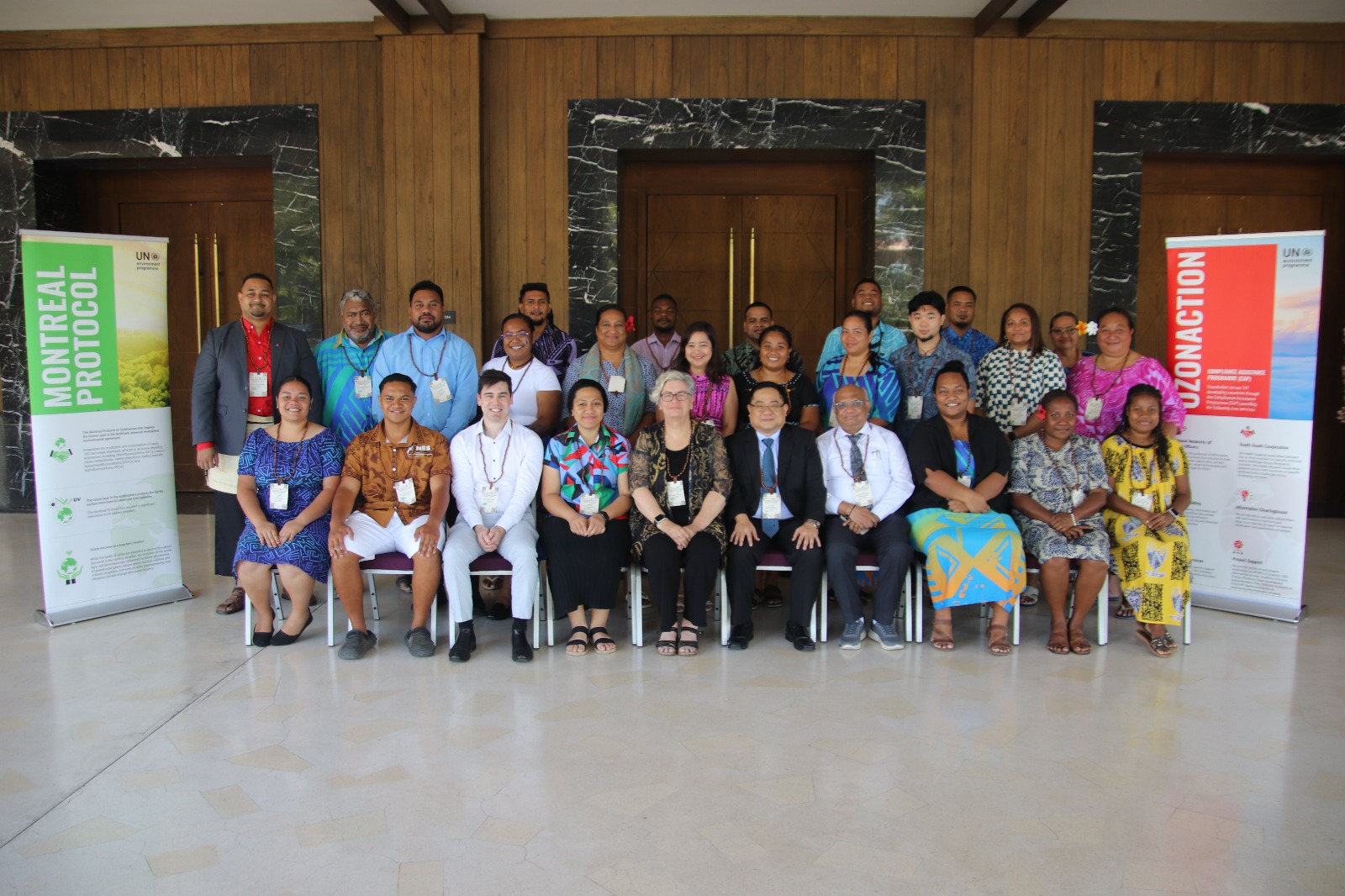 The Network Meeting opened with remarks from UNEP, the Ozone Secretariat, the Multilateral Fund Secretariat, and the Government of Fiji. Participants received updates on outcomes of key Montreal Protocol meetings, including the 74th Implementation Committee (IMPCOM74), the 47th Open-ended Working Group (OEWG47), and the 96th Executive Committee (ExCom) meeting. Participants also discussed the upcoming 37th Meeting of the Parties (MOP37), an informal meeting on facilitating the implementation of the Montreal Protocol, and the 97th ExCom Meeting, scheduled for later in 2025.
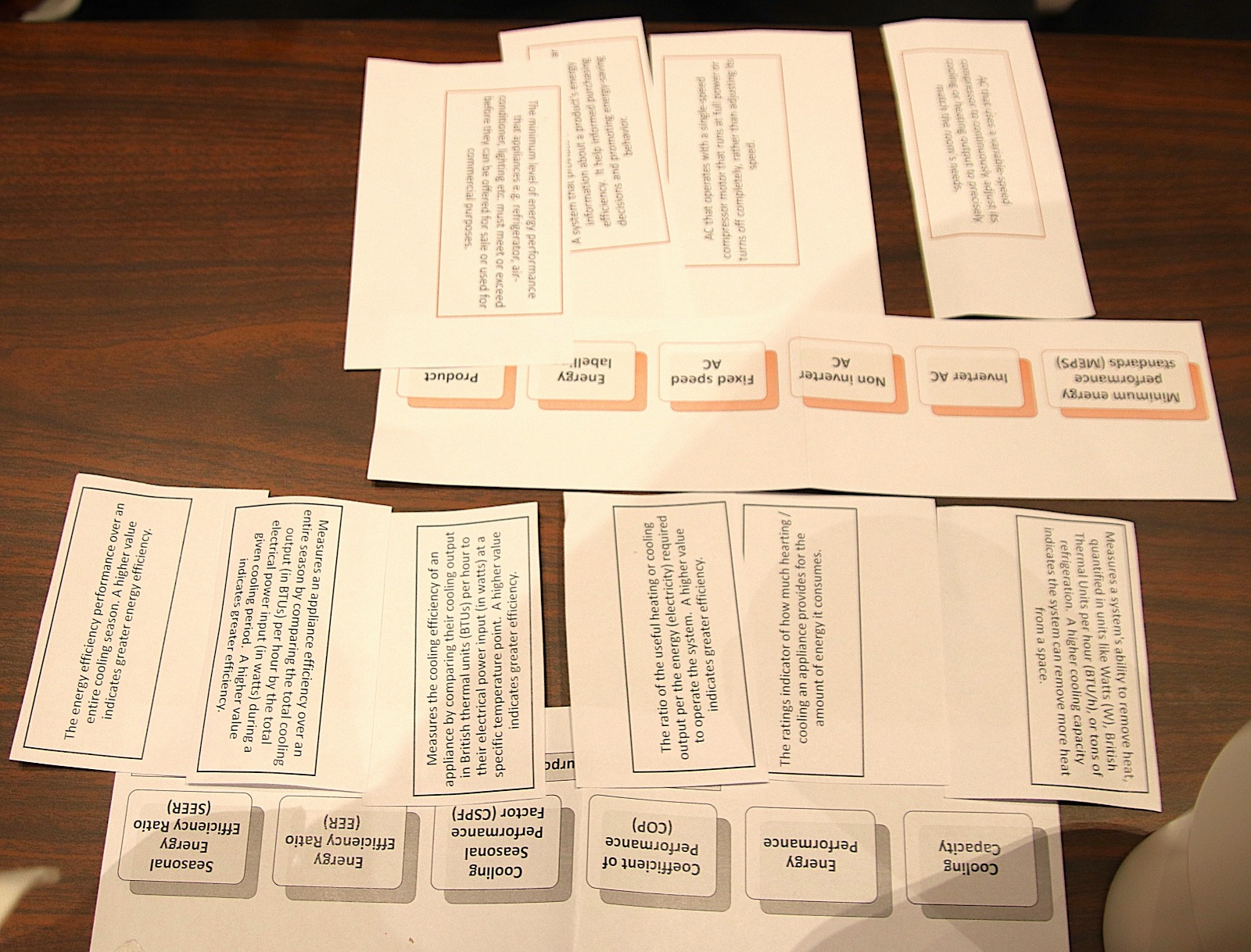
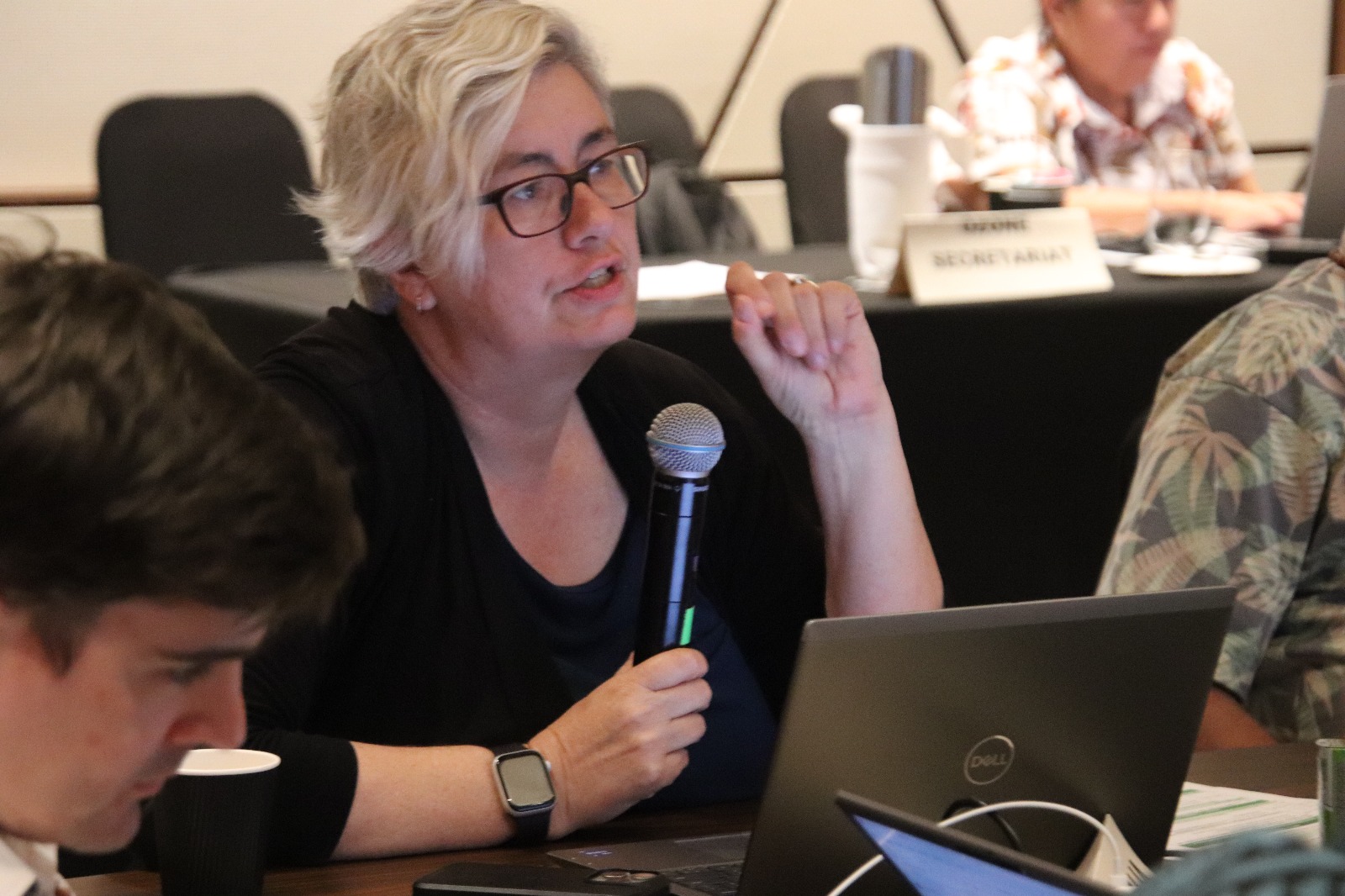 The technical sessions emphasized the capacity building of NOOs on key terminologies to enhance communication with relevant national stakeholders related to refrigerant life-cycle management such as the difference among refrigerant banks, recovery, recycling, reclamation, and different types of refrigerant cylinders and safety. Capacity building also included terminologies related to energy efficiency such as cooling capacity and its measurement, Minimum Energy Performance Standards (MEPS), Coefficient of Performance (COP), Energy Efficiency Ratio (EER) and energy labelling. The meeting also introduced a new digital simulation model, known as “Kigali SIM,” to support Pacific nations in forecasting and monitoring the use of controlled substances in various applications.
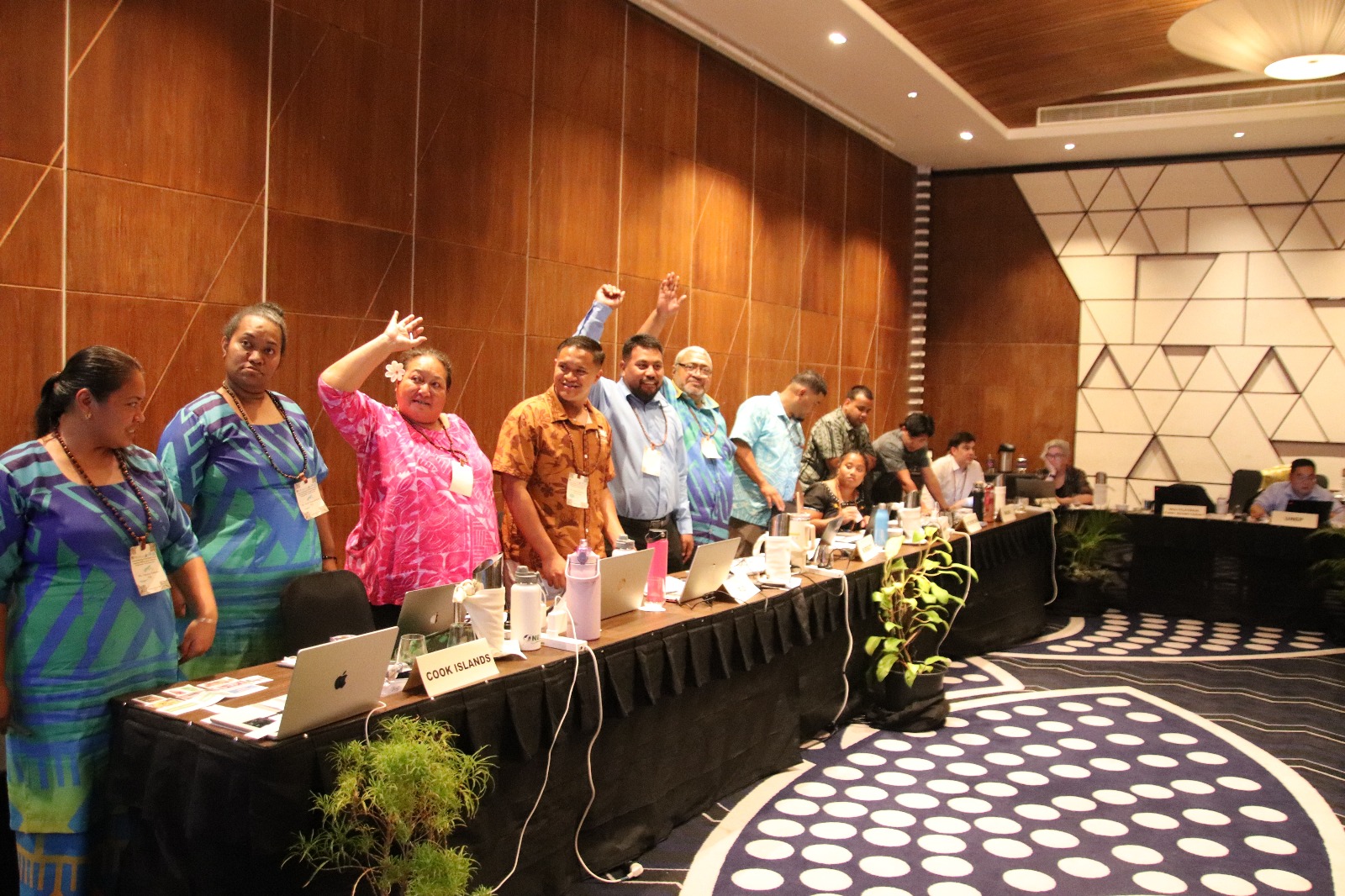 Participants from several countries shared lessons learned from implementing the HCFC Phase-out Management Plan (HPMP) Stage II, First Tranche. They highlighted the importance of harmonized legislation, technician certification, and accurate data reporting to sustain compliance and promote the transition to low-global-warming-potential (GWP) alternatives.
 As part of the network meeting agenda, UNEP presented the Compliance Assistance Programme (CAP) services in 2025 and brainstormed potential CAP services in 2026 to ensure its alignment with the needs of the Pacific countries.
Addressing HFC Licensing and Quota, and Data Collection under the National Inventory
The subsequent Thematic Workshop focused on practical measures to strengthen the HFC licensing and quota system and to enhance data collection under the ongoing National Inventory of Banks of Used/Unwanted Controlled Substances Project. Country presentations showcased progress and challenges in establishing transparent quota systems and enforcing data reconciliation between NOOs and customs authorities. Participants examined ways to integrate customs and licensing systems through electronic platforms to improve accuracy and prevent illegal trade. Discussions also underlined the importance of preparing data and supporting documents in advance to facilitate verification of HFC consumption for the next tranche request under the Kigali HFC Implementation Plan (KIP) in 2027.
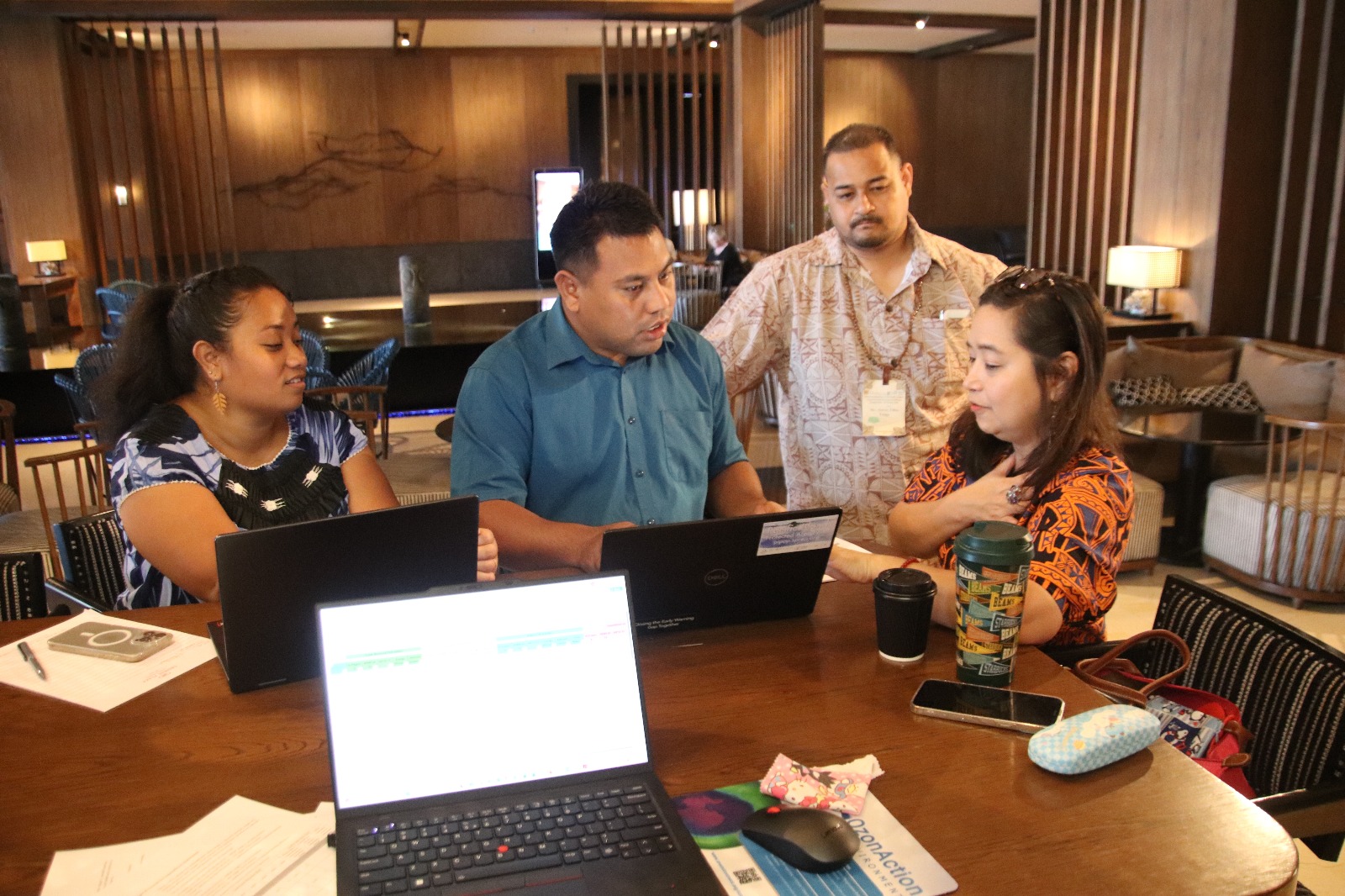
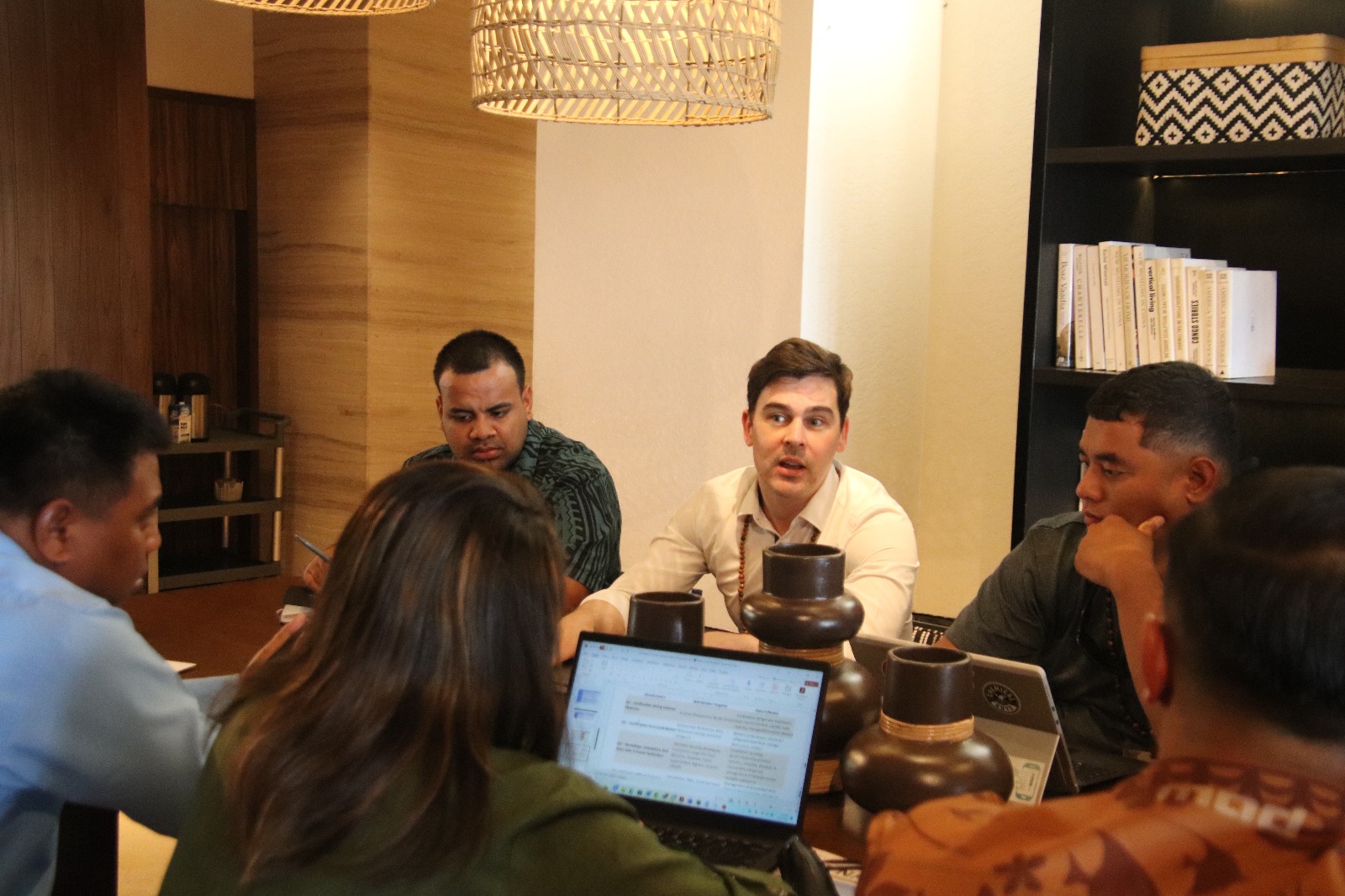
The thematic workshop also discussed regional experience in refrigerant recovery and recycling, emphasizing the need for infrastructure to support this initiative, technician training, and public–private partnerships to establish sustainable refrigerant management systems. Participants also examined the use of alternative refrigerants in fisheries vessels and the feasibility of reprocessing recovered HFCs to meet servicing needs. Two breakout sessions were organized to discuss the way forward in “Addressing Challenges on Licensing and Quota System for Controlled Substances” and “Data Collection under National Inventory Project”.
 |  |
The key outcomes of the network meeting and the thematic workshop were the update on key discussions and decisions related to the Montreal Protocol, identification of CAP services in 2026, and the way forward to strengthening national data systems and customs collaboration, and a strategy to complete the National Inventory by December 2025.
Participants expressed appreciation to the Government of Fiji for its hospitality and leadership, and to UNEP, the Ozone Secretariat, the Multilateral Fund Secretariat, and the Government of Australia for their ongoing technical and financial support. The meetings reaffirmed the Pacific region’s collective resolve to implement the Montreal Protocol and its Kigali Amendment effectively, safeguarding both the ozone layer and the climate system.
For more information:
Mr. Pipat Poopeerasupong
Montreal Protocol Regional Coordinator
Southeast Asia/Pacific Island Countries Network
UNEP OzonAction CAP, Asia and Pacific Office