

Cooling technologies are evolving rapidly. OzonAction provides countries with impartial, up to date information on alternatives that protect the ozone layer, reduce climate impacts and improve performance. This includes natural refrigerants such as hydrocarbons, carbon dioxide and ammonia; low GWP synthetic options; high efficiency equipment; stronger leak prevention practices; and digital tools that enable monitoring and optimisation.
All guidance prioritises safety, performance and suitability for local operating conditions.
Mobile Air Conditioning
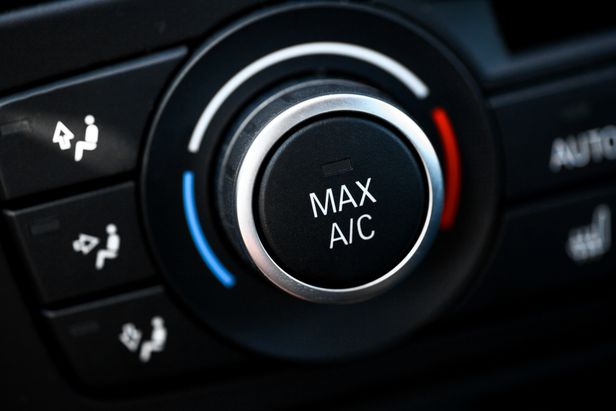
Mobile Air Conditioning (MAC) systems are an important and growing source of refrigerant emissions. As this sector transitioned straight from CFC 12 to HFC 134a, it bypassed HCFCs entirely and was consequently not covered under HPMP control measures so it was not a focus of the NOUs during the HPMP implementation.
Under the Kigali Amendment, the MAC sector has become increasingly important. As countries enter the initial stages of KIP preparation and begin implementing KIPs in parallel with the final phases of their HPMPs, understanding MAC consumption, improving servicing practices and preparing for the introduction of low GWP and sometimes flammable alternatives is essential. OzonAction works with governments, training institutions and servicing enterprises to support these efforts by strengthening containment measures, improving technician competencies, promoting good servicing practices, and facilitating end of life recovery and sound management of refrigerants. The programme also assists LVCs in developing MAC sector inventories, improving data collection and designing national plans aligned with KIP objectives.
Strengthening the MAC sector now forms a critical component of effective KIP implementation and contributes significantly to both ozone protection and climate mitigation.
Sustainable Cold Chain Development
Cold chains underpin food security, agriculture, vaccine distribution and medical services, and they involve a wide range of equipment and processes - from primary production, post harvest handling and storage, to refrigerated transport, retail distribution and temperature controlled healthcare supply systems. Many parts of these chains continue to rely on refrigerants controlled under the Montreal Protocol and the Kigali Amendment and often use older, less efficient technologies.
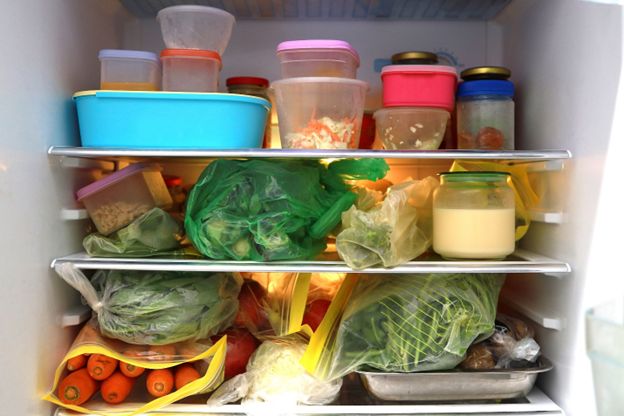
OzonAction helps countries gain a clearer understanding of the structure and needs of their cold chain sectors by supporting assessments of key subsectors, equipment types and refrigerant use patterns. This includes strengthening the capacity of National Ozone Units (NOUs) to map cold chain infrastructure, analyse servicing practices and identify where energy efficient, low GWP alternatives could be introduced.
The programme also keeps NOUs and national stakeholders informed about emerging technologies, new refrigerants and evolving safety considerations, enabling them to make well-informed decisions as they plan their HFC phase down and energy efficiency strategies. This guidance supports the adoption of low GWP and energy efficient solutions for cold storage, refrigerated transport, food distribution and health sector applications, while helping operators and regulators improve overall system performance.
Work in this area contributes to several Sustainable Development Goals, including climate action, zero hunger and good health.