


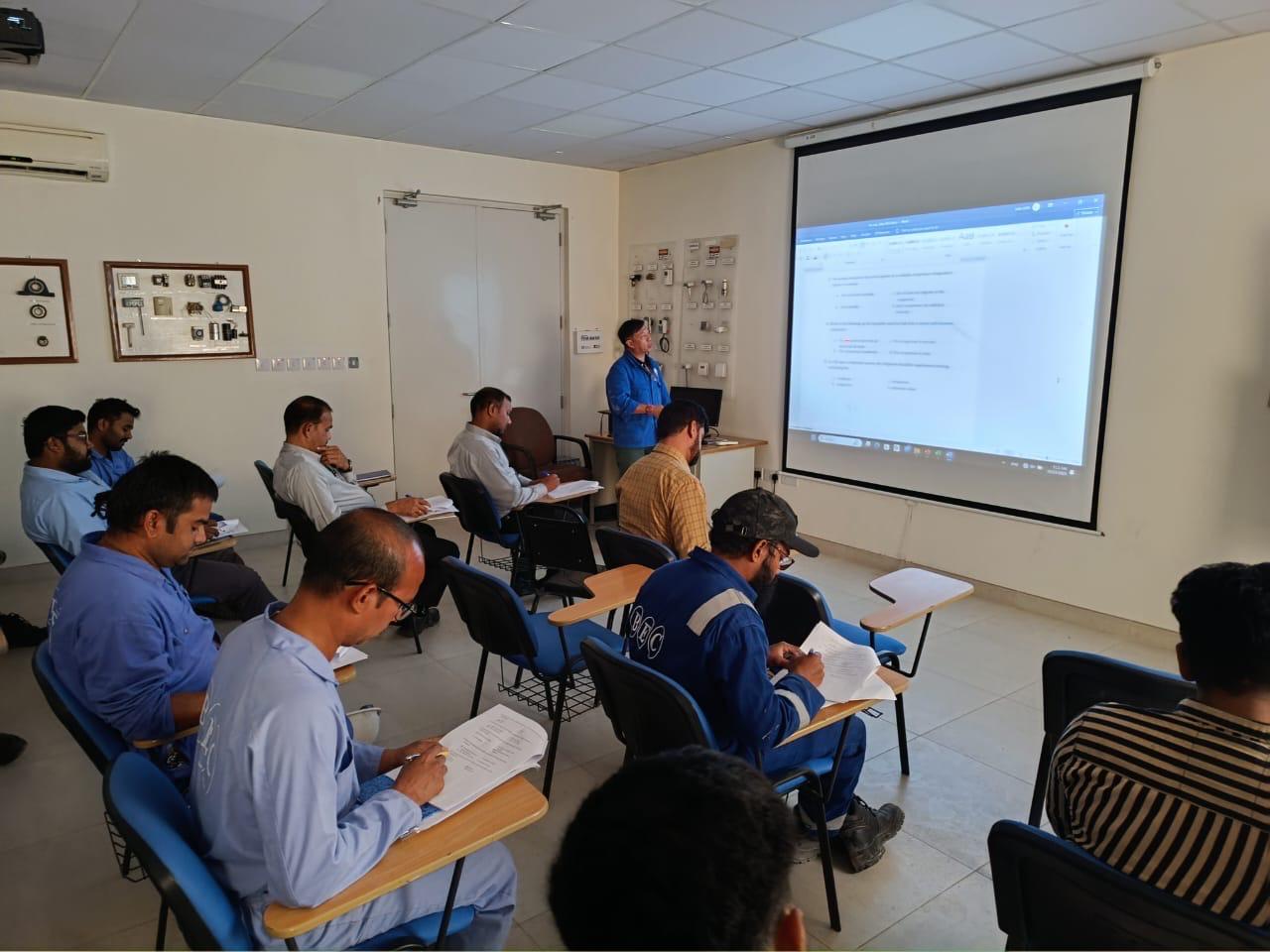
Muscat, Sultanate of Oman, 23 October 2025 – The UN Environment Programme (UNEP) OzonAction Compliance Assistance Programme (CAP) West Asia team, in collaboration with the National Ozone Unit (NOU) of the Sultanate of Oman under the Environment Authority, successfully concluded a national capacity building programme on refrigerant management and compliance with the Montreal Protocol and its Kigali Amendment.
Held in Muscat from 19 to 23 October 2025, the programme featured two consecutive technical workshops aimed at strengthening the Sultanate’s capacity in refrigerant management and enforcement: (1) a Training of Trainers for Customs Officers on Good Practices for Sustainable Compliance with the Montreal Protocol and its Amendments (19–20 October, Customs Training Center, Muscat); and (2) a Training of Trainers and Technicians on Good Practices and Safe Handling of Refrigerants, Leak Detection, and Assessment Method for Certification (22–23 October, Bahwan Engineering Company, Muscat). The workshops were both financed by the Multilateral Fund for the implementation of the Montreal Protocol.
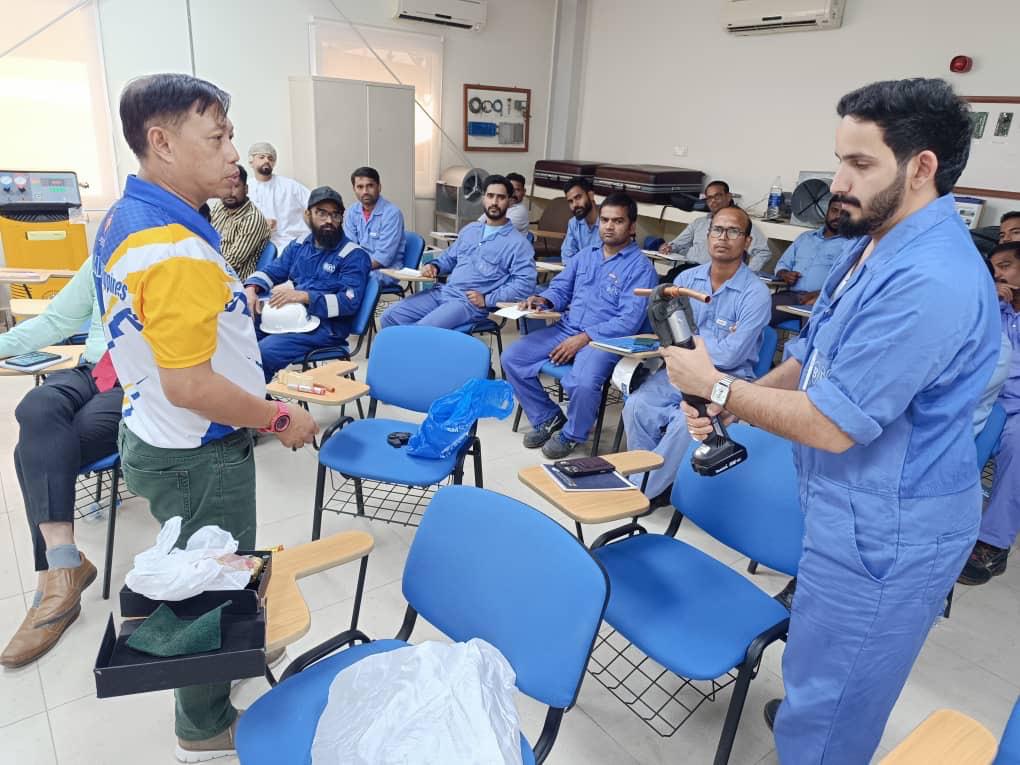 Sixteen Customs officers were trained in monitoring and controlling imports and exports of controlled substances, identifying ozone-depleting substances (ODS) and hydrofluorocarbons (HFCs), and applying inspection procedures to prevent illegal trade. Twenty-four engineers, supervisors, and trainers from Bahwan Engineering Company and the University of Technology and Applied Sciences received hands-on training on leak detection, safe handling of flammable refrigerants, recovery and recycling techniques, and assessment methods to support the development of a national certification system for refrigeration and air-conditioning (RAC) technicians.
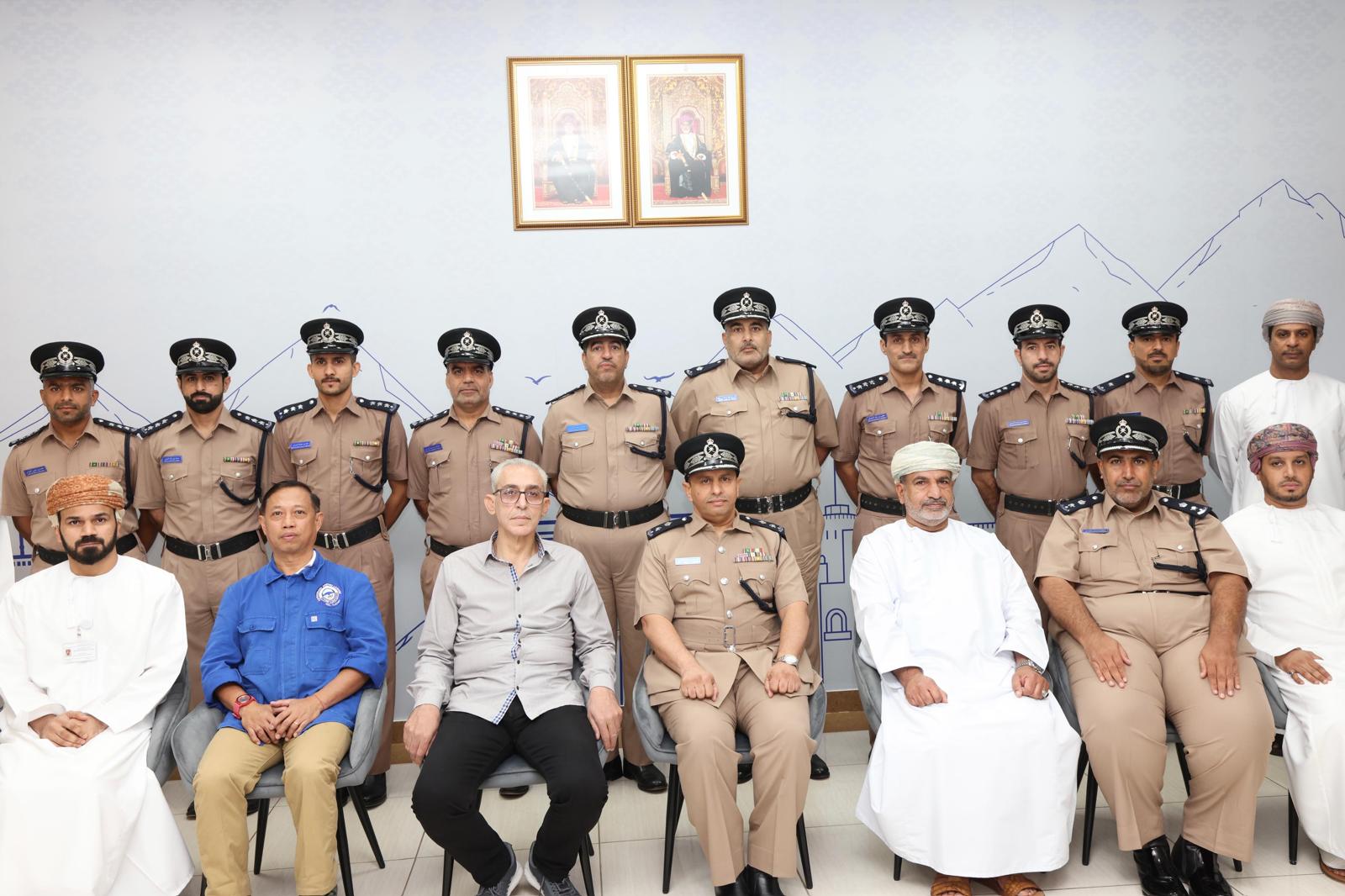 These activities reaffirm Oman’s commitment to sustained compliance with the Montreal Protocol and to advancing the transition toward low-global-warming alternatives. They also strengthened collaboration among enforcement bodies, industry, and training institutions, laying the groundwork for a more coordinated and sustainable approach to refrigerant management.
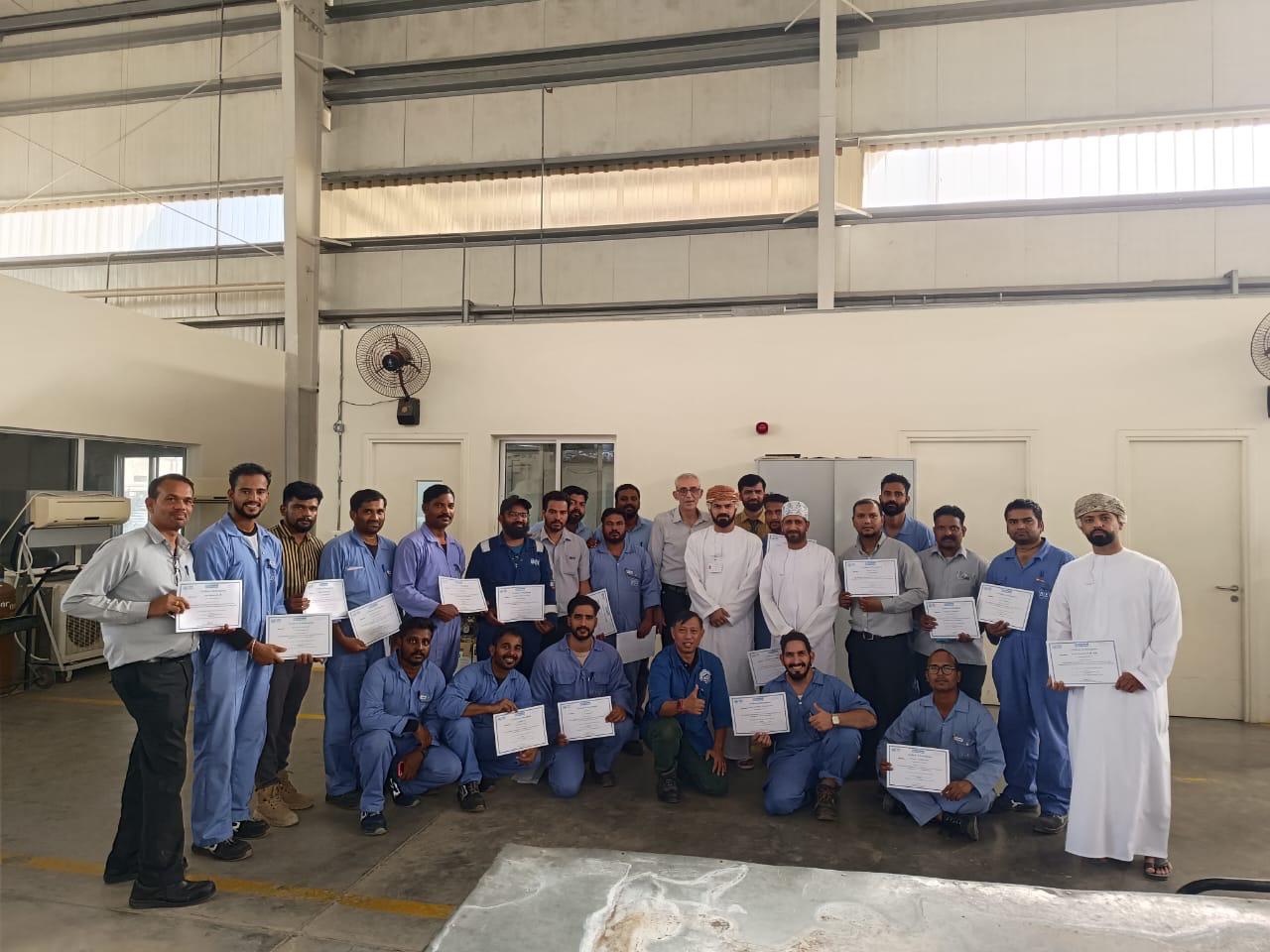 Participants valued the interactive and practical format, which combined technical discussions with live demonstrations and assessments. The outcomes are expected to translate into improved customs control and servicing practices, supporting Oman’s progress toward environmentally sound and climate-resilient cooling.
For more information:
Khaled Klaly
Montreal Protocol Regional Coordinator
UNEP OzonAction