


Koror, the Republic of Palau, 12 – 14 June 2024 – UNEP’s OzonAction Asia-Pacific Compliance Assistance Programme (CAP) team organized the Thematic Workshop on Finalization of Stage I of the Regional Pacific Island Countries (PICs) Kigali Hydrofluorocarbon (HFC) Implementation Plan and Other Multilateral Fund Projects.
The regional thematic workshop was organized as part of the preparatory activities for the Regional Kigali HFC Implementation Plan for 12 PICs and other Multilateral Fund projects to be submitted to the 95th Meeting of the Executive Committee. The objective of the workshop is for the PICs to brainstorm and provide feedback on proposals for these projects. All National Ozone Officers (NOOs) attended the workshop to ensure that every country agreed and shared a common understanding of the projects.
Attended by a total number of 30 participants (13 male /17 female), the scope of discussions for each project included implementation strategy and modality, regional and national activities and associated cost, expected outputs/outcomes of each project etc.
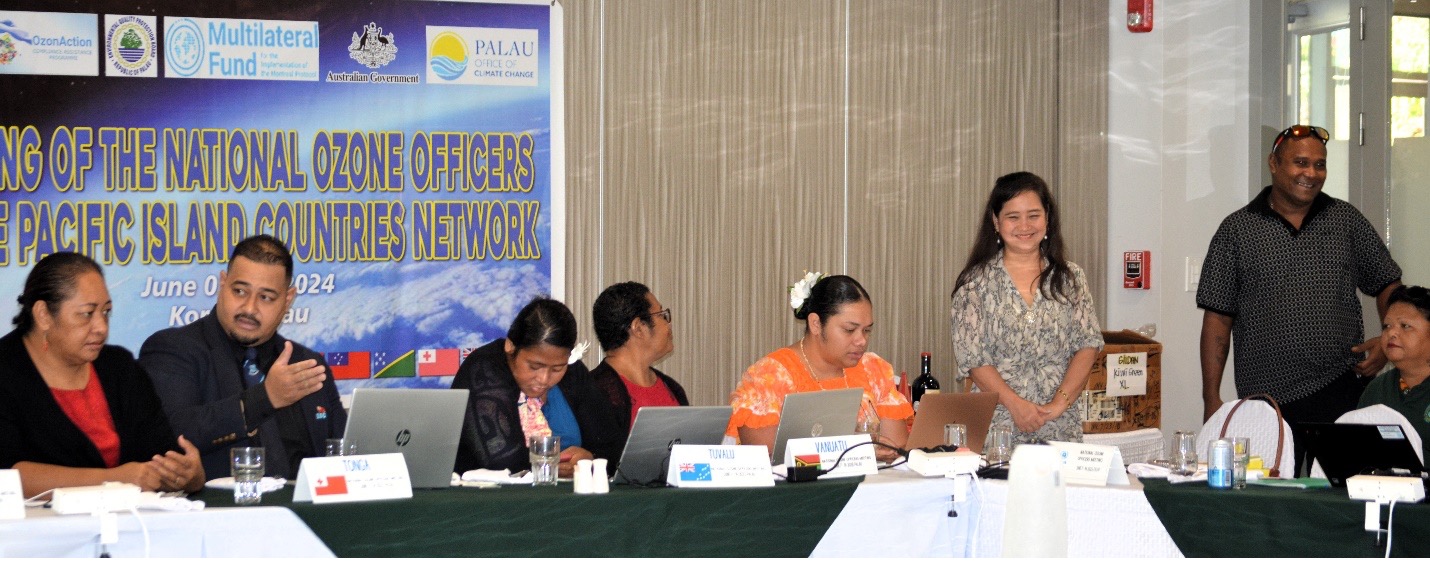 The following projects were presented and discussed during the workshop: a) Stage I of the Regional PIC Kigali HFC Implementation Plan (KIP) for 12 countries, b) Regional PIC Energy Efficiency Project for LVCs as per Decision 89/6 for 12 countries, c) Regional/National Inventories of Banks of Used or Unwanted Controlled Substances for 13 countries, and d) Stage II of the Regional PIC HCFC Phase-out Management Plan Stage II, Tranche 2 for 12 countries.
On Stage I of the Regional PIC KIP for 12 countries, the participants were familiarized with the overarching strategy of Regional KIP Stage I and the components of the Regional HCFC Phase-out Management Plan (HPMP) Stage II to identify the linkages between the two Stages. The session addressed key strategies to achieve the goals outlined in the Kigali Amendment to the Montreal Protocol. These strategies include: a) exploring measures to restrict the availability of the supply of high-global warming potential (GWP) HFCs, b) disincentivizing the use of new equipment that relies on these harmful refrigerants, c) promoting the adoption of alternative equipment that minimizes environmental impact and optimizes energy usage, d) reducing the reliance on HFCs during the servicing of currently operational equipment, and e) exploring methods for the safe and responsible introduction of environmentally friendly alternatives to HFCs.
“Participating in the Thematic Workshop has enlightened us on development of projects in particular how strategy and activities are determined. The meeting provided valuable insights on linking all activities under each project in a holistic picture to streamline implementation. We are also particularly excited to join our fellow countries in the region in the new regional project on the disposal of unwanted controlled substances and see how we can move forward in addressing this issue in the region.” -- said Ms. Eleni Nayacaibuna, Acting Principal Environment Officer, Fiji
The development of the regional PIC Energy Efficiency 89/6 project for LVCs included exploring national mechanisms to promote market transformation to energy efficient and low GWP technology, integration of energy-efficiency into training and competency-based certification, consideration of low-GWP refrigerants during the development of cooling and energy efficiency plans, capacity building for customs and energy efficiency authorities, and awareness and outreach programmes.
Participants actively discussed the regional/national inventory of banks of used or unwanted controlled substances. The Multilateral Fund has identified several challenges that hinder the effective implementation of ozone depleting substances (ODS) disposal in Article 5 countries, such as a lack of understanding of where these substances are located and how they can be collected, as well as a lack of policies and incentives to support the collection and management of ODS. The regional/national inventory of banks therefore will help the PICs tackle these challenges at the national and regional level. The countries could improve the understanding of where ODS are located, which ones can be reused, and which ones need to be disposed of. They are encouraged to identify the need to ensure the appropriate management of used or unwanted ODS and assess the environmental benefits of ODS disposal on the ozone layer and climate change mitigation.
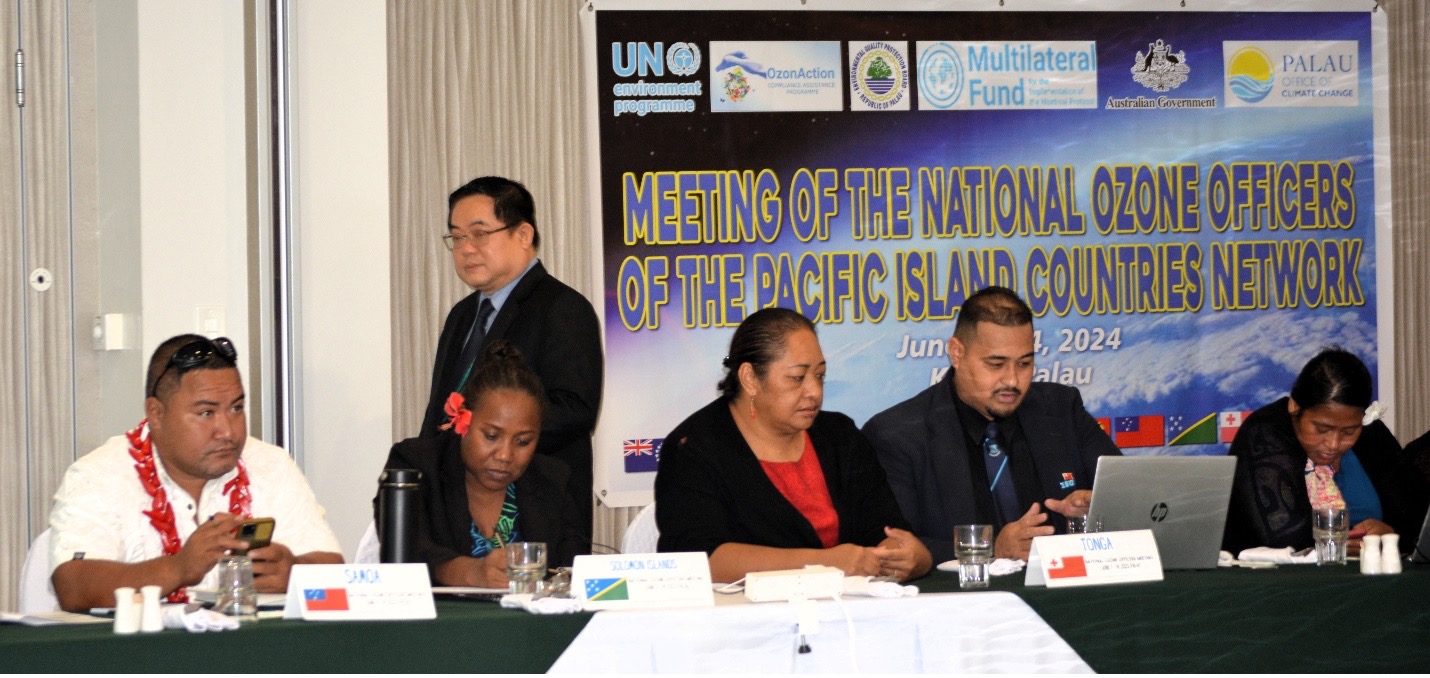 Regarding Stage II of the Regional PIC HPMP Stage II, tranche 2 for 12 PICs, the countries discussed national and regional implementation activities under tranche 1, the observations and findings from tranche 1 implementation, country feedback on progress and implementation challenges as well as the strategy and action plan for under tranche 2.
UNEP CAP team expressed its sincere gratitude to the Government of Palau for the smooth coordination and generous hospitality in hosting the thematic workshop and to the Government of Australia as the bilateral agency of the Multilateral Fund project in the PIC region.
The workshop was organized by UNEP OzonAction CAP, Asia and the Pacific Office in partnership with the Government of Palau as part of its approved 2024 Work Programme under the Multilateral Fund.
For more information:
Mr. Pipat Poopeerasupong
Interim Montreal Protocol Regional Coordinator, Southeast Asia, and Pacific Island Countries
UNEP, Compliance Assistance Programme (CAP)
Asia and Pacific Office
Email: poopeerasupong@[un].org