Preventing, controlling and managing pollution is central to improving health, human well-being and prosperity for all.
UNEP drives capacity and leadership in sound management of chemicals and waste while working to improve ways to reduce waste through circularity and pollutants released to the air, water, soil and the ocean.
16 Jul
2025
16:25
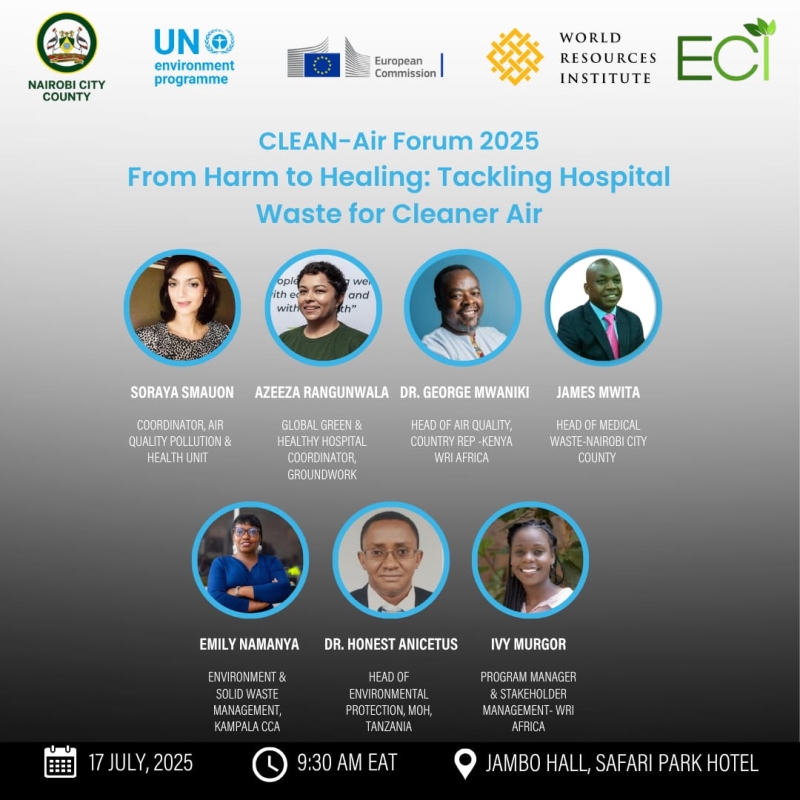
From Harm to Healing: Tackling Hospital Waste for Cleaner Air
The forum is an annual convening for the communities of practice in Africa and serves as a platform for knowledge sharing, collaborations, and multi-regional partnerships for tackling air pollution in African cities. The 2025 theme, Partnerships for Clean Air Solutions, seeks to strengthen cross-border transdisciplinary partnerships, evidence generation and capacity for advancing clean air solutions in Africa.
Survey open: Independent Panel on Evidence for Action Against Antimicrobial Resistance
Image: Unsplash/Lukas Blazek
The Quadripartite Joint Secretariat on AMR is pleased to invite you to participate in an online consultation to support the establishment of the Independent Panel on Evidence for Action Against Antimicrobial Resistance (IPEA). Your input will contribute to shaping its founding documents and ensuring its global relevance, impact, and legitimacy.
Led by the Quadripartite Organizations (FAO, UNEP, WHO, and WOAH), this consultation aims to gather stakeholder insights to help design the founding documents for the IPEA that should be scientifically credible, independent, and policy-relevant to addresses complex, cross-sectoral challenge of antimicrobial resistance (AMR) across human health, animal health, agrifood, and environmental sectors.
UNEP and partners invite young innovators in Kenya to co-create digital and data solutions addressing climate change, nature loss, and pollution and waste. 'Hack for the Environment' is open to Kenyan residents aged 18–35 with an interest in tech and the environment and will run from 26 July to 2 September.
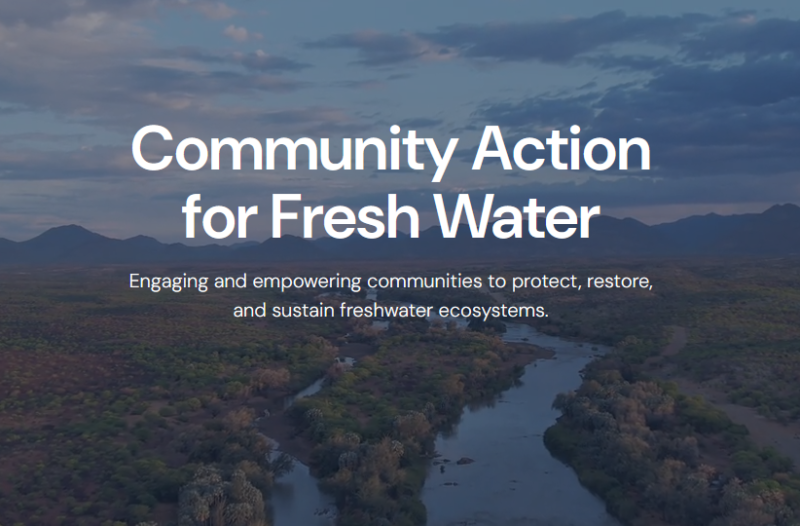
New global platform empowers communities to protect fresh water from plastic pollution
Image: Community Action for Fresh Water
The Community Action for Fresh Water platform was launched on World Environment Day 2025 and is bringing together and encouraging thousands of communities to protect and restore local water bodies worldwide, including from plastic pollution.
Led by Rotary International and developed with UNEP support, the platform will serve as a global hub for sharing, monitoring and promoting community-led freshwater protection efforts. It will enable users to discover and track local projects, train citizen scientists, collect data and help close data gaps related to freshwater pollution and ecosystem health.
The platform will also store practical resources, including guidance materials and case studies, to support replicating successful initiatives across different regions.
UNEP supports governments, businesses, financial institutions, and other stakeholders in their just transition to a circular economy of plastics, thereby reducing plastic pollution and its impacts.
The UNEP report Turning off the Tap: How the world can end plastic pollution and create a circular economy proposes a systems change to address the causes of plastic pollution, starting by reducing problematic and unnecessary plastic use, redesigning the system, products and their packaging and combining these with a market transformation towards circularity in plastics. This can be achieved by accelerating three key shifts – reorient and diversify, reuse, and recycle, – and actions to deal with the legacy of plastic pollution.
25 Jun
2025
19:42
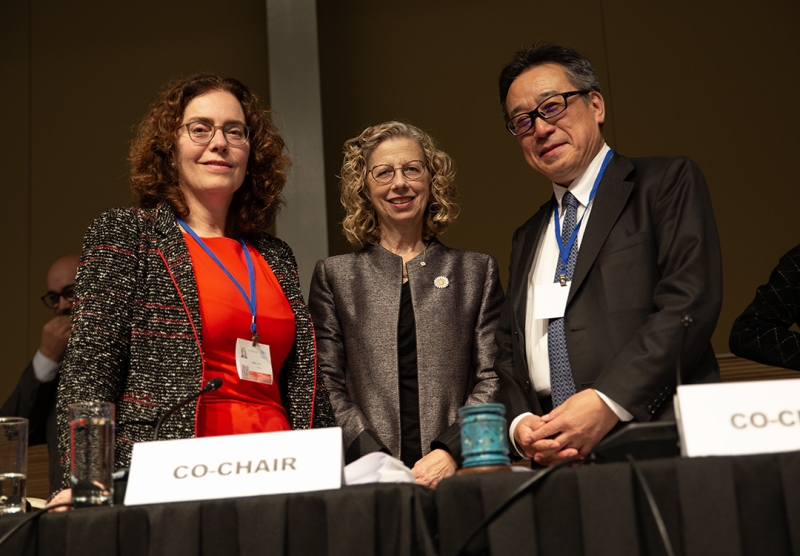
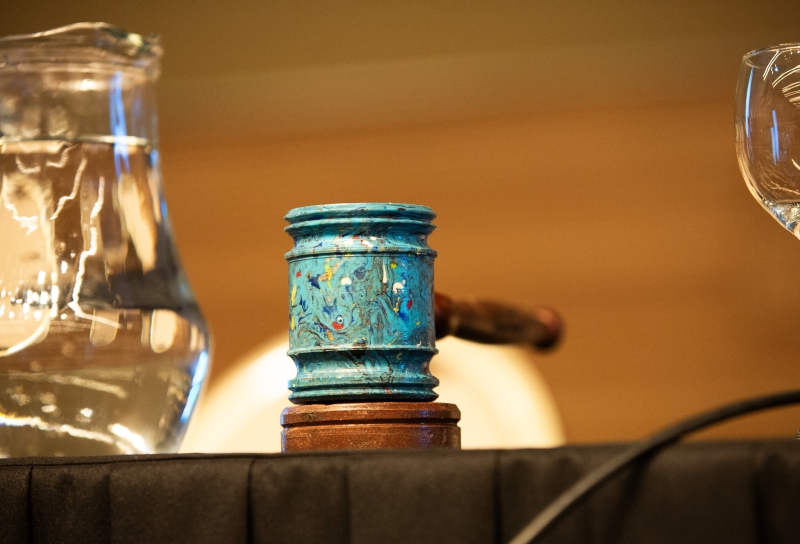
New science-policy panel marks big win for multilateralism
Image: IISD
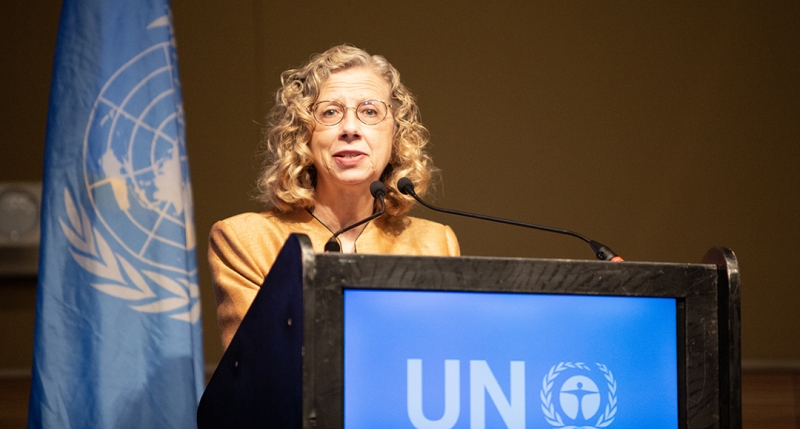
The following are statements made by Inger Andersen, UNEP Executive Director, at the closing of the Intergovernmental meeting to establish a science-policy panel to contribute further to the sound management of chemicals and waste and to prevent pollution in Uruguay.
Today is a momentous day. Let it be said that today was the first major step we collectively took to usher in a new future on the sound management of chemicals and waste and pollution prevention.
Every voice mattered in this journey. Each country, scientists, Indigenous Peoples, youth, business, non-governmental organizations and all Major Groups have made their voice heard. We know that your voice is critical. We see you all and I thank you all.
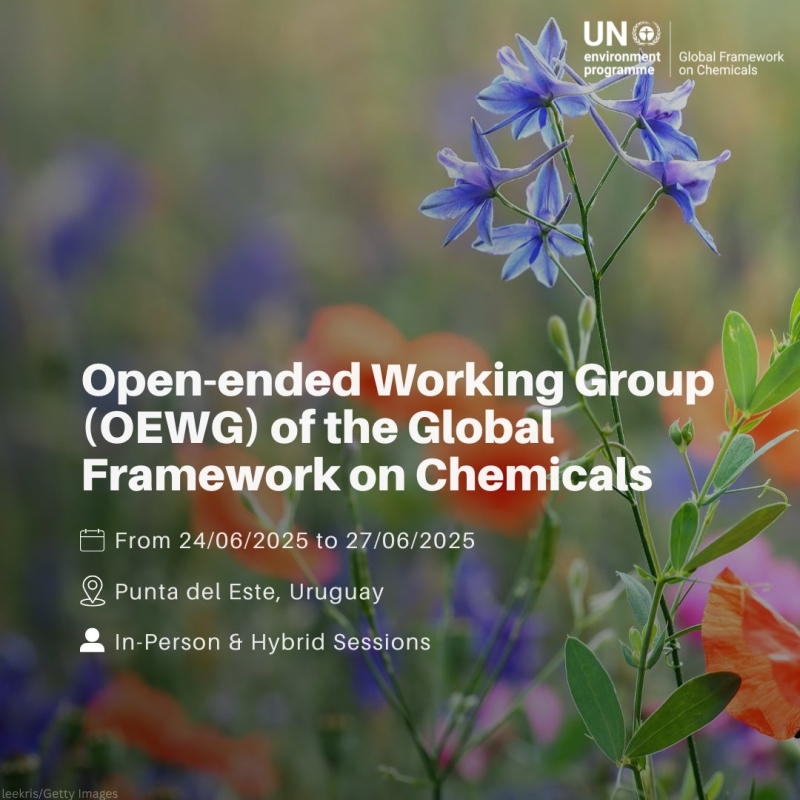
Open Ended Working Group for the Global Framework on Chemicals begins today
From 24-27 June, governments, industry, civil society, and others will meet in Uruguay for the 1st international gathering under the Global Framework on Chemicals (GFC).
The meeting will support the implementation of the GFC and provide a platform for inclusive dialogue on priorities and actions to strengthen the global governance of chemicals and waste.
Designed to fill a major gap in the global environmental architecture, the panel will provide countries with independent, policy-relevant scientific advice on chemicals, waste, and pollution prevention. Talks were kickstarted in 2022 following the United Nations Environment Assembly (UNEA) resolution that called for the creation of an intergovernmental science-policy body on chemicals, waste and pollution prevention.
After several years of hard negotiations, convened by the UN Environment Programme (UNEP), the newly established panel is expected to conduct global assessments, identify knowledge gaps, communicate complex science in policy-friendly formats, and integrate capacity for national decision-making in relation to the panel’s function. It will also support horizon scanning to anticipate emerging threats and guide timely response.
“Today we made history. This panel represents science and cooperation coming together to minimize the negative impacts of chemicals and waste and prevent pollution. This is the first step in delivering meaningful action to address our global waste and pollution crisis and secure a healthier, safer future for all,” said Inger Andersen, Executive Director of the UN Environment Programme.
UNEP Executive Director Inger Andersen stated, "By working together, reviewing the best science and making this science universally available, we can reduce the exposure and harm that chemicals and waste cause to people and to the environment. So, let’s agree that what lies ahead in the negotiations over the coming days is entirely doable. We can and we must see this panel established."