
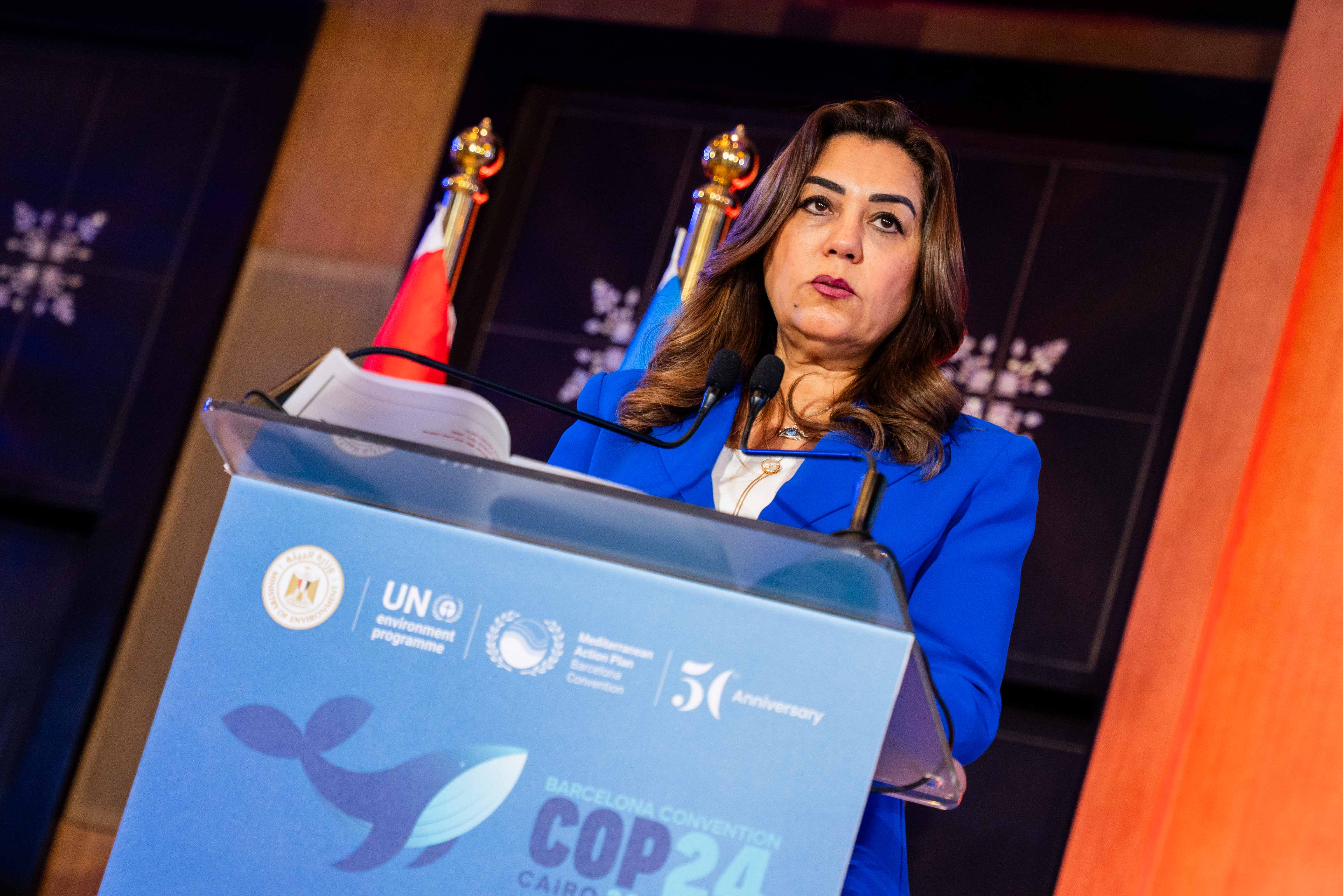
COP24 reaffirmed Mediterranean countries’ shared commitment to conserving and sustainably using the Mediterranean Sea and its coastal areas. The Cairo Ministerial Declaration emphasized solidarity, cooperation, enhanced financial support, capacity-building, technical assistance, and technology, celebrating the 50 years of UNEP/MAP and marking a key milestone for the Mediterranean environment.
It also addressed the interconnected crises of climate change, biodiversity loss, and pollution through coordinated global and regional action, committing to expand marine and coastal protected areas to 30% by 2030 and to strengthen biodiversity conservation frameworks. The Declaration stressed the urgency of tackling marine pollution, especially plastic pollution, through regional action plans, circular economic approaches, improved waste management, and support for a legally binding instrument on plastic pollution. It also supported low-carbon shipping, emission control areas, and alignment with global decarbonization goals, while promoting source-to-sea cooperation and recognizing the role of regional seas conventions and action plans in advancing ocean sustainability. Moreover, it advanced a sustainable blue economy through marine spatial planning, eco-innovation, sustainable infrastructure, nature-based solutions, and sustainable fisheries, including efforts against illegal, unreported, and unregulated fishing. At the same time, it called for stronger stakeholder engagement, particularly empowering women and youth, alongside inclusive governance and increased, accessible adaptation finance to address climate impacts on water, ecosystems, and coastal communities.
Further advancing regional priorities, COP 24 adopted the Mediterranean Strategy for Sustainable Development (MSSD) as a leading Strategic Reference Framework for sustainable development in the Mediterranean, inspired by the high-level momentum to boost sustainable development and ocean agendas in the region, and raises its level of ambition to accelerate progress toward achieving the SDGs in the Mediterranean. The twenty MSSD flagship initiatives promote innovative actions across the six Objectives of the MSSD and engender commitment across stakeholders, while inspiring replication activities, both at regional and local level.
In parallel, COP24 through Decision IG.27/6 marked a major milestone in strengthening the Ecosystem Approach (EcAp) Policy and Roadmap 2026–2035 and upgrading the Integrated Monitoring and Assessment Programme (IMAP) for the Mediterranean Sea and Coast. The decision reinforces the region’s long‑standing commitment to achieving Good Environmental Status (GES). Building on earlier COP decisions, the updated framework establishes a robust, adaptive, and science‑driven mechanism to address accelerating environmental pressures in the Mediterranean and aligns regional action with global commitments.
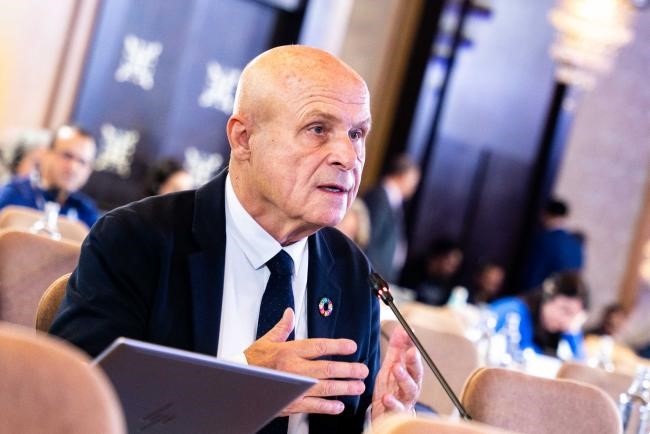
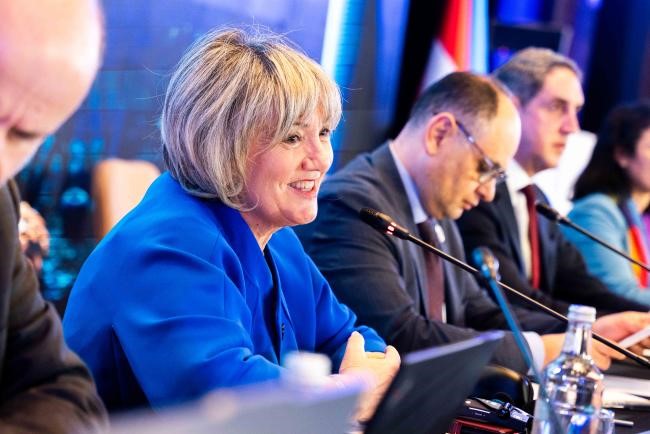
The Ministerial Segment of COP24, which included a high-level panel discussion, highlighted priorities for advancing a Sustainable Blue Economy in the region. Delegates stressed the need for greater policy coherence across global commitments, regional frameworks, and national strategies. Ecosystem-based approaches and Marine Spatial Planning are driving progress towards sustainable economic development, strengthening the protection of marine resources, and enabling more coordinated and efficient use of marine space. Participants further emphasized the importance of inclusive engagement, involving youth, women, local authorities, civil society, and the private sector, to ensure a just and equitable transition. Nature-based solutions were recognized as critical for strengthening climate resilience, protecting biodiversity, and supporting sustainable economic opportunities.
Youth representatives made a strong call for inclusion in decision-making processes, urging leaders to provide resources and real seats at decision-making tables. They expressed readiness to co-create a just, circular, and carbon-neutral future.
Throughout the conference, delegates deliberated on several key decisions to strengthen the protection of the Mediterranean sea and coast, including amendments to Annexes II and III of the Protocol concerning Specially Protected Areas and Biological Diversity (SPA/BD Protocol) to enhance protection of endangered species, measures related to Specially Protected Areas of Mediterranean Importance (SPAMIs), updates to SPA/BD Protocol strategies and action plans, measures related to Marine Pollution from Ships, strengthening the implementation of Updated National Action Plans (NAPs) under the Land-Based Sources Protocol. The conference also adopted the Regional Climate Change Adaptation Framework (RCCAF) for 2026-2035, the Offshore Action Plan for 2026–2035, the mandate of the newly established Regional Activity Centre on Climate Change and the ToRs of its focal points, as well as the Programme of Work and Budget 2026-2027.
Side events addressed a wide range of topics, from conserving Mediterranean coastal wetlands to protecting sharks and rays, to allocation of carbon budget in the Mediterranean, and to legal frameworks supporting the Barcelona Convention system.
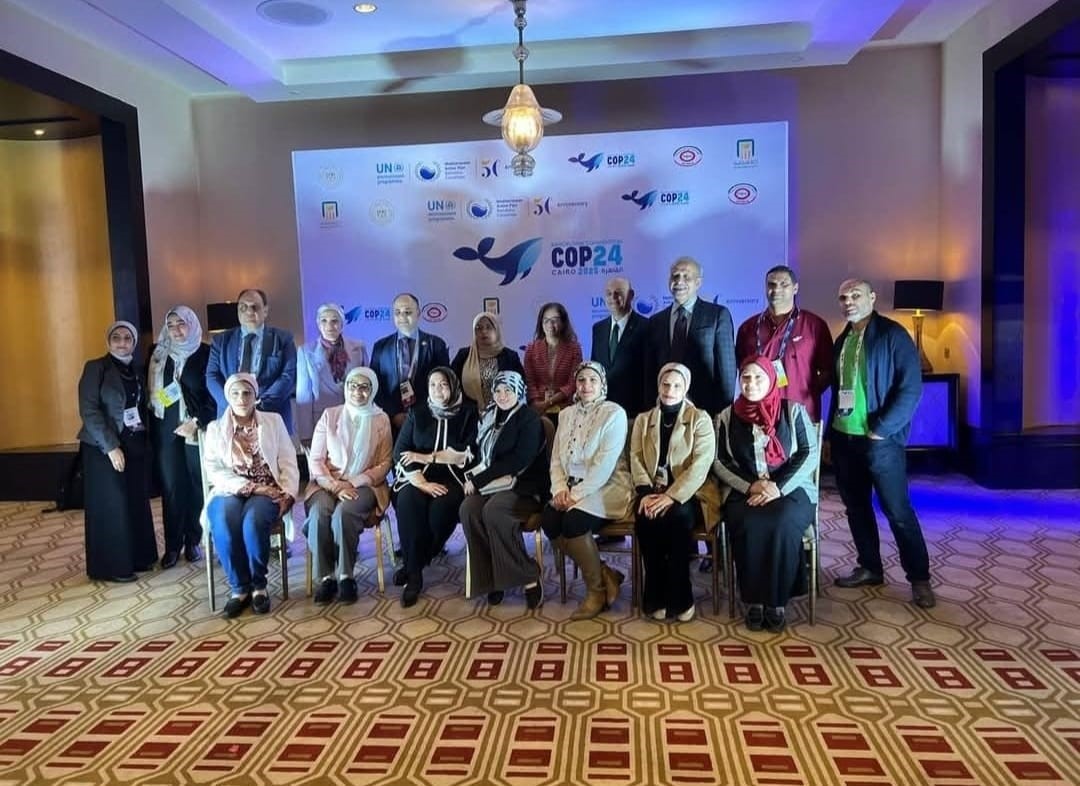
A Women Leaders Event, hosted by Egypt and co-organized with UNEP/MAP, brought together influential women leaders to exchange experiences and discuss visions for environmental leadership and sustainable development.
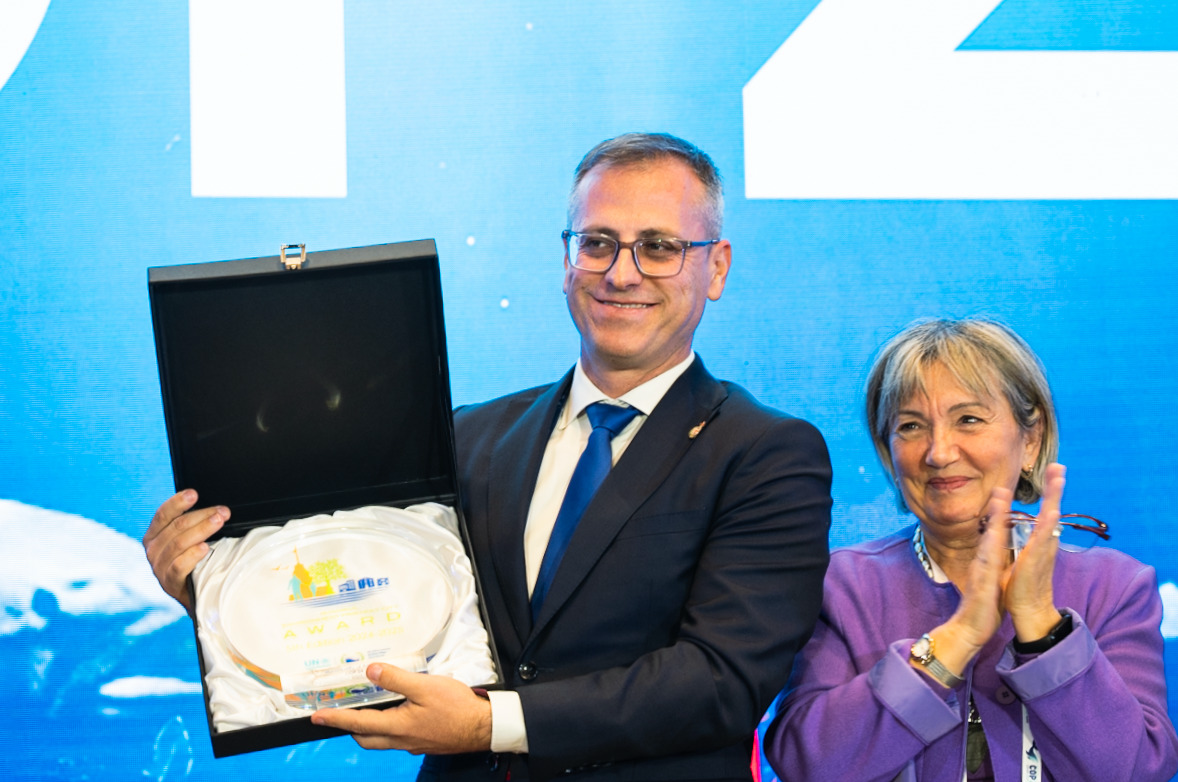
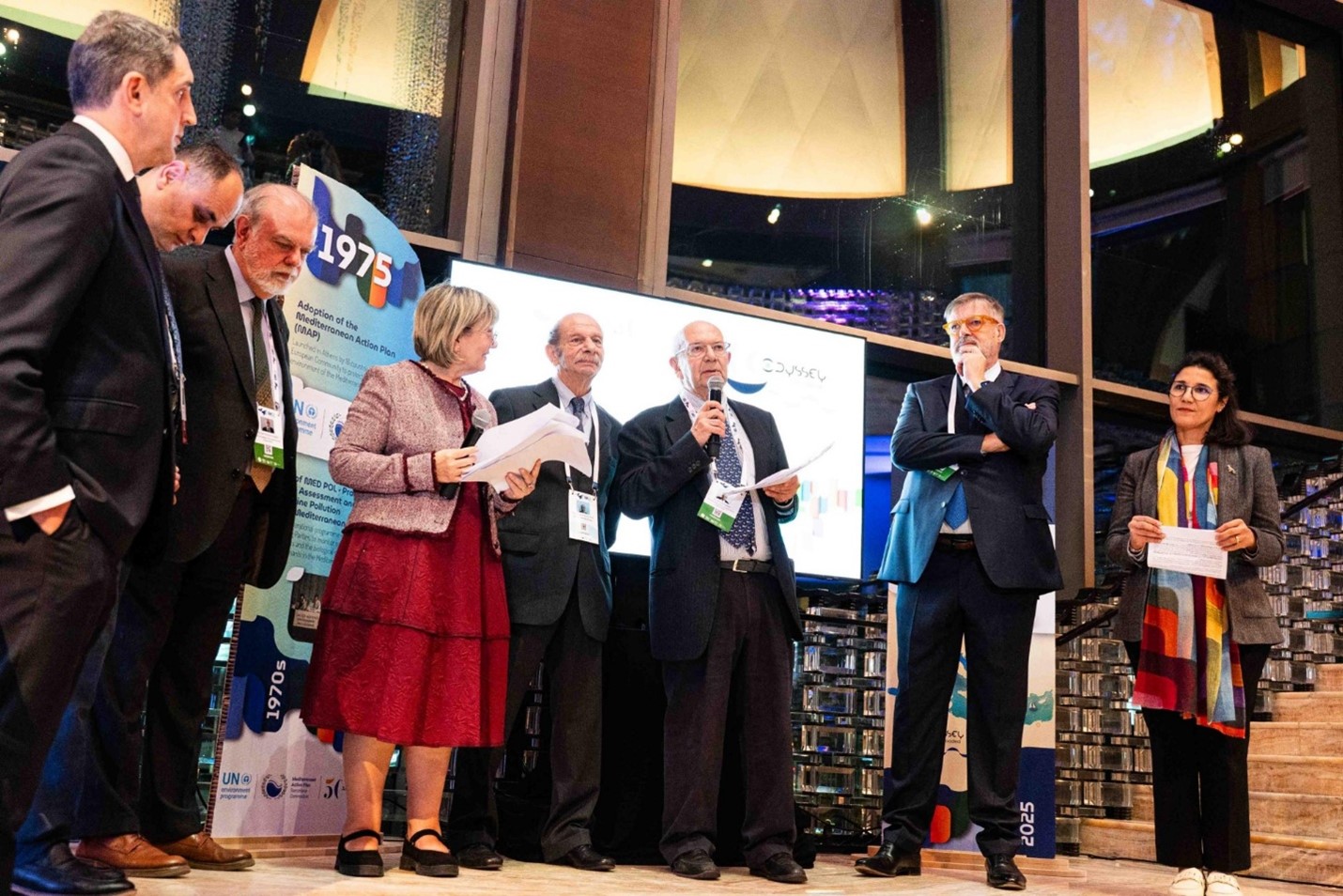
As COP24 concluded, delegates reaffirmed their collective commitment to protecting the Mediterranean Sea and its coastal ecosystems. The conference announced Almería, Spain, as the winner of the Istanbul Environment Friendly City Award 2024–2025, recognizing the city’s outstanding efforts in advancing sustainable development and environmental protection.
Looking ahead, Croatia extended a warm invitation to delegates to attend COP25 in 2027, emphasizing that hosting the event is both an honour and a responsibility the country embraces with great seriousness and enthusiasm.
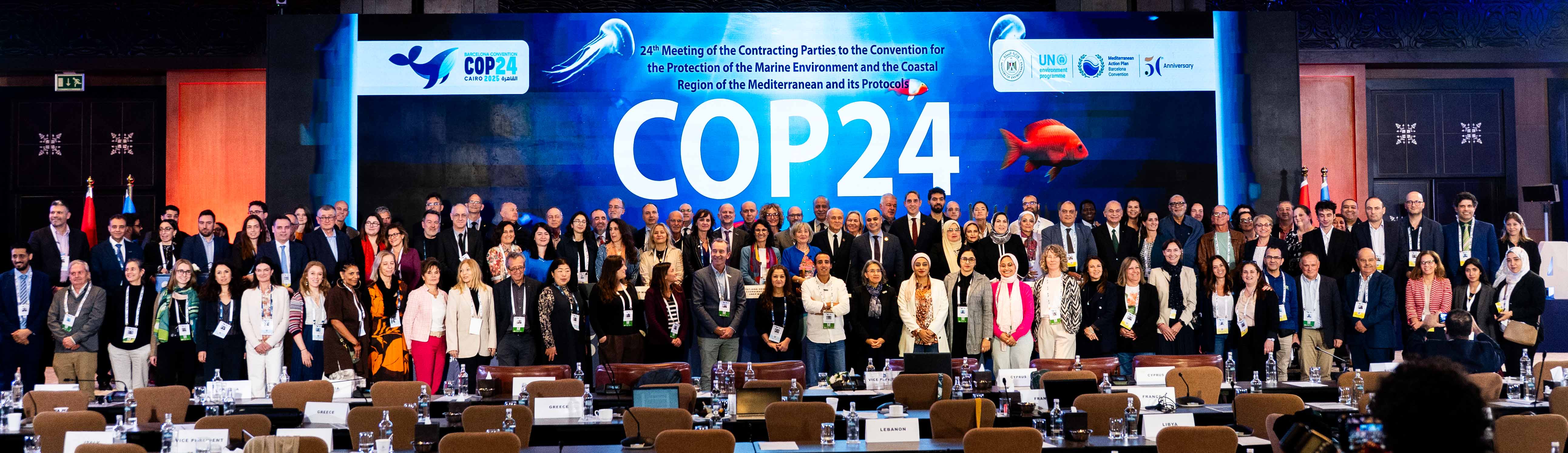
Through continued cooperation, innovation, and inclusive leadership, COP24 has set a strong foundation for addressing the Mediterranean’s environmental challenges and securing a sustainable future for generations to come.
Find out more about COP24
![" [Photo by IISD/ENB | Mika Benoni]"](https://cdn.unenvironment.org/unepmap/unepmap/cop24/NewsCOP24-1.png)