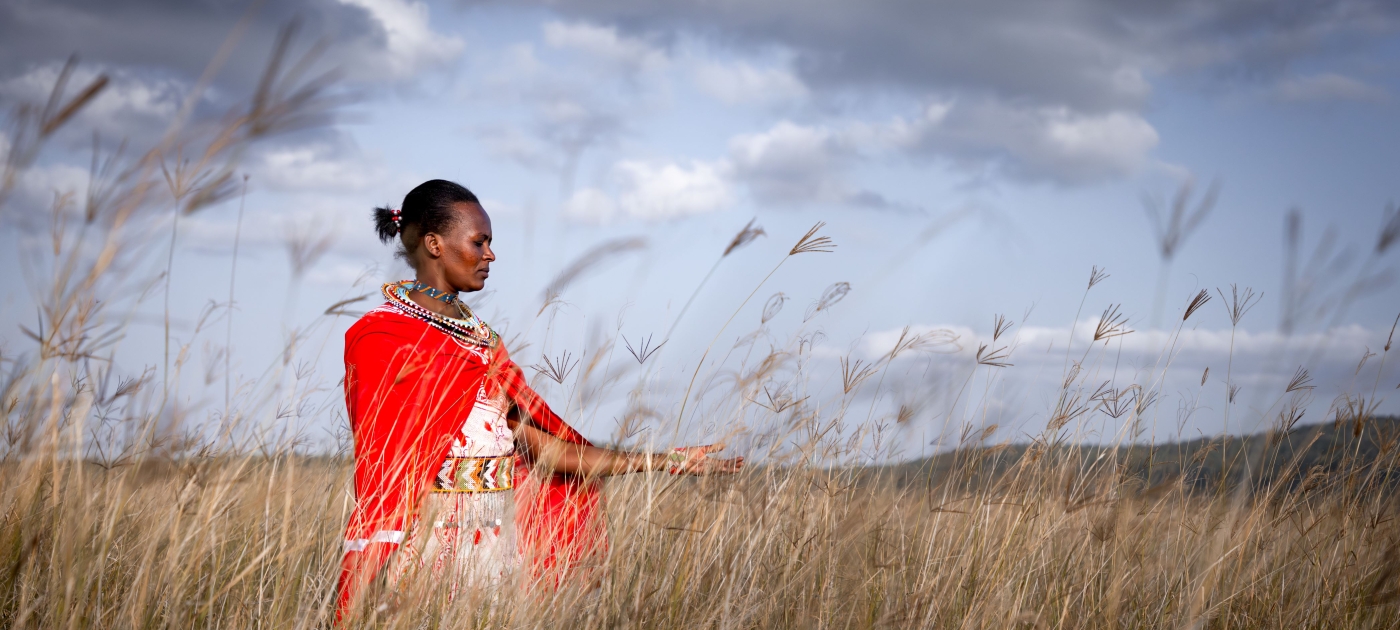
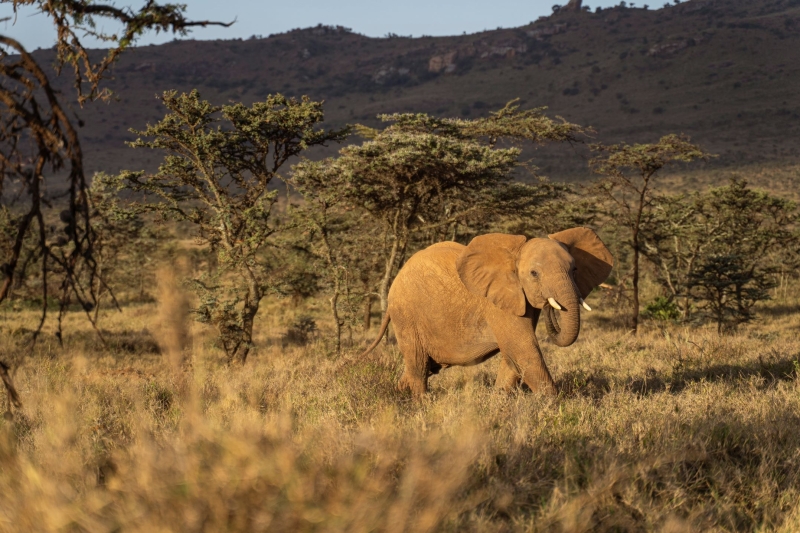
For Elizabeth Inkiniwa, the elephants drawn to the restored forest and rangelands near her home in Northern Kenya are a mixed blessing. The animals are a star attraction for her community’s ecotourism business. But they are also a threat to her farm and even her life.
“When the wildlife is far into the forest, it’s good for us,” says Inkiniwa, whose family grows maize and keeps livestock. “But it’s a real challenge if it comes to our farms… It might go crazy. It might chase you. It might kill you.”
Inkiniwa lives near the Mukogodo Forest, a green lung amid the semi-arid rangelands stretching north from the foothills of Mount Kenya toward the borders of Ethiopia and Somalia.
The area’s rich wildlife and pastoralist communities are benefitting from The Restoration Initiative, a long-running effort to revive degraded landscapes across Africa and Asia.
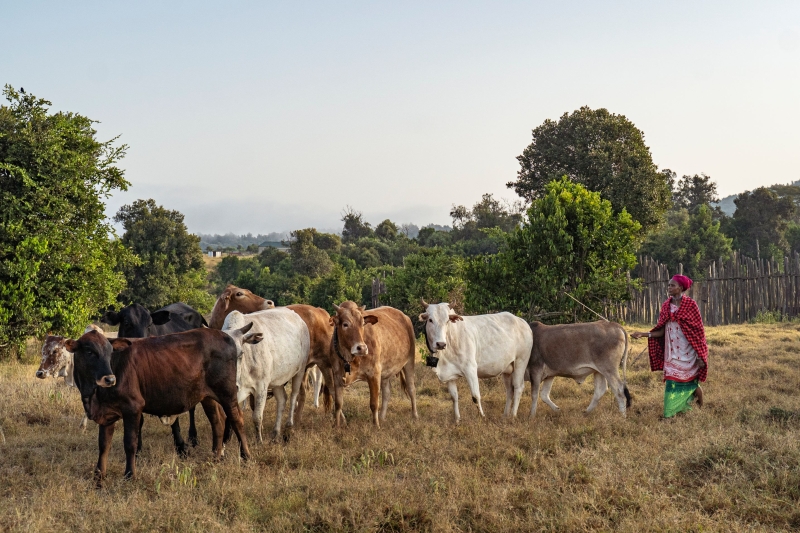
In Kenya, the project has not only eased human-wildlife conflict but has also improved how local communities manage their natural resources, supporting their resilience in the face of climate change and land degradation.
“The gains for people and nature are mutual,” said Jonathan Gheyssens of the United Nations Environment Programme (UNEP). “By protecting their environment, these communities are strengthening their asset base and making their traditional way of life fit for the future.”
Together with the Food and Agriculture Organization of the United Nations (FAO) and the International Union for the Conservation of Nature (IUCN), UNEP co-leads The Restoration Initiative.
A global initiative
Launched in 2018, The Restoration Initiative includes ten projects in nine countries. It has already brought more than 960,000 hectares of land under restoration or improved management practices and captured or prevented the emissions of greenhouse gases equivalent to some 22 million tonnes of carbon dioxide. More than 810,000 people are expected to benefit from this work.
The initiative has been recognized as a World Restoration Flagship under the UN Decade on Ecosystem Restoration, a global push to halt and reverse environmental degradation and encourage human activities that nurture and enhance nature. While each national project is tailored to local circumstances, all use a common framework to overcome barriers to restoration, for instance by enhancing awareness, building partnerships, supporting restoration-linked businesses, and improving policies.
The projects include:
- Piloting new management approaches for state-owned forest farms in China to reverse forest fragmentation and soil degradation and improve ecosystem services including clean water provision and carbon sequestration;
- Strengthening nature conservation, land management, climate resilience and livelihoods in Cameroon, including by planting fast-growing bamboo to restore degraded hillsides and provide sustainable building materials and fuel;
- A forest landscape restoration initiative covering one-third of the islands of Sao Tome and Principe, including mangrove planting, agroforestry training, and support for green businesses such as tree nurseries; and
- Simultaneously boosting ecological integrity, forest functions and sustainable livelihoods in the Great Ruaha and Lake Rukwa basins of Tanzania, including by establishing community forests.
More projects are underway in the Central African Republic, the Democratic Republic of the Congo, Guinea-Bissau, and Pakistan.
Drought buffer
Elephants are not the only thing drawn to the Mukogodo Forest where Inkiniwa lives. Drought has repeatedly prompted additional herders from across the region to drive cattle into the area in search of grass and water, degrading both the forest and the surrounding rangelands.



To counter the pressure, the project has worked with four communities living in the area to create a sustainable management plan for their lands. The plan includes rotational grazing, removing an invasive cactus species, reseeding degraded grazing areas with grass, piping water from inside the forest to accessible points, and digging swales to retain scarce rainfall.
This has helped improve the livelihoods and resources of the communities and maintain a healthy distance between the forest wildlife and livestock, for the protection and benefit of each. Livestock is only allowed in the forest as a last resort, and felling trees to make charcoal is forbidden.
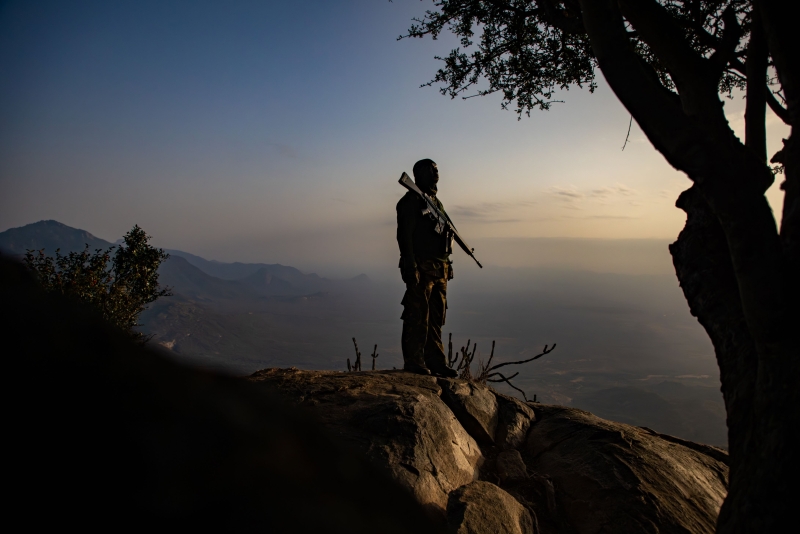
The management plan is policed by a dozen community rangers, whose duties also include keeping watch for cattle rustlers, warning people of the presence of dangerous animals, and helping drive those animals back into the bush.
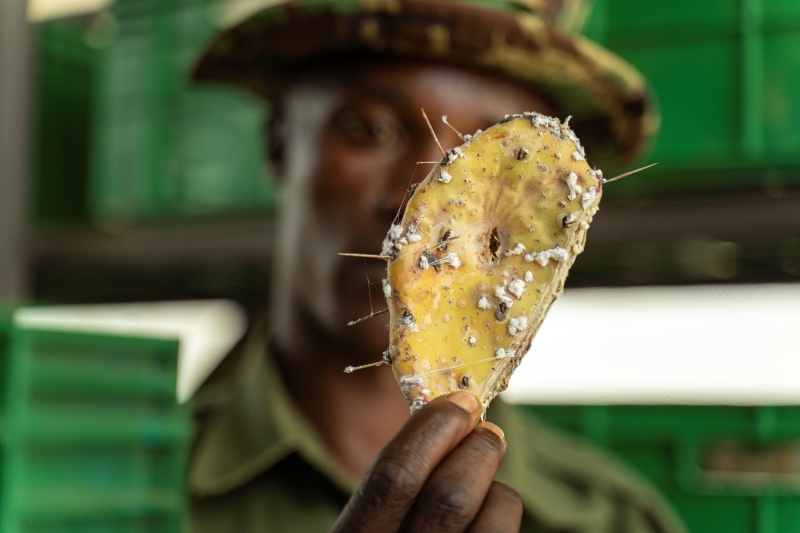
To diversify local incomes, the project has also provided training and support for activities including honey production, tree nurseries supplying seedlings for restoration of the forest, and ecotourism, for instance by establishing campsites and selling handicrafts.
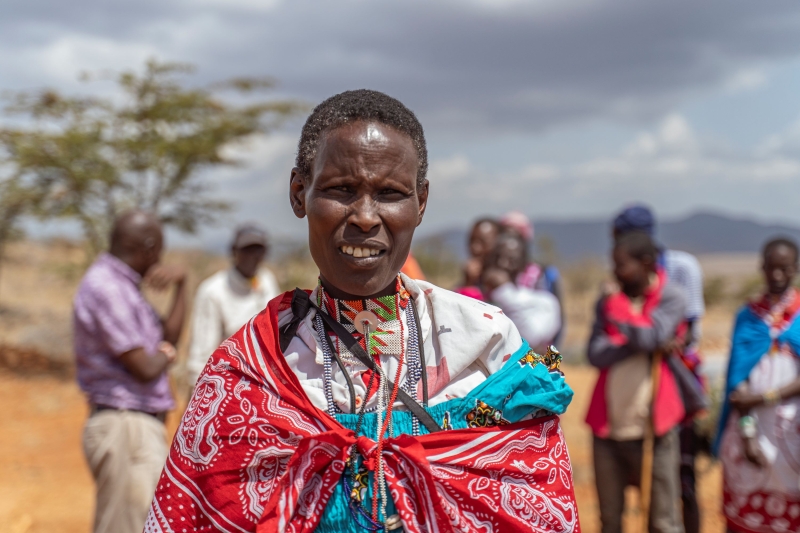
But it’s not just their own lives and livelihoods that the community wants to protect – it's the forest itself, too. Inkiniwa says the community deeply values the ecosystem for the wood, water, shade, emergency fodder and sacred cultural significance that it provides.
“Mukogodo forest entails everything that we need for our livelihood,” she said.