
The Convention for Cooperation in the Protection, Management and Development of the Marine and Coastal Environment of the Atlantic Coast of the West, Central and Southern Africa Region (Abidjan Convention) was adopted in Abidjan in March 1981 and entered into force in 1984.
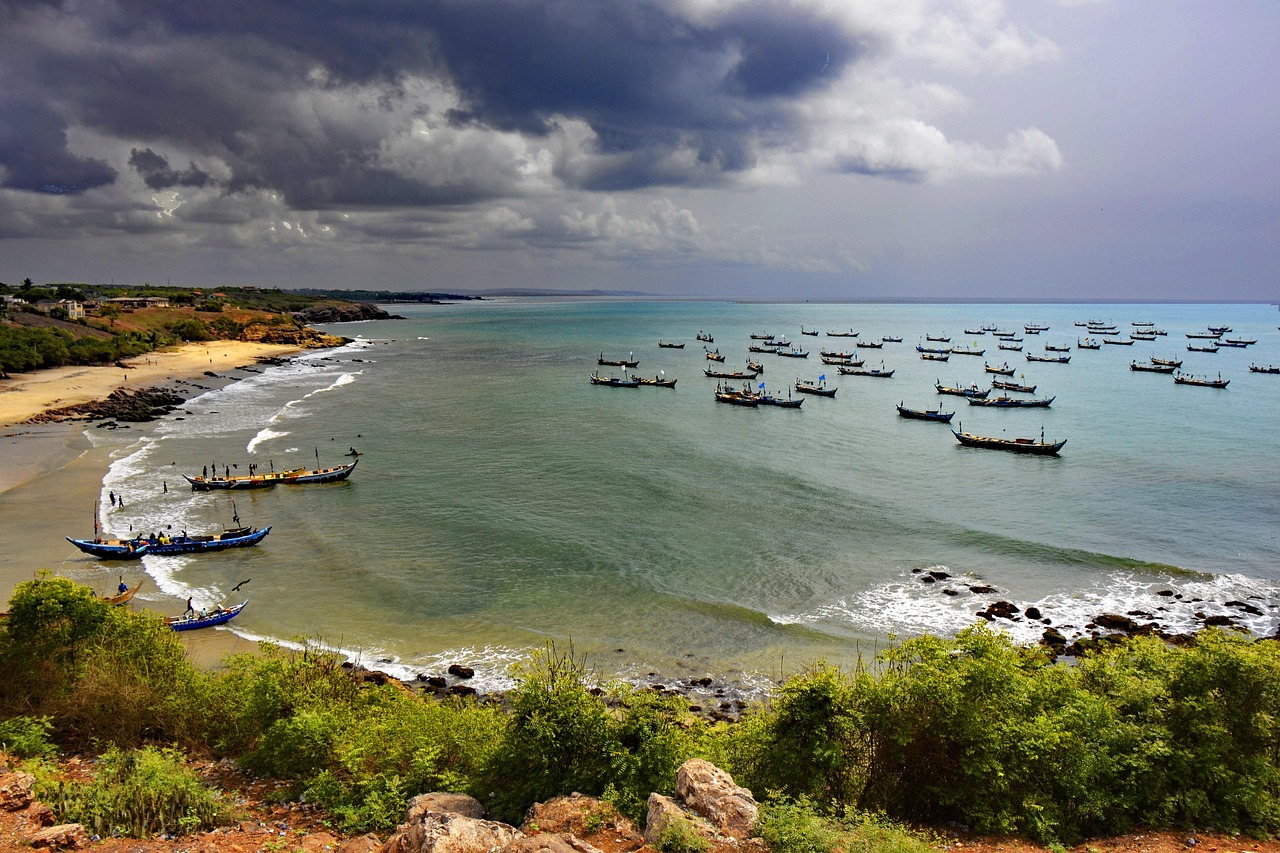
The Convention covers the marine environment, coastal zones and related inland waters falling within the jurisdiction of the States of West, Central and Southern Africa, extending from Mauritania to the western coast of South Africa, a stretch of approximately 14,000 kilometres of coastline.
This vast coastal area contains highly productive ecosystems that sustain rich fisheries, coastal tourism, industries, and major ports, providing livelihoods for millions of people. However, these ecosystems have been increasingly degraded by unplanned development, unsustainable resource use, and pollution. Over the past four decades, these pressures, compounded by climate change, conflict, poverty, and weak governance, have severely affected coastal and marine habitats, and placed additional strain on coastal communities.
Recognizing the ecological uniqueness and the shared challenges of the region’s marine and coastal environment, the countries of the region agreed to a common framework to prevent, reduce, and control pollution and to promote sustainable development. The Convention was accompanied by its first Protocol on Cooperation in Combating Pollution in Cases of Emergency, and an Action Plan for the Protection and Development of the Marine Environment and Coastal Areas of the Region.
As a framework agreement, it provides the basis for regional cooperation to prevent and reduce marine pollution, conserve biodiversity, promote the sustainable use of marine and coastal resources, strengthen scientific and technical cooperation, and coordinate regional responses to emerging environmental challenges.
Contracting Parties
The 20 Contracting Parties that have ratified the Abidjan Convention are Angola, Benin, Cameroon, Cabo Verde, DR Congo, Congo, Côte d’Ivoire, Gabon, Gambia, Ghana, Guinea, Guinea-Bissau, Liberia, Mauritania, Namibia, Nigeria, Senegal, Sierra Leone, South Africa, Togo.
The Convention and its legal instruments
- The Framework for cooperation in the protection and development of the marine and coastal environment (1981).
-
Protocol Concerning Cooperation in Combating Pollution in Cases of Emergency (1985).
Adopted in 1981 and entered into force in 1985, this Protocol establishes the legal framework for cooperation and mutual assistance among Contracting Parties in responding to marine pollution emergencies, including oil spills and other hazardous substance discharges.
-
Protocol Concerning Pollution from Land-Based Sources and Activities (LBSA) (2012).
Formally adopted in 2012 in Grand-Bassam, Côte d’Ivoire, the Protocol addresses one of the most significant sources of marine pollution in the region — land-based activities. It provides a comprehensive framework for preventing, reducing, controlling, and eliminating pollution from agricultural runoff, industrial discharges, wastewater, and other terrestrial sources that impact the marine and coastal environment; supporting the implementation of the Global Programme of Action (GPA) for the Protection of the Marine Environment from Land-Based Activities.
-
Protocol on Sustainable Mangrove Management (2019).
Adopted in Calabar, Nigeria, this is the first protocol of its kind under any Regional Seas Convention. It recognizes mangroves as vital for biodiversity, shoreline protection, and carbon sequestration.
-
Protocol on Environmental Standards and Guidelines for Offshore Oil and Gas Activities (2019).
Adopted in Malabo, Equatorial Guinea, this Protocol establishes environmental standards for offshore oil and gas operations. It mandates environmental impact assessments (EIAs), strategic environmental assessments (SEAs), and adoption of best available technologies to prevent pollution and minimize ecological damage. It seeks to harmonize national frameworks and enhance monitoring, compliance, and enforcement in line with MARPOL and UNCLOS.
-
Protocol on Integrated Coastal Zone Management (ICZM) (2019).
Adopted in Pointe-Noire, Republic of the Congo, this Protocol provides a framework for the sustainable management of coastal zones, balancing environmental protection, economic development, and social well-being. It requires the development of national ICZM policies, integration of climate adaptation and disaster risk reduction, and participatory decision-making to strengthen resilience and sustainability of coastal systems.
Our flagship projects
- Mami Wata Project
- Coastal Fisheries Initiative (CFI)
- Coastal Ecosystem Protection Initiative
- West Africa- Biodiversity and Climate Change Project in partnership with West Africa Biodiversity and Climate Change (WA BiCC)
- West Africa Coastal Areas Resilience Investment Project for Climate Change Adaptation (WACA ResIP-CCA) in partnership with World Bank
- Abidjan Aquatic Wildlife Partnership
- Capacity building programme for the implementation of Multilateral Environmental Agreements in ACP countries (ACP–MEA III Programme)
Contact Us
II Plateaux-Vallon - Rue Harris Memel Foteh,
Côte d’Ivoire, Abidjan
Tel: +225 22 514 600
Fax: +225 +225 22514602
unenvironment-abidjan-convention@un.org