

Warning message
Unable to retrieve at this time, please check again later.News
Type: Editorial
Showing 1 - 25 of 59
59 results found
INVEMAR Updates Assessment and Warns of Critical Gaps in Plastic Management in Cartagena and BarranquillaA new assessment reveals critical gaps in waste management in Cartagena and Barranquilla, where plastic pollution is already impacting key ecosystems along Colombia’s Caribbean coast.
From Commitment to Delivery: The Wider Caribbean’s Ocean Moment
UNEP seeks young people implementing ground-breaking solutions that address climate change, biodiversity and nature loss, and pollution and waste.The Young Champions will receive global recognition, seed funding, training, mentorship, and access to influential change-makers.
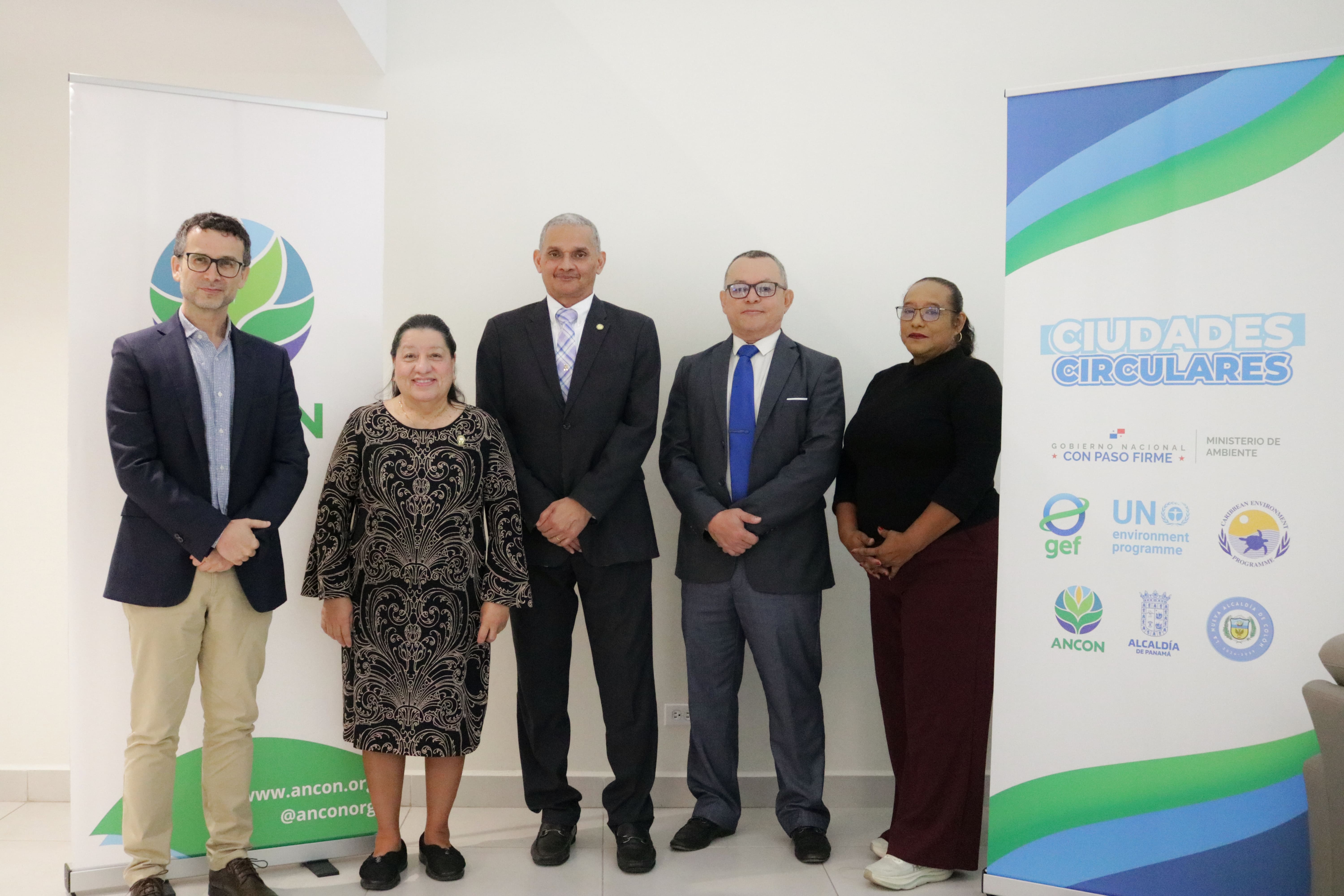
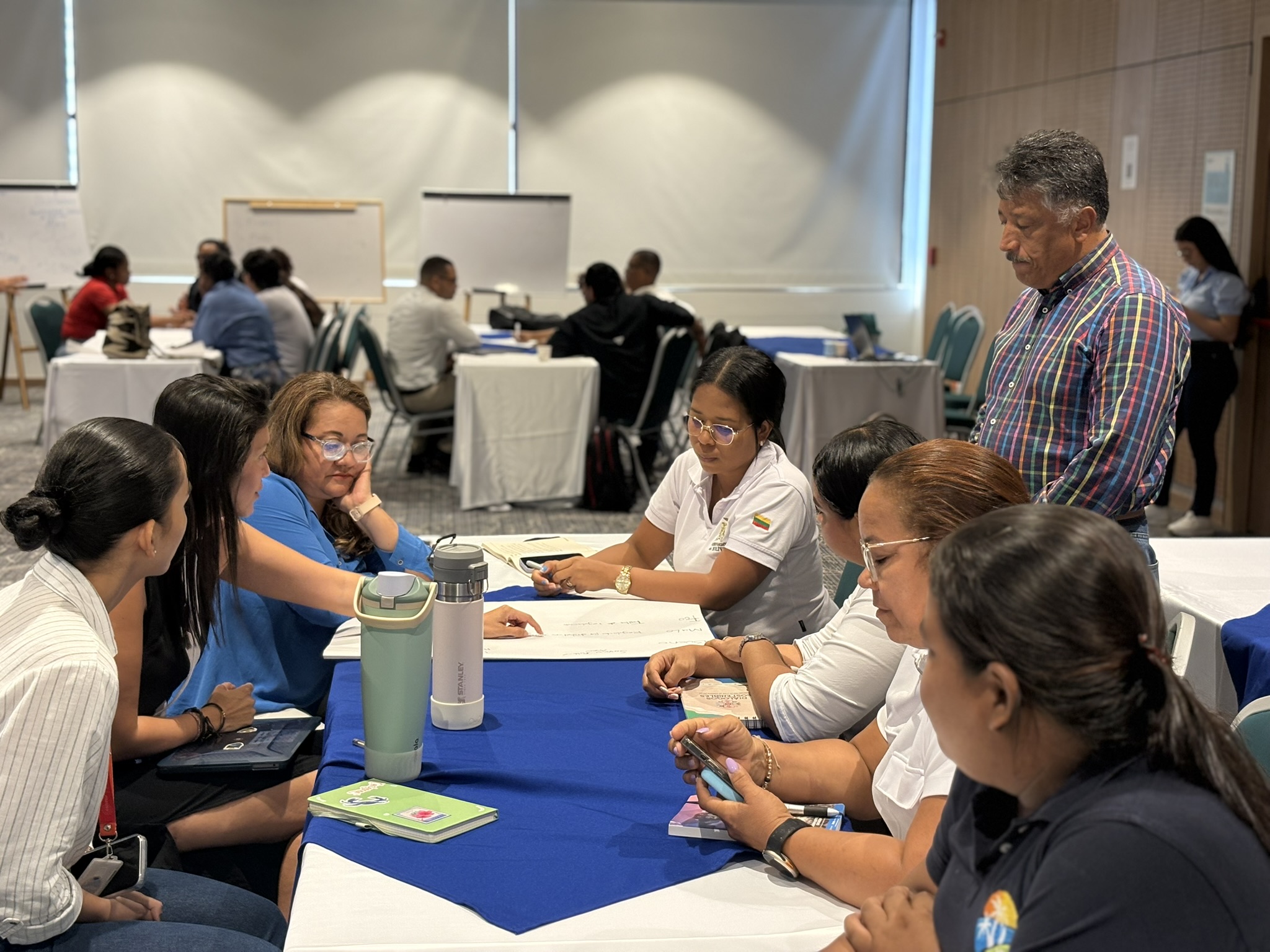
Panama City, February 10, 2026. As part of the Circular Cities Project: Beyond Plastic, funded by the Global Environment Facility (GEF), with the United Nations Environment Programme (UNEP) as the implementing agency and the UNEP Cartagena Convention Secretariat (UNEP-CEP) as the executing agency, the first consultancy is being launched to identify unnecessary plastics across economic sectors and provide alternatives for their elimination or substitution.
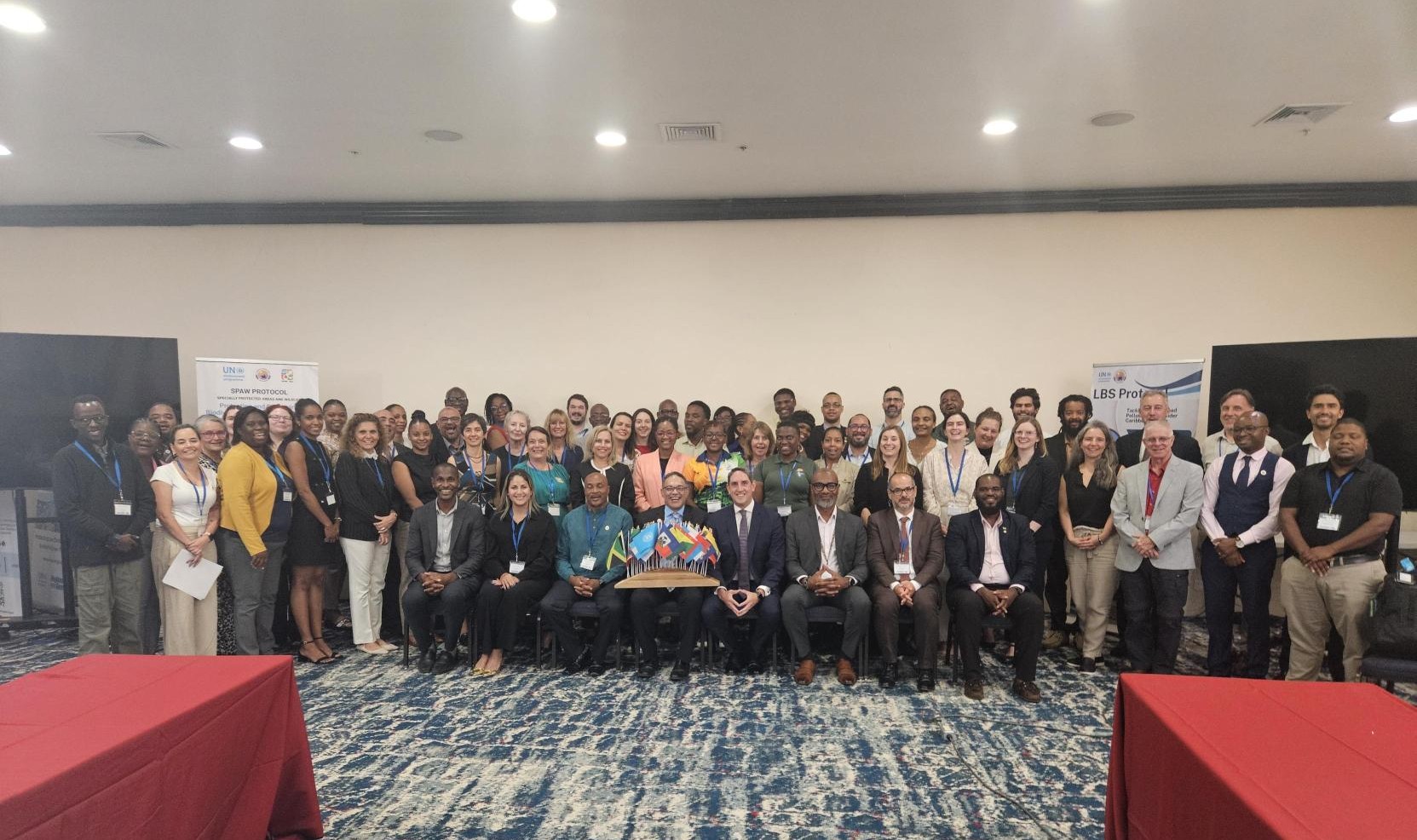
Latin America and Caribbean Leaders Adopt Landmark Action Plan for Blue Economy Resilience at COP18 in Kingston, JamaicaNew Strategic Roadmap Tackles Marine Pollution and Marine Biodiversity Threats to Safeguard US$400 Billion Regional Economy
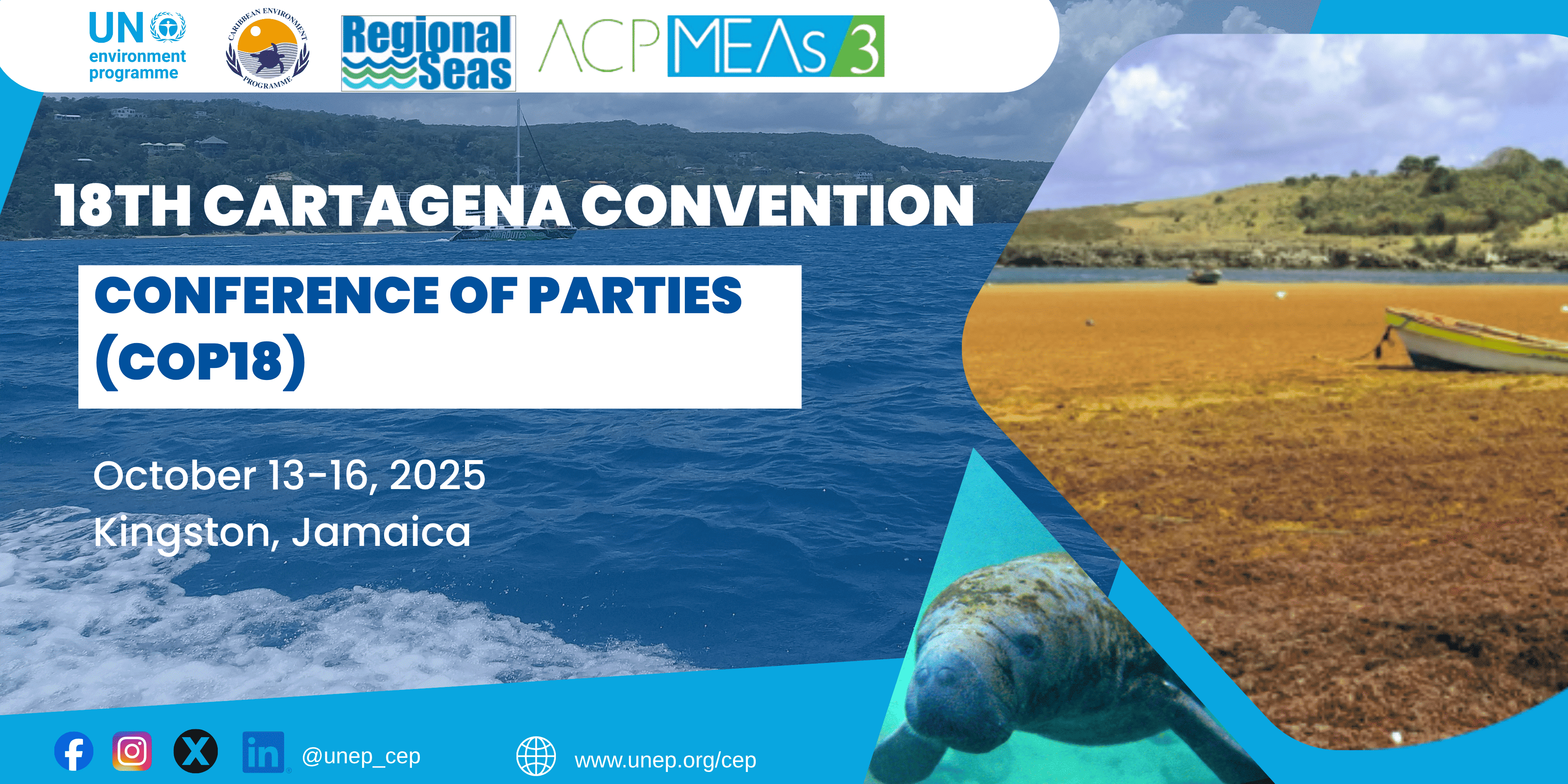
Eighteenth Meeting of the Cartagena Convention to Address Mounting Pressures of Marine Pollution, and Biodiversity Loss
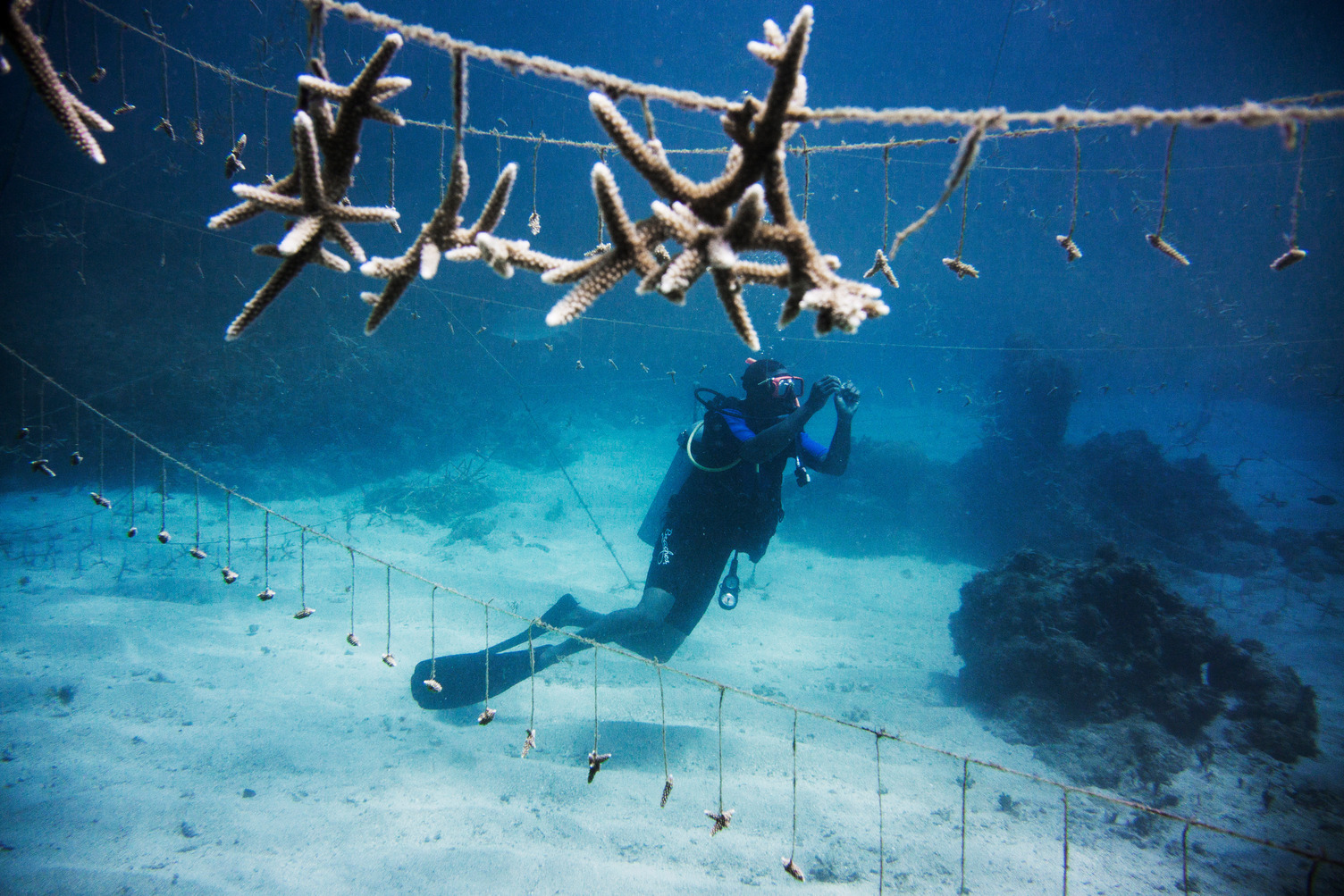
The Cartagena Convention Secretariat is proud to announce the 25th anniversary of the entry into force of the Protocol Concerning Specially Protected Areas and Wildlife (SPAW Protocol) being observed today, June 18, 2025. This significant milestone marks a quarter century of dedicated efforts to conserve and sustainably manage the rich and fragile marine and coastal biodiversity of the Wider Caribbean Region.

Message from Christopher Corbin, Coordinator Cartagena Convention Secretariat, Ecosystems Division

Message from Chris Corbin on the Observance of Jamaica’s Labour Day, May 23, 2025 UNEP Congratulates Government on Environmental Focus for Labour DayEncourages Ratification of Cartagena Convention SPAW Protocol

UK and UNEP Join Forces with Jamaica to Tackle Marine Pollution Threatening Coastal Livelihoods and Food SecurityInitiative set to enhance water quality and unlock sustainable growth in Jamaica’s blue economy

UNEP Cartagena Convention Secretariat, as the administrative body responsible for coordinating and facilitating the implementation of the Cartagena Convention, has been leading several environmental projects in the Caribbean region and has witnessed firsthand the growing concern over plastic pollution—particularly its devastating impact on Caribbean oceans, communities, and local economies.

As we celebrate World Wetlands Day 2025, (Sunday, February 2) under the theme “Protecting Wetlands for Our Common Future”, we recognize wetlands' critical role in sustaining biodiversity, human well-being, and climate resilience. In the Caribbean, these ecosystems provide essential services such as water purification, flood regulation, carbon sequestration, and coastal protection while supporting many communities' livelihoods through fisheries, tourism, and agriculture.

In the lead up to the United Nations Ocean Conference, held from 27th June to 1st July 2022 in Portugal, Acting Coordinator of the Secretariat Mr. Christopher Corbin was interviewed by UN News on the importance and role of the Convention in addressing pressing environmental issues in the Wider Caribbean.
The full interview is below.


Bridging Land and Sea, Mangrove forests are magnificent and prolific ecosystems which contribute to the wellbeing, food security, and protection of coastal communities worldwide. In the Mesoamerican Reef Region (MAR) and the Wider Caribbean, Mangroves are the economic foundation of over 134 million people living in the coastal regions.

Kingston, Jamaica. 5th November 2021. The United Nations Environment Programme Cartagena Convention Secretariat, based in Kingston, Jamaica, is pleased to announce that the Government of the Republic of Nicaragua is now the 18th country in the Wider Caribbean Region (WCR) to ratify the Cartagena Convention’s Protocol Concerning Specially Protected Areas and Wildlife (SPAW).


Summary of the Cartagena Convention’s recent intergovernmental meetings

Kingston, Jamaica, 30th July 2021: The Nineteenth Intergovernmental Meeting on the Action Plan for the Caribbean Environment Programme and Sixteenth Meeting of the Contracting Parties to the Convention for the Protection and Development of the Marine Environment of the Wider Caribbean Region began on Wednesday 28th July 2021 with a welcome by Ms.

Summary of the SPAW COP Opening Ceremony
Kingston, Jamaica, 28th July 2021: The Eleventh Meeting of the Contracting Parties (COP 11) to the Protocol Concerning Specially Protected Areas and Wildlife (SPAW) in the Wider Caribbean Region began on Tuesday 27th July 2021 with a welcome by Ms.

Summary of the LBS COP Opening Ceremony
Kingston, Jamaica, 27th July 2021: The Fifth Meeting of the Contracting Parties to the Protocol Concerning Pollution from Land-Based Sources and Activities (the LBS Protocol) began on Monday 26th July 2021 with a welcome by Mr.

Kingston, Jamaica. 23rd July 2021. Governments of the Wider Caribbean will next week reaffirm their commitment to the protection and sustainable use of the marine and coastal resources of the Caribbean Sea. This takes place within the framework of the Conferences of Parties to the Cartagena Convention, the only regional legally binding agreement for the protection and development of the Caribbean Sea.

We have lost half of the world’s coral reefs and are consuming nearly one-third of our commercial fish stocks at unsustainable rates. In 2021 the United Nations General Assembly’s UN Decade on Ecosystem Restoration (2021-2030) as well as the Decade of Ocean Science for Sustainable Development (2021-2030) have begun, emphasizing the urgency of restoring oceans and coasts by reducing the pressure on these ecosystems so they can recover.

“The Wider Caribbean Region is experiencing unequivocal impacts of nutrient pollution including nitrogen-based eutrophication, harmful algal blooms, hypoxia and those resulting from a complex and not fully understood phenomenon of recurrent nuisance Sargassum blooms.

Protecting marine mammals is essentially everyone’s responsibility - whether you are a user or simply a beneficiary of marine resources, each person is an actor in environmental conservation. For some persons, their love of marine mammals originated from as far back as they can remember and protecting these creatures feels like second nature. For others, these creatures are a wonderful and vibrant mystery, to be explored, protected and loved.
Showing 1 - 25 of 59

CEP was established in 1981 as part of the Regional Seas Programme in recognition of the importance and value of the Wider Caribbean Region’s fragile and vulnerable coastal and marine ecosystems including endemic plants and animals.