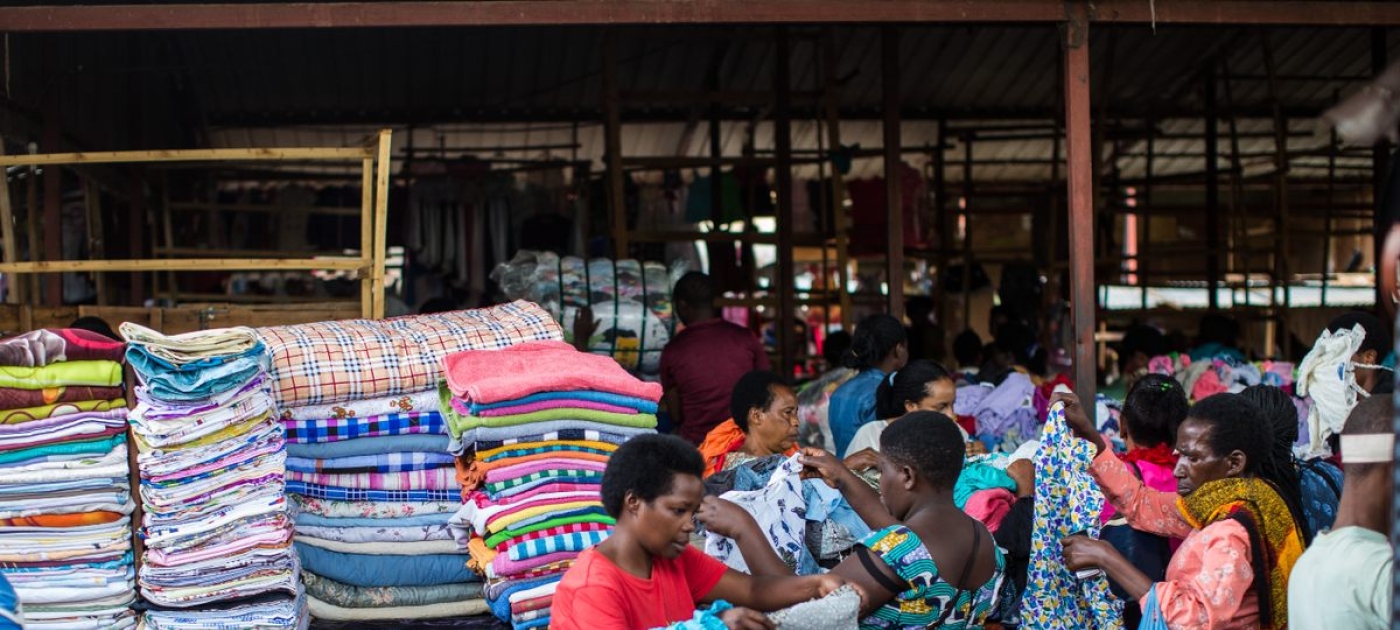
Textile and apparel exports are vital for Pakistan, Bangladesh, Turkey, and Egypt, accounting for a large portion of their total exports. This sector provides crucial livelihoods, with approximately 75% of its workforce comprised of women. Following a robust rebound to a $1.6 trillion valuation in 2023, projected to hit $3.3 trillion by 2030, the industry's upward trajectory is remarkable. However, fast fashion's rise has led to significant waste issues, costing over $500 billion annually. Developing countries have a high demand for second-hand clothing due to affordability, offering socio-economic benefits, particularly in informal sectors. Despite potential environmental benefits, challenges persist, especially concerning inadequate recycling infrastructure and the disposal of imported textiles.
Recognising the urgency to transition toward a sustainable and circular textile value chain, the project aims to identify possible key policy, financing, investment and regulatory priorities and the role of trade to enable a transformative change. The project will also develop a proposed framework to help differentiate between used textiles and textiles waste, which countries could adapt to their national contexts and dynamics.
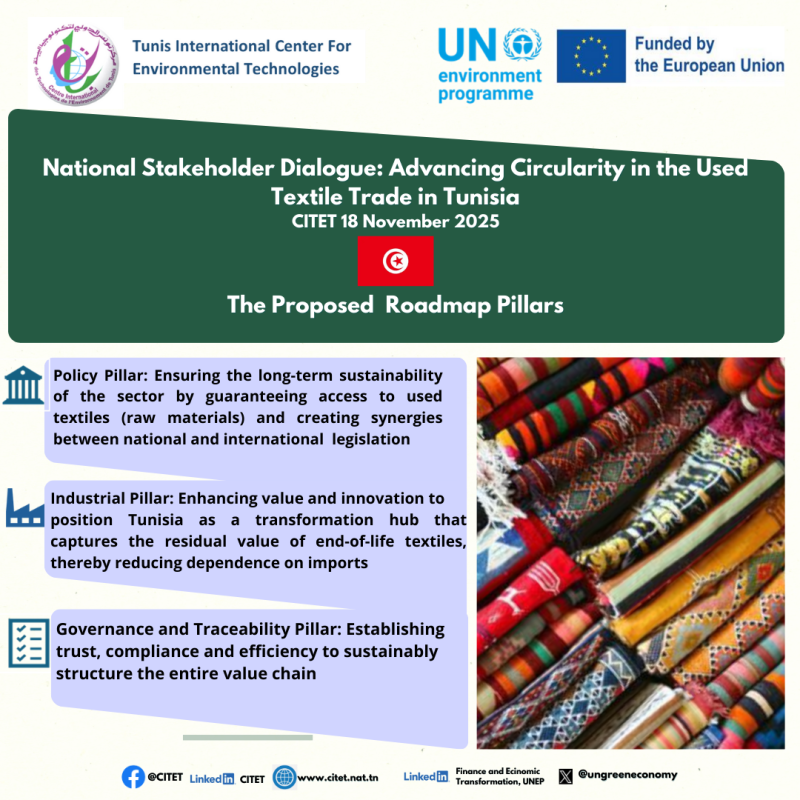
This project will work in Ghana, Kenya, Pakistan and Tunisia, acknowledging the high amounts of used textile imports in those countries, as well as engage with interested countries and stakeholders in consultations globally. Collaborations are made with governments and national organizations, including the Sustainable Development Policy Institute (SDPI) in Pakistan, The Or Foundation in Ghana, and The Kenya Institute for Public Policy Research and Analysis (KIPPRA) in Kenya.
More information on the implementing countries tab.
This project forms part of the One UNEP Textile Initiative that encompasses and aligns all UNEP work on textiles to work towards its three priorities of eliminating hazardous chemicals, addressing overconsumption and overproduction, and scaling circular business models in the sector.
For more information, please contact:
- Beatriz Fernandez, Programme Management Officer, Environment and Trade, UNEP beatriz.fernandezhernandez@un.org