Leadership Dialogue 2

Round and Round: Why circularity and sustainability are critical to the future of global industry


Friday 12 December 2025

10 a.m. to 11.30 a.m. EAT.

Leadership Dialogue 2 concept note: PDF

Languages: AR, ZH, EN, FR, RU, ES

Modality: in-person, webcast

Seating plan: PDF

Summary 

The dialogue examined how circular economy approaches can reduce environmental pressures, enhance resilience and support sustainable livelihoods, while enabling industrial transformation linked to the energy and digital transitions. Participants emphasized that rapidly rising global material consumption and waste generation were major drivers of climate change, pollution and biodiversity loss, and that shifting away from linear production and consumption models was essential to sustain long-term development. 

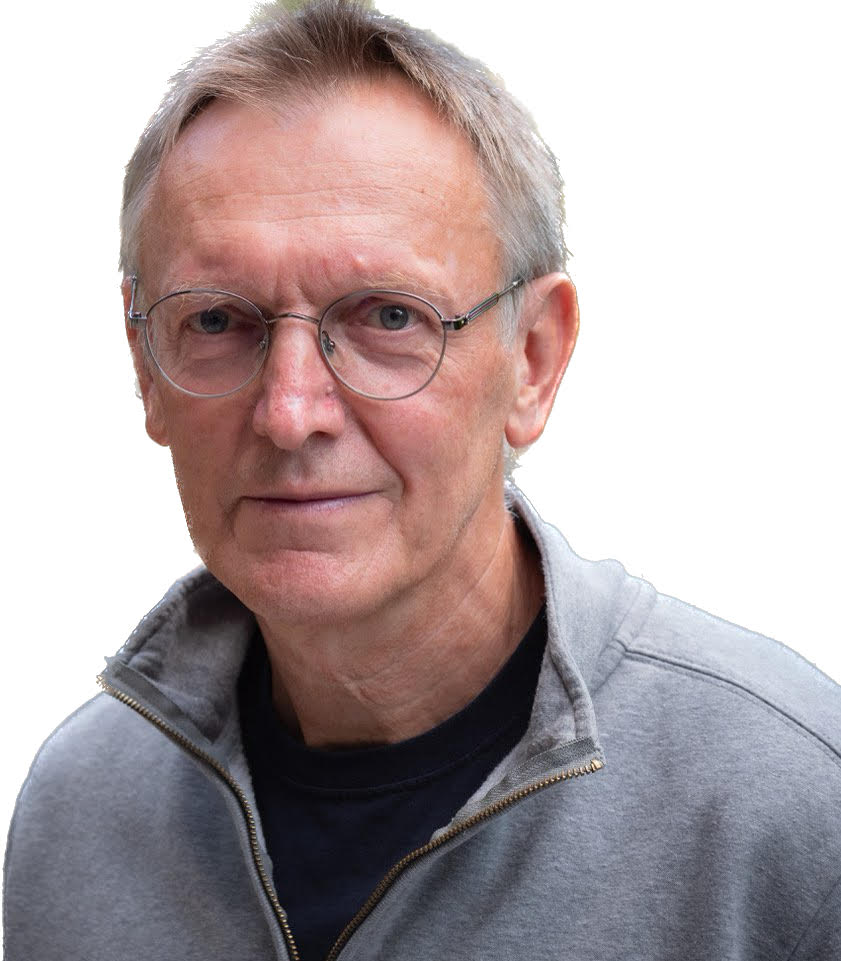
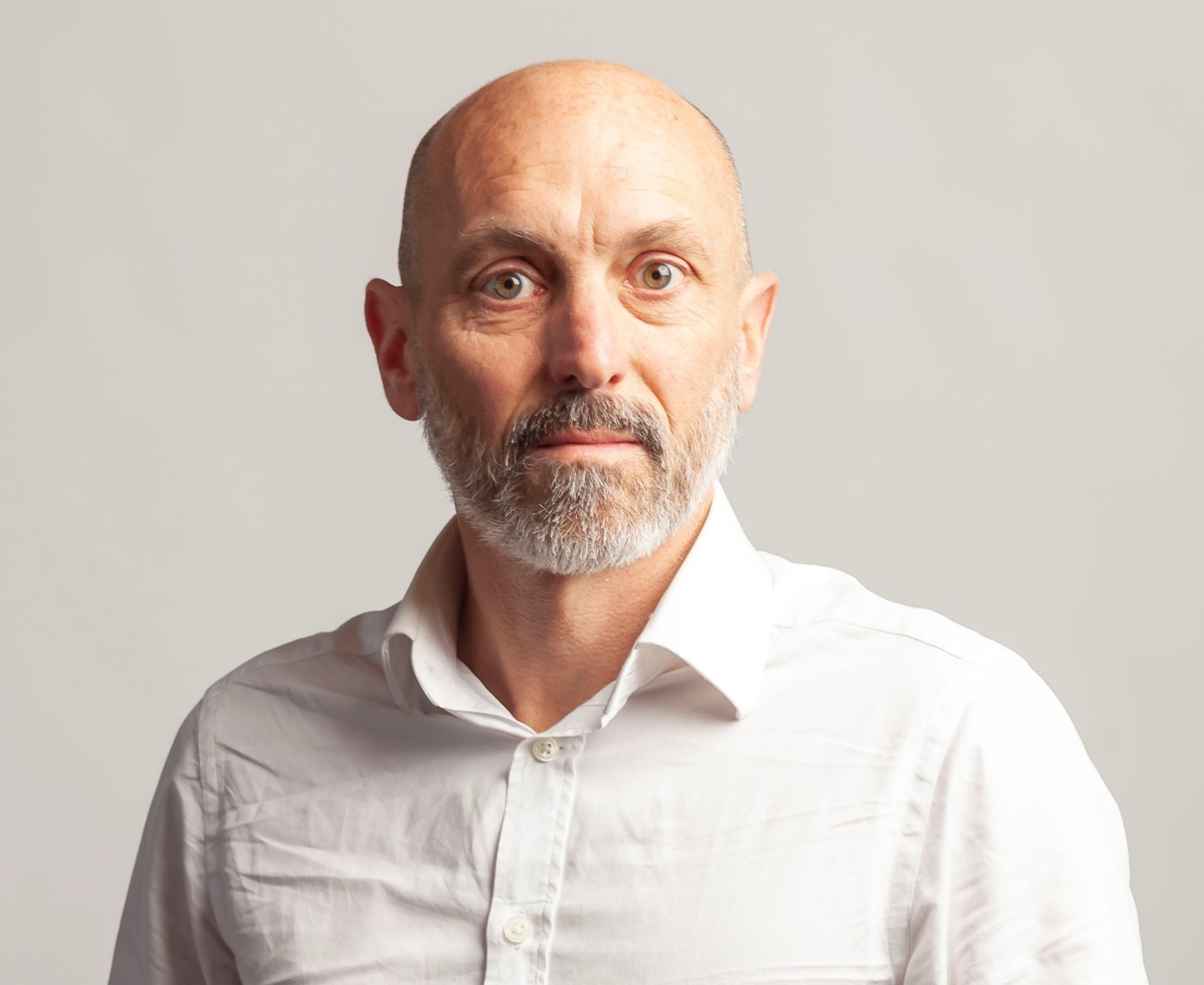
The discussion was moderated by Mr Jocelyn Blériot, Executive Lead of the Ellen MacArthur Foundation, who emphasized that circularity requires systemic change across entire value chains, supported by coherent policy signals and public–private collaboration. Dr Janez Potočnik, Co-Chair of the International Resource Panel, highlighted that material extraction and processing had increased sharply over recent decades and called for measures to decouple wellbeing and economic development from resource use through life-cycle approaches, product longevity, reuse, repair and increased use of secondary materials. 

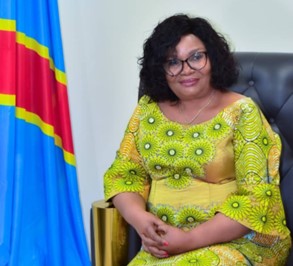
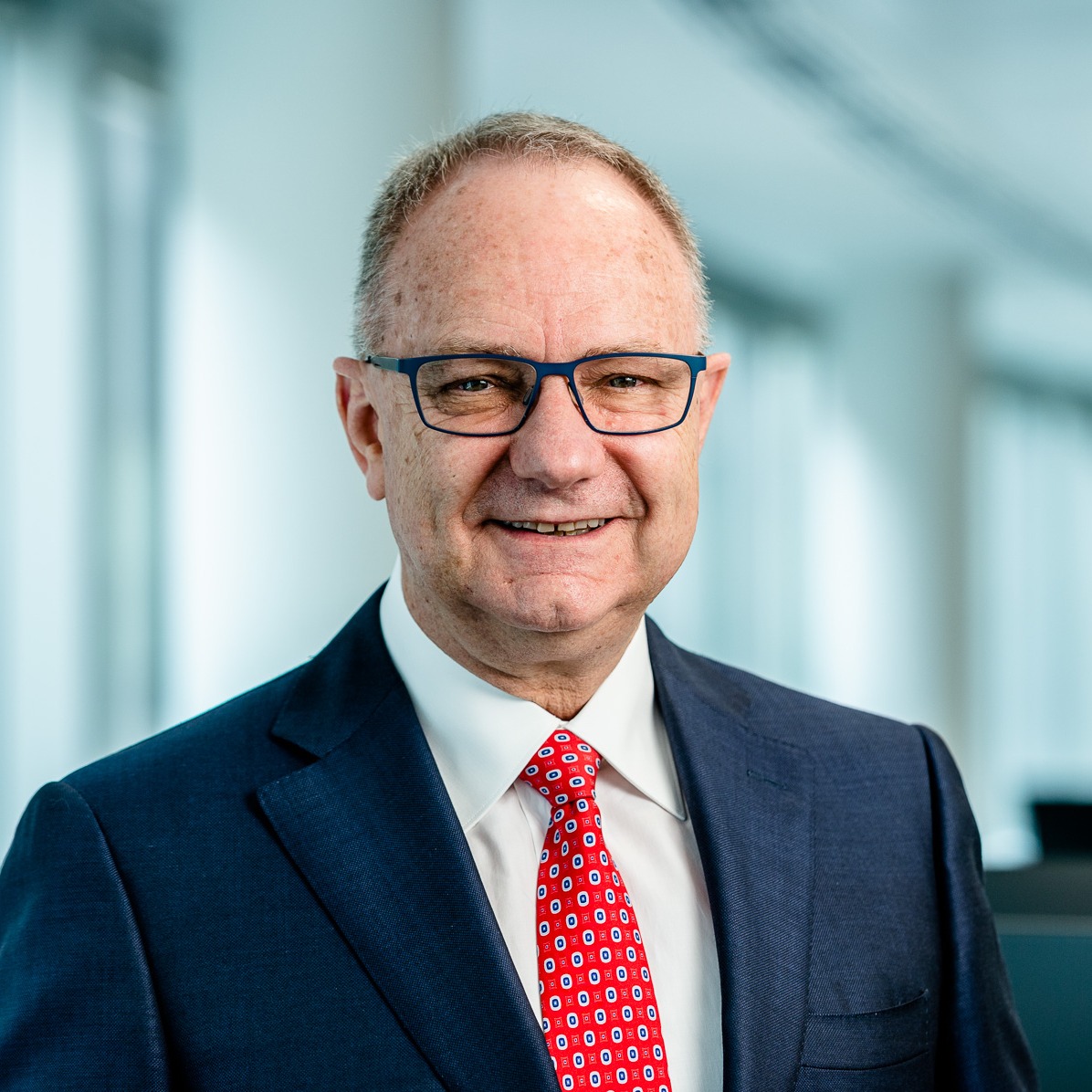
Guest speakers emphasized that circular economy transitions can strengthen resilience and create employment when supported by robust governance and social safeguards. Ms. Marie Nyange Ndambo, Minister of the Environment, Sustainable Development and New Climate Economy of the Democratic Republic of the Congo, stressed that circular transitions must ensure equitable benefit-sharing and protect workers and communities. Mr Mark Cutifani, Director and Executive Advisor and Chair of the Global Tailings Management Institute, highlighted that circularity in minerals and metals can reduce waste and environmental impacts when accompanied by responsible sourcing, transparency and strong environmental and social standards. 

Messages from the floor were grouped around four themes. First, participants emphasized strengthening policy and regulatory frameworks, including extended producer responsibility, circular product design standards and public procurement. Second, they highlighted the need to scale investment in collection, recycling, repair and remanufacturing infrastructure, particularly in emerging markets and small and vulnerable economies. Third, participants underscored the role of innovation, skills development, digital tools and technology transfer—such as traceability systems and data platforms—to enable circular value chains. Fourth, participants stressed that circular transitions must be inclusive and just, addressing impacts on workers and communities and improving access to finance, markets and technology. 

In closing reflections, participants emphasized that circularity must become systemic rather than incremental, supported by science-based targets, improved measurement and interoperable data. International cooperation, enabling finance and fair distribution of benefits were highlighted as essential to reducing environmental pressures, strengthening resilience and aligning industrial competitiveness with sustainability. In this context, participants called for the establishment of a global materials data hub for material flows and stocks to enable transparent, interoperable and decision-relevant data across value chains, supporting evidence-based policy, responsible business practices and sustainable resource management. Circularity was viewed as critical to enabling the deep collaboration required for successful transitions in critical minerals and key sectors, including energy, mobility, building and construction, textiles, electronics, plastics and agri-food.
 

Speakers

Moderator: Jocelyn Blériot

Executive Lead, Ellen McArthur Foundation

Jocelyn Blériot has contributed to the creation of the Ellen MacArthur Foundation in 2010, after 15 years spent in the media and publishing industry. Initially in charge of editorial matters, overseeing content development and messaging, he leads the organisation’s institutional engagement and the work with national governments across the Foundation's offices (Europe, Latin America, China, North America). He manages the relationship with supra-national bodies such as the European Commission, United Nations, G7/20 Resource Alliance, OECD or the World Economic Forum. Jocelyn currently holds the role of Deputy Lead for the China Council for International Cooperation on Development (CCICED) Special Policy Study on Circular Economy, and sits on the international advisory network of the Forum on Trade, Environment and the SDGs (TESS).

H.E. Marie Nyange Ndambo

Minister of the Environment, Sustainable Development and New Climate Economy, Democratic Republic of Congo

Her Excellency Professor Marie Nyange Ndambo is the Minister for the Environment, Sustainable Development and the New Climate Economy of the Democratic Republic of Congo. A trained economist and forester, she holds a double doctorate in Economics from the University of Kinshasa and in Forestry Sciences from Laval University in Canada. With over twenty years of experience, she is recognised for her in-depth expertise in the sustainable management of natural resources, environmental policies, the green economy, and forest governance in the Congo Basin.

Apart from government duties, Professor Marie Nyange Ndambo carries a distinguished academic career at the University of Kinshasa in the faculties of Economics and Agricultural Sciences and at the Laval University in Canada. She has contributed to numerous international research projects. She has also led and advised various national and international institutions and bilateral/multilateral organisations on issues of rural development, green jobs, community forestry and climate finance.

As head of the Strategic Environment portfolio, she is leading reforms related to the implementation of the Paris Agreement, forest landscape restoration, biodiversity conservation, peatland protection and the new climate economy. She was invited to the United Nations Environment Assembly (UNEA-7) to represent the DRC, a Climate Solution Country in the heart of the Congo Basin.

Mark Cutifani

Director & Executive Advisor, Chair of the Global Tailings Management Institute

Mark is a mining engineer, having started his career in deep underground coal mining in Australia in 1976. In his +48 years of business experience, he has had responsibilities across all forms of mining, processing, product marketing and corporate functions, having worked across 6 continents, 20 countries and with more than 30 minerals and metals. He is recognized as a major industry leader and innovator with a track record for delivery of improvements across all facets of business performance. Mark retired from his role as the Chief Executive (CE) of Anglo American (AA) in April 2022 after more than 9 years. AA moved from lagging industry performance in sustainability and innovation to being an acknowledged leader in value creation through new and progressive social, technical, and commercial transformations.

Prior to his AA position he was the Chief Executive Officer (CEO) for AngloGold Ashanti. Mark has also held senior executive positions with the Inco and Vale, the Normandy Group, Sons of Gwalia, Western Mining Corporation, Kalgoorlie Consolidated Gold Mines and CRA (Rio Tinto). Mark was also a past President of the International Council for Mining and Metals (ICMM) and the South African Chamber of Mines (now Minerals Council). Mark is currently a Non-Executive Director of Total Energies based in Paris. He is a founding partner in the Odin Partnership, focussed on business advisory, major transformations and new project funding and support.  

Janez Potočnik

Co-Chair of the International Resource Panel

Dr Janez Potočnik (1958) graduated from the Faculty of Economics at the University of Ljubljana, Slovenia (Ph.D. degree 1993). He started as a researcher at the Institute of Economic Research (1989) and was nominated for a Director of the Institute of Macroeconomic Analysis and Development in 1994. He was appointed Head of the Negotiating Team for Accession of Slovenia to the EU (1998). He was also Director of Government Office for European Affairs (2000), Minister Councillor at the Office of the Prime Minister (2001) and Minister responsible for European Affairs (2002). In 2004 he joined the European Commission, first as ‘shadow’ Commissioner for Enlargement, and then as Commissioner for Science and Research. In 2010 he became the European Commissioner for Environment. After the end of his mandate in November 2014, he was appointed as a Co-Chair of UN Environment International Resource Panel. From April 2016 he has also been a Partner of Systemiq. 

Скачайте официальное приложение ЮНЕА

Получите быстрый доступ к онлайн расписанию заседаний, объявлениям, картам и новостям. Загрузите приложение ЮНЕА для указанного ниже устройства.

Android

iOS