Preventing, controlling and managing pollution is central to improving health, human well-being and prosperity for all.
UNEP drives capacity and leadership in sound management of chemicals and waste while working to improve ways to reduce waste through circularity and pollutants released to the air, water, soil and the ocean.
09 Jun
2026
16:07
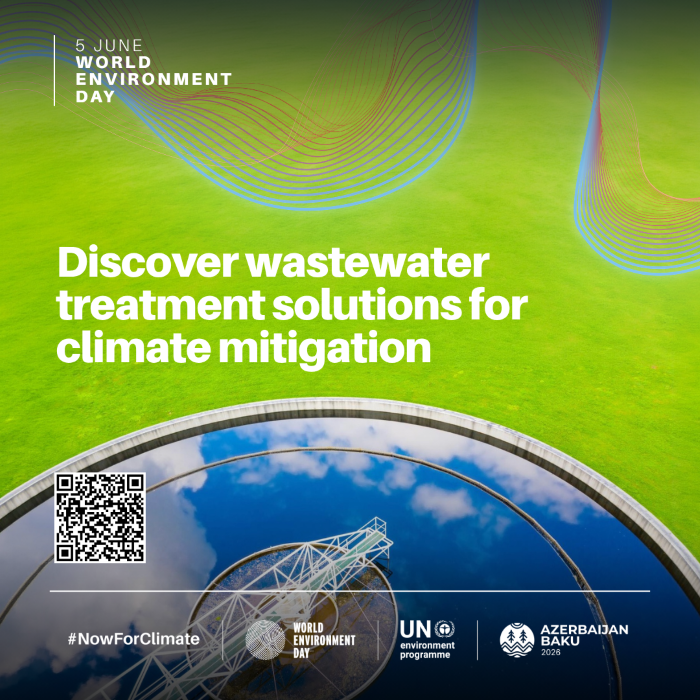
Wastewater treatment: a climate solution rising #NowForClimate
Wastewater treatment is emerging as a practical and cost-effective strategy in the climate mitigation toolkit. The sector is a significant but often overlooked source of methane and nitrous oxide — two greenhouse gases far more potent than CO₂ — yet existing technologies can already cut methane emissions by up to 80 per cent, often at little or no net cost. Beyond climate benefits, investing in wastewater systems simultaneously reduces pollution, protects ecosystems and improves public health — making it a high-return solution for governments and industries looking to act on multiple fronts at once.
A practical guide developed by UNEP and partners provides practitioners and policymakers with the methodologies, strategies and policy tools needed to monitor emissions and accelerate the transition to net-zero wastewater treatment.
08 Jun
2026
14:06
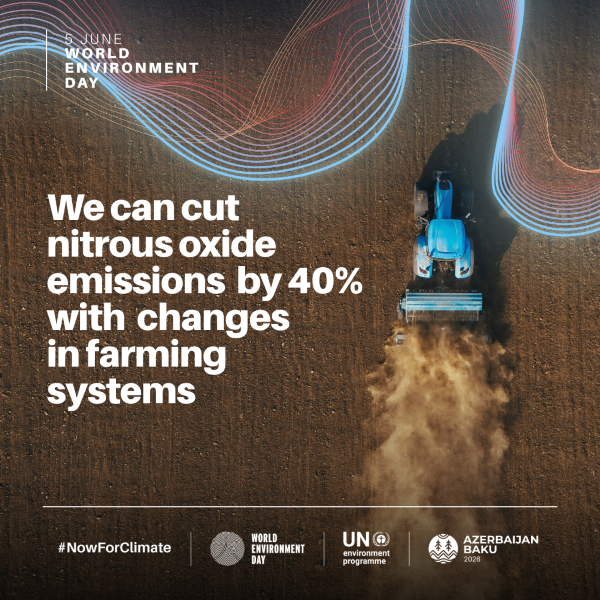
Beat Nitrogen Pollution #NowForClimate
Nitrous oxide is the third most significant greenhouse gas and the most powerful ozone-depleting substance still being emitted. Most emissions come from how we grow food.
Without urgent action on rising nitrous oxide emissions, there is no viable pathway to limiting global warming to 1.5°C.
The good news: We can cut emissions by 40%+ with practical changes in nitrogen and farming systems.
Interconnected crises: Taking action for the planet
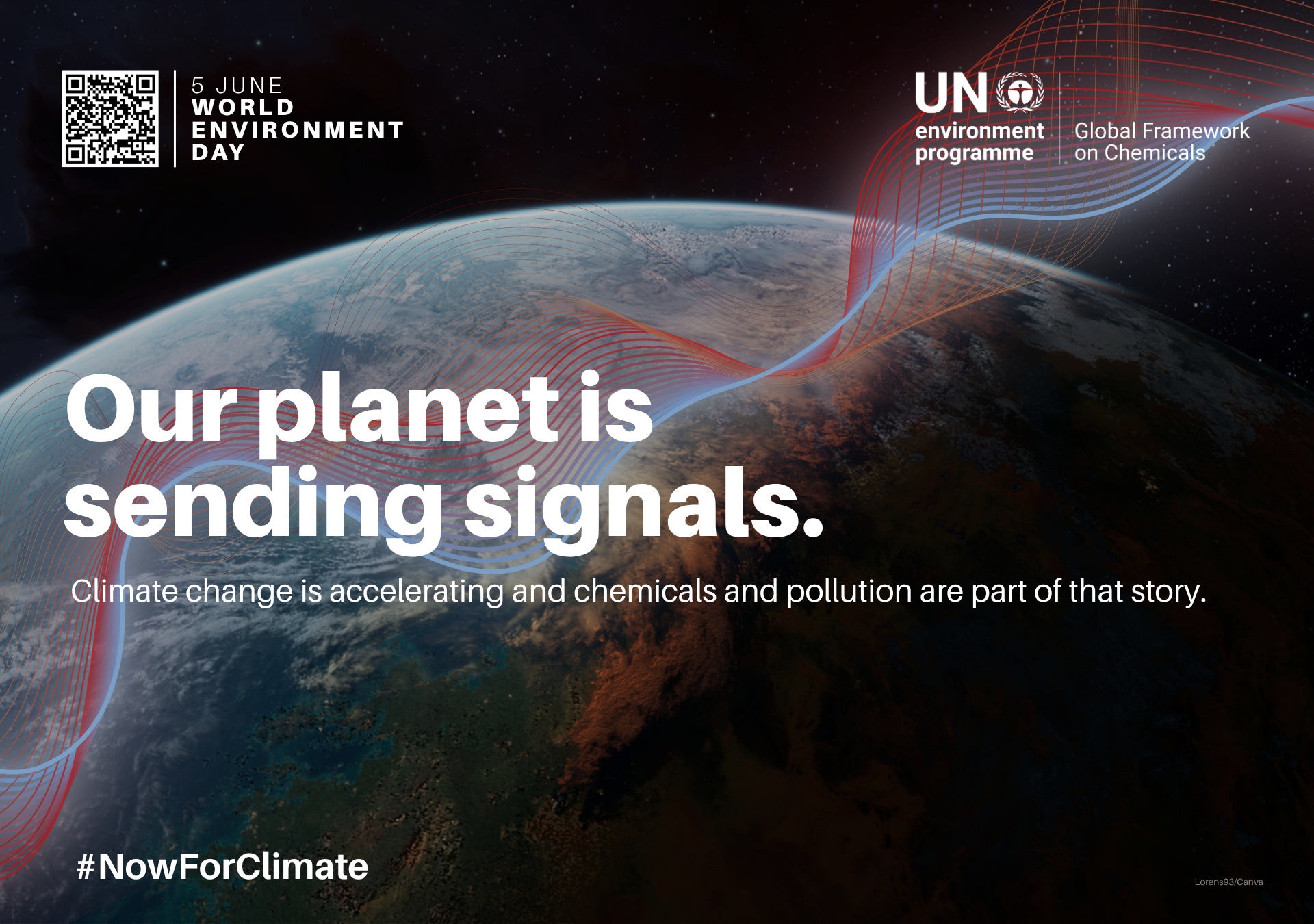
Our planet is sending clear signals.
More heat. More floods. More wildfires.
Beyond changing weather patterns, climate change is also increasing chemical risks, affecting the air we breathe, the water we drink and the ecosystems we depend on. These challenges are deeply interconnected. And so are the solutions.
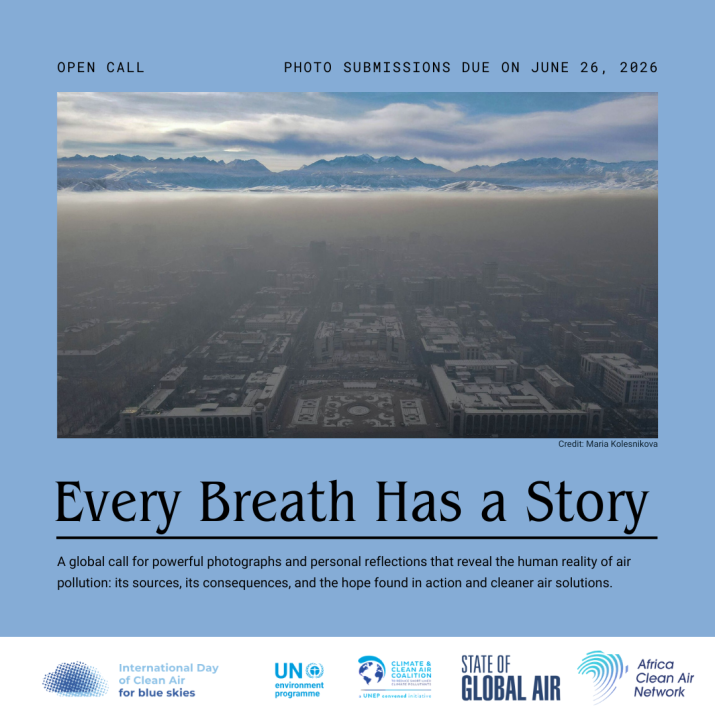
UNEP, the Climate and Clean Air Coalition, the State of Global Air and the Africa Clean Air Network are inviting photographers, activists, students and community members worldwide to submit powerful images and stories that capture the reality of air pollution and the hope found in clean air solutions.
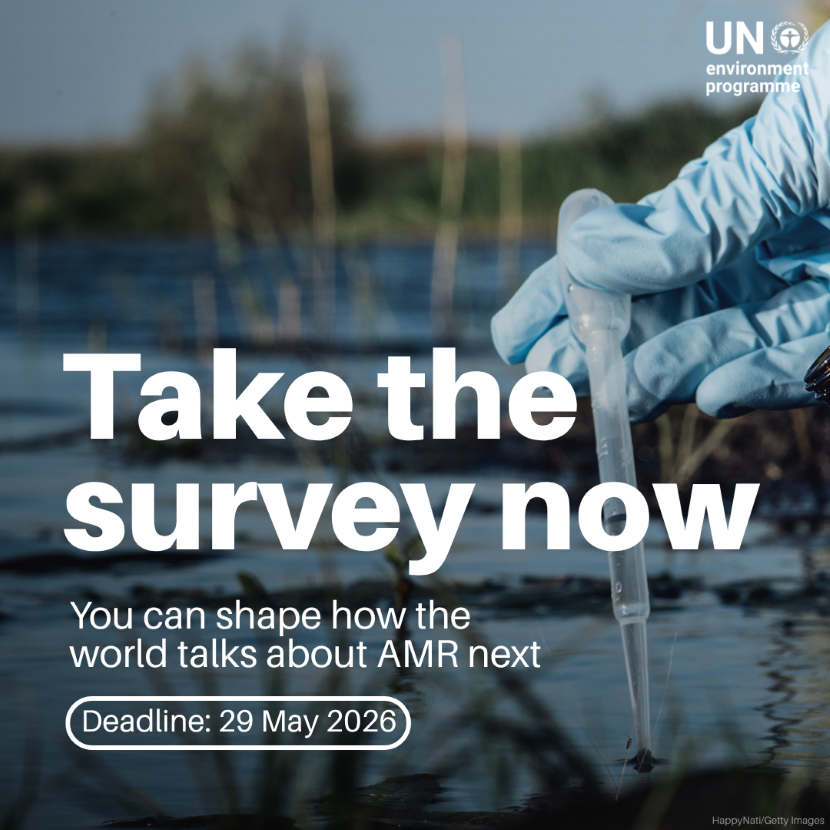
Help shape the global theme of the next World AMR Awareness Week.
The Quadripartite (FAO, WHO, UNEP and WOAH) is running a survey to develop the theme and communication priorities for the 2026 World Antimicrobial Resistance Awareness Week (WAAW), observed from 18 to 24 November 2026.
Pollution contributes to antimicrobial resistance. A growing global challenge, Antimicrobial Resistance (AMR) is projected to cause 39 million deaths between 2025 and 2050, reduce global GDP and push 24 million more people into extreme poverty.
Environmental action is part of the solution: from pollution prevention to improved waste and wastewater management and surveillance.
To bring environmental voices into the conversation, help shape the global theme of the next World AMR Awareness Week.
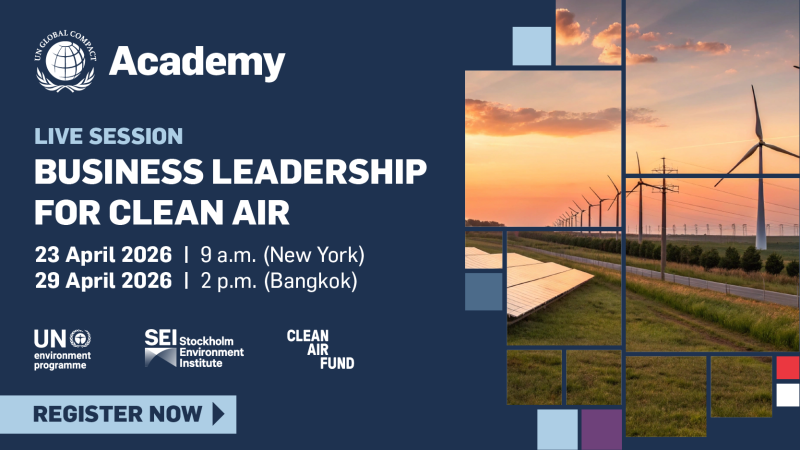
This webinar will help companies better understand air pollution as a material business issue and provide practical guidance on measuring, reporting, and reducing air pollutant emissions. Experts from the UN Environment Programme, the UN Global Compact, the Stockholm Environment Institute, and the private sector will cover the business case for clean air, priority industries, and practical tools for corporate action.
The session will be available in English, Spanish, French, and Portuguese.
What wastewater can reveal at travel and trade hubs
Credit: UNEP/Geraldine Deblon
From emerging pathogens to antimicrobial resistance to water pollution, many threats to human, animal and environmental health can spread quietly before they are detected.
To respond to this challenge, the United Nations Environment Programme (UNEP) and partners are supporting an effort to monitor wastewater at African airports and seaports. This water can contain early signals of potential public and environmental health threats.
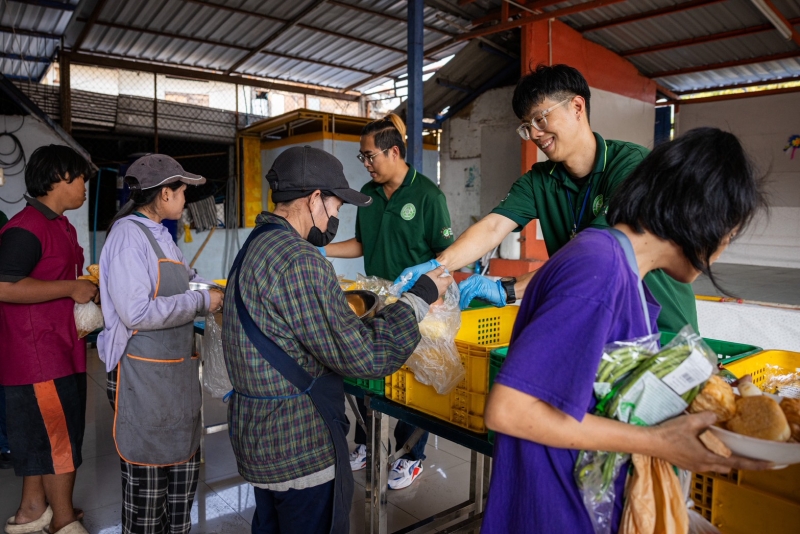
Turning surplus into support: Zero Waste Day initiative mobilizes Bangkok
Credit: SOS Thailand
To mark the International Day of Zero Waste 2026, UNEP has joined forces with UN-Habitat, Scholars of Sustenance (SOS) Thailand, and partners from the ECO-Capitals Forum in Bangkok to transform surplus food into meaningful support for communities in need. A city-wide food drive, running from 30 March through April, is collecting and safely redistributing excess food across the Thai capital, highlighting the power of coordinated action to address both waste and food insecurity.
The initiative will culminate in a joint activation event at CentralWorld, one of Bangkok’s largest shopping centres, alongside outreach efforts in Phra Jen Community, a low-income neighborhood where redistributed food will support vulnerable households. Organizers say the campaign underscores how cross-sector collaboration can reduce waste, cut pollution, and deliver practical, community-driven solutions.
31 Mar
2026
15:51
Sign up for updates on #ZeroWasteDay and help #BeatPollution
Sign up for updates on #ZeroWasteDay and help #BeatPollution