
• Overview

As countries accelerate the transition to electric mobility, a critical question remains: who benefits, and who is left behind? 

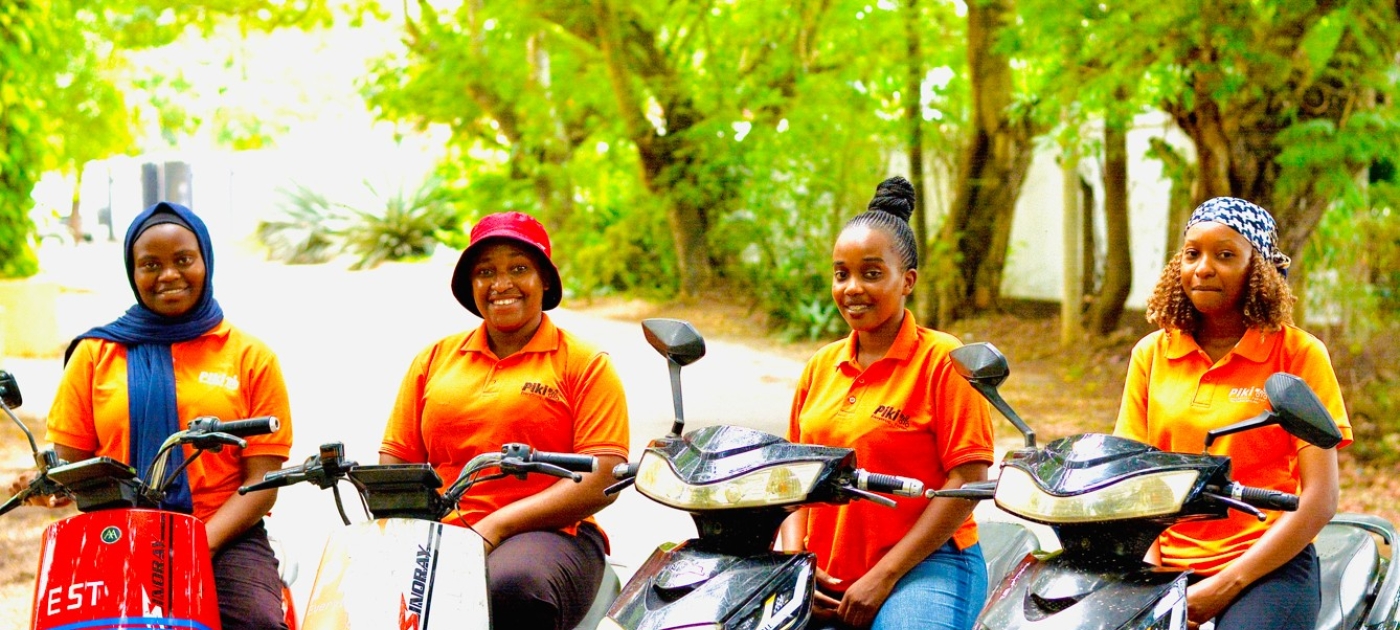
The E-Mobility as a Driver for Change project aims to ensure that the shift to electric mobility in low- and middle-income countries is inclusive, gender-responsive, and equitable. The project promotes the mainstreaming of gender considerations across electric mobility policies, programmes, and investments, while strengthening the position, participation, and leadership of women in shaping the future of sustainable transport systems. It also seeks to unlock new economic opportunities for women across the electric mobility value chain—from vehicle operation and maintenance to entrepreneurship, manufacturing, and leadership in the sector. 

Implemented by the United Nations Environment Programme (UNEP) with funding from the German Federal Ministry for Economic Cooperation and Development (BMZ), the project has generated new evidence and insights from six countries. These findings contribute to a stronger global and national knowledge base on gender and e-mobility. Through improved data, research, and stakeholder engagement, the project highlights how women can play a more central role in accelerating the uptake of electric mobility—while ensuring that the transition delivers social, economic, and environmental benefits for all, including access to quality jobs, skills development, and new green economic opportunities. 

____________________________________________________

The Campaign 

To amplify the findings and drive engagement, we are launching a dedicated Gender and E-mobility Campaign. 

The campaign aims to: 

  • Increase visibility of the Gender and E-mobility Baseline Reports 
  • Promote knowledge sharing on inclusive and gender-responsive e-mobility transitions 
  • Strengthen awareness and dialogue among policymakers, practitioners, industry leaders and civil society 
  • Inspire action toward a more equitable transport sector 

Every Wednesday, we will be publishing gender-focused posts on the LinkedIn page, covering key themes including: 

  • Women’s mobility patterns 
  • Access to e-mobility 
  • Gender mainstreaming in transport policy 
  • Women’s participation in the e-mobility workforce.   
  • Barriers and opportunities in the just transition 

Content will draw from evidence generated across participating countries and from the international baseline study. These reports provide country specific data and recommendations to guide inclusive electric mobility transitions. 

 ____________________________________________

Baseline Reports and Factsheets 

  1. International Baseline Report on Gender and E-mobility [ Baseline Report
  2. Kenya  [ Baseline Report
  3. Uganda [ Baseline Report ] [ Factsheet ]
  4. Colombia [ Baseline Report ] [ Factsheet ]
  5. Ecuador [ Baseline Report ] [ Factsheet ]
  6. Indonesia [ Baseline Report ] [ Factsheet
  7. Viet Nam [ Baseline Report ] [ Factsheet
  8. Gender and E-Mobility Database 

 ____________________________________________

Videos 

  ____________________________________________

Join the Campaign 

The transition to electric mobility presents a unique opportunity to redesign transport systems to be more inclusive, equitable, and just. 

Follow the campaign, engage with the content, and be part of shaping a gender-transformative future for sustainable mobility. 

  ____________________________________________