Background
The demand for deliveries continues to grow rapidly: e-commerce already accounts for more than 20% of retail sales globally and is still growing rapidly. By 2030, the number of delivery vehicles within inner cities is estimated to increase by 36% higher than in 2020, according to a 2024 UNCTAD report.
Without coordinated action, last-mile emissions are projected to increase on average by 60% by 2030 globally, accounting for 13% of overall city emissions. The resulting pressure would raise overall traffic congestion by around 14%, increase healthcare costs by approximately 12%, and add about five minutes to daily commutes.
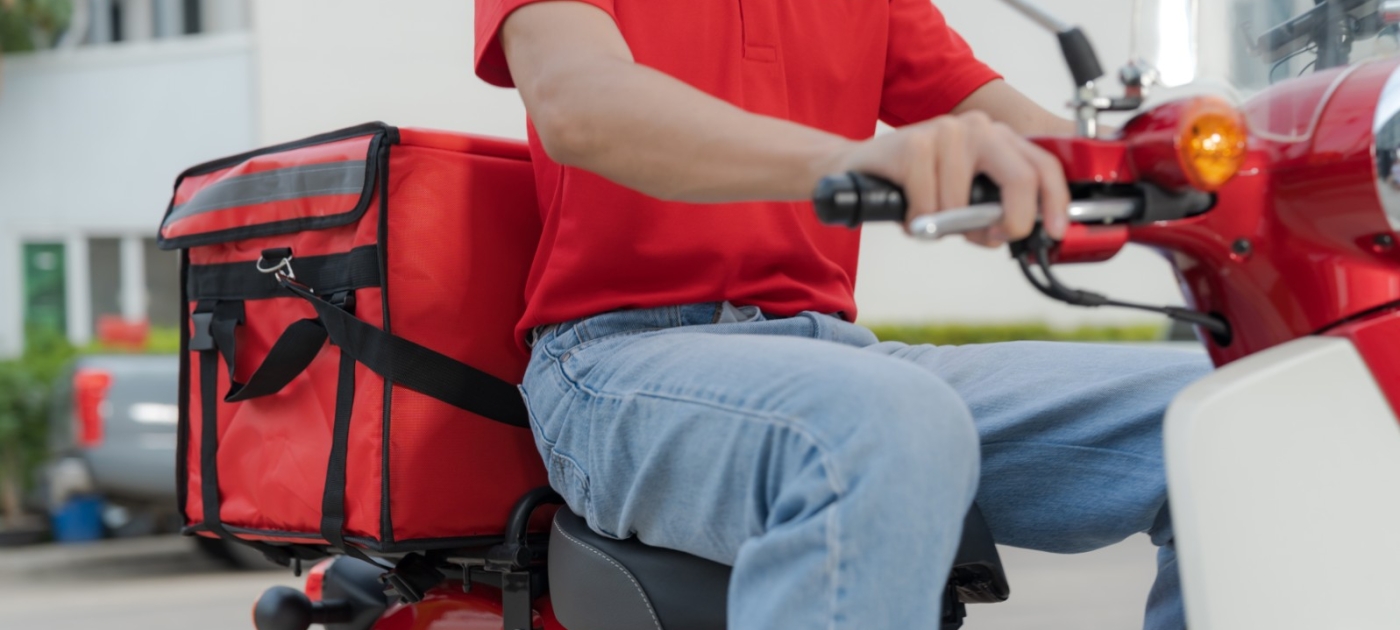
Focusing on electrifying two- and three-wheelers, as well as optimising delivery operations, yields significant benefits. Switching from internal-combustion two-wheelers to e-bikes can reduce last-mile delivery costs by about a quarter while cutting emissions by about 90%. Electrifying urban delivery fleets directly improves air quality where people live and work.
Founding members— Delivery Hero, DoorDash, iFood, Mr D, Swiggy, Uber, Wolt, and Zomato —provide the Coalition with global reach and local influence. The associated partners of the Deliver-E Coalition are the ClimateWorks Foundation, the Government of the Netherlands, and Prosus.
____________________________________________________________________________
Event details
- When: 14 October 2025 Where: Dubai Humanitarian, DIC Complex Building 4, Dubai, UAE Format: In-person
- Participants: Coalition members; UNEP Secretariat (Sustainable Mobility Unit, Global Electric Mobility Programme); Associate partners
- Host: United Nations Environment Programme (Secretariat)
____________________________________________________________________________
Next steps
Following the launch, members move into a Coalition work plan focused on practical acceleration of zero-emission deliveries, particularly for two- and three-wheeler operations:
- Evidence & and insights – Building the knowledge base through research and case studies that surface replicable approaches across different contexts.
- Technology & and supply – Improving visibility of viable zero-emission vehicle options and addressing barriers around availability, cost and standards.
- Finance & and scale-up – Exploring financing models, including carbon finance, to de-risk fleet transitions and accelerate adoption.
- Governance & and communications – Establishing member-led decision-making processes for work plans, membership and communications, including an annual Coalition-level progress report.
The Deliver-E Coalition aligns leading delivery platforms, ecosystem partners and UNEP to cut last-mile emissions and improve urban air quality while unlocking economic and social benefits, including strengthened driver livelihoods, improved street-level safety, and new local jobs across service, infrastructure, and software.
With the launch in Dubai, the Coalition moves from ambition to action aiming to —advancing advance shared workstreams while maintaining candid dialogue and practical solutions. The Secretariat will issue public updates as milestones are reached.
____________________________________________________________________________
- Media and& enquiries: Deliver-E Secretariat (UNEP Sustainable Mobility Unit) — sean.cooke@un.org