Venue: ONLINE
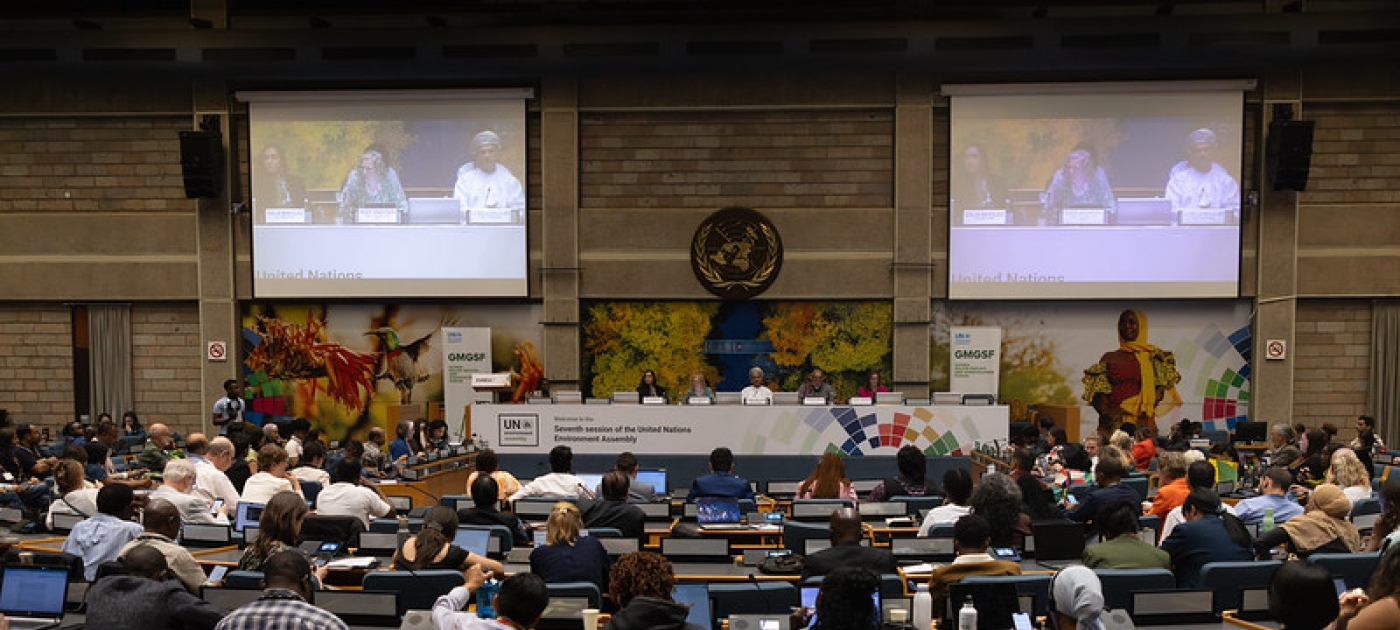
The online RCM for the European region was conducted in two sessions held on 3 and 6 October 2025. The opening of the first session counted with the welcoming words of Peter Maddens, Vice President of UNEA and Ambassador and Permanent Representative of Belgium to UNEP.
Representatives from the nine Major Groups from across the European region as well as selected non accredited organisations following UNEA were invited to engage in preparation to UNEA 7. Participants made contributions which were reflected in the Joint Regional Statement including specific asks around UNEA draft resolutions.
The two-day consultation, which allowed for online participation, welcomed 120 participants in total spread during both days. Altogether, the event featured participants from around 40 countries across the region and behind and from all Major Groups except for Trade Unions. There were more female than male participants.
The first session focused on UNEA 7 roadmap and the opportunities to engage. We also had short interventions on the implementation of past UNEA resolutions such as the one on Science Policy Panel on Chemicals and Waste, Mining and Raw materials, Conflict & Environment and the Plastics Treaty.
Marijana Mance, from DG Environment at the European Commission, presented the ambitions of the EC regarding UNEA 7.
During the second session, representatives from the Children and Youth Major Group presented the outcomes of the 2025 European Youth Days and the European Regional Youth Manifesto. Afterwards in parallel groups, our key messages per resolution and thematic resolution cluster were formulated. The parallel groups were organised under the following themes:
- Chemicals, waste and pollution
- Artificial intelligence
- Sustainable Management of Metals and Minerals
- Nature, biodiversity, geodiversity
- Ocean protection and ocean environment
- Environmental crimes, ecocide and implementation
The RCM adopted a final draft of the Joint Regional Statement, which remained open for comments for some days after the RCM and was distributed after its final adoption. The Joint Statement gathered specific recommendations on Member States on draft resolutions as well as broader recommendations for the preparations to UNEA, the Ministerial Declaration and the UNEP Mid-Term Strategy.
The RCM was successful on different levels: the participants covered a wide range of countries and constituencies in the region, with a good balance in terms of geographic spread, gender and age. The RCM also provided a good mix of informative capacity building sessions and position building around the emerging UNEA 7 resolutions. The Joint Statement provided a strong basis for the Global Joint Statement adopted by the GMGSF just before UNEA.