
Context
Methane is responsible for around one-third of human-caused global warming, and cutting methane emissions is one of the fastest, most cost-effective ways to limit peak warming in the near term. Fossil fuel production and use account for roughly a third of global methane emissions, most of which can be abated with readily available and low-cost solutions. However, progress remains limited to date, with annual emissions of methane from fossil fuels remaining close to 120 million tonnes. Nevertheless, momentum is growing through the Global Methane Pledge, national policy roadmaps and inclusions in NDCs 3.0, efforts through the Climate and Clean Air Coalition, and corporate commitments via the Oil and Gas Decarbonization Charter and UNEP’s OGMP 2.0, as well as through technological advancements in both detection and mitigation. More actions are urgently needed to unlock this untapped mitigation potential, from stronger regulations to robust monitoring, reporting, and verification (MRV) systems, and trade policies to targeted international support.
Objectives
In this context, this Solutions Dialogue aims to:
- Highlight the immediate and still largely untapped opportunity to reduce methane emissions in the fossil fuel sector to limit the pace and scale of global warming.
- Enable a frank and interactive discussion on trade and other market levers that can create supportive and enabling conditions, what is needed to make them effective, such as policies and regulations, including capacity support to devise and enforce them, and develop and strengthen MRV procedures and systems.
- Identify priority actions for the COP30 Climate Action Agenda on the reduction of nonCO2 pollutants and define next steps in the lead-up to Belém.
Agenda
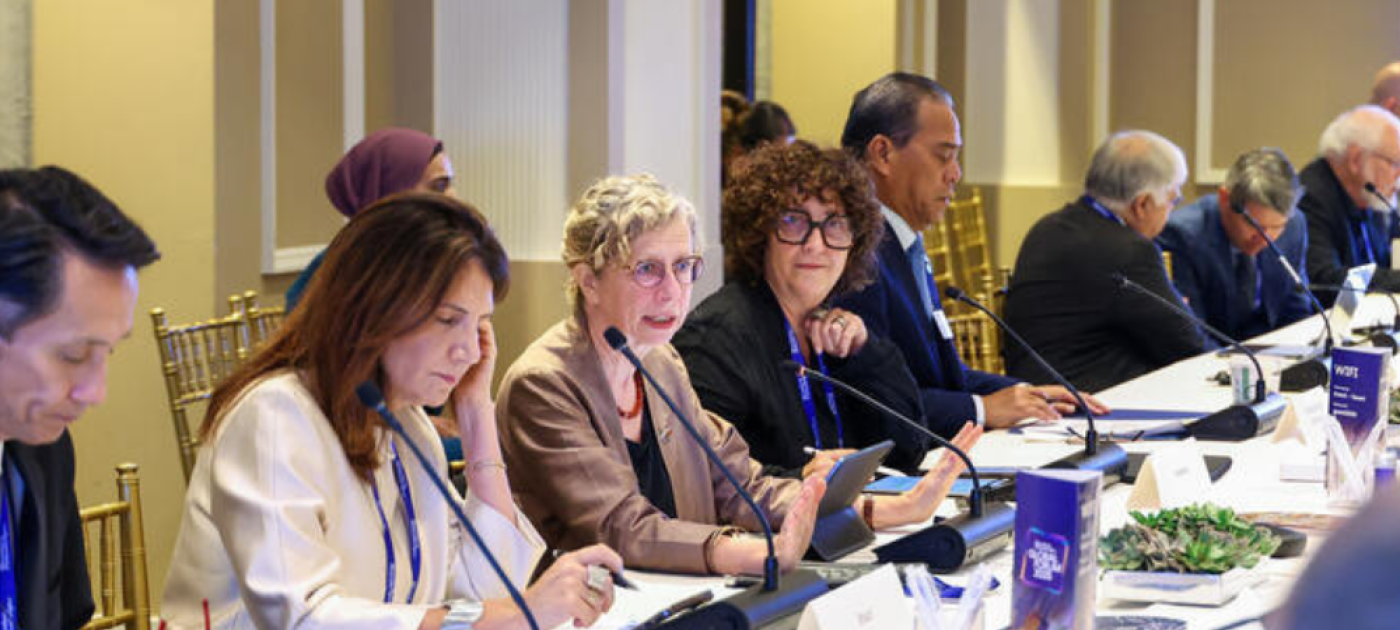
Format: Moderated roundtable, ~3-minute intervention per speaker
Participation: Heads of State, Ministers, and leaders from IGOs and methane-related initiatives
- Welcome and scene-setting on the urgency of action
- High-level segment: Spotlight on national advancements in fossil methane governance
- Discussion segment: Making markets work: What does it take to cut methane?
Inputs and interventions from dialogue participants welcomed on:
- Policy and regulatory action at national and regional levels
- Methane in Nationally Determined Contributions
- Market and trade levers
And exploring opportunities for:
- Alignment with best practice and capacity building
- MRV to support accountability and transparency
- Collective action to accelerate mitigation
Outcome
Cutting methane emissions is one of the fastest and most cost-effective ways to limit global warming while delivering economic and social co-benefits. Building on this understanding, the upcoming dialogue will identify a set of priorities for action and opportunities for collective next steps.
Outcomes of the discussion will be presented in the main program at the UN Secretary-General’s Special High-level Event on Climate Action on 24 September and captured in the Chair’s Summary. The dialogue will support delivery of the Global Methane Pledge (GMP) and the COP30 Presidency’s Action Agenda objective #25 on non-CO2 gases.
By invitation only.