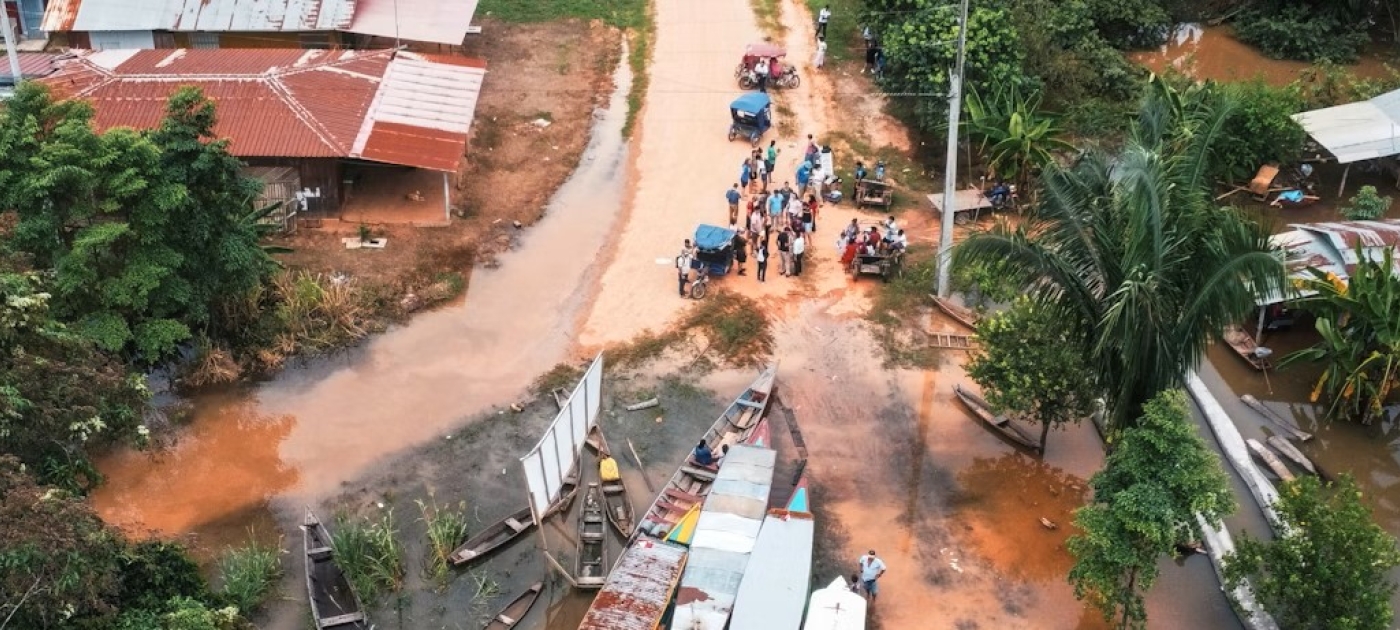
Climate change is driving widespread losses and damages across the globe, many of which are non-economic in nature. These include impacts on human health, cultural heritage, biodiversity, ecosystems, livelihoods, and community identity.
Despite their profound implications for resilience, human rights, and sustainable development, non-economic losses (NELs) remain underrepresented in national planning and global policy processes.
This two-day symposium brings together experts, policymakers, practitioners, and community representatives to advance science-based, practical, and locally grounded approaches to addressing non-economic losses.
The symposium is co-organized by the United Nations Environment Programme / United Nations Environment Programme Copenhagen Climate Centre | United Nations Office for Disaster Risk Reduction | United Nations Development Programme
Key themes
The symposium will focus on:
- Data and methodologies to assess and monitor non-economic losses (NELs)
- Evidence and impacts of NELs across sectors, including health, livelihoods, ecosystems, culture, and displacement
- Policy and governance pathways, including integration into climate, disaster risk reduction, and development frameworks
- Access to and readiness for climate finance, including practical approaches to implementation
Discussions will emphasize locally led approaches, including Indigenous knowledge, as well as community and country perspectives, particularly from climate-vulnerable contexts.
Programme overview
The two-day symposium will bring together policymakers, experts, and practitioners to advance a shared understanding of non-economic losses (NELs) and to identify practical pathways for action.
Discussions will explore the evidence and diverse impacts of NELs, alongside current challenges in data, assessment, and measurement, and will highlight emerging methodologies and tools for integrating NELs into national and international processes. Interactive breakout sessions and country case studies will provide practical insights across key thematic areas, including ecosystems, human mobility, and culture.
Building on this foundation, the symposium will examine policy and governance pathways, emphasizing integration into national frameworks and coordination across sectors. Sessions will also focus on finance and implementation, including how countries can strengthen readiness and access resources to effectively address NELs.
The symposium will conclude with key messages and recommendations to inform future policy processes and global engagement.
Expected outcomes
The symposium will contribute to:
- A strengthened shared understanding of non-economic losses
- Identification of practical tools, methodologies, and policy options
- Enhanced collaboration across UN agencies, governments, academia, and communities
- Targeted inputs to ongoing work under the Warsaw International Mechanism (WIM)
Participants
The symposium will bring together:
- Government representatives and policymakers
- Members of the WIM Executive Committee and Expert Groups
- Scientists and researchers, including the Intergovernmental Panel on Climate Change (IPCC) contributors
- UN agencies and international organizations
- Civil society, Indigenous peoples, and community leaders
- Development partners and donors
Agenda
A detailed agenda, including session timings and speakers, is available below:
Participation & Contact
Participation: Participation is by invitation only. Kindly note that this is an in-person event.
For participation inquiries and further information, please contact: undrr-bonn@un.org