
What: Enabling the shift to sustainability and circularity in the textile value chain, high-level event of UNEA-7
Lead organiser: UNEP
Date and time: Thursday 11th December 2025, 3:30 p.m. - 5:00 p.m. EAT
Format: In-person (livestream will also be available here)
Location: Mount Kenya Room, UN Compound in Gigiri, Nairobi
Background:
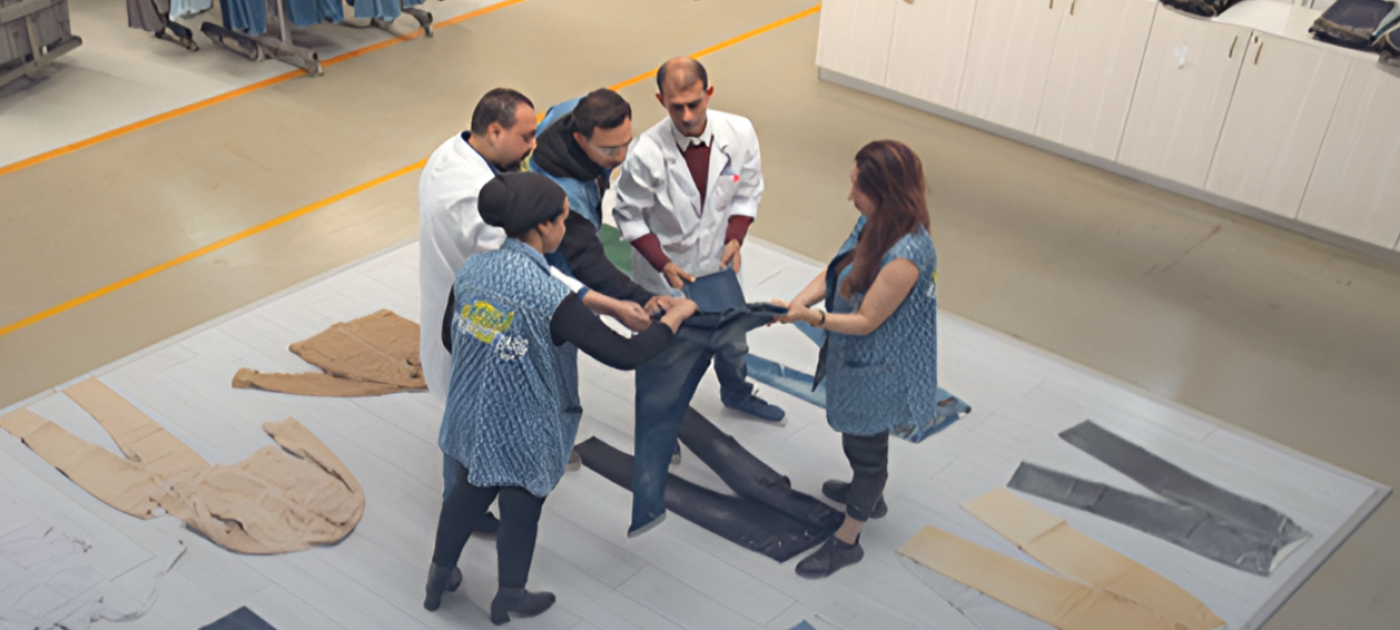
The textiles value chain is a cornerstone of the global economy, supporting millions of jobs and driving trade across continents, yet it faces profound sustainability challenges, resulting in an economic, environment and even a health burden where chemical pollution risks exist. The sector is responsible for significant greenhouse gas emissions, a heavy nature footprint, and pollution risks from harmful chemicals that threaten human and environmental health. Overproduction and fast fashion have led to excessive waste, with garments often used for too short a time, resulting in inefficient resource use and mounting waste burdens despite the growth and importance of the used textile trade. At end-of-life, textile-to-textile recycling remains limited, meaning valuable fibers are lost instead of being reintegrated into the economy, and virgin fibres continue being produced at growing scales.
The interconnected and global nature of the textile value chain, and its many small and vulnerable players, calls for a coordinated policy response to those challenges.
This urgent need for a coordination mechanism to build coherence in the policy response to address the pollution and other environmental risks from the textile value chain on nature, people and economies was recognized by governments alongside UNEA-6. To do so, governments called for the “Global Textile Policy Dialogues: Driving action for a sustainable and circular textile sector”, facilitated by UNEP, under the premise that circularity along the full life cycle of textiles would be addressed. This would include considerations for shifting consumption patterns, addressing pollution across the entire life cycle, and discussing trade as a vehicle for circularity.
Ahead of this event, UNEP was holding a series of consultations with technical-level policymakers to inform discussions.
Objectives:
The event is the next milestone of the Global Textile Policy Dialogues and will further elaborate on the priorities identified in the preparatory consultation meetings. It will feature Ministers and textile industry representatives to spotlight collective ambition and objectives on policy action along the textiles value chain, how public–private partnerships can drive ambition and innovation, scale solutions, and set a global roadmap for action through 2026 and beyond.
For more information, please contact:
- Bettina Heller, Programme Manager, UNEP, bettina.heller@un.org
- Beatriz Fernandez, Programme Manager, UNEP, beatriz.fernandezhernandez@un.org
The event is organized with the financial support of the German Federal Ministry for Economic Cooperation and Development (BMZ), the European Union and supported by the Deutsche Gesellschaft für Internationale Zusammenarbeit (GIZ) GmbH.