As global demand for protein continues to rise, aquaculture has become a vital sector, producing more than half of all aquatic animals consumed worldwide. This growth is essential for ensuring food security, improving nutrition, and supporting livelihoods. However, it also presents a significant challenge: how to scale production sustainably while minimising environmental impacts and restoring ecosystems.
Nutrient management lies at the centre of this challenge. Nitrogen and phosphorus are essential for food production, but their mismanagement leads to widespread pollution, including eutrophication, harmful algal blooms, and biodiversity loss. Aquaculture depends on these nutrients but can also contribute to their discharge if systems are inefficient.
Aquaculture has the potential to be a powerful driver of sustainable food systems if developed responsibly. By embracing circular nutrient management, reducing pollution, and aligning with global environmental commitments, aquaculture could offer solutions to both food security and ocean health.
This webinar aims to showcase the AQUAPHOENIX project as an example of innovative approaches to circular nutrient management in aquaculture. The session will introduce the project’s objectives, activities, and contributions to advancing sustainable aquatic food systems, while highlighting practical solutions and fostering dialogue among stakeholders to reduce nutrient pollution and support ecosystem restoration. The focus of the AQUAPHOENIX project is to utilise the resources in problematic fish sludge, thereby reducing the cost of aquaculture production, while simultaneously producing large amounts of energy, proteins, and fertilisers with a reduced environmental impact.
Click here to register and join us on Friday, 26 June 2026 at 15:00 EAT
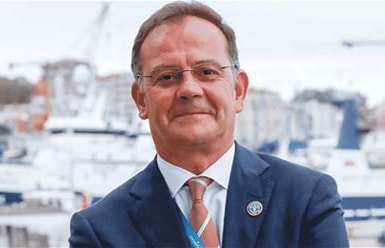 Manuel Barange- Assistant Director General, FAO
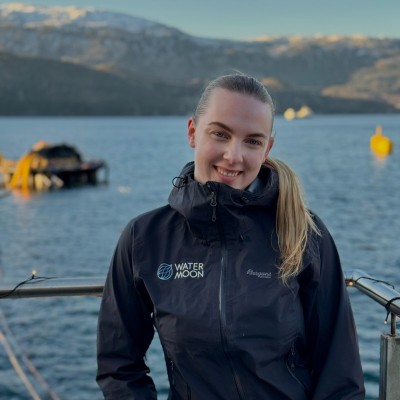 Kristine Dahlgren, Project and Learning Coordinator, Eide Fjordbruk/Watermoon
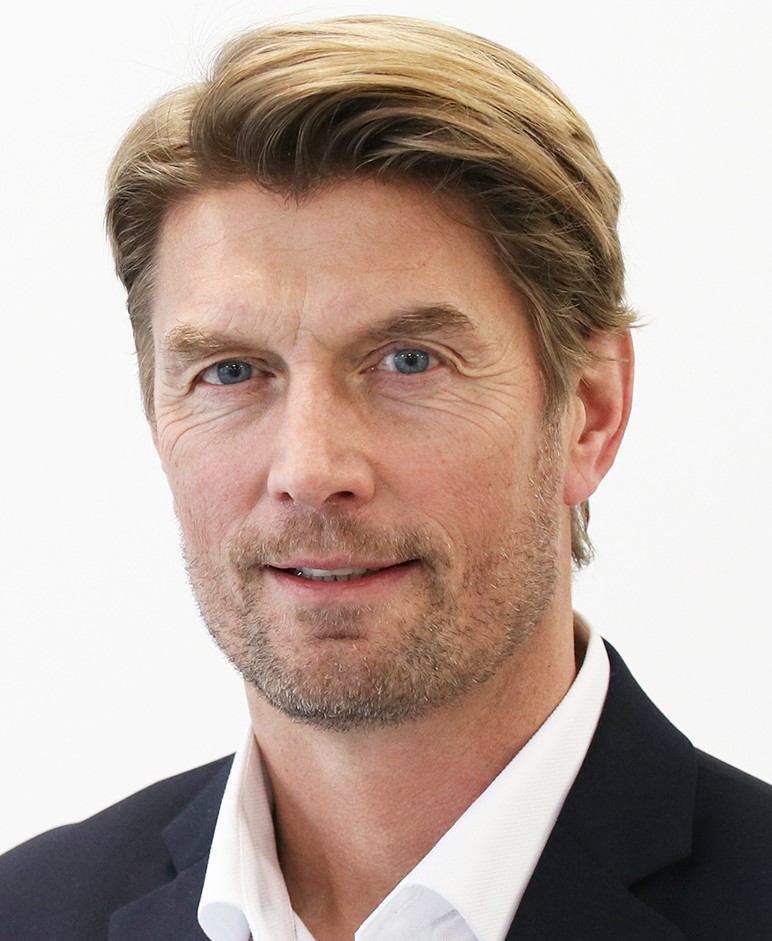 Hans Kleivdal- Head of Business Development, Climate & Environment, NORCE
 Vivi Fleming- Senior Research Scientist, Finnish Environment Institute (Syke)
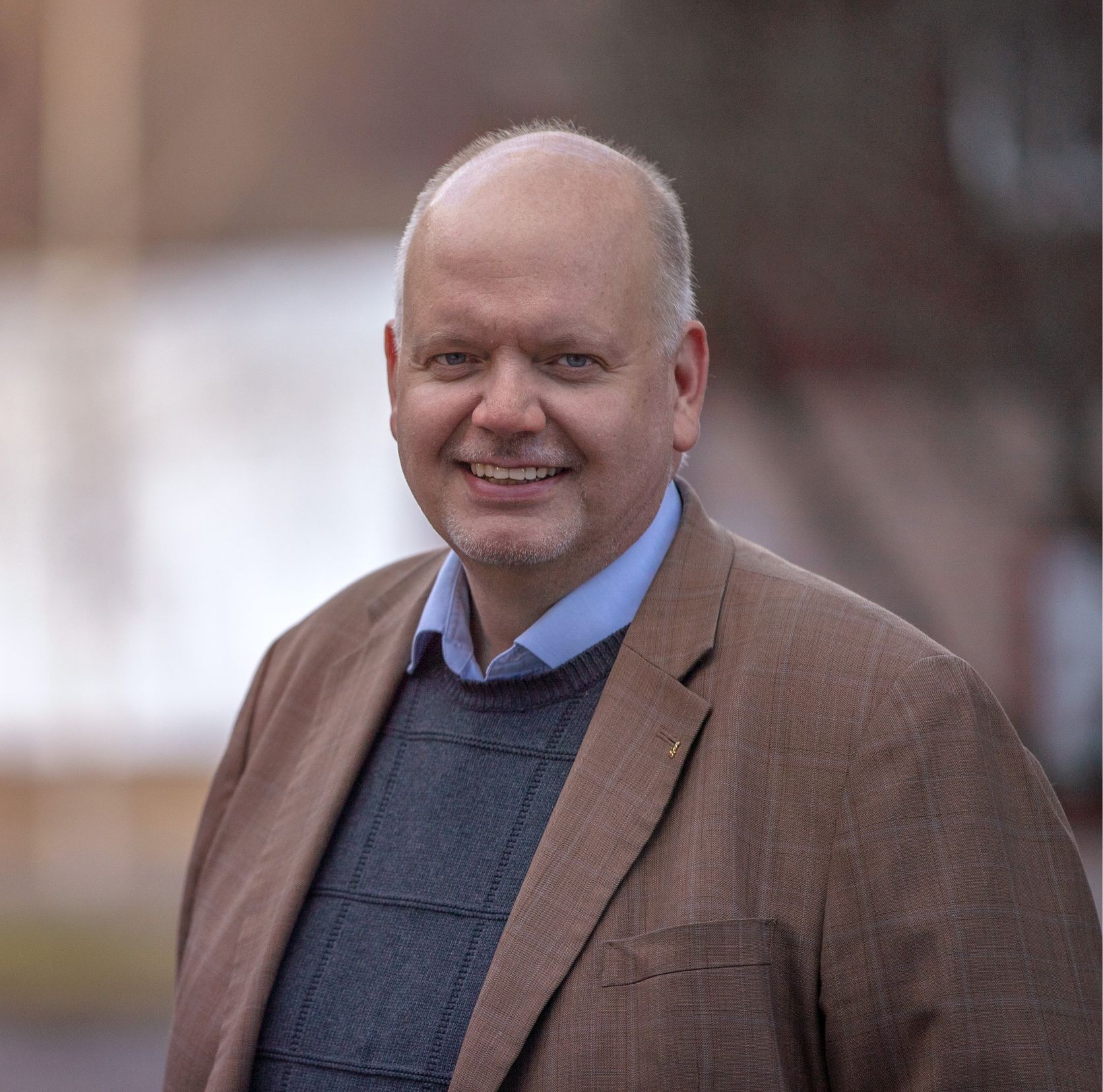 Par Larshans- Chief Sustainability Officer, RagnSells