
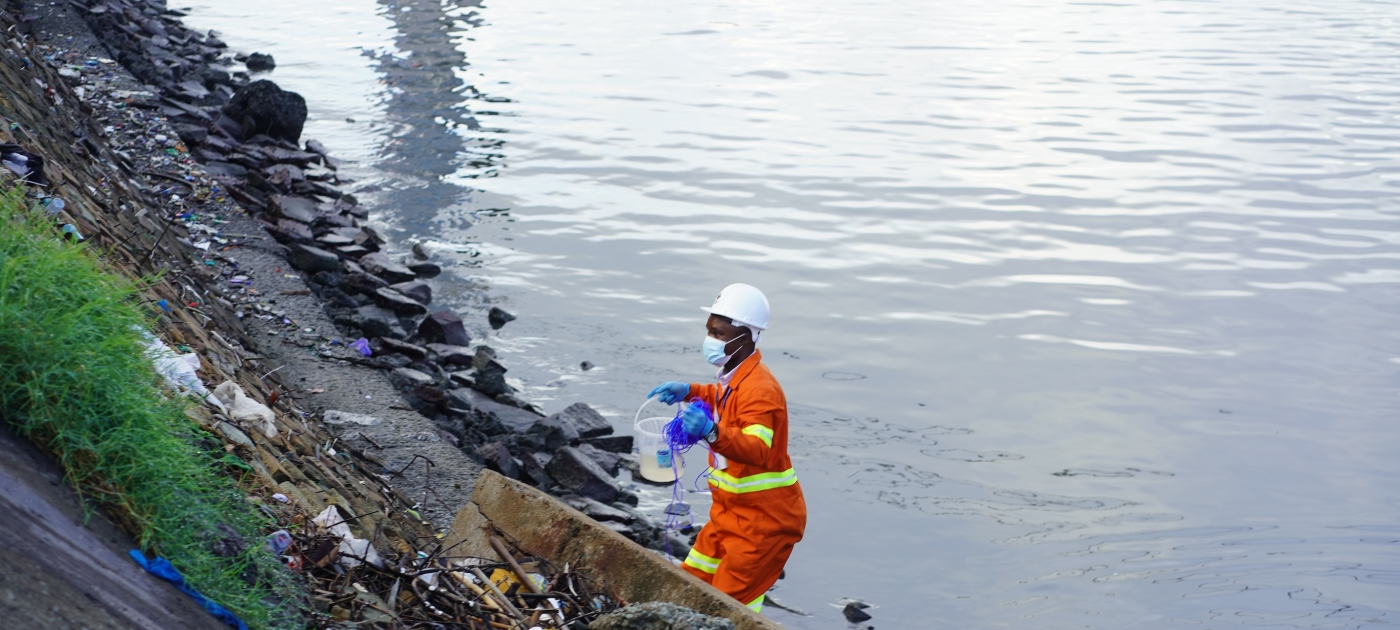
How can wastewater and environmental surveillance (WES) deliver meaningful public health insights in communities with very different sanitation systems?
Join us for an engaging webinar exploring how WES can be effectively implemented across both sewered and non-sewered settings. The session will examine how sampling location design shape the quality, representativeness, and interpretation of surveillance data, and why adapting approaches to local infrastructure is essential for generating actionable public health intelligence.
- Date: 16 July 2026
- Location: Online - Register here
- Time: 15:00 - 16:30 GMT+3 (Nairobi time)
Drawing on practical experiences from across Africa, speakers will share lessons from WES conducted through wastewater treatment plants, as well as innovative strategies designed for communities without conventional sewer networks. Through real-world case studies and field experiences, participants will gain valuable insights into the opportunities and challenges of conducting surveillance in diverse sanitation contexts. Whether working in public health, laboratory science, environmental monitoring, or policy, attendees will discover how smarter sampling strategies can strengthen early warning systems, improve outbreak preparedness, and support more effective public health decision-making.
Join the conversation and learn how surveillance can be adapted to local realities to protect communities and strengthen health security across the region.
The webinar is the fifth one of a broader capacity-building series led by UNEP and partners, designed to share practical experiences, foster cross-sector learning, and identify actionable pathways toward a unified, resilient framework for wastewater and environmental surveillance on the continent.