Objectives
The study tour is designed to give participating African cities hands-on exposure to public transport electrification in practice, with a focus on both bus and paratransit transitions. Key objectives include:
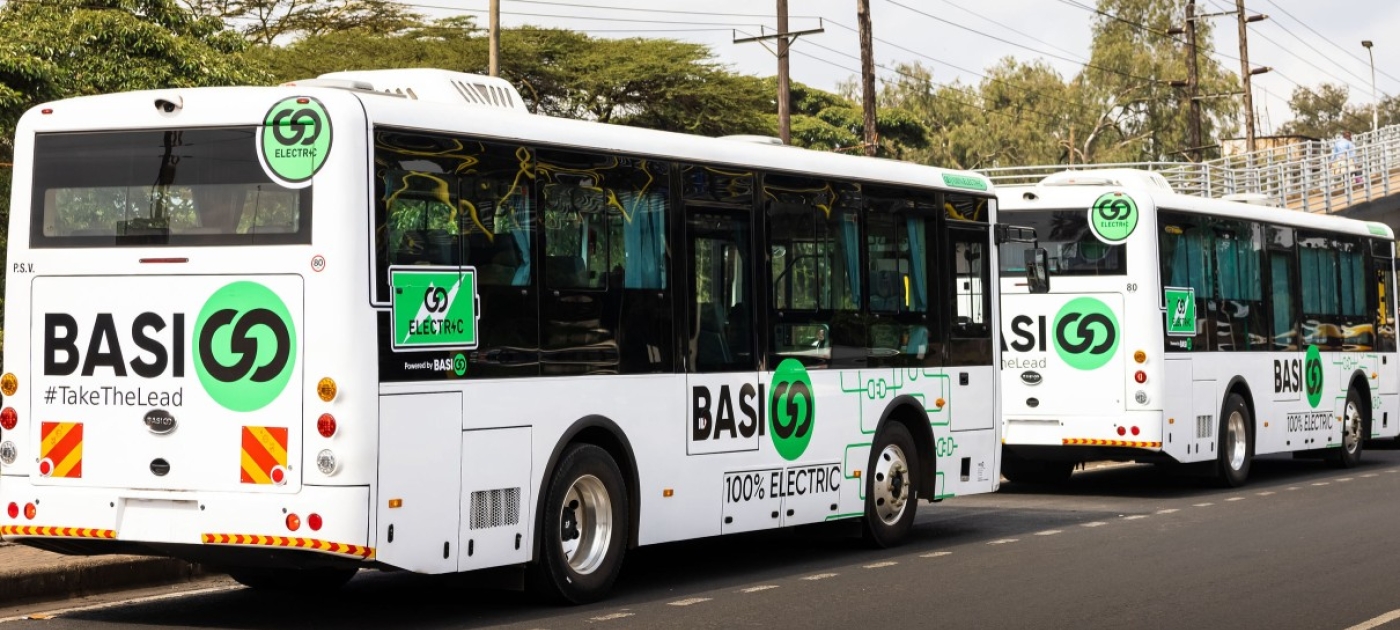
- Understand scalable deployment models by learning from operators integrating electric buses and electric matatus into fleets.
- Explore city-level strategy and procurement approaches with Nairobi City County, including planning for electric minibuses.
- Assess charging and grid readiness, including planning, implementation, operational adjustments, and investment needs for large-scale electrification.
- Strengthen gender-responsive and inclusive transition planning, including strategies that support women and marginalised groups in the sector.
- Examine renewable energy integration opportunities for charging to boost climate and air-quality benefits.
- Review innovative procurement and financing models (e.g., PPPs, concessions, leasing, subsidies, separation models).
- Share contracting and operational lessons between Kenyan operators and participating cities’ operator delegations.
- Advance a just transition lens, including discussion and feedback linked to labour impact assessment work.
_________________________________________________________________________
Who attends
The tour convenes approximately 40 representatives drawn from participating African cities and partner organisations, including:
- Public transport authorities’ officials
- Bus and taxi/minibus (paratransit) operators
_________________________________________________________________________
What to expect
Participants will engage in a blend of expert lectures, interactive learning, and networking, anchored by field visits with Nairobi-based operators and charge point stakeholders. Sessions feature engagement with institutions including Nairobi City County, NaMATA, Kenya Power/KenGen, and technical partners such as GIZ, WRI Africa, AfEMA, and others.
Agenda highlights
Monday, 23 February (Travel / Arrival)
- Arrival in Nairobi and evening coordination dinner (study tour plan briefing)
Tuesday, 24 February (City exchange + governance context)
- Setting the scene: global perspectives on popular transport
- Nairobi City County and NaMATA briefings
- Peer city presentations and facilitated discussion
- Closed-door bilateral exchanges with key partners
Wednesday, 25 February (Site visits: operations + charging)
- Site visit to an electric bus operator (including procurement model, operations, monitoring and maintenance)
- Charging infrastructure demonstration
- Depot tour and service-centre walk-through with an e-mobility manufacturer/operator
Thursday, 26 February (Deep dives + full-day workshop)
- UNEP sustainable mobility session
- Renewable energy and grid session (Kenya Power/KenGen)
- Gender mainstreaming session (UNEP)
- Labour impact assessment workshop and feedback activities
Friday, 27 February (Departure)
Related initiatives
The tour connects with and builds momentum across complementary efforts supporting zero-emission public transport, including the TUMI E-Bus Mission, the UNEP Global Electric Mobility Programme (including work on electric buses in Africa), and the ZEBRA Partnership, among others.
_________________________________________________________________________