Background
Transport accounts for roughly one-quarter of global energy-related carbon emissions, with urban delivery and public transport playing significant roles in local air quality. Cities across Latin America and the Caribbean are increasingly turning to electric mobility as a practical pathway to cleaner air, reduced greenhouse gas emissions, and improved public health.
Countries are accelerating the shift to zero-emission vehicles through comprehensive electrification programs. Governments are strengthening regulatory frameworks, establishing dedicated electric mobility institutions, and launching demonstration projects that prove the viability of electric fleets.
Progress extends beyond vehicles themselves—nations are partnering with the private sector to unlock financing, adapt business models for electric operations, and build essential charging infrastructure. This momentum includes developing robust standards for battery management and end-of-life disposal, ensuring the transition is both sustainable and scalable.
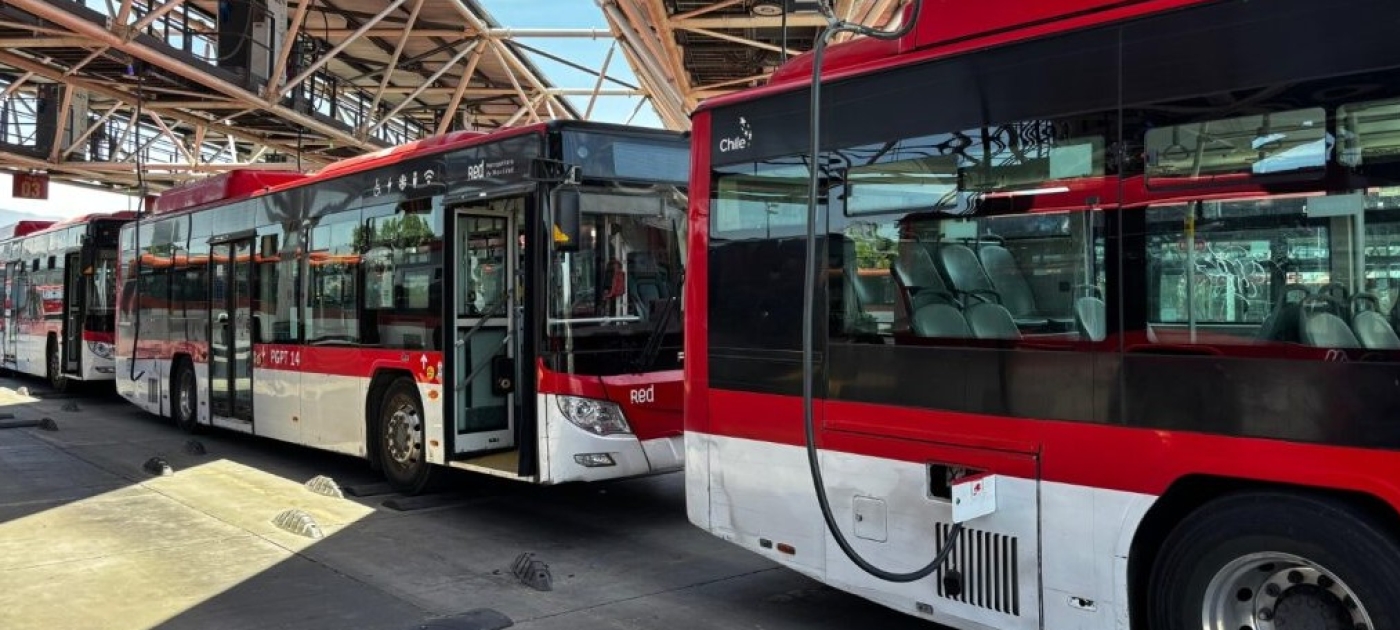
Chile has positioned itself as a regional testbed for electric mobility solutions, operating the largest electric bus fleet in Latin America and implementing comprehensive training programs for drivers and maintenance technicians. The country's experience offers practical lessons for other nations beginning or accelerating their own transitions.
______________________________________________________
Event details
- Where: Santiago, Chile (Regional Platform meetings) and Espacio Riesco Convention Center (Experiencia E)
- Format: In-person with technical sessions, field visits, and exhibition access
- Participants: Government officials, transport authorities, energy regulators, technical specialists, and electric mobility practitioners. The Forum will receive 40 representatives of electric mobility projects from Chile, Ecuador, Peru, Guatemala, El Salvador, Honduras, the United Kingdom, Brazil, the United States, Belize, Colombia, Jamaica, Grenada, St., Lucia, and Antigua and Barbuda.
- Hosts: United Nations Environment Programme (Sustainable Mobility Unit); Centro de Movilidad Sostenible (CMS)
______________________________________________________
Program highlights
The four-day forum combines structured knowledge exchange with practical, hands-on learning:
- Tuesday 4 November – Regional Platform Exchange
Morning sessions focus on national project progress and regional coordination. Participants share updates on ongoing electrification initiatives, exchange lessons learned and discuss follow-up actions on Caribbean commitments. Afternoon sessions examine supply-side regulations for electromobility equipment and financing mechanisms for technical assistance and fleet investment.
Participants cap off the day at EMASA training workshops, witnessing the practical preparation of electric mobility technicians and drivers through programmes jointly developed by EMASA and the Sustainable Energy Agency.
- Wednesday 5 November – Governance and Scaling Strategies
The second day explores Chile's governance framework for electromobility, including the national agreement and acceleration programme implemented by AgenciaSE. Sessions examine proven business models for scaling electric taxis and buses, drawing on Chile's experience with both vehicle categories. Participants discuss charging infrastructure regulation and interoperability standards before visiting electric public transport bus depots to see fleet operations firsthand.
- Thursday 6 November & Friday 7 November – Experiencia E
Participants engage with Experiencia E, the region's premier electromobility exhibition. The event features over 100 exhibitors showcasing electric vehicles, charging infrastructure, battery technology, and financing solutions. Interactive test-drive zones allow participants to experience the latest-generation electric buses, motorcycles, and delivery vehicles. Technical seminars cover charging infrastructure deployment, energy storage, green finance mechanisms, and grid integration strategies.
Key themes
Throughout the forum, sessions address critical enablers for electric mobility deployment:
Policy and regulation: Participants examine supply-side regulations, charging infrastructure standards, and environmental sustainability requirements for batteries and critical minerals. Sessions draw on regional experience with regulations that balance technology access, safety standards, and environmental protection.
Finance and business models: Discussions explore financing options for technical assistance, fleet investment, and infrastructure deployment. Sessions highlight successful business models from taxi and bus electrification projects, including public-private partnerships, leasing arrangements, and pay-as-you-drive schemes that reduce upfront costs for operators.
Technology and supply: The forum addresses vehicle availability, charging equipment standards, and battery lifecycle management. Participants connect with technology providers and original equipment manufacturers exhibiting at Experiencia E, creating opportunities for direct engagement with solution providers.
Capacity and training: Field visits showcase Chile's comprehensive training programmes for electric vehicle maintenance technicians and drivers. These hands-on sessions demonstrate practical approaches to workforce development that can be adapted across different national contexts.
______________________________________________________
Expected outcomes
The LAC E-Mobility Forum aims to strengthen regional cooperation and accelerate implementation through:
- Enhanced peer-to-peer learning networks among national authorities and practitioners
- Identification of common regulatory and technical challenges amenable to regional solutions
- Strengthened relationships between governments and technology providers active in the region
- Practical insights from Chile's electric mobility deployment that can inform national strategies
- Renewed momentum for national commitments and regional coordination on electric transport
The forum builds from ongoing regional collaboration through the LAC E-Mobility Platform while creating space for informal exchange and relationship-building that supports long-term cooperation.
______________________________________________________
Chile's electric mobility leadership
Chile offers participants a compelling case study in rapid electric transport deployment. Santiago operates Latin America's largest electric bus fleet, with thousands of zero-emission vehicles serving daily passenger routes. The country has established comprehensive driver training programmes, developed national charging infrastructure standards, and implemented financing mechanisms that reduce barriers for transport operators.
This practical experience, combined with access to Experiencia E's concentrated showcase of mobility solutions, provides participants with concrete examples of how policy, finance, technology, and capacity-building work together to enable successful transitions.
Enquiries: luis.felipe@un.org
______________________________________________________