
Date: Tuesday, 7 April 2026
Time: 09:00 - 16:30 UTC+8
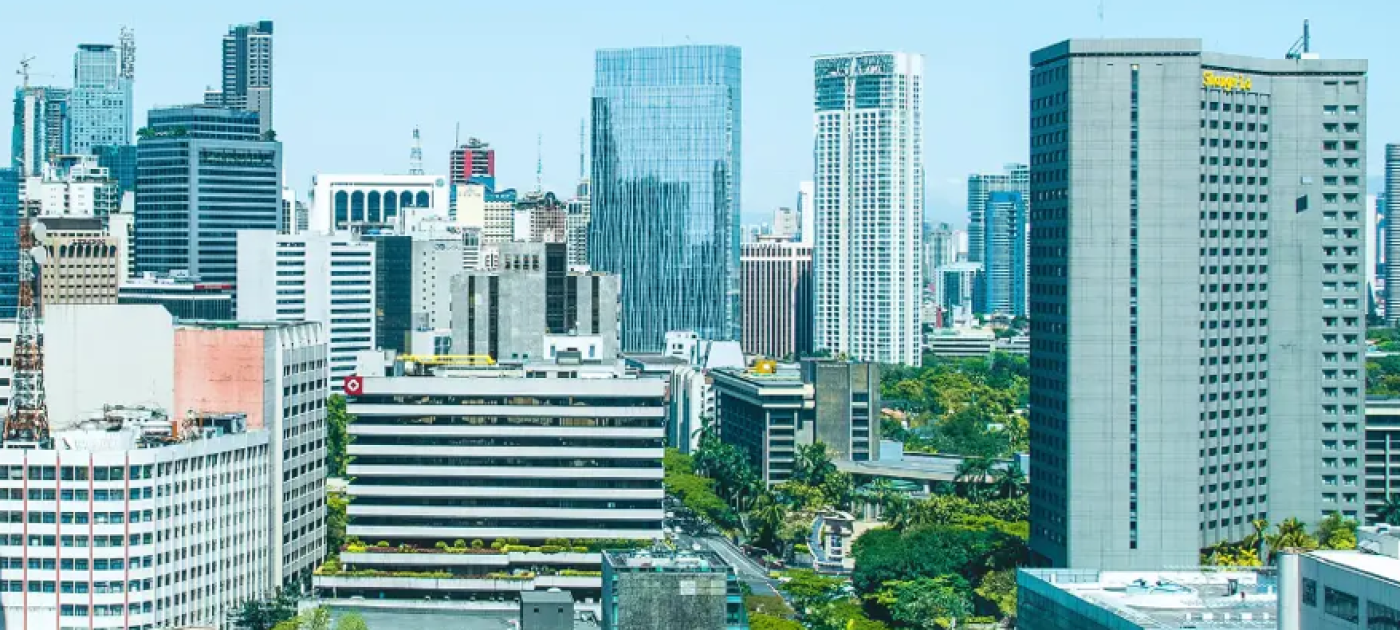
Location: Manila Ascott Makati Hotel
Description:
Extreme heat has emerged as one of the defining challenges facing Southeast Asia. Rapid urbanisation, climate change, and rising energy demand are converging to create unprecedented heat stress across the region. The ASEAN urban population is projected to surge from 348 million in 2022 to 521 million by 2050, and ASEAN cities could experience up to 120 days per year with temperatures above 35°C by mid-century. The urban heat island effect compounds these risks in dense urban centres in ASEAN Member States (AMS), where heat-absorbing materials, diminishing green spaces, and poor ventilation trap heat and create dangerous indoor environments. The consequences are deeply unequal: women, children, the elderly, and low-income communities face disproportionate exposure, often enduring extreme indoor temperatures in poorly ventilated homes or working in heat-exposed occupations. At the same time, soaring demand for mechanical air conditioning is driving electricity consumption, greenhouse gas emissions, and peak grid loads higher, creating a self-reinforcing cycle that further accelerates the warming crisis.
Passive cooling strategies, encompassing natural ventilation, shading, reflective surfaces, thermal mass, and climate-responsive building design, offer a transformative and cost-effective alternative to energy-intensive mechanical cooling. These approaches can deliver indoor temperature reductions of 2–4°C under typical conditions and up to 8°C in optimised designs, with energy savings of 20–50% depending on the measures applied. At regional scale, passive cooling and nature-based solutions could curb cooling capacity demand growth by 24% by 2050, potentially saving up to USD 3 trillion in avoided cooling equipment costs and reducing emissions by 1.3 billion tonnes of CO₂e. Critically, passive cooling is accessible and affordable, providing inclusive thermal comfort for the 1.2 billion people globally who currently lack access to adequate cooling.
Against this backdrop, the ASEAN Centre for Energy (ACE) and the United Nations Environment Programme (UNEP) Cool Coalition, in collaboration with the United Nations Economic and Social Commission for Asia and the Pacific (UN ESCAP), the Global Alliance for Buildings and Construction (GlobalABC), and UN Women’s EmPower II Programme, have developed the Roadmap for Passive Cooling in the ASEAN Region: An Inclusive Heat Resilience Approach. This roadmap provides a strategic regional framework to mainstream passive cooling across policy, regulatory, and investment landscapes, aligned with APAEC 2026–2030, Nationally Determined Contributions, the Paris Agreement, and the Global Cooling Pledge.
Developed through a multi-stage methodology combining desk research, stakeholder surveys, national consultations, and a regional review process involving ASEAN Member States through the ASEAN Passive Cooling Advisory Group, the roadmap translates the region’s heat resilience challenges into actionable policy directions, financing mechanisms, and capacity-building pathways adaptable at the national level. It promotes a “Passive First” design philosophy, prioritising building orientation, envelope performance, shading, and ventilation to minimise cooling demand before specifying mechanical systems.
This Regional Launching Workshop marks the official release of the finalised roadmap, bringing together governments, regional bodies, development partners, building professionals, and civil society to disseminate findings, identify national champions and implementation partners, and mobilise multi-stakeholder commitments towards inclusive and scalable passive cooling across the ASEAN region.
Objectives:
- Disseminate key findings of the ASEAN Passive Cooling Strategies Roadmap, including technology options, policy and regulatory considerations, financing mechanisms, and capacity-building needs.
- Facilitate structured dialogue on accelerating the integration of passive cooling into national and sub-national policy and planning frameworks across ASEAN.
- Mobilise multi-stakeholder commitments to advance the operationalisation of the roadmap, including the identification of national champions, implementation partners, and priority actions for each ASEAN Member State.
Contact:
ASEAN Centre for Energy
Zahra Aninda Pradiva
+62 896 3681 2131