
• Overview
  • Documents

Event details:

📅Date: 8–9 July 2026 

📍Venue: Conference Room 9, UNEP Headquarters, Gigiri, Nairobi 

🤝Organized by: UNEP, in partnership with the Environmental Compliance Institute (ECI) 

👥Audience: Policymakers, technical experts, industry representatives, researchers and civil society from EAC member states, Liberia and Morocco  

______________________________________

Background

Across East Africa, air pollution has become the region's second-leading risk factor for death, linked to an estimated 294,000 fatalities in 2021 alone.  Road transport is a major contributor to that burden: globally, vehicle emissions were linked to nearly 700,000 premature deaths and 250,000 new childhood asthma cases in 2024 — equivalent to one death every 45 seconds.

Experts warn that without faster action, low- and middle-income countries stand to bear a growing share of this toll even as wealthier nations clean up their fleets.

The challenge is acute in cities like Kampala, Uganda, where the population nearly doubles each day as commuters pour in, and pollution levels can run at least eight times above healthy limits. 

It was here that the TRUE Initiative conducted the first real-world, remote-sensing study of vehicle emissions on the African continent — giving policymakers a clearer, evidence-based picture of where urban air pollution comes from, and the tools to act on it.
Overview

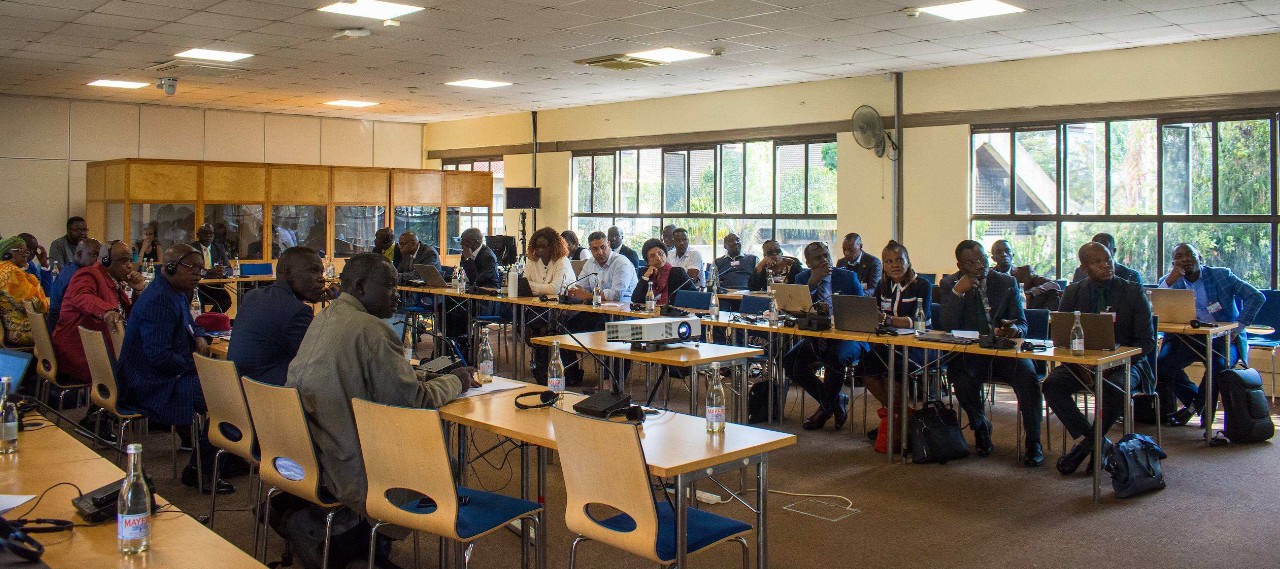
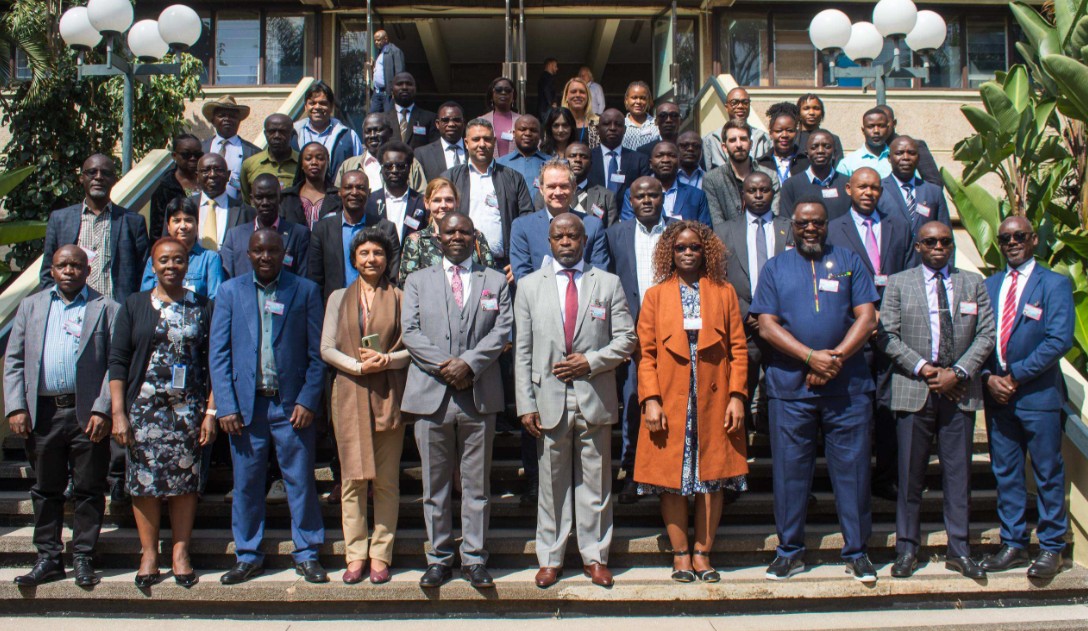
The United Nations Environment Programme (UNEP), in partnership with the Environmental Compliance Institute (ECI), is convening a regional workshop in Nairobi to accelerate progress on cleaner fuels and vehicle emission standards across East Africa.  

The two-day event brings together government representatives, technical experts, development partners, and regional organizations to strengthen implementation of the East African Community's (EAC) harmonized fuel and vehicle emission standards and to share evidence and lessons across the region.

Why it matters

East Africa's rapidly expanding, largely used vehicle fleet, combined with fast-paced urbanization, has driven air pollution to levels that are affecting public health and economic productivity. 

The EAC has already taken a significant regulatory step, adopting fuel standards (EAS 158:2025 and EAS 177:2025) and a vehicle exhaust emission standard (EAS 1047:2022) that mandate Euro 4/IV-equivalent limits across the bloc. 

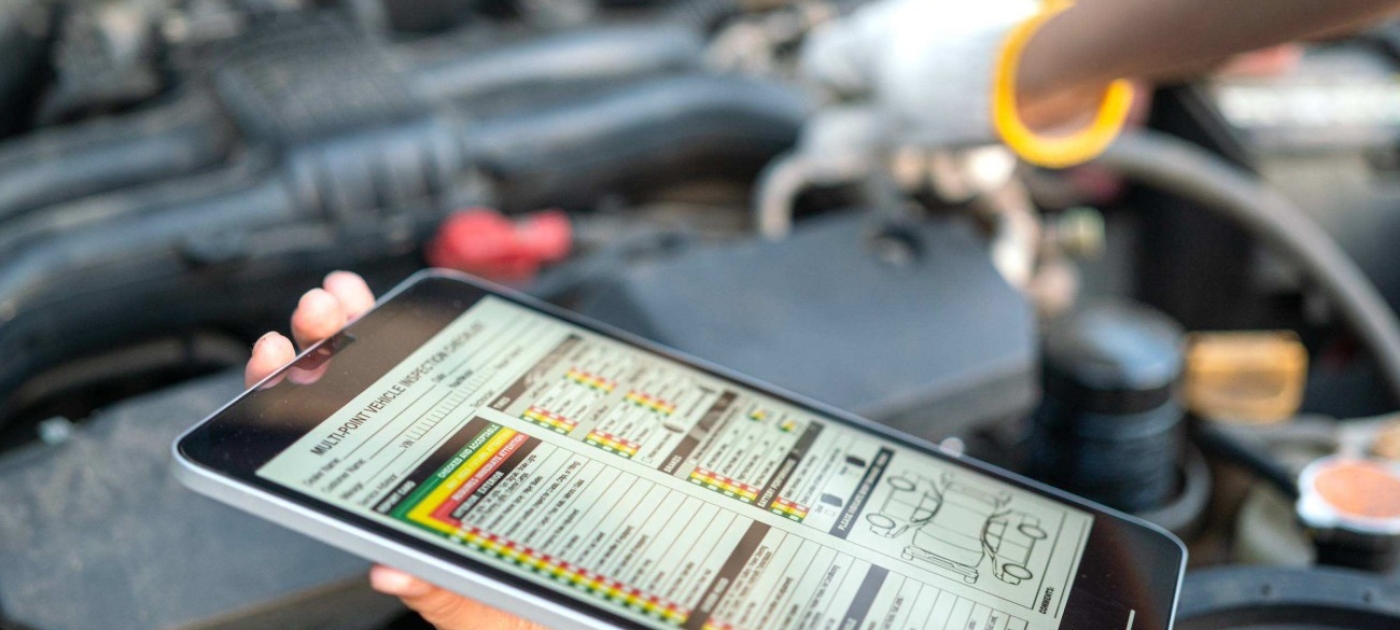
Turning these regional standards into enforceable national practice, especially for vehicle fleets, however, remains a challenge — one shaped by uneven institutional capacity, legal delays, and the absence of comprehensive vehicle inspection and maintenance programmes in most countries

What the workshop will cover

  1. Regional guidance and a roadmap for Euro IV implementation — reviewing, refining and validating draft guidance to help EAC countries move from standards on paper to standards in practice.
  1. Support to the Democratic Republic of Congo and Liberia in developing and adopting national low-sulfur fuel and vehicle emission standards, drawing on lessons from EAC countries that are further along.
  1. Findings from the TRUE project (The Real Urban Emissions Initiative), which used plume-chasing technology to measure real-world vehicle emissions in Kampala, Uganda — the first study of its kind in Africa.
  1. South–South learning from Morocco, the first African country to adopt Euro 6 standards for light-duty vehicles, is now working with UNEP and the CCAC to extend Euro VI standards to heavy-duty vehicles.

Who's attending

Senior policymakers, technical experts, industry representatives, researchers, academics, and civil society representatives from EAC member states, Morocco and Liberia.

On this page

Participants can find the full concept note and agenda, presentations and other workshop materials before and after the event.