


News
Showing 301 - 325 of 375
375 results found
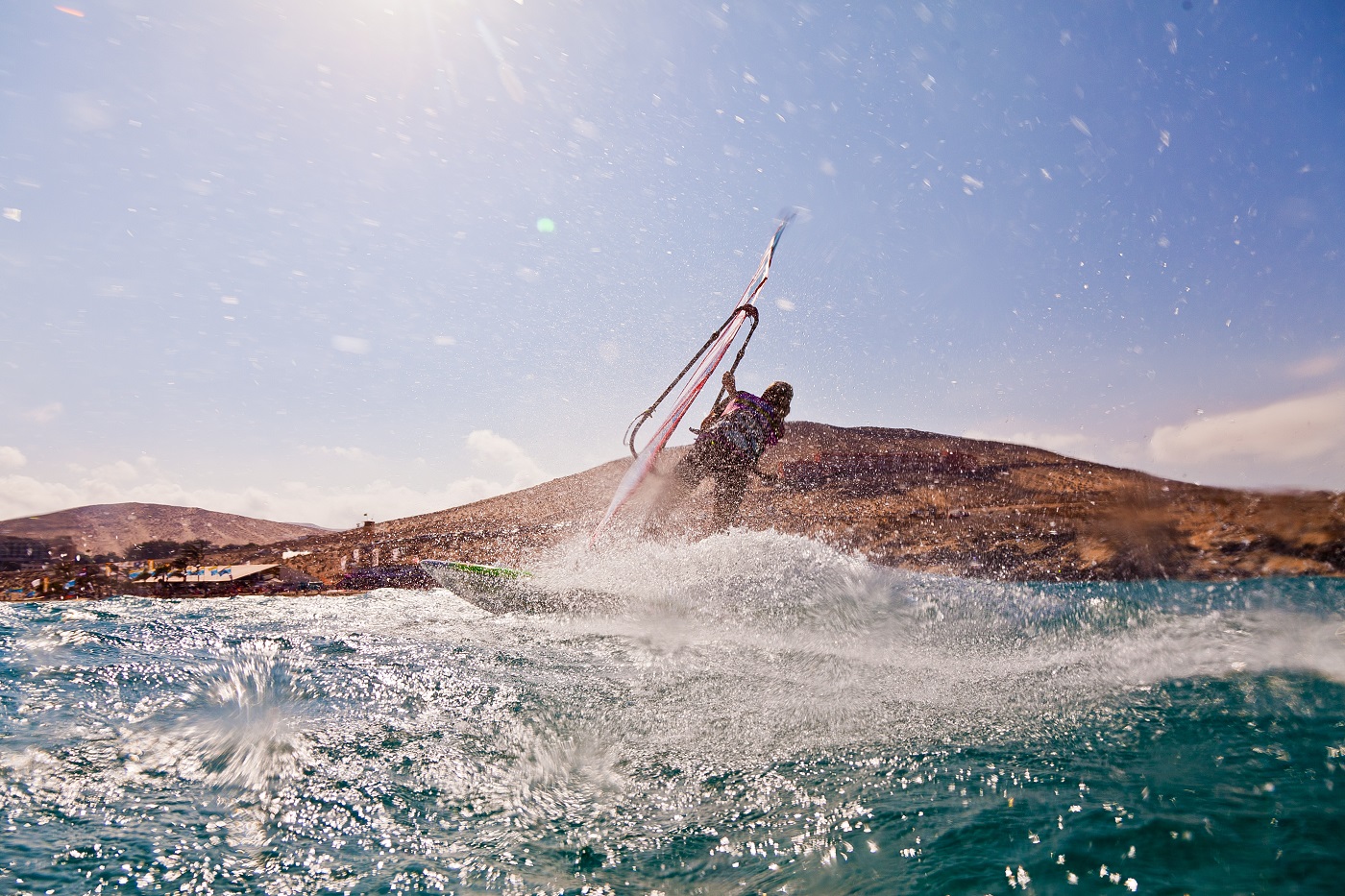
The tiny island of Sylt, a United Nations Scientific and Cultural Organization (UNESCO) world heritage site, has been hosting the world windsurfing championship since 1984 along its 40 km, low-lying coast that makes for ideal windsurfing conditio

Fund Also Advances Processes to Continue to Smoothly Serve Paris Agreement
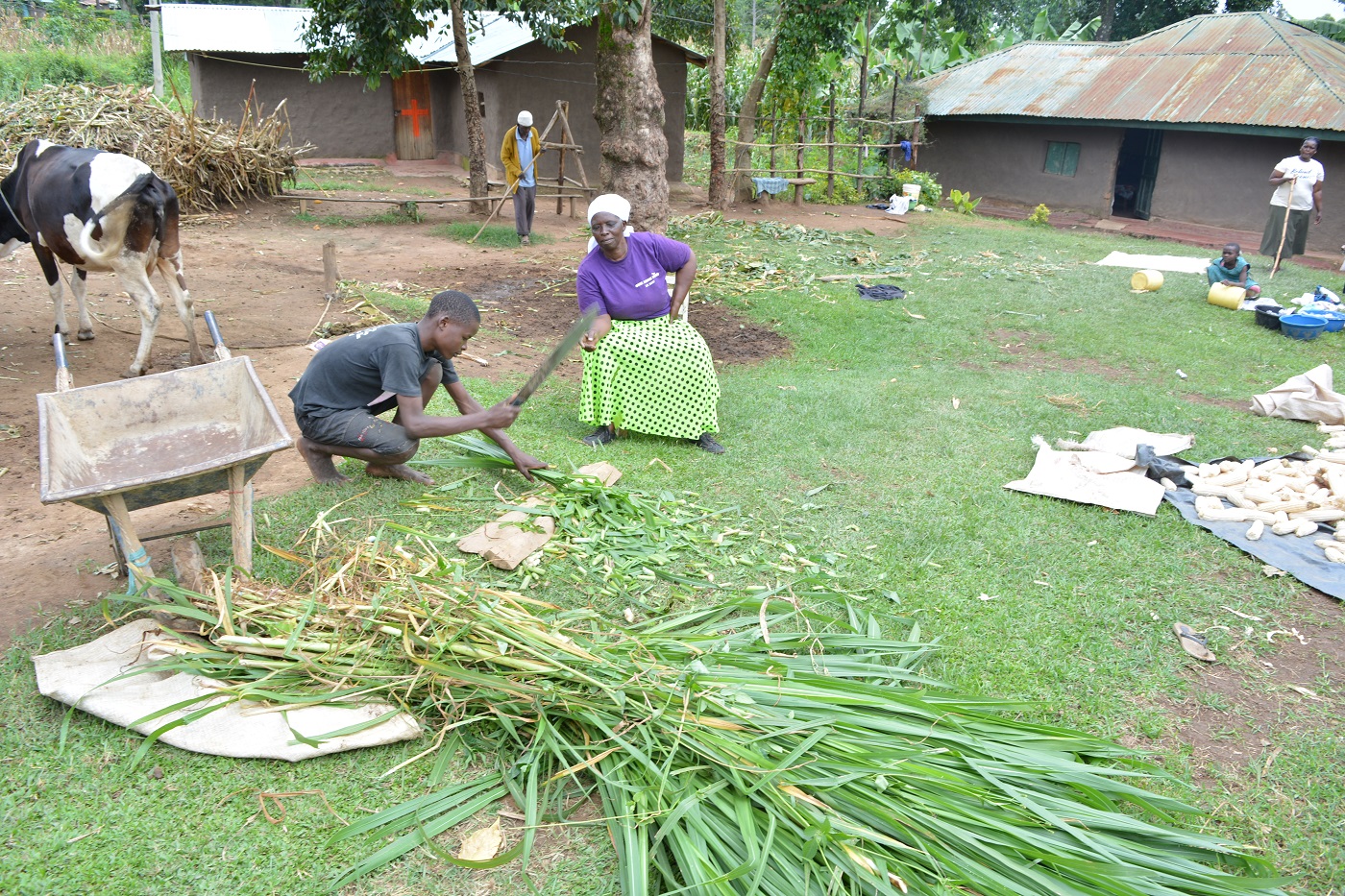
Many countries in sub-Saharan Africa have pockets of food insecurity. These can appear and develop for many reasons. And in some cases, simple nature-based solutions can make a significant difference to people’s lives.

In early 2019, The United Nations General Assembly declared 2021–2030 the UN Decade on Ecosystem Restoration.
Young people came out in force at September’s Global Landscape Forum in New York City.
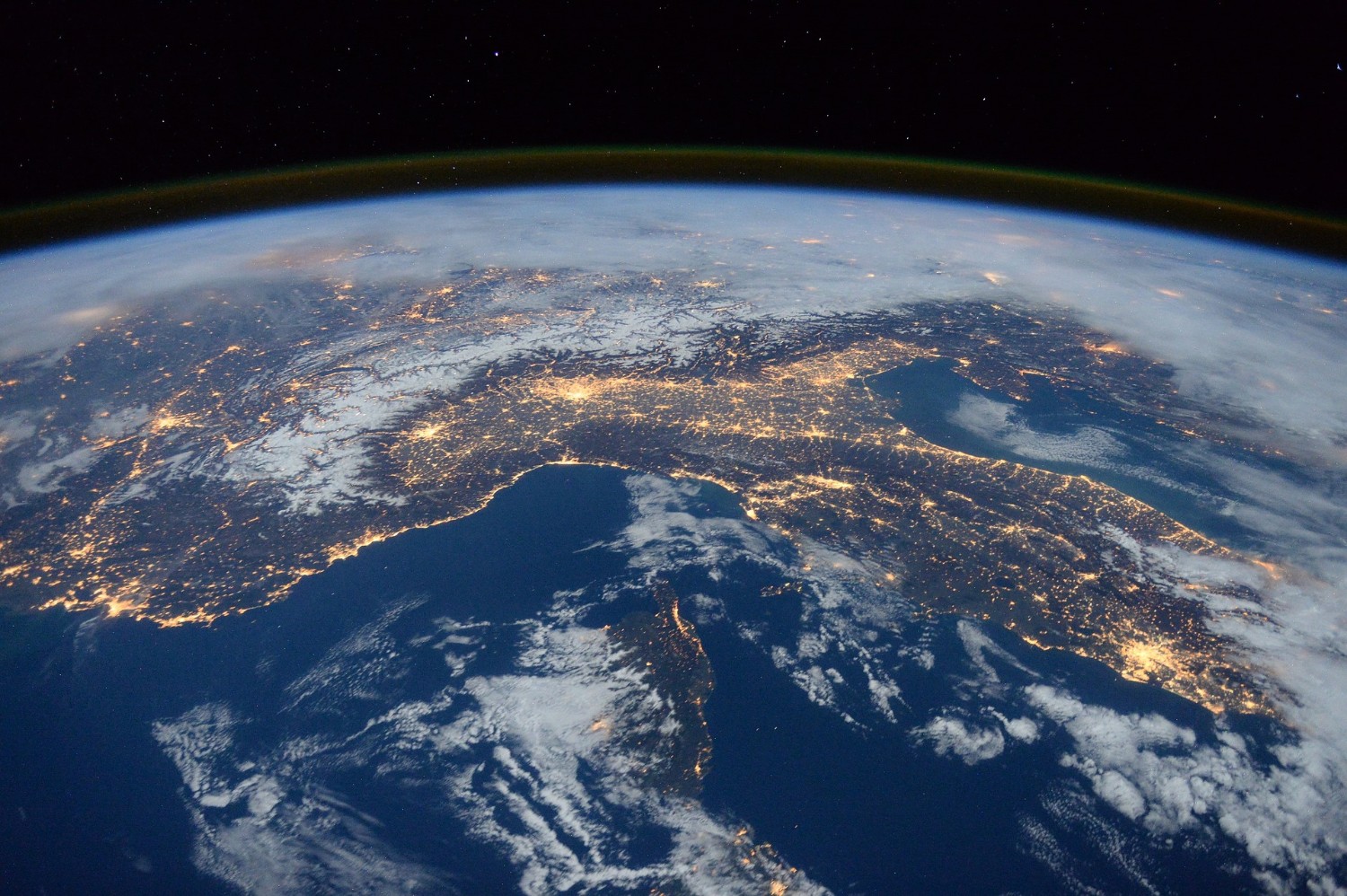
New York, 22 September 2019 - The world’s leading climate science organizations have joined forces to produce a landmark new report for the United Nations Climate Action Summit, underlining the glaring – and growing gaps – between agreed targets to tackle global warming and the actual reality.
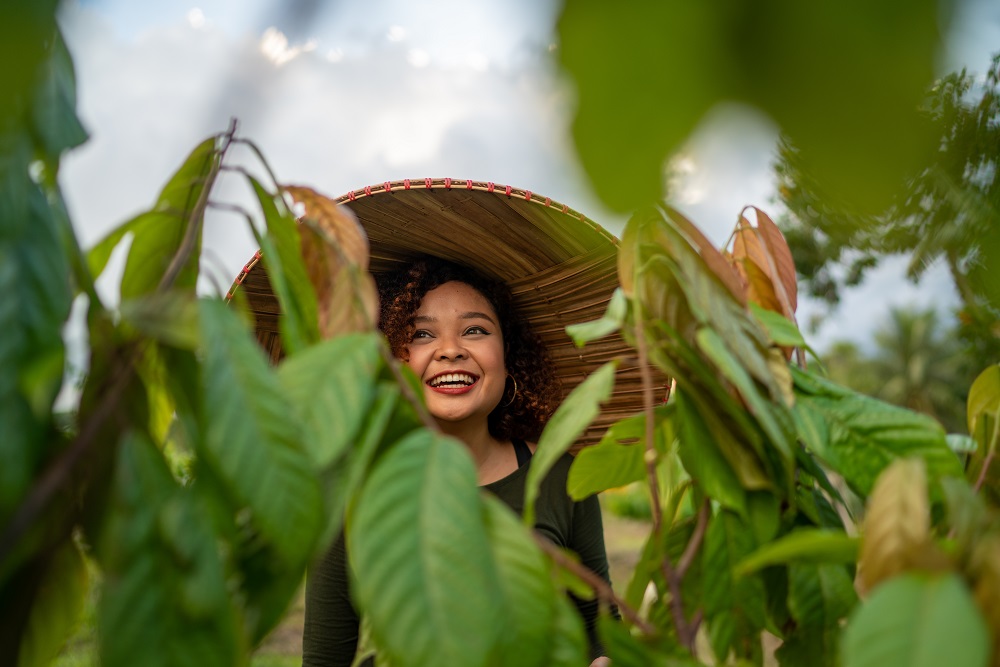
When twenty-year-old Louise Mabulo and her family geared up to celebrate Christmas Eve in 2016, little did they know of the devastation about to hit.
In the early hours, the Philippines was rocked by Typhoon Nock-ten, the strongest Christmas Day tropical cyclone worldwide. It left 11,000 people stranded without electricity or food supplies and killed 11 more.

-
The project "Developing Capacities to advance the National Adaptation Plan", supported by UN Environment Programme, has a contribution of USD $2,996,325 from the Green Climate Fund, over three years.
-
Given its condition as an island state highly vulnerable to extreme weather events, the Dominican Republic urgently needs to strengthen its current planning framework to address medium and long-term adaptation needs.

Champion of the Earth 2019 for Science and Innovation goes to Professor Katharine Hayhoe of Canada. Hayhoe is an atmospheric scientist and prominent climate researcher who believes that communication has a critical role to play in transforming attitudes about climate change.
For more information go to: https://www.unenvironment.org/championsofearth/
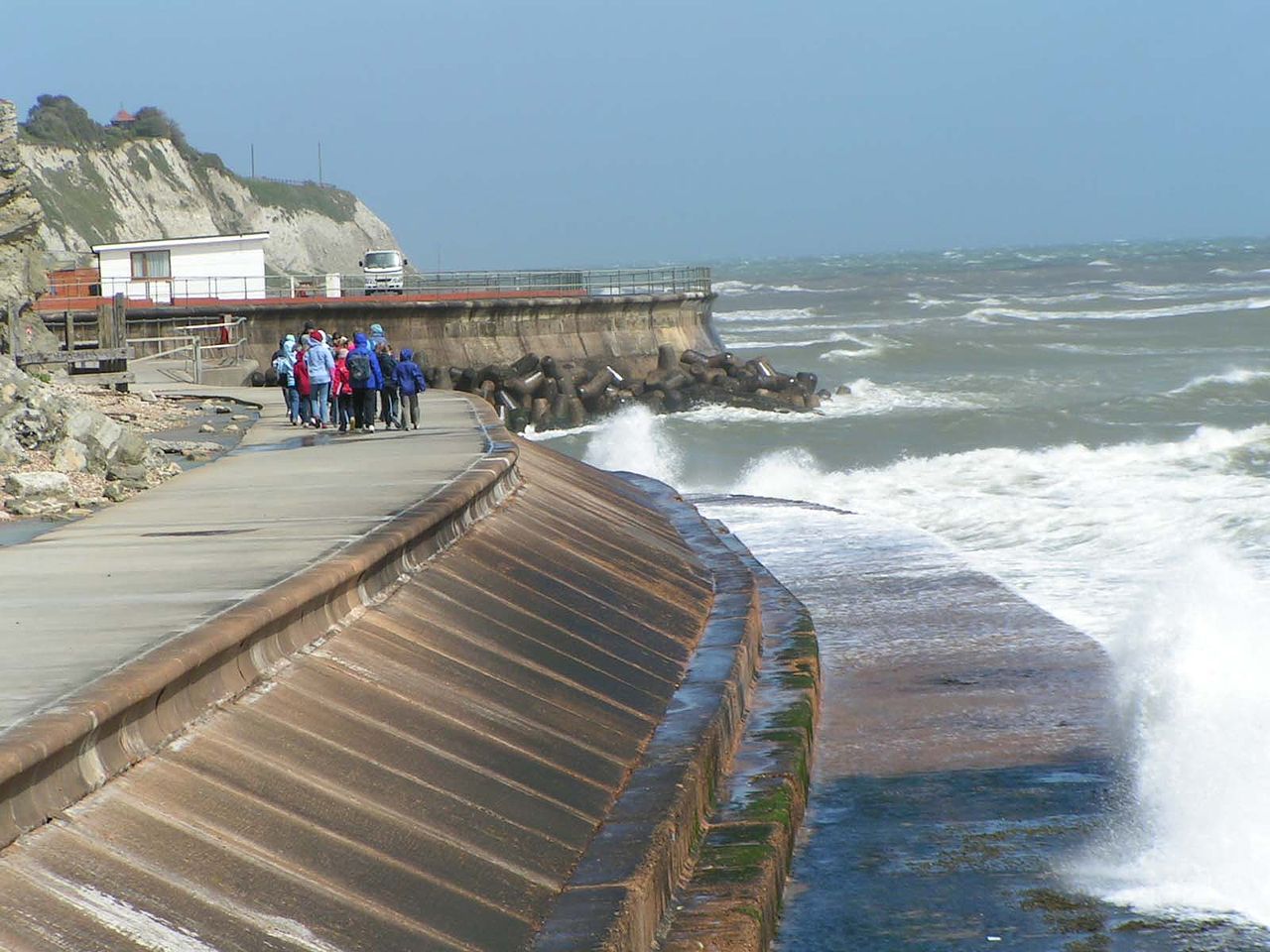
As hurricane season bears down on many people and communities this month, one of the key factors linked to increasing severity of a storm’s impacts—sea level rise—sees new predictions emerge for “worst-case scenarios”.
Mathematicians and scientists calculate likely and possible outcomes based on probabilities, with computers able to crunch ever larger volumes of data to come up with more accurate predictions.
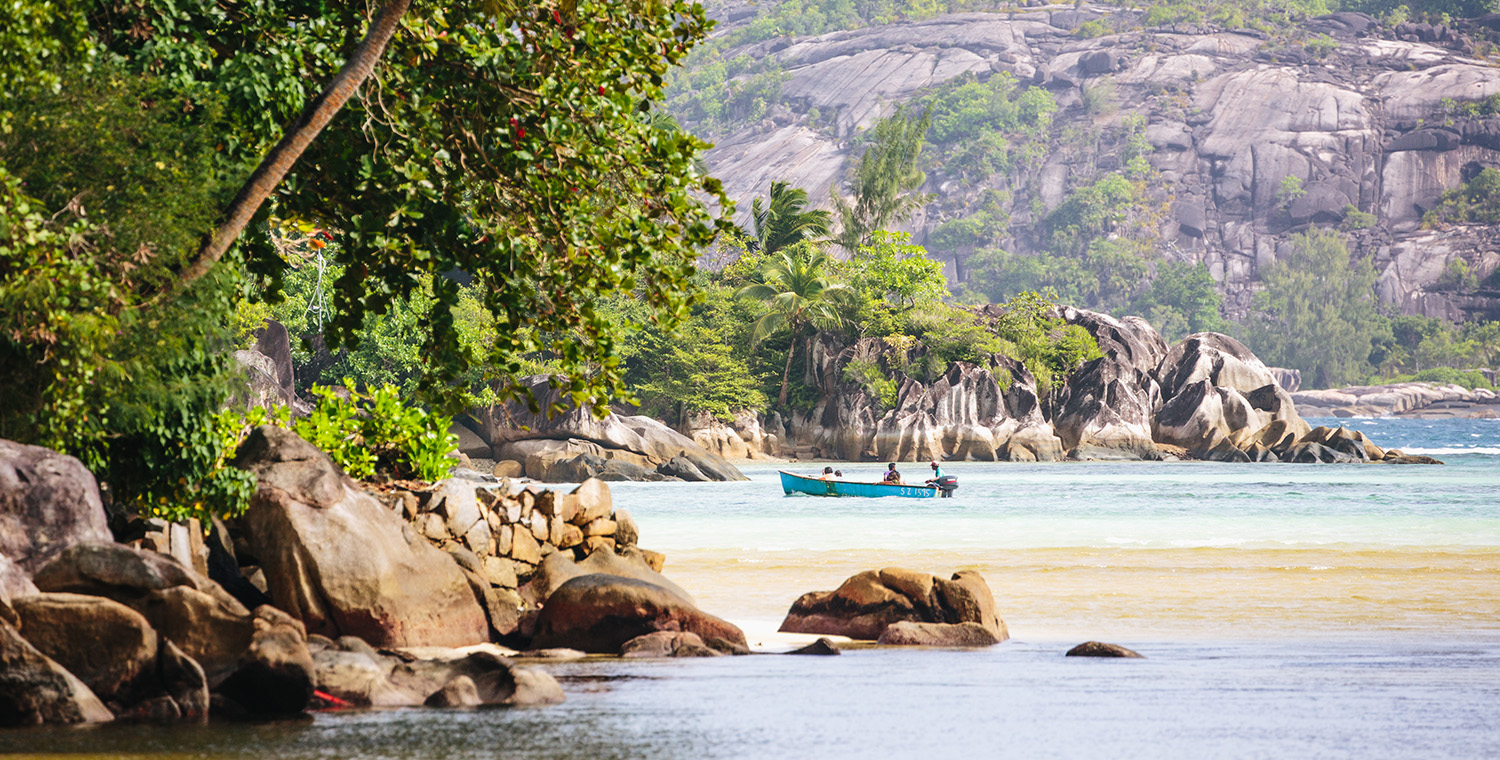
With the launch of a major report by the Global Commission on Adaptation on 10 September 2019, we follow the story of an environmental hero from the Seychelles and their quest to adapt by harnessing the power of trees. #AdaptOurWorld
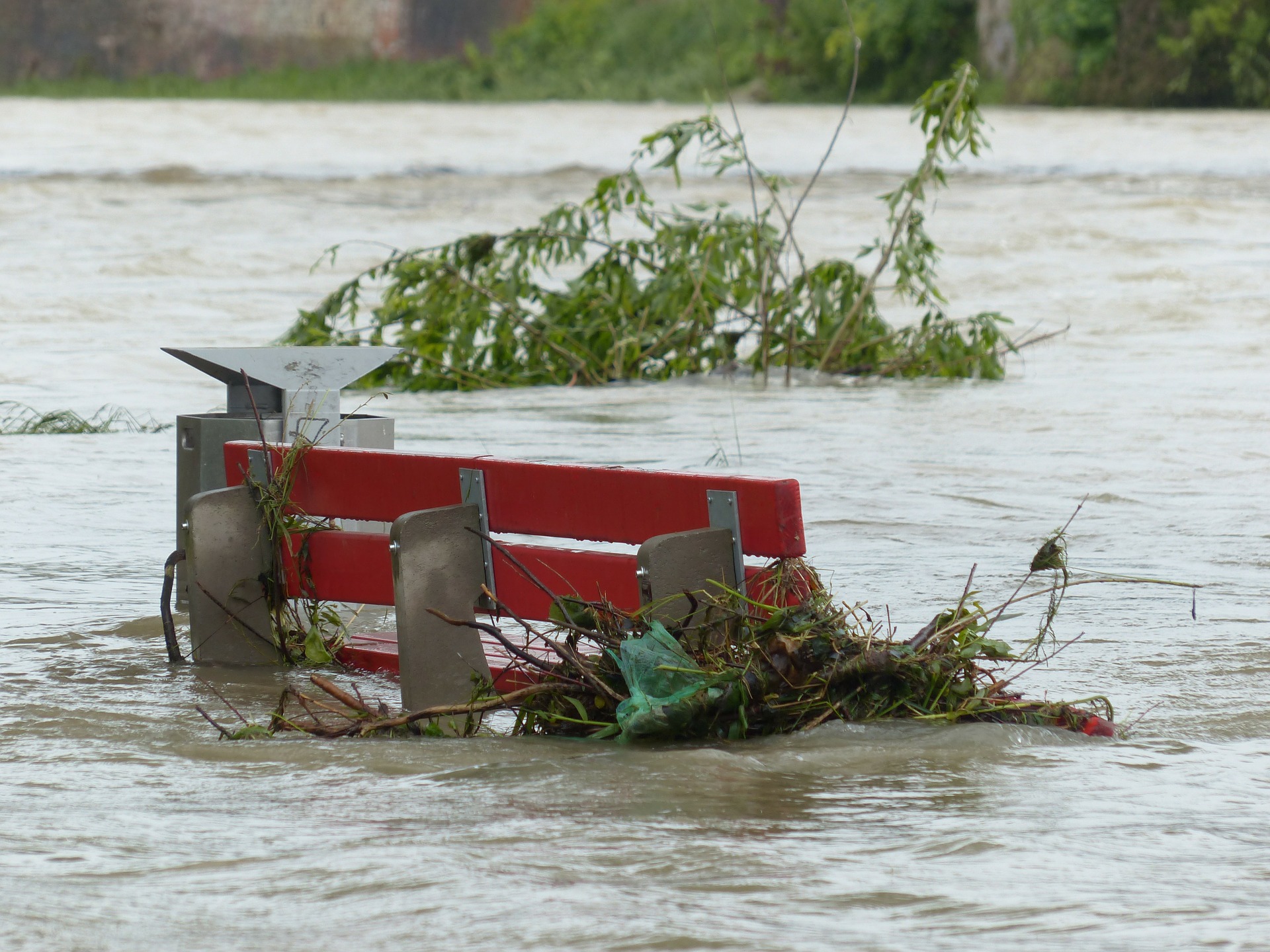
- Global Commission on Adaptation report finds that investing $1.8 trillion globally from 2020 to 2030 in five areas of climate adaptation could yield $7.1 trillion in net benefits.
- The Commission’s report highlights many economic, social and environmental benefits of adaptation
- Climate impacts – such as super-charged hurricanes, floods, and wildfires – are becoming an increasingly urgent reality

-
A national workshop developed a common understanding on how best to advance the NAP process, with a view to integrating adaptation into socioeconomic and environmental policies.
-
80+ national stakeholders took stock of the collective efforts of all seven provinces of Nepal on adaptation planning priorities.
-
Participants shared their views on specific adaptation measures and activities that should be reflected in Nepal's NAP.

The Investing in Water: Infrastructure + Technology report will be the first in a series of reports to address the global water crisis.
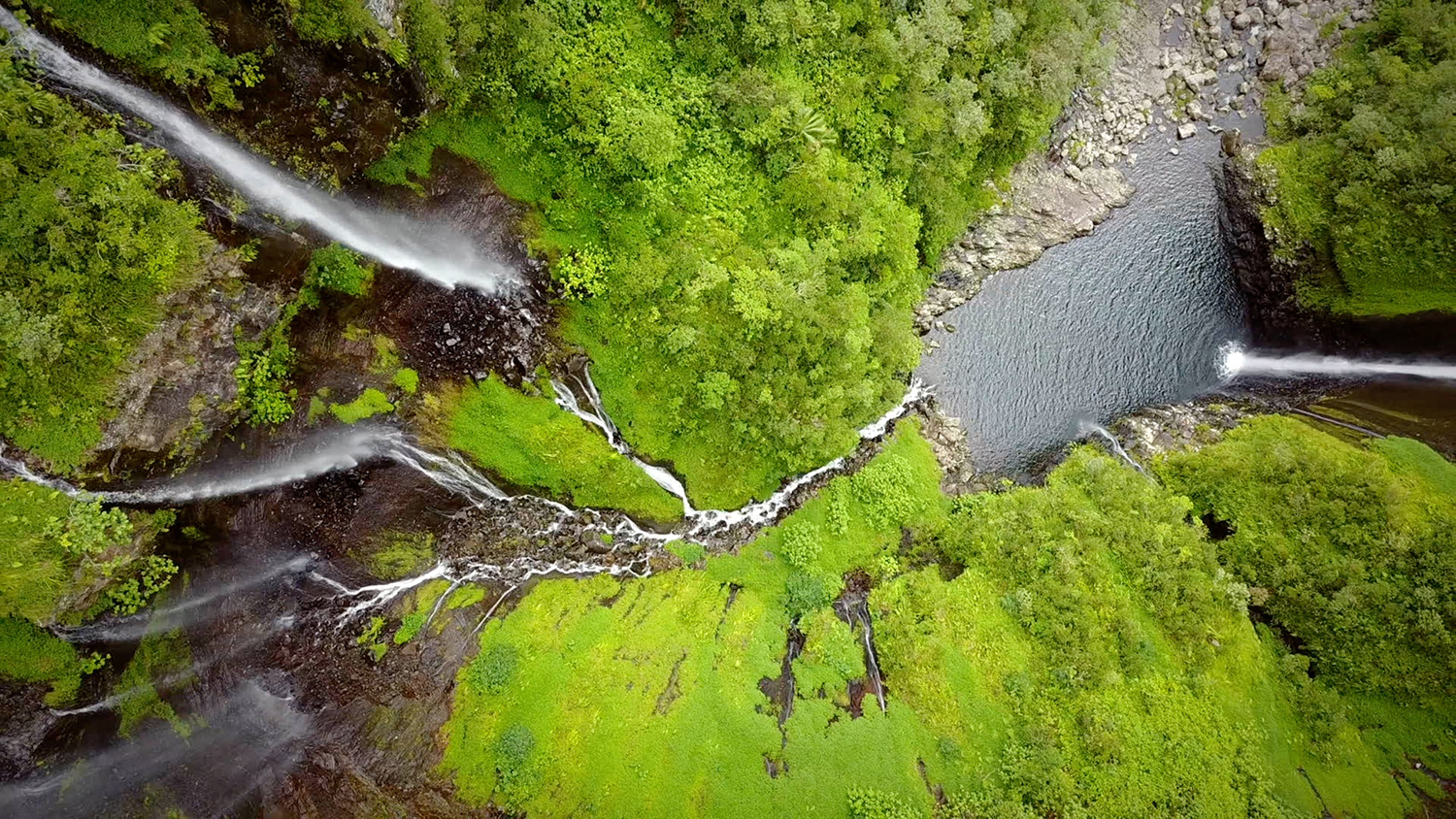
UN Messenger of Peace @JaneGoodallInst introduces @IRIforests, a new global effort uniting people of all faiths to end tropical deforestation. Watch the video and share this important message: InterfaithRainforest.org #FaithsForForests
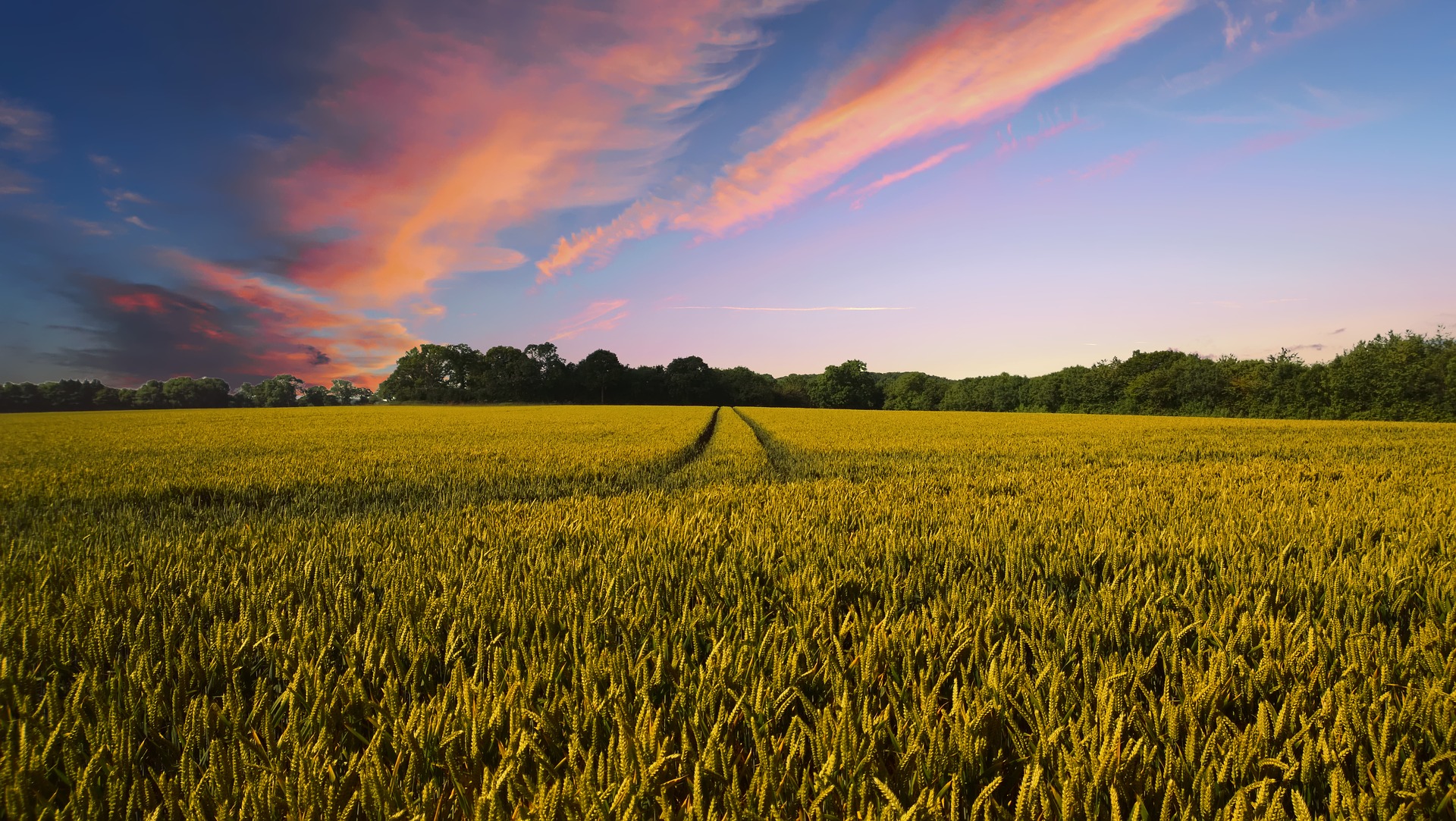
As scorching temperatures continue to break records across Europe, unprecedented wildfires break out in the Arctic, and polar sea ice cover drops—again—to an all-time low, never before has the climate crisis been so palpable, for so many people.
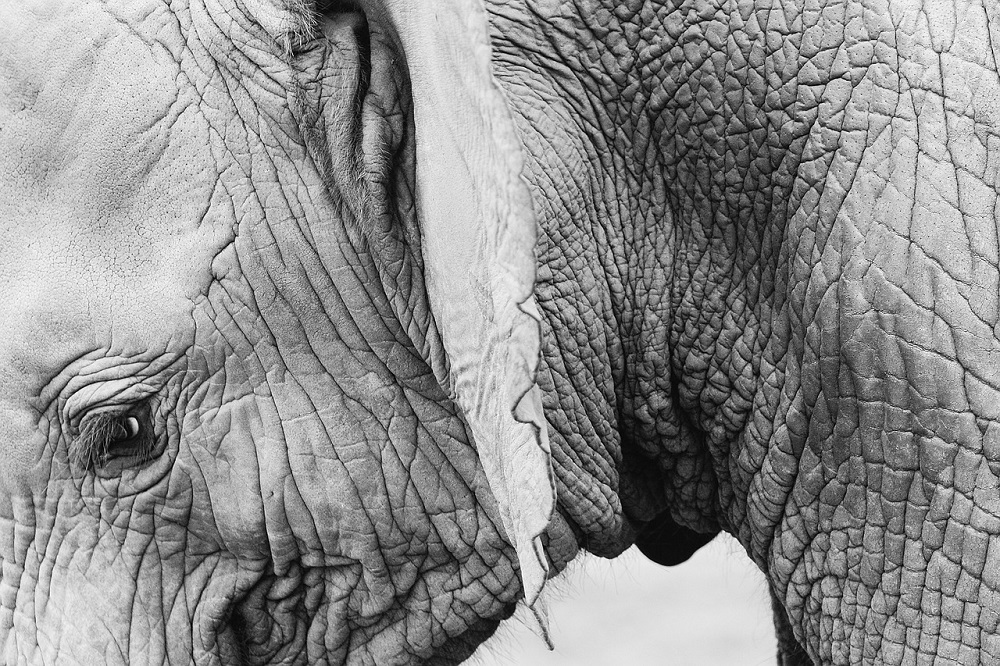
When 27-year-old Peter Moll was young, his grandmother told him tales of the landscape and animals. From the semi-nomadic Maasai indigenous community in Kenya, his upbringing was closely tied to the environment.
But then he learned about deforestation, poaching, resource extraction and pollution. With environmental conservation rooted in his heritage, he felt compelled to act.
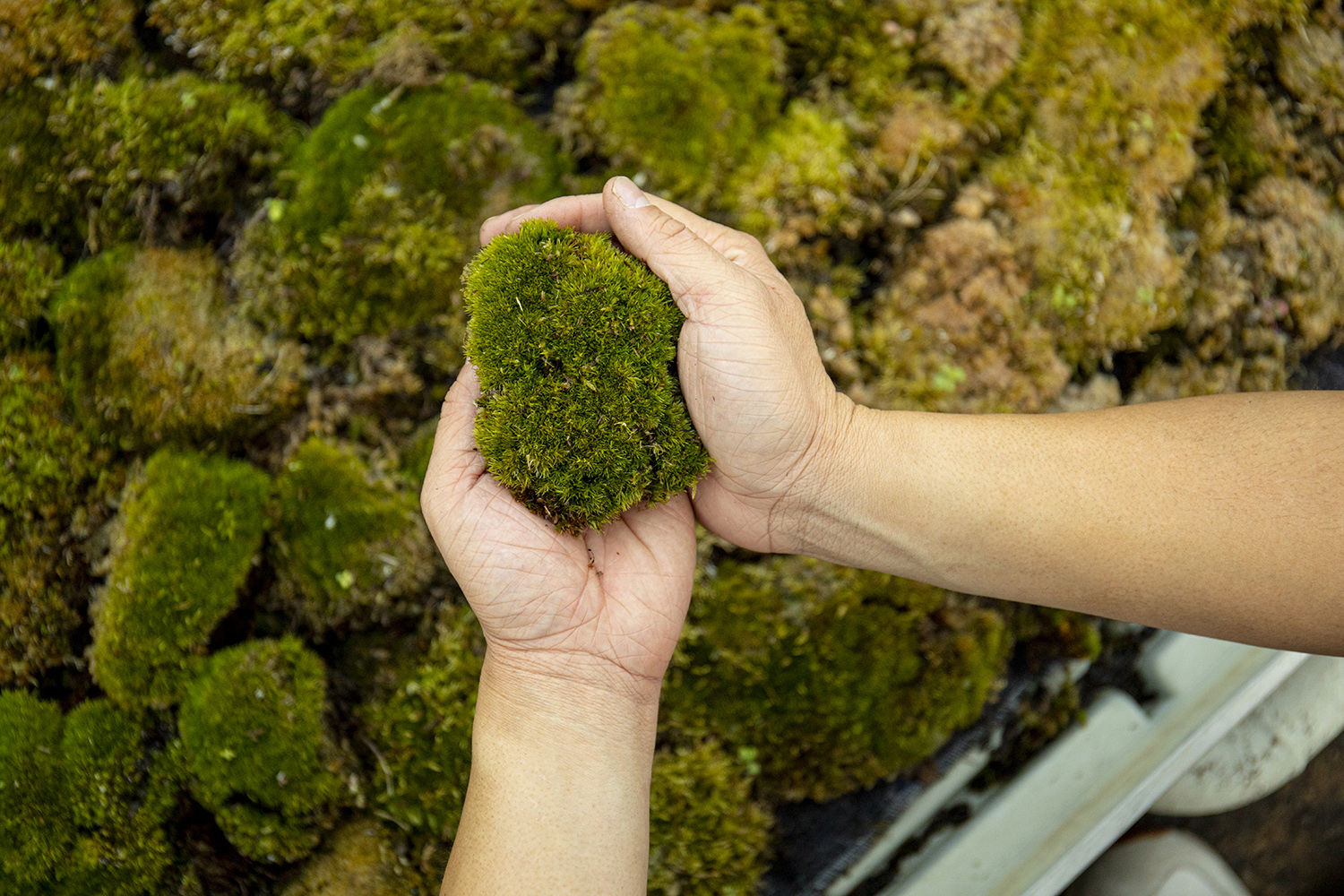
When 26-year-old Peter Sänger and 34-year-old Liang Wu got together, they realized right away that they had something in common. Both firm advocates in the fight against air pollution, they believe that if you can’t measure it, you can’t beat it.

UN Environment Programme and the World Conservation Monitoring Centre have developed a series of briefing notes to guide programming on ecosystem-based adaptation.
The EbA Briefing Note Series aims to foster a common understanding of key concepts, issues and considerations to help design, plan and implement successful EbA initiatives. It highlights issues, trade-offs and tensions that need to be addressed to enable EbA to form part of – and contribute to – the wider landscape of climate change adaptation in the context of sustainable development.
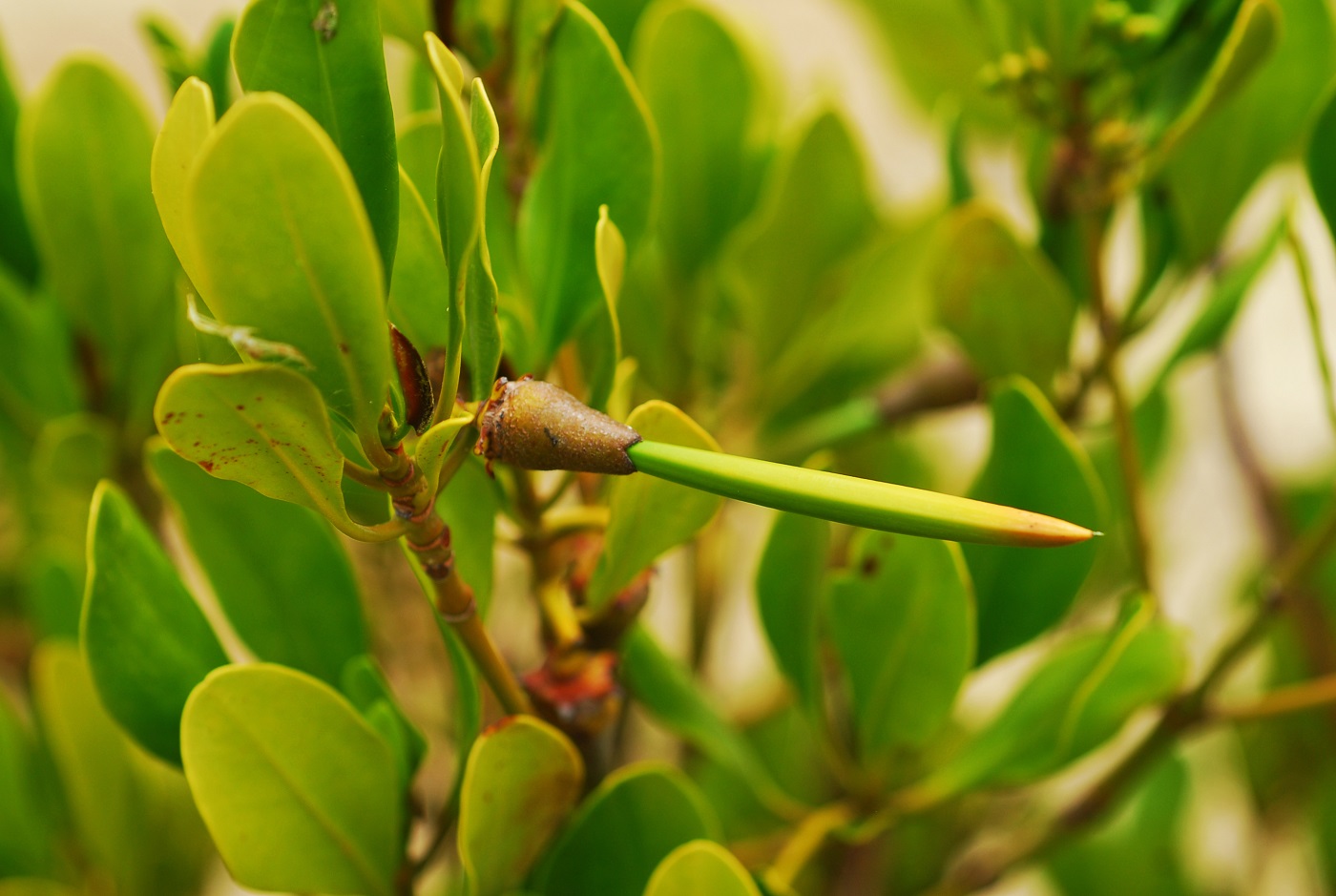
When a proven ecosystem restoration method also helps reduce poverty and build economic resilience, governments will often back them as a win-win solution.

-
The subnational capacity building project for the implementation of the National Adaptation Plan (NAP) in Costa Rica, supported by UN Environment, has received US$ 2,861,917 in funding from the Green Climate Fund (GCF).
-
Costa Rica seeks to urgently strengthen the planning frameworks and processes at the subnational level, to address current and future climate change challenges.

Inger Andersen, Executive Director, UN Environment Programme
There is something in the air. I am not talking about pollution or greenhouse gas emissions. I am talking about the change humanity needs to address these and other environmental challenges, which have placed our planet and societies in imminent peril.
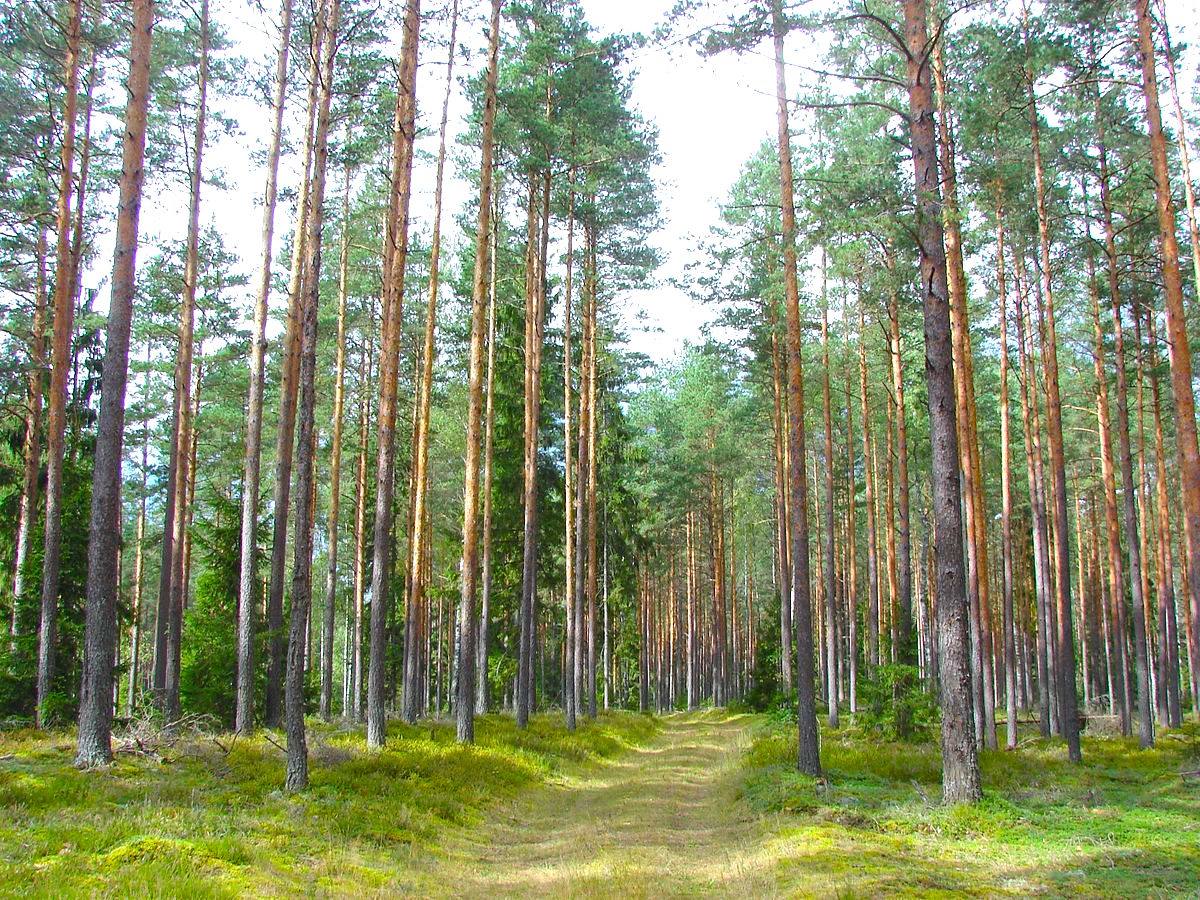
Buying carbon credits in exchange for a clean conscience while you carry on flying, buying diesel cars and powering your homes with fossil fuels is being challenged by people concerned about climate change.
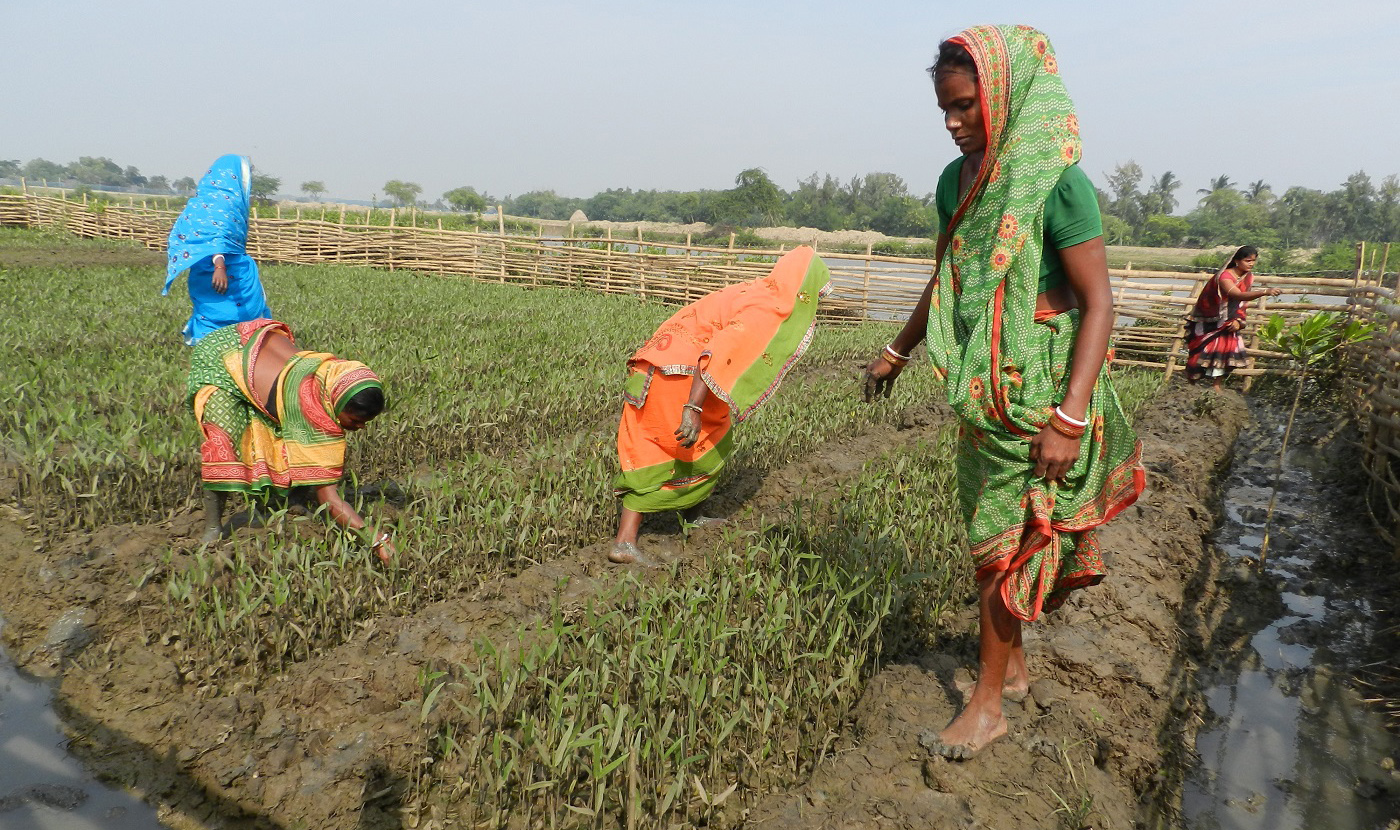
People in the coastal districts of the eastern Indian state of Odisha are increasingly suffering from the effects of climate change. Most households in the area are dependent on natural resources for their livelihoods from fishing, forest foraging and paddy cultivation.
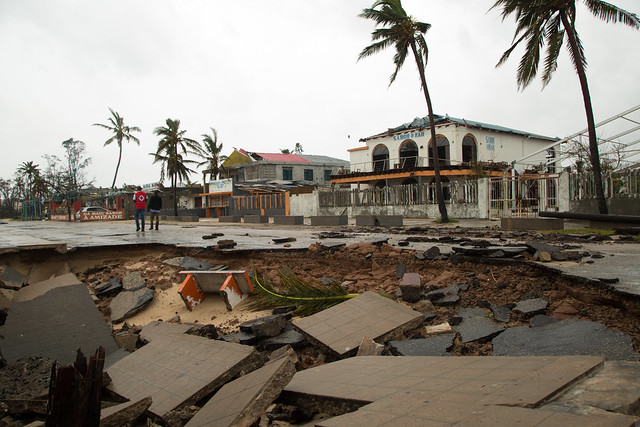
Between March and April 2019, two devastating cyclones hit the coast of Mozambique. Only six weeks apart, tropical cyclones Idai and Kenneth killed hundreds of people and left 1.85 million more stranded with no homes, food, water or basic infrastructure.
Showing 301 - 325 of 375



The development of the GAN involved a broad UNEP-facilitated consultative process, including an international consultation meeting and four regional consultations.