


News
Type: Story
Showing 1 - 25 of 217
217 results found
By Sophie Loran, communication and advocacy lead on climate action at the United Nations Environment Programme
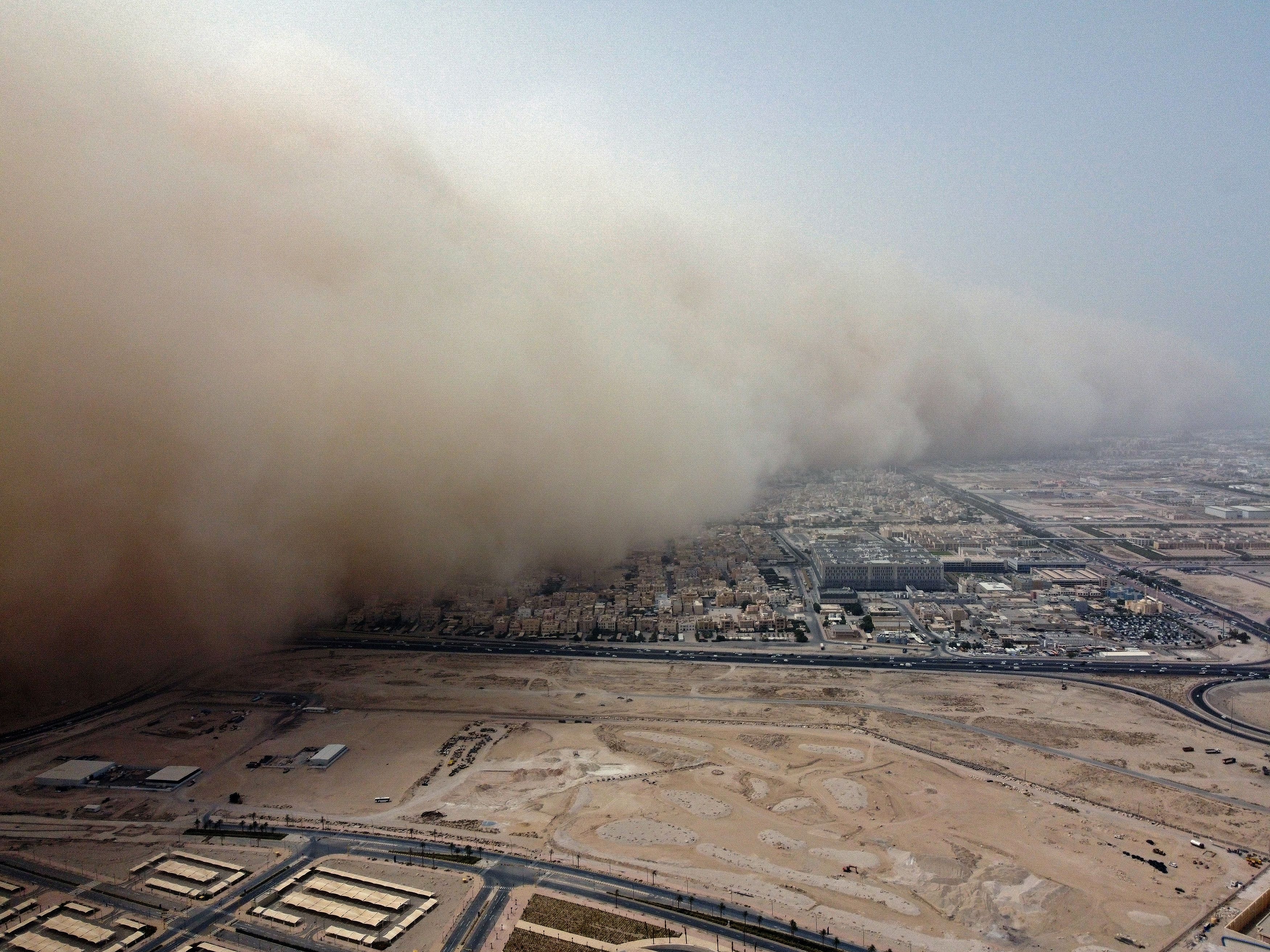
Experiencing a sand or dust storm can be frightening. As rolling clouds engulf everything in their path, the tempests turn day into night and wreak havoc on humans and nature.

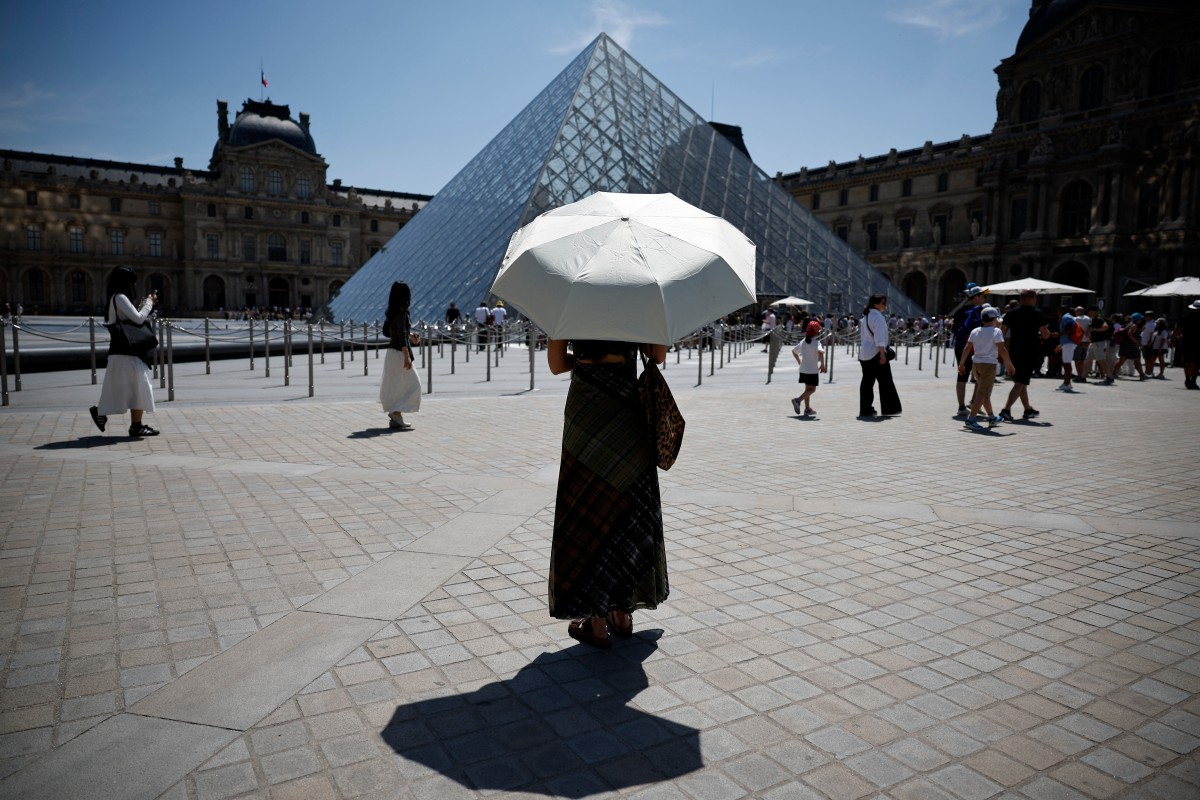
There was a time when extreme heat was relatively rare.
But not anymore.
Heatwaves, which are already responsible for almost 500,000 deaths a year, are becoming more frequent, more intense and more dangerous.
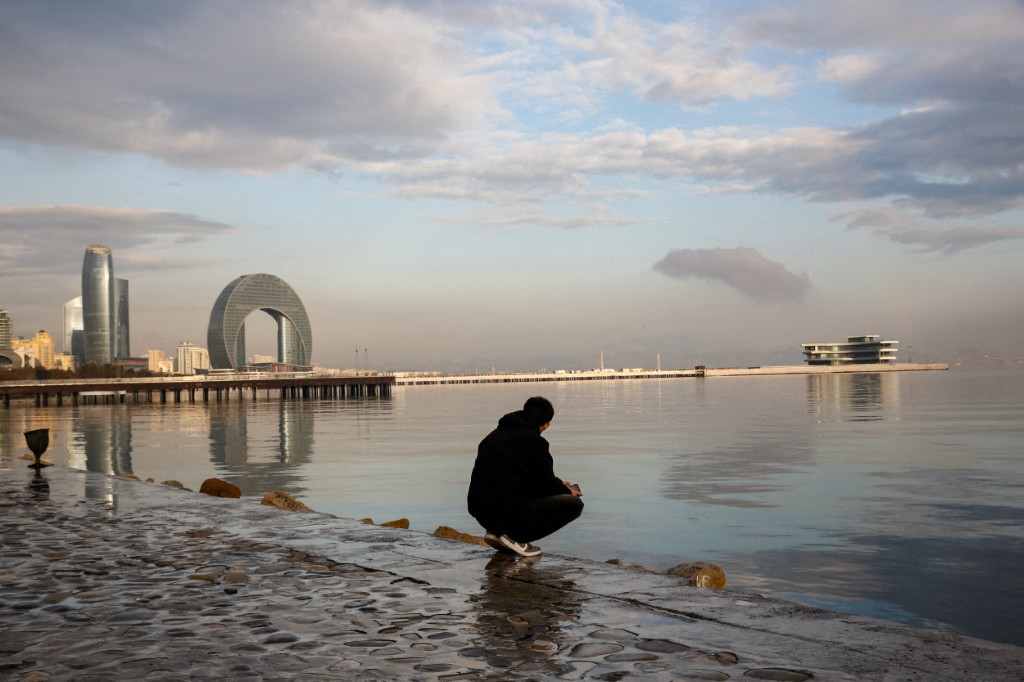
The Caspian Sea – the world’s largest inland body of water – is shrinking. Its retreat is visible in satellite imagery, in kilometres of newly-exposed sandbanks, and at sea ports and fishing villages that are finding themselves farther and farther from the shore.

The Earth’s climate is changing more rapidly than at any other time in human history, unleashing a cascade of challenges, from rising seas to prolonged droughts to more severe storms. This has bred widespread climate anxiety and among some, a sense of powerlessness.
But how dire is the climate crisis, and are there worthy reasons for hope?
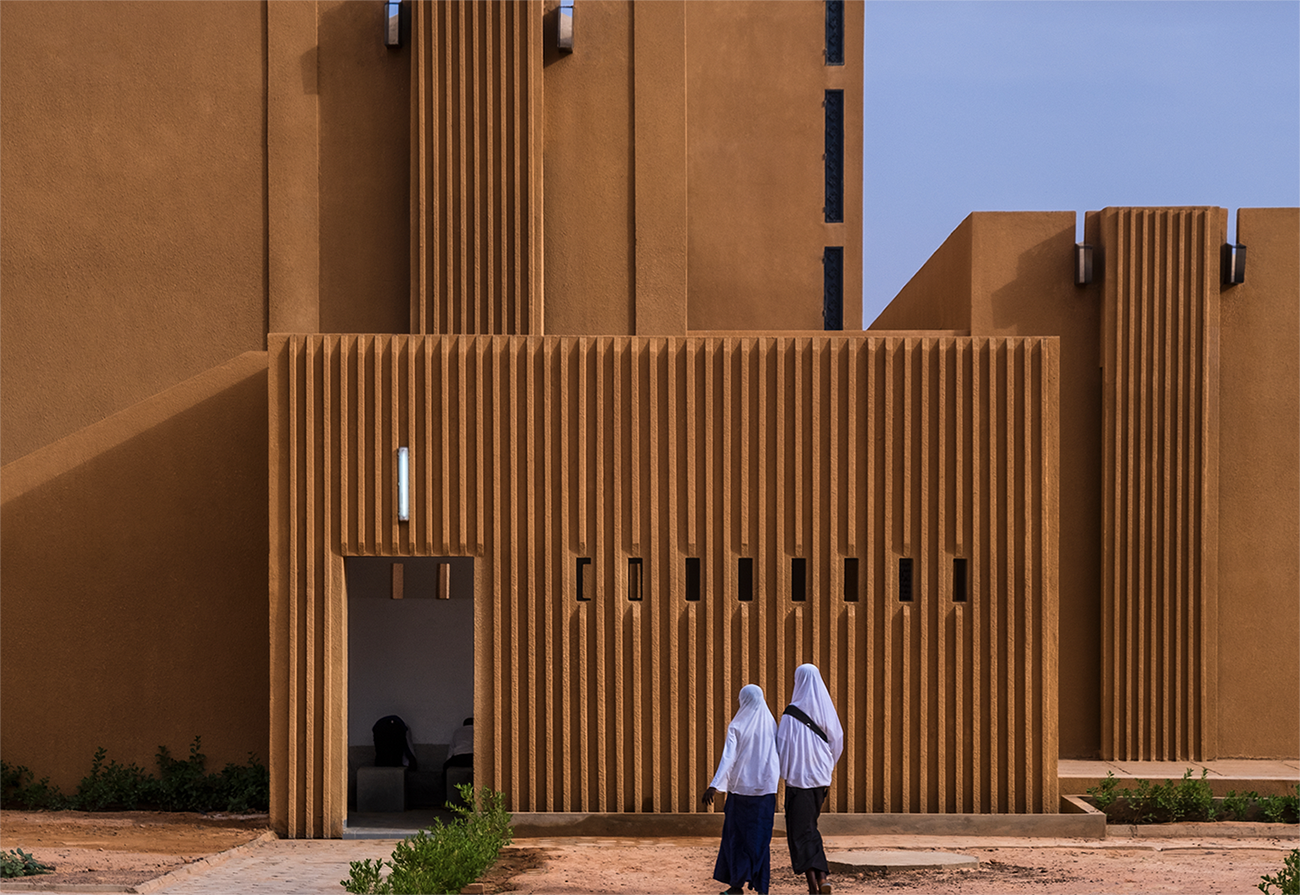
The small town of Dandaji, Niger, sits on the edge of the Sahara Desert. It is a place where temperatures routinely top 45°C, blanketing residents in a suffocating, oven-like heat.
Unless they’re in the town’s mosque.

Surat, a bustling Indian city of 7 million people, sits at the meeting point of the Tapti River and the Arabian Sea, and its identity has been shaped by water. But the same geography that for centuries has driven Surat's growth is now threatening its future.
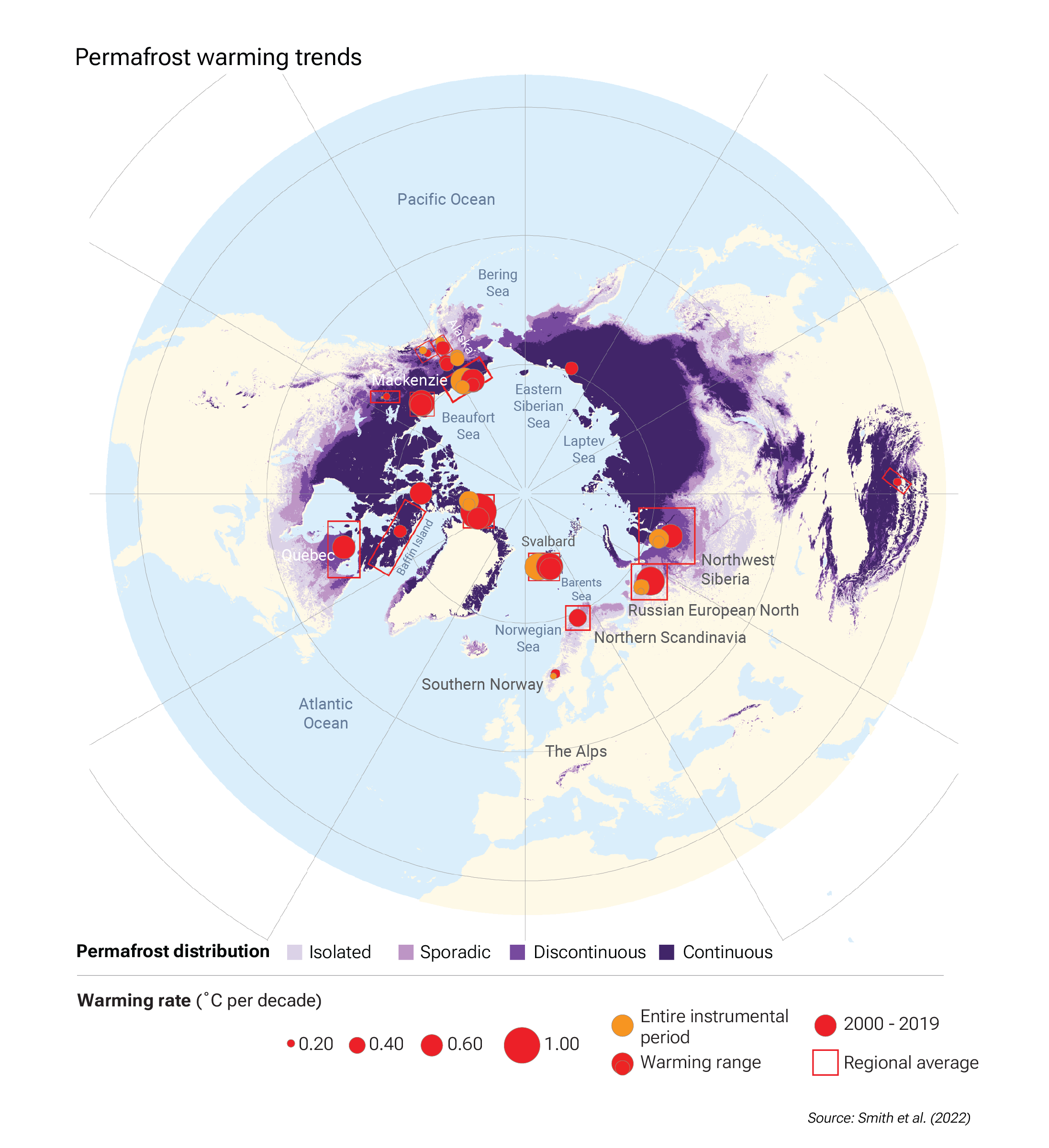
Chances are you know the climate is changing and that means trouble. But what exactly is driving the climate crisis, how bad are things now and how much worse could they get? To answer those questions, we dive into the data in the graphs that follow, which all come from recent reports by the United Nations Environment Programme (UNEP).
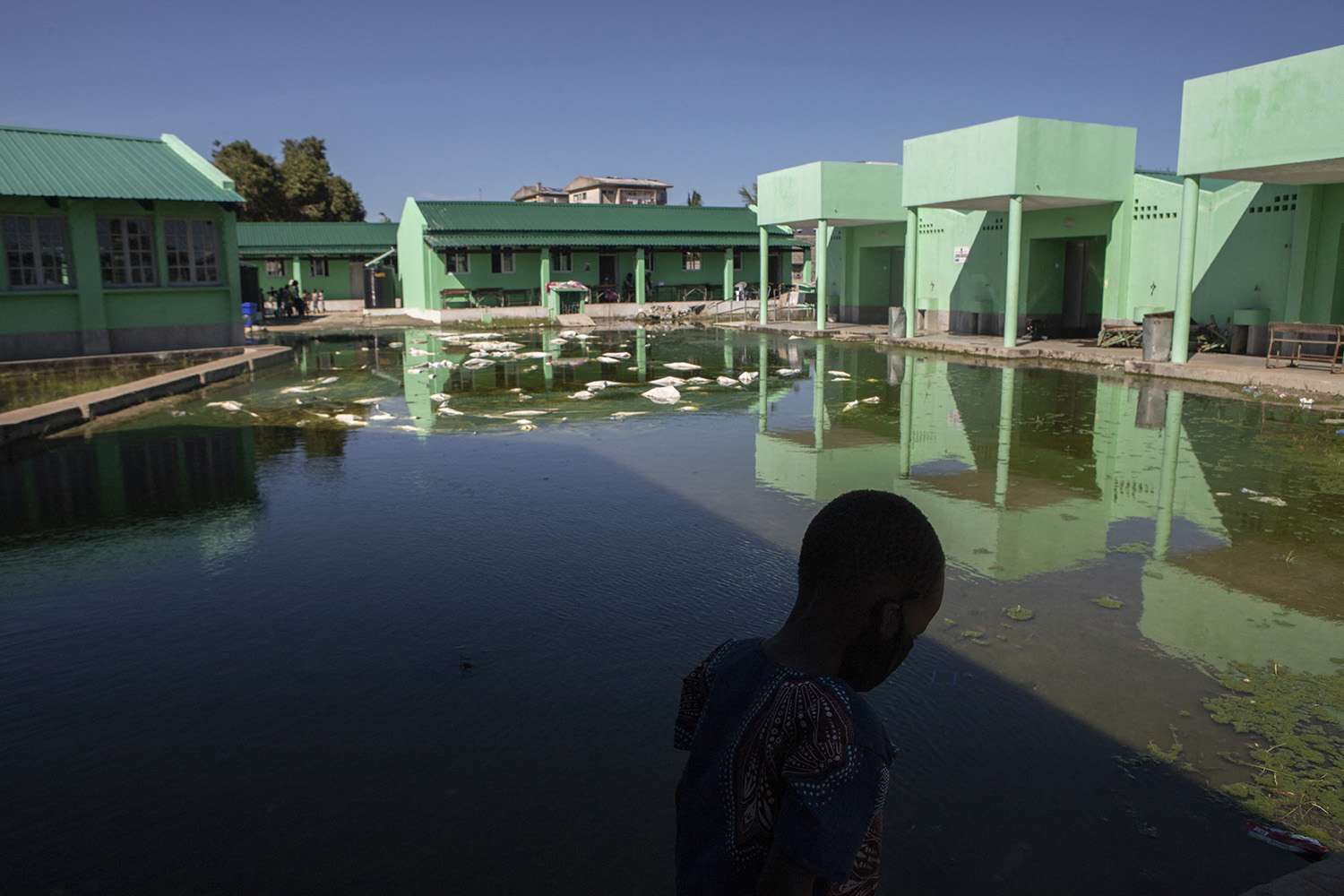
As heavy rains descended on the Nairobi, Kenya suburb of Ruai earlier this week, they quickly overwhelmed its streets, reportedly sweeping away three people standing alongside a road.
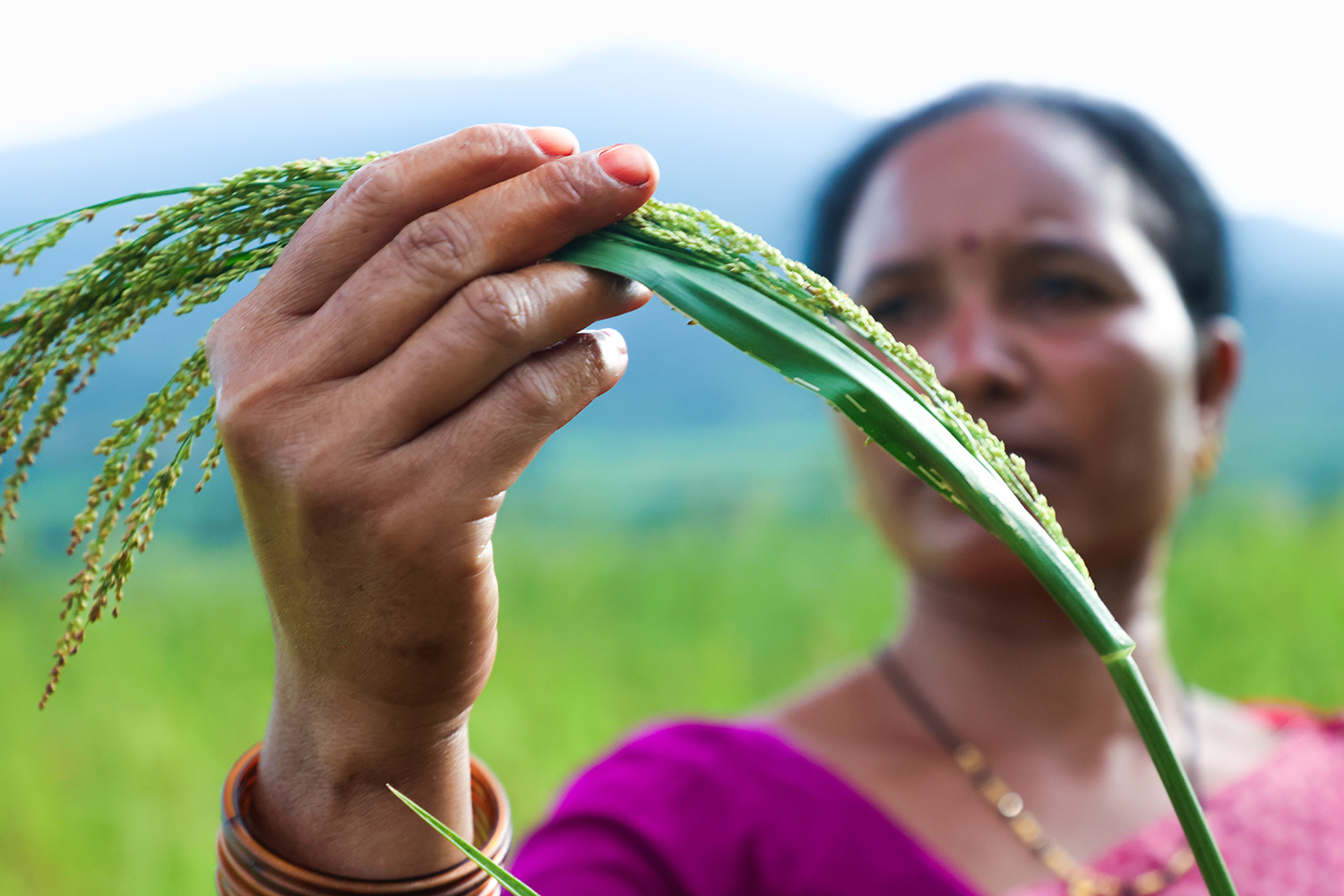
The state of Andhra Pradesh in India may be famous for its stunning emerald-green slopes covered in lush vegetation. Over the past few decades, however, the region has lost 30 to 40 per cent of its original forest cover, according to Dinesh Kumar, a local government official.
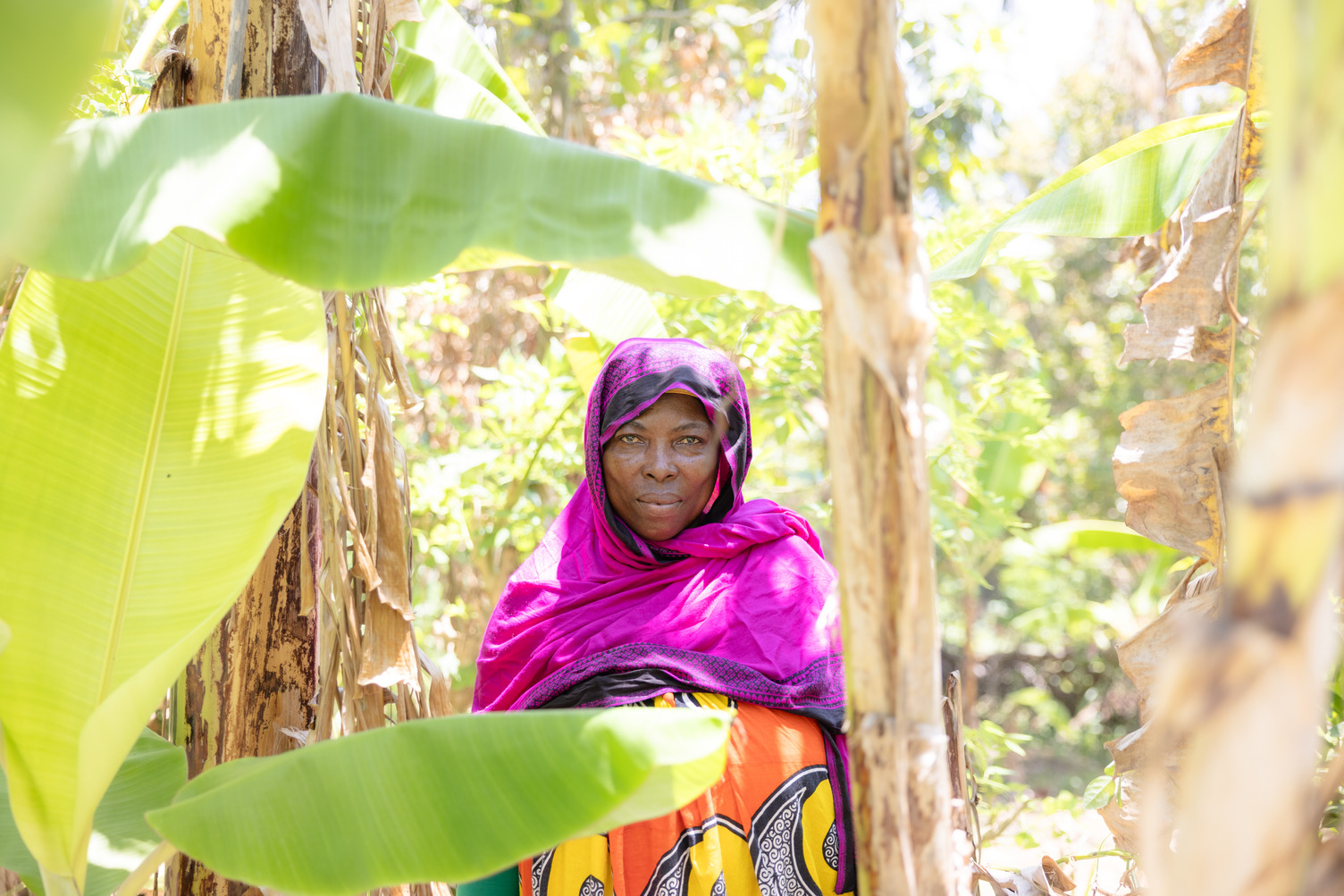
Toybu Ahmed’s green rain jacket blends into the lush jungle as he climbs a steep slope enveloped in milky fog on the island of Anjouan in the Comoros. He moves carefully along narrow paths carved into the hillside. Around him, new trees rise from the soil – a fragile sign of recovery.
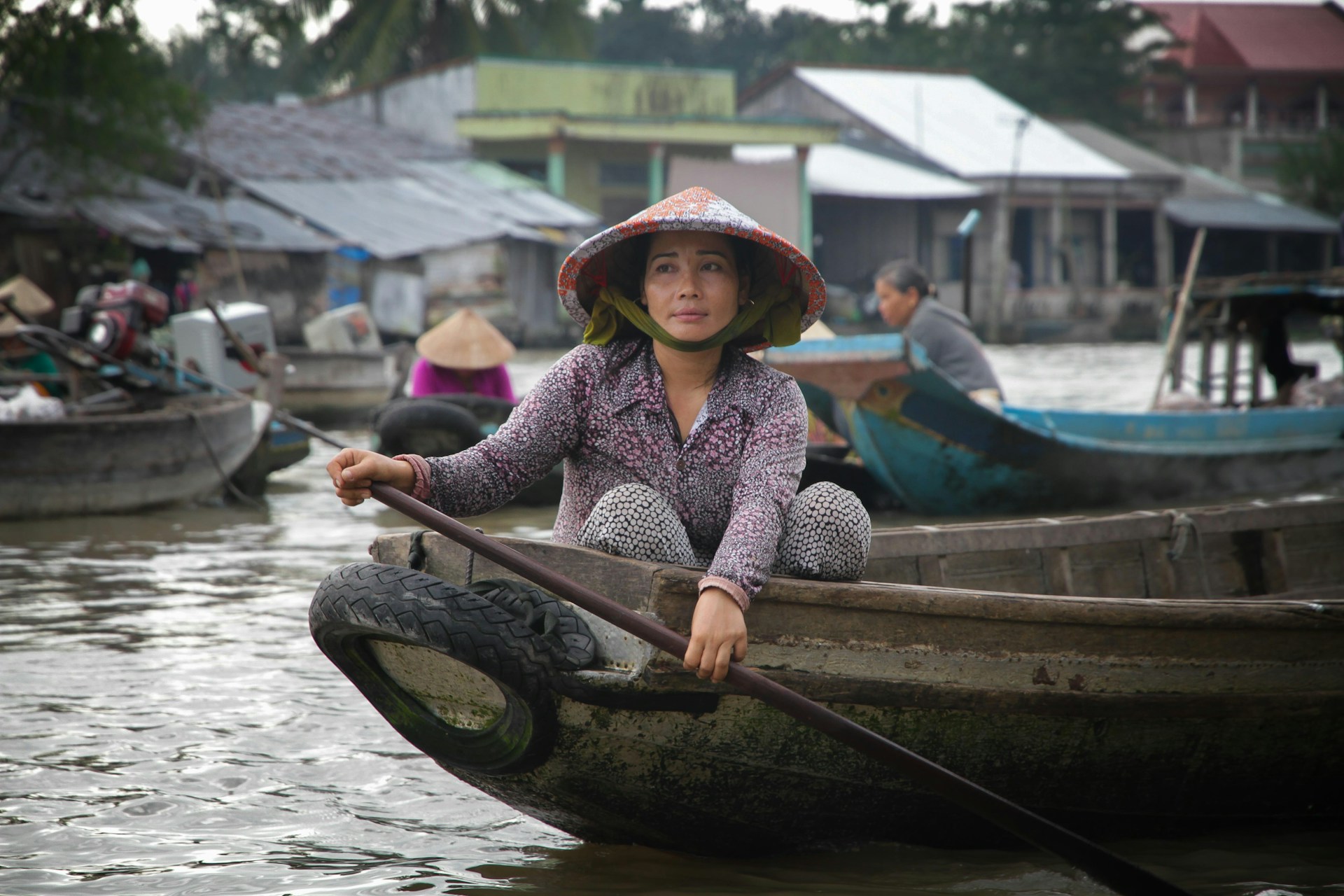
Like many in the central Philippines village of Tabon, Analyn Fedelis makes a living fishing at night. That’s when many fish come closer to the surface and are easier to catch. Bright lamps help draw them toward the boat. For years, though, blackouts made the after-dark sojourn a challenge.

In one of India’s most heat-vulnerable regions, Supriya Sahu is putting in place a suite of effective cooling regulations and nature-based adaptation measures to improve the health and safety of families.
Residents of Chennai, the capital of Tamil Nadu state in southern India, often use the saying "hot, hotter, and hottest" to describe the temperature variations in their rapidly growing city.
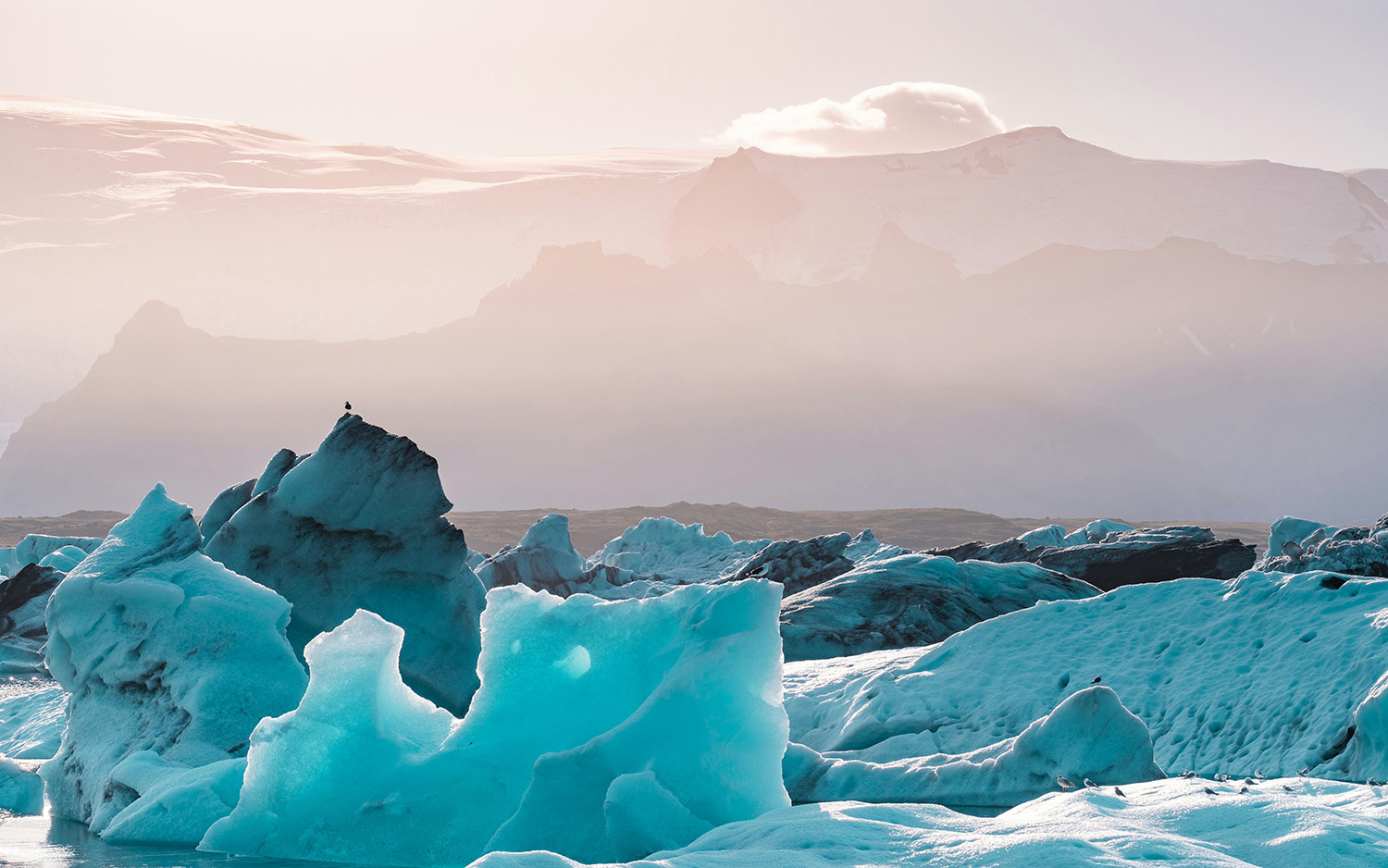
Between May and September this year, avalanches, landslides and flashfloods tore through mountain communities in Switzerland, Nepal and Pakistan, wiping out infrastructure and causing deaths and displacement.
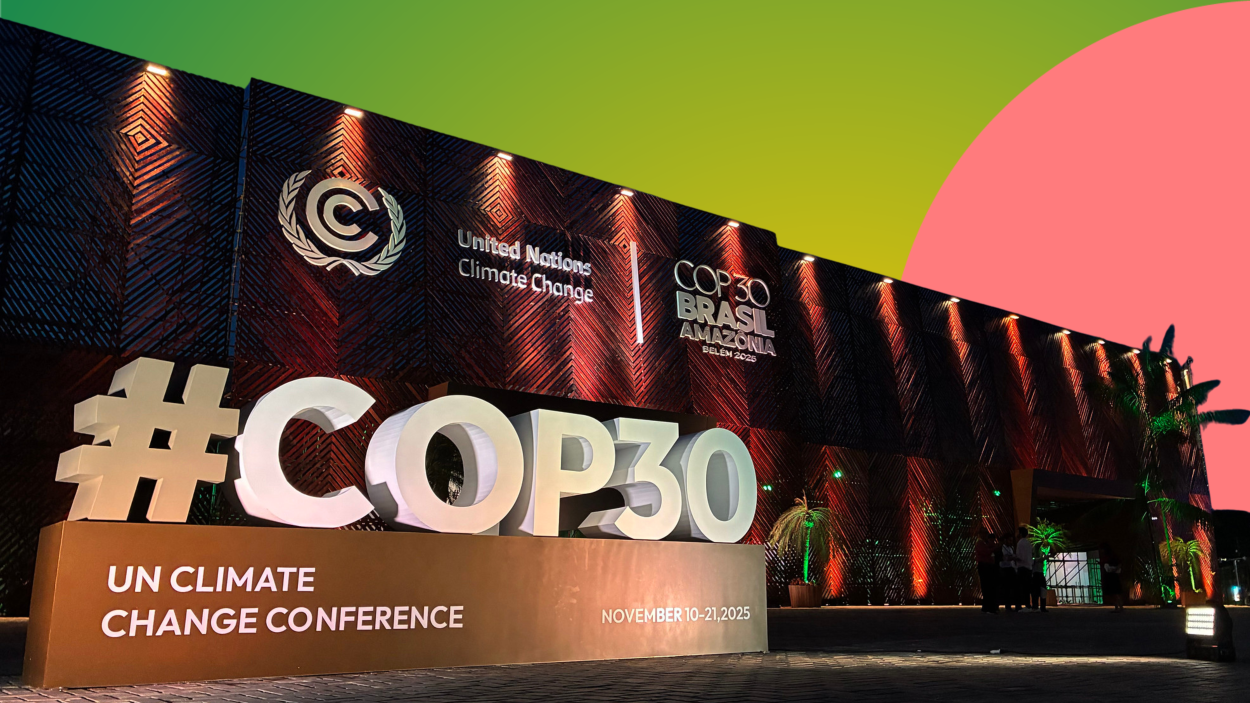
As the world gathers in Belém, Brazil for the 30th United Nations Climate Change Conference (COP30), it marks the start of what observers say will be a decisive decade in the battle against climate change.

Expected but sobering.
That is how experts are describing the findings of a new United Nations Environment Programme (UNEP) report that says that global temperatures are on track to exceed the most ambitious end of the temperature goal of the Paris Agreement.
- Climate transparency focuses on charting how well countries are living up to their pledges to counter climate change.
- The process helps build trust among nations, which experts say is vital to making good on the Paris Agreement and ending the climate crisis.
- Transparency has been credited with spurring nations to be more ambitious in their climate targets, though the world re
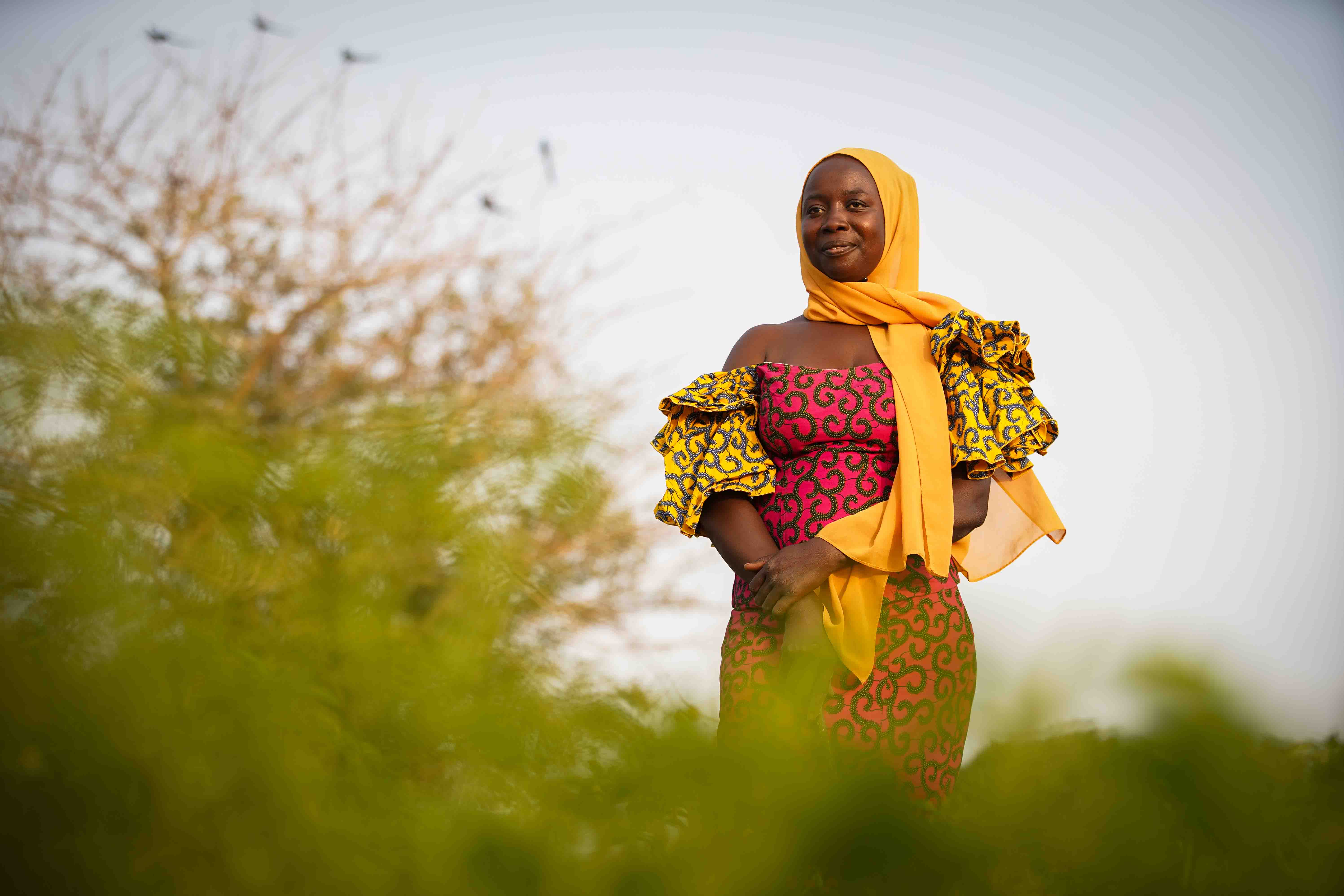
Farmer Mangasa Kijera still has vivid memories of the day in 2019 when a powerful storm rampaged through her village in eastern Gambia. “Everywhere was darkened with clouds as the winds tore through roofs and everything in its path," she says.
The following morning, dawn light revealed the devastation: half of her roof was gone and 85 per cent of her groundnut crops were destroyed.

When a heat wave blanketed Europe in early July, it did more than just make for insufferable days and sweat-soaked nights.
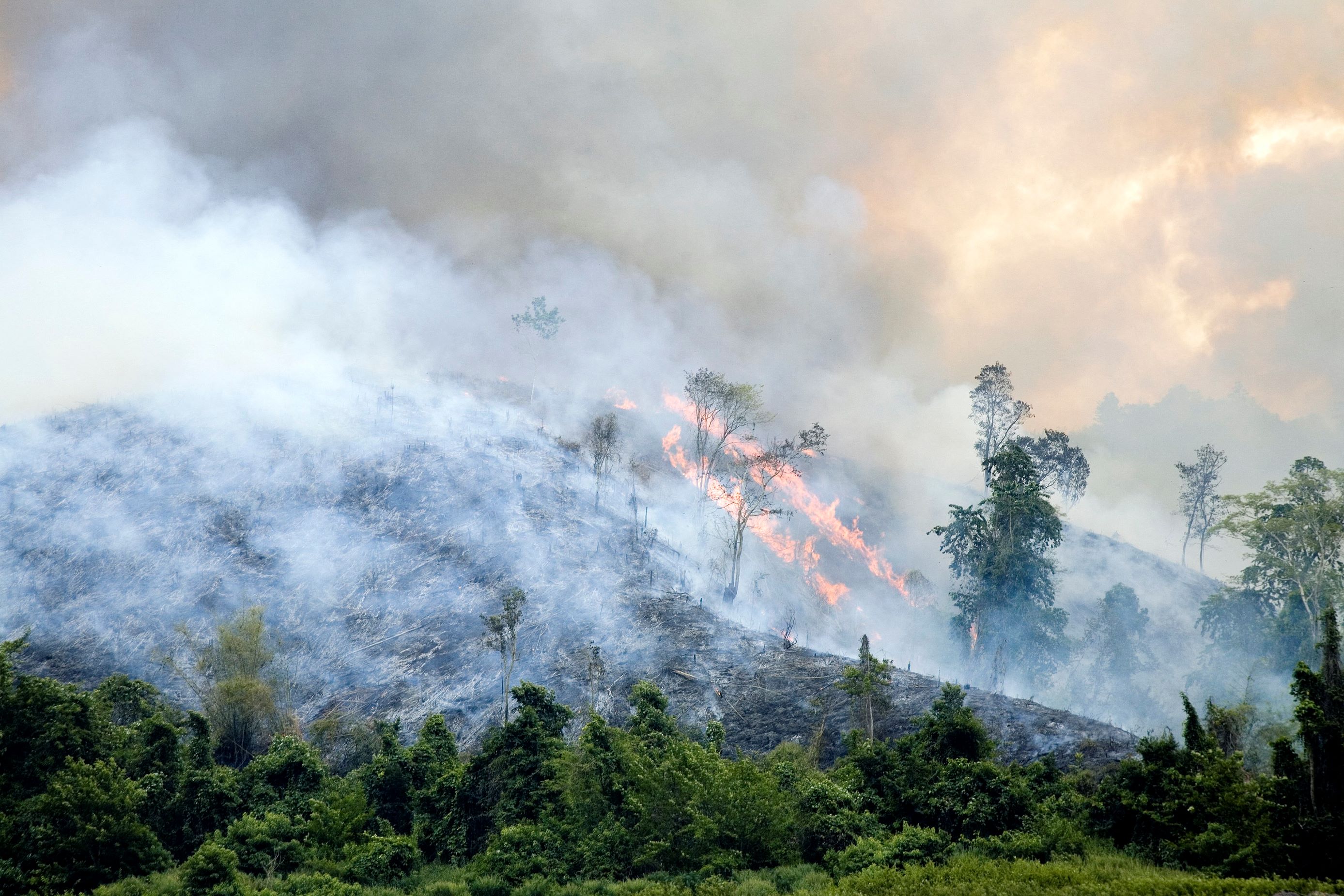
From March to May each year, dark smoke laden with harmful particulate matter and carbon dioxide drifts across the mountain forests of the Lao People's Democratic Republic (Lao PDR) as frantic villagers try to beat back the flames tearing through the trees.
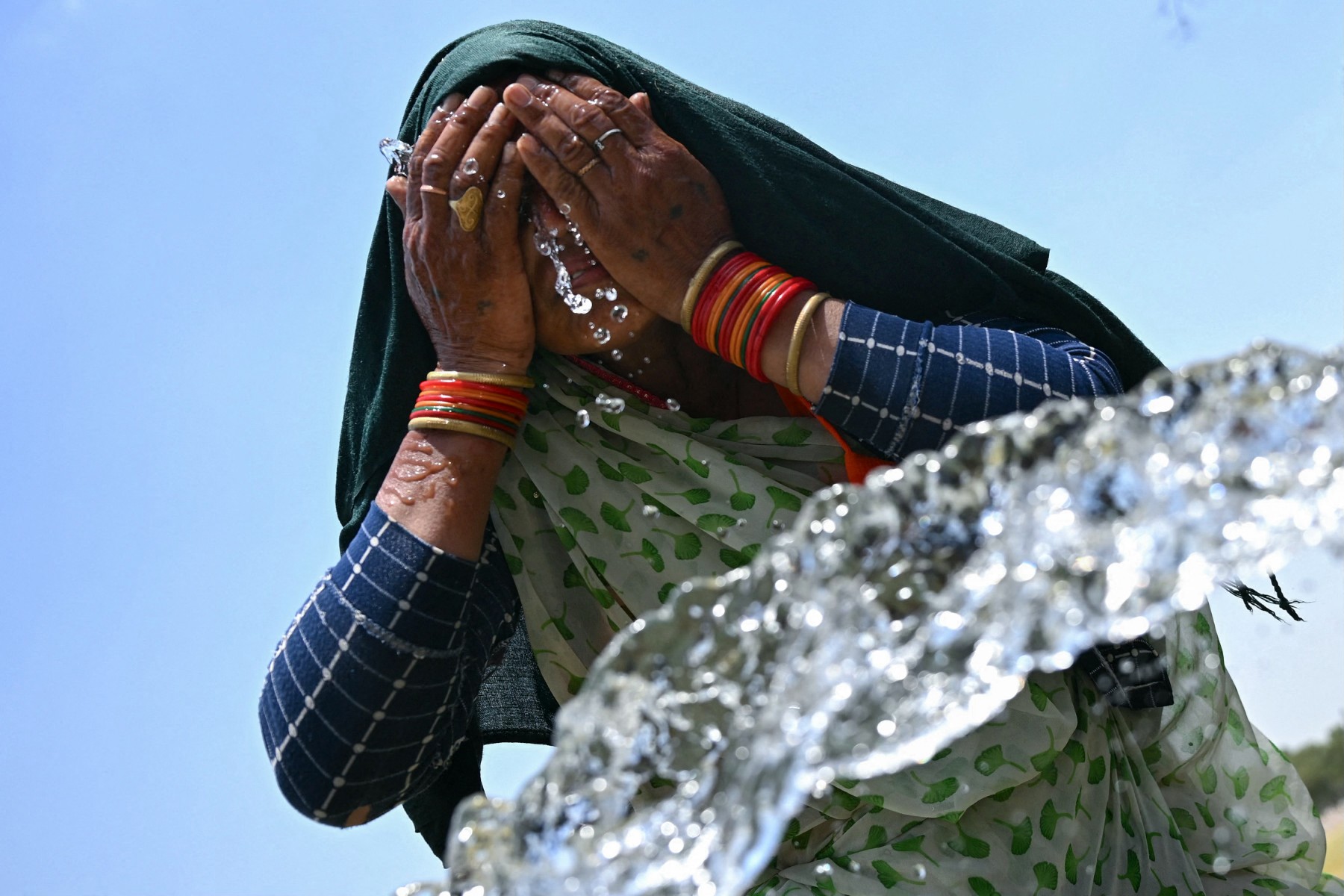
With each passing year, hundreds of millions of Indians eye the approach of summer with trepidation. This year, the thermometer climbed above 40°C in many places in late April, earlier than normal.
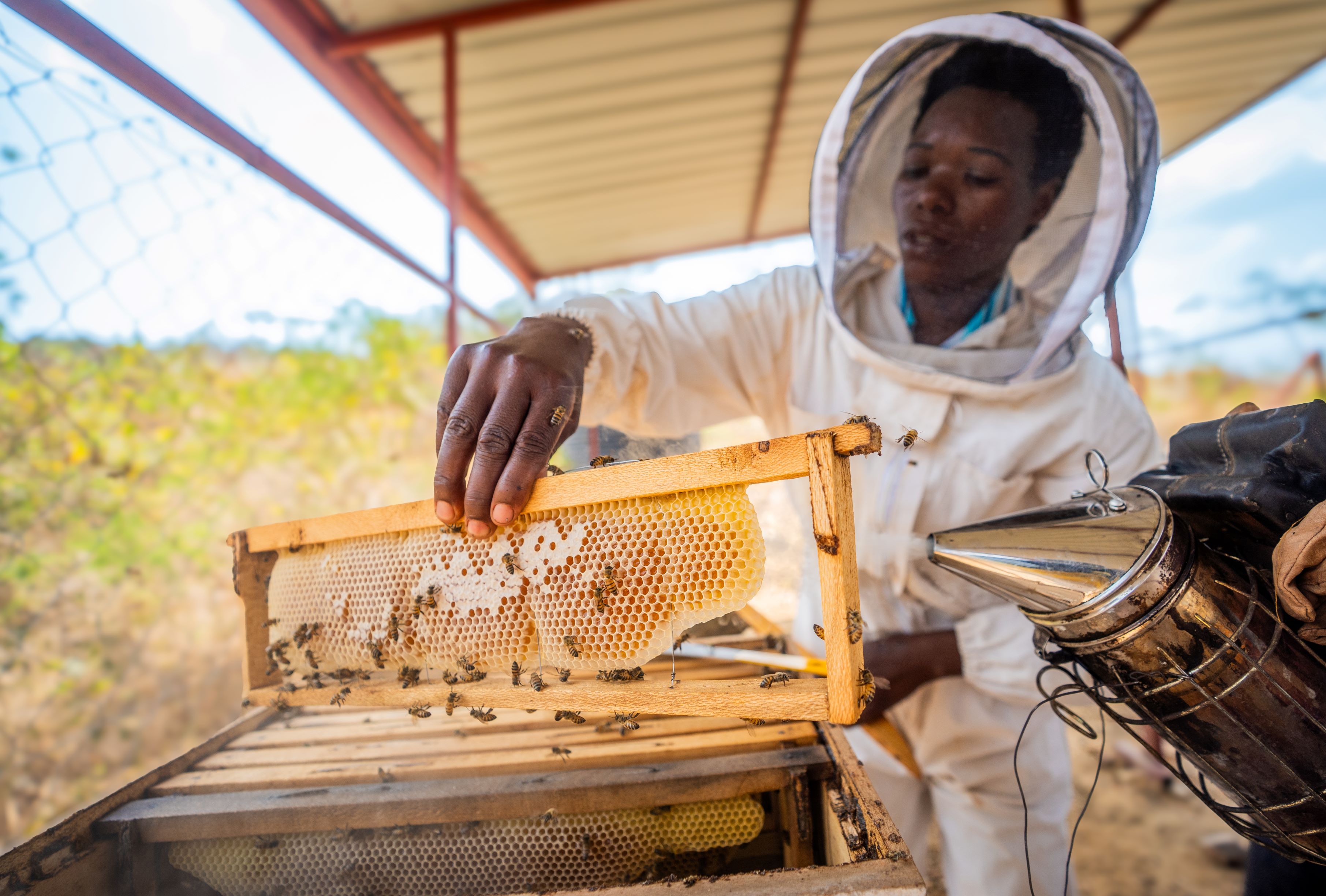
In the steep red hills of the Ngororero district in northwest Rwanda, Antoine Nsanzumuhire gently lifts a honeycomb from one of his beehives. Bees are swirling around him as he delicately lifts the latticework, rich in golden honey.
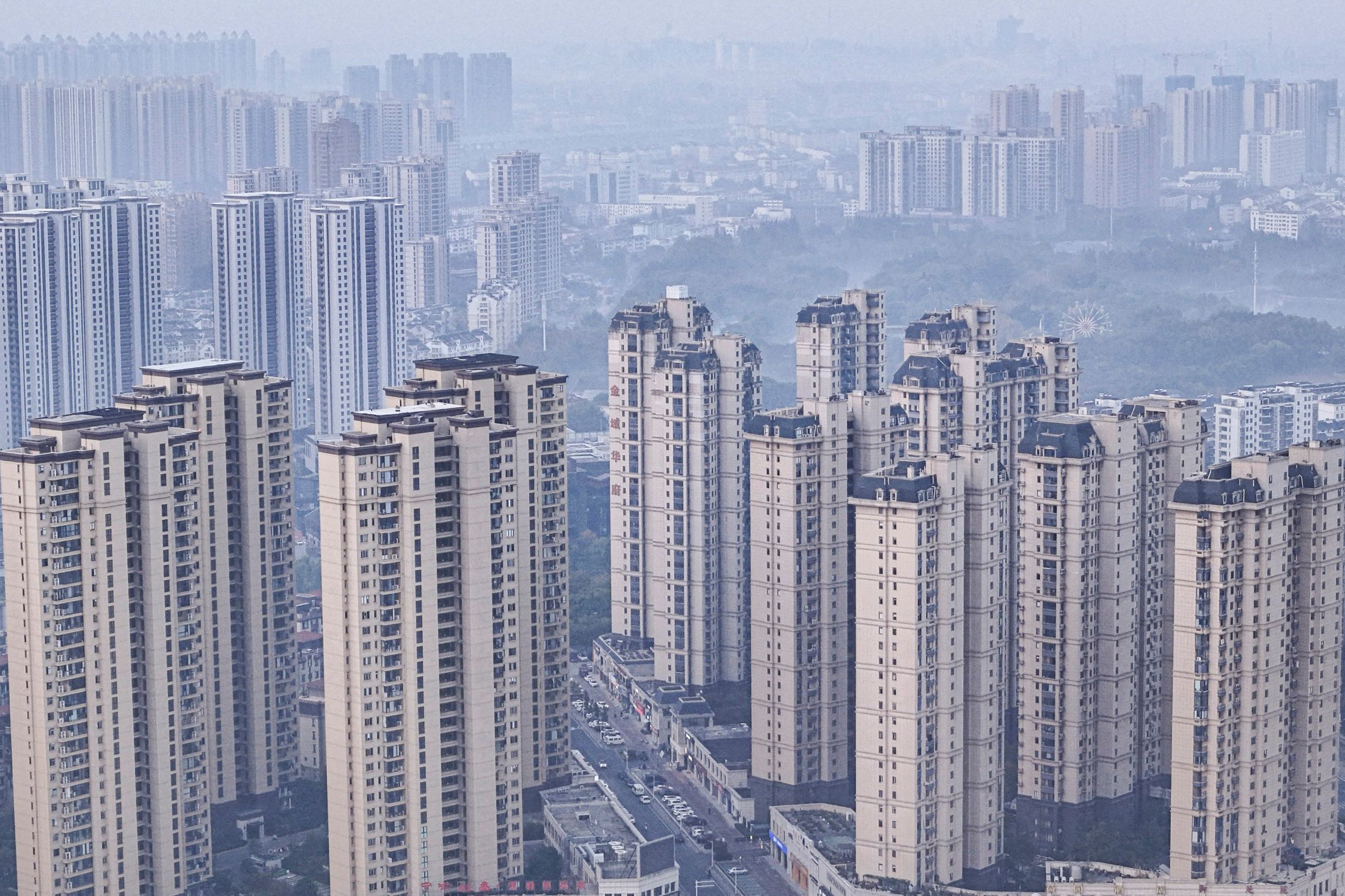
The amount of building floor space is expected to double by 2050, with many of the additions coming in developing and emerging economies. These homes, offices, warehouses and other structures are important, experts say, especially in a rapidly growing and urbanizing world.
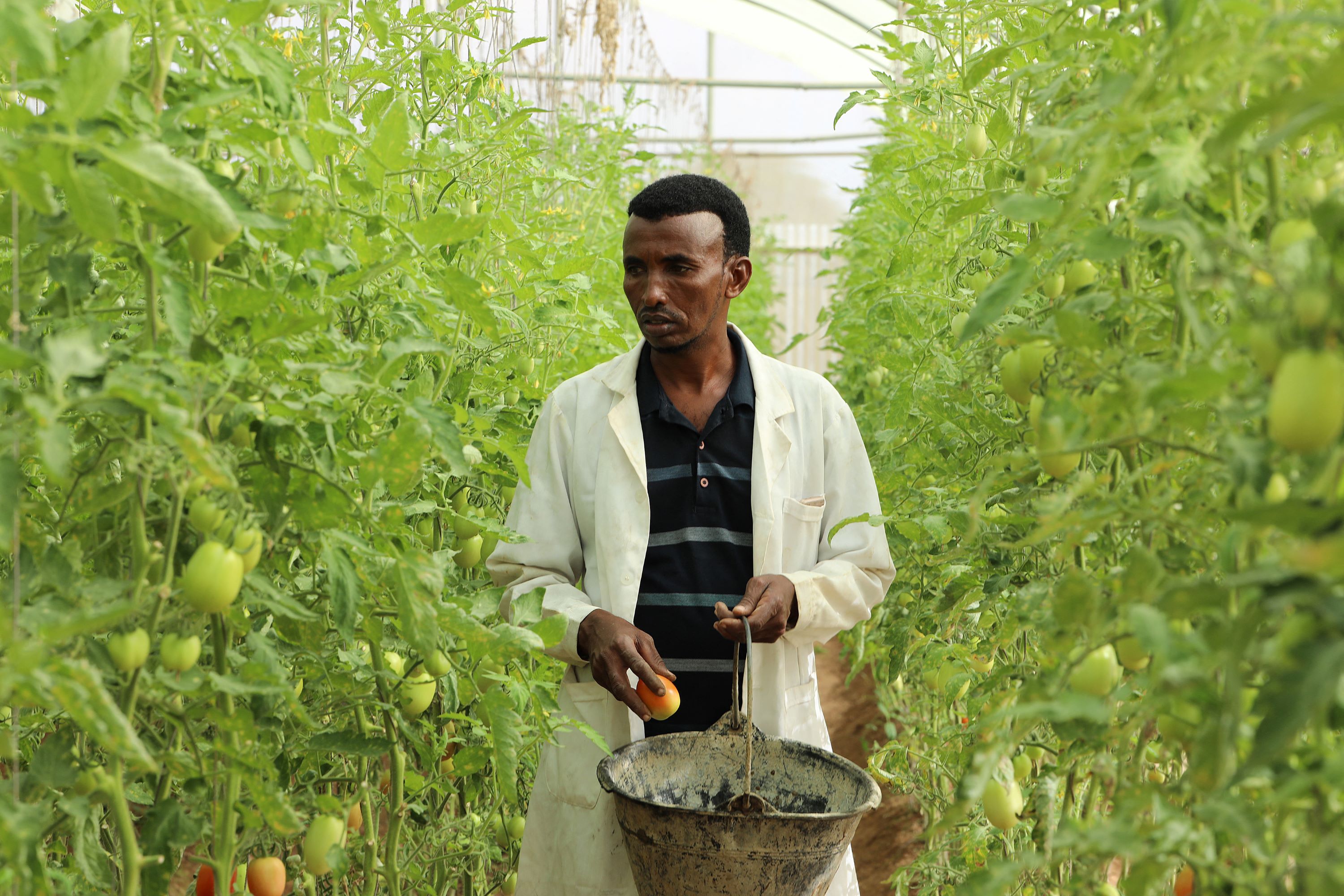
For much of the last decade, Somalia has tipped in and out of drought, with dry spells withering rivers, turning farms into dustbowls and forcing millions from their homes.
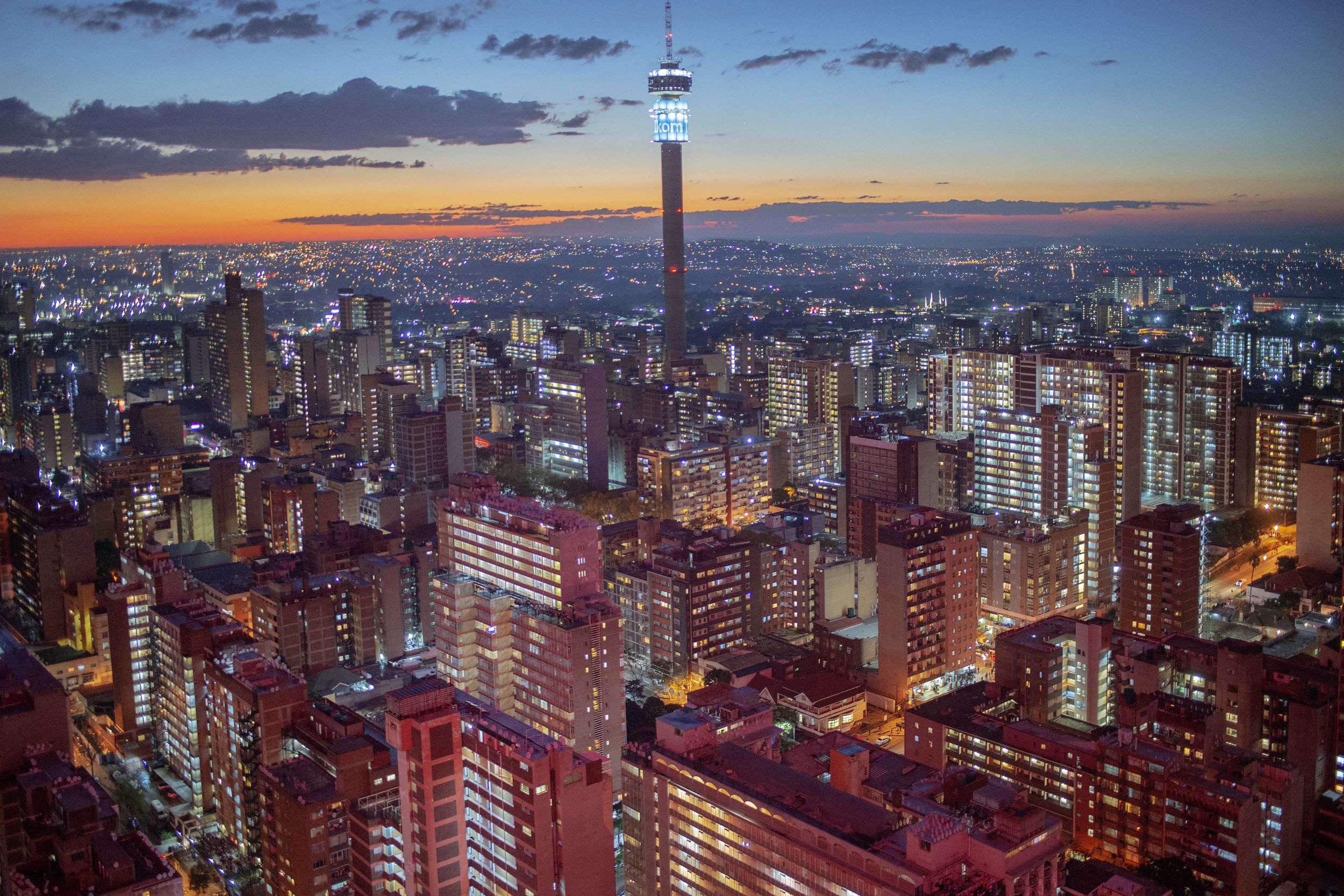
The sun has set in Johannesburg, South Africa and Nntuthuzelo Ndwandwa, 39, is returning home from her job as a customer care consultant. When once she would have glanced nervously into the shadows, now she walks through a complex illuminated by solar-powered lights and enters her home, where a solar-powered heater doles out warm water for washing up.
Showing 1 - 25 of 217



The development of the GAN involved a broad UNEP-facilitated consultative process, including an international consultation meeting and four regional consultations.