
Phnom Penh, 20 January 2026: The Ministry of Environment of the Kingdom of Cambodia, in partnership with the United Nations Development Programme (UNDP) in Cambodia and the United Nations Environment Programme (UNEP), today officially launched the “Eliminating Hazardous Chemicals from Supply Chains Integrated Programme in Cambodia,” a Global Environment Facility (GEF)–funded initiative to phase out hazardous chemicals and accelerate the country’s shift toward circular, green supply chains. The USD 6,025,000 programme positions Cambodia as a regional leader in promoting sustainability in the fashion and construction sectors.
This national launch marks the start of in-country activities following the 2024 global announcement of the six-year, USD 45-million programme, which aims to reshape fashion and construction supply chains toward regenerative design, renewable materials, resource-efficient production, responsible consumption, and improved post-use recovery. The global initiative, including eight countries, leverages an additional USD 437 million in co-financing to maximize impact and is expected to benefit 1.6 million people worldwide.
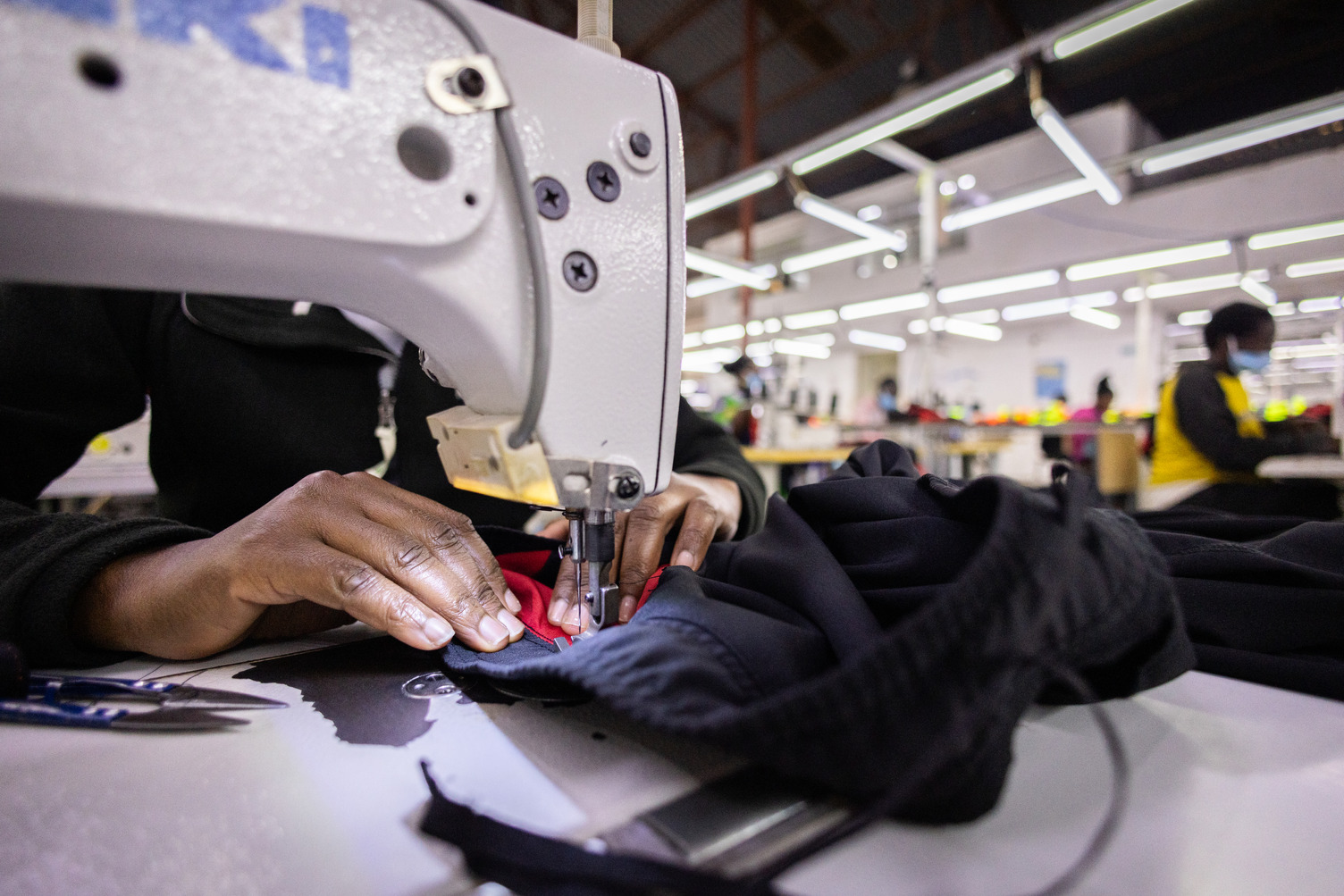
Cambodia’s participation is particularly significant given the central role of fashion and construction in its economy. Together, these sectors contribute more than 20 percent of national GDP and employ hundreds of thousands of people, especially women and youth. Yet rapid industrial expansion has intensified environmental and health risks associated with hazardous chemicals and linear production practices. Cambodia’s textile industry alone generates 140,000 tonnes of textile waste annually, while the continued use of asbestos, mercury, and other toxic substances in construction contributes to air pollution and greenhouse gas emissions.
Sharing his perspective at the launch, Mr Sant Vanty, GEF Operational Focal Point at the Ministry of Environment, highlighted the vital link between supply chain sustainability and Cambodia’s green ambitions: “The supply chains in the fashion and construction industries are not only inherently connected; however, they share common activities that impact sustainability. A more circular supply chain can only be achieved if the sectors are free of harmful chemicals. This approach also guarantees that practices aimed at greening these supply chains will not only remove harmful chemicals but also foster carbon neutrality and nature-positive initiatives. This programme is a milestone for Cambodia’s sustainable development; in addition to this, the intervention is aligned with the Clean Strategy stipulated in the Circular Strategy on the Environment of the Royal Government of Cambodia. We are proud to lead this effort and set an example for the region.”
Reflecting on Cambodia’s commitment to sustainable industrial development, Mr. Sophal Laska, Director of the Ministry of Environment, emphasized the transformative potential of the programme. “Cambodia stands at a turning point. Our move away from Least Development Country status creates new opportunities to strengthen our industrial sectors and secure a more sustainable economic future. By eliminating hazardous chemicals from supply chains, we are protecting public health, safeguarding the environment, and ensuring our industries remain competitive in the global market. This programme will attract investment, foster innovation, and create new economic opportunities for Cambodians,” he said.
The new programme will help Cambodia transition to safer and more sustainable production systems. Country-level activities will promote circular economy approaches and strengthen the regulatory environment for hazardous chemical management. They will also support local enterprises—particularly small and medium-sized and women-led businesses—to adopt cleaner and more resource-efficient manufacturing processes. The programme will also pilot eco-labelling for fashion products, test green building certification models, and introduce innovative recycling, upcycling, and reverse-logistics solutions in the fashion and construction supply chains. These efforts are expected to reduce chemical pollution, improve land and waste management, lower greenhouse gas emissions, and directly benefit 95,000 people across Cambodia.
At the global level, the programme is led by UNEP in partnership with FAO, UNDP, and UNIDO, reflecting a coordinated approach across the UN system to address the chemical, nature, and climate impacts of two of most chemical-intensive industries. The initiative aims to prevent the release of 10.6 million tonnes of greenhouse gas emissions and 52,542.72 tonnes of hazardous chemicals, improve air quality by reducing persistent organic pollutants, and support the restoration of 2,890,999 hectares of land and ecosystems. It also strengthens South-South cooperation, reduces the risk of burden-shifting, and empowers women, youth, and local communities by revitalizing local economies and advancing sustainable materials and practices.
Insights and priorities from UNDP and UNEP were reflected throughout the event, highlighting the need to tackle hazardous chemicals in tandem with climate mitigation, biodiversity protection, and sustainable livelihoods. Both agencies underscored that transforming supply chains—particularly in construction, the country’s largest energy consumer, and in fashion, one of its most waste-producing sectors—is essential for achieving national development goals while contributing to global environmental commitments.
>Mr. Enrico Gaveglia, UNDP Resident Representative in Cambodia said:“The construction sector is Cambodia’s largest energy consumer, accounting for more than half of national energy use, with residential and commercial buildings consuming the majority share. Hazardous chemicals—including asbestos, mercury, and short‑chain chlorinated paraffins—remain prevalent in supply chains, posing risks to workers, communities, and ecosystems. UNDP is committed to working with partners to transform the country’s construction sector by eliminating hazardous chemicals from supply chains and promoting sustainable building practices. This project will empower local businesses, especially SMEs and women-led enterprises, to innovate and thrive while safeguarding the environment. Together, we are building a future where economic growth and environmental responsibility go hand in hand.”
About UNEP
UNEP is the leading global voice on the environment. It provides leadership and encourages partnership in caring for the environment by inspiring, informing and enabling nations and peoples to improve their quality of life without compromising that of future generations.
About the Global Environment Facility
The Global Environment Facility (GEF) includes several multilateral funds working together to address the planet's most pressing challenges in an integrated way. Its financing helps developing countries address complex challenges and work towards meeting international environmental goals. Over the past three decades, the GEF has provided more than $26 billion in financing, primarily as grants, and mobilized another $153 billion for country-driven priority projects.
About the Ministry of Environment
The Ministry of Environment (MoE) is the leading government body responsible for environmental protection, natural resource management, and sustainable development in Cambodia. Guided by a vision of balancing economic growth with ecological stewardship, the Ministry develops and enforces policies to safeguard Cambodia’s rich biodiversity, address pollution, and promote climate resilience. Through national strategies and international partnerships, MoE is committed to ensuring a healthy environment for current and future generations, while supporting Cambodia’s transition to a green and inclusive economy.
About UNDP:
UNDP is the United Nations’ global development network advocating for change and connecting governments, private sector and civil society to knowledge, experience, and resources to end the injustice of poverty and inequality, accelerate inclusive growth, strengthen good governance and peace, and promote nature-based solutions and climate resilience. Present in over 170 countries and territories, we assist nations to implement their solutions for accelerating the achievement of the Sustainable Development Goals (SDGs) for the people, the planet, and their prosperity. Learn more at https://www.undp.org/cambodia or follow us at @UNDPCambodia.
For more information, contact:
UNEP: unep-newsdesk@un.org
Ministry of Environment, Cambodia: sophal.laska@moe.gov.kh
UNDP Cambodia: communications.kh@undp.org