
News
Topic: Chemicals & waste
Showing 1 - 24 of 24
24 results found
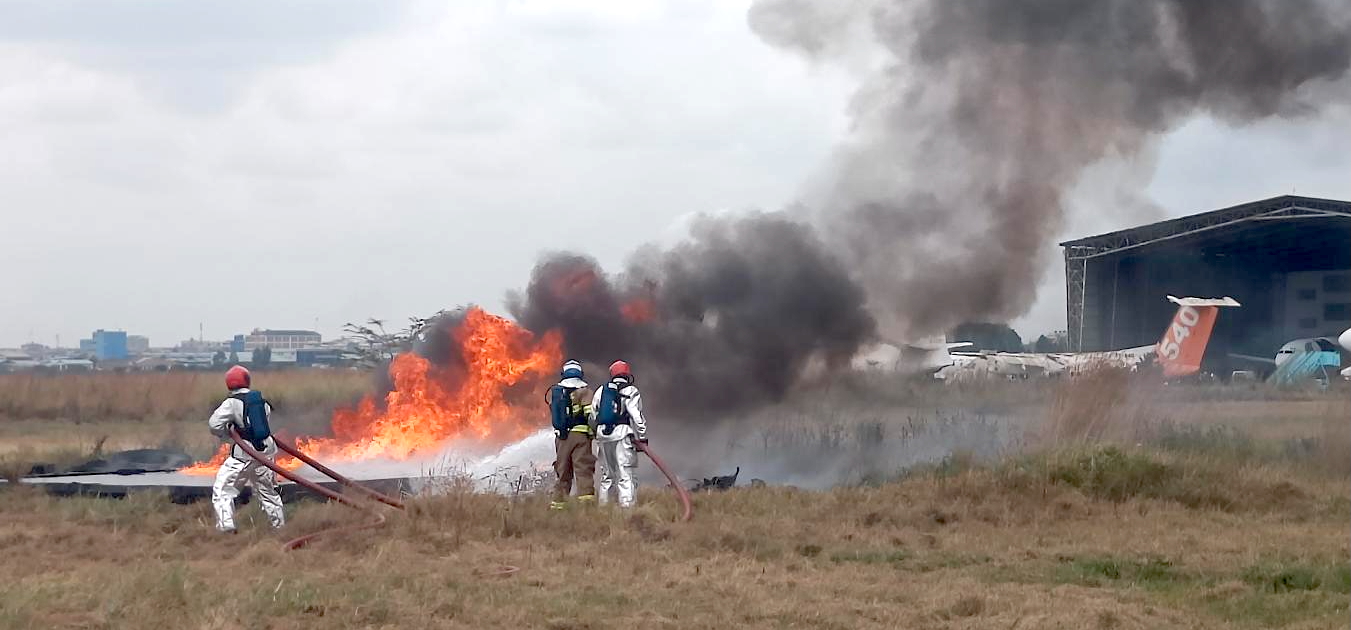
Every year, airports around the world release fluorinated firefighting foams during training exercises and emergency responses. These foams contain PFAS—per- and polyfluoroalkyl substances — a group of chemicals so resistant to environmental breakdown that scientists call them "forever chemicals." Once released, PFAS can persist in soil and water for decades, accumulating in ecosystems and human bodies, and have been linked to serious health and environmental risks.
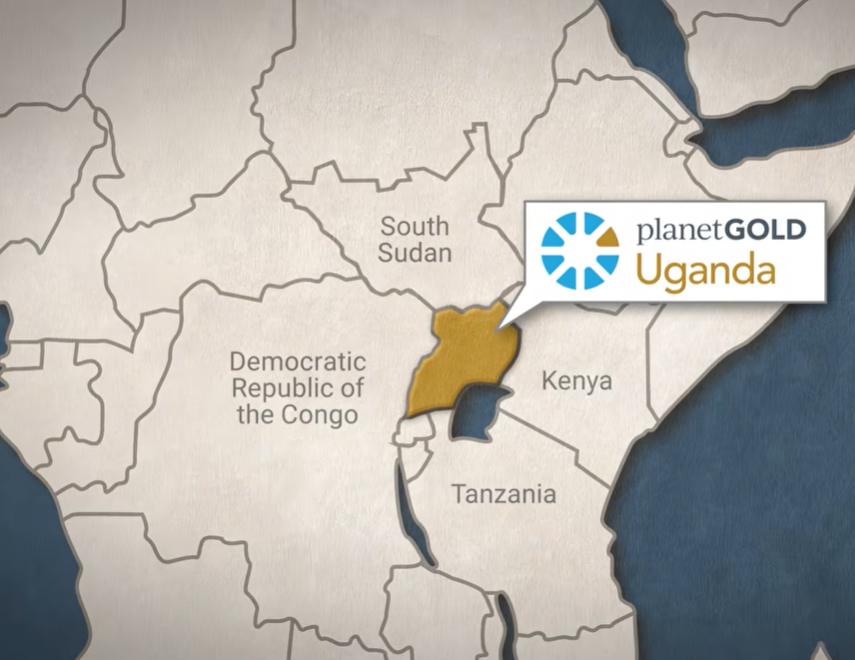
In Uganda, women miners partnering with the planetGOLD project are demonstrating how inclusive leadership, formalization initiatives and responsible gold mining practices can strengthen livelihoods while protecting local communities and the environment for generations to come.
Meet 3 women miners who are marking out a new path toward responsible, mercury-free artisanal and small-scale gold mining.
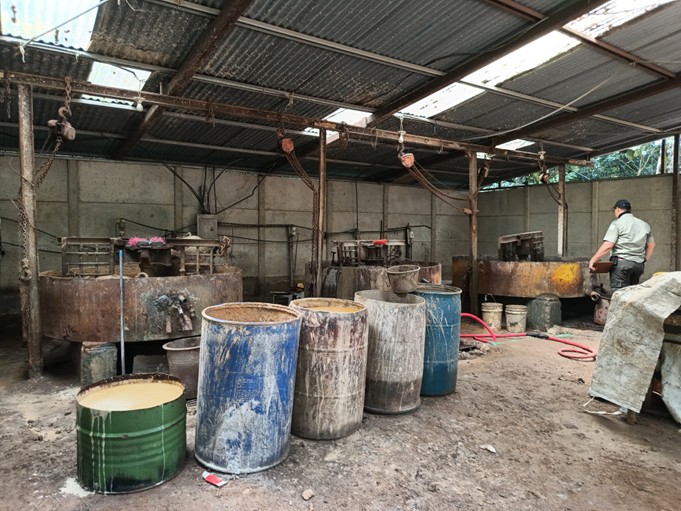
Costa Rica is stepping up efforts to tackle mercury pollution in artisanal and small-scale gold mining through the launch of the US$ 41.5 million planetGOLD Costa Rica, a five-year initiative funded by the Global Environment Facility (GEF). Implemented by the United Nations Environment Programme (UNEP), the project is led nationally by the Ministry of Environment and Energy (MINAE), together with the Alliance for Responsible Mining (ARM).
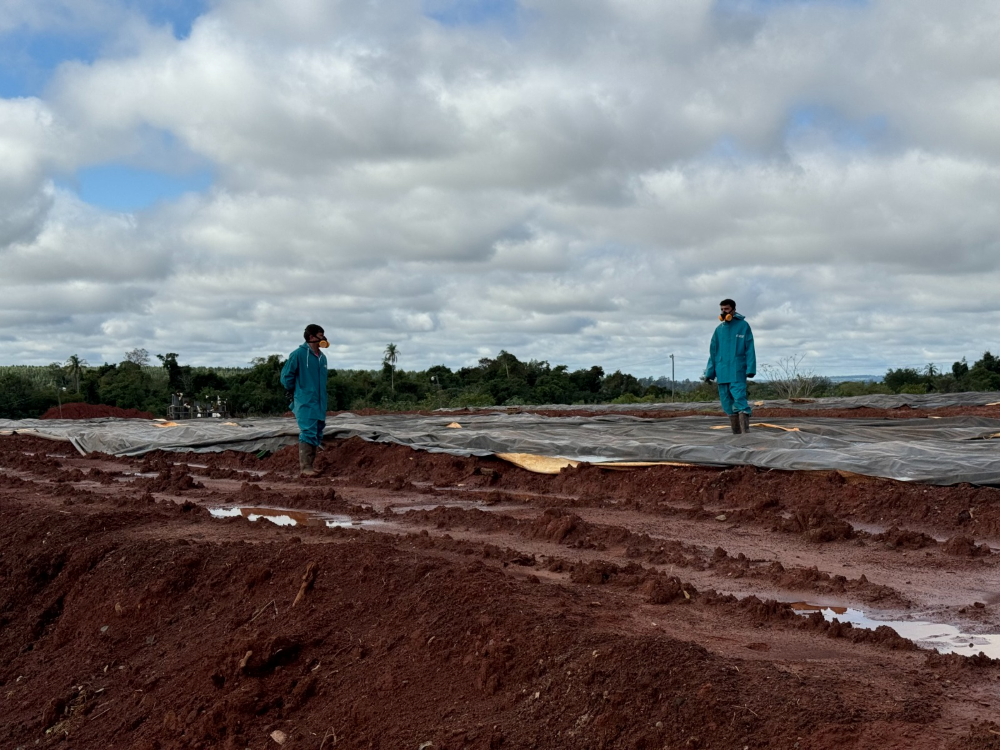
On February 12 the Government of Paraguay officially launched the planetGOLD Paraguay project, a US$ 28 million initiative funded by the Global Environment Facility. The project aims to reduce mercury use while promoting responsible practices in artisanal and small-scale gold mining, with a focus on protecting human health and the environment.

The Financing Agrochemical Reduction and Management (FARM) Programme has launched its new website, providing a central platform to support the transition towards more sustainable agrifood systems.
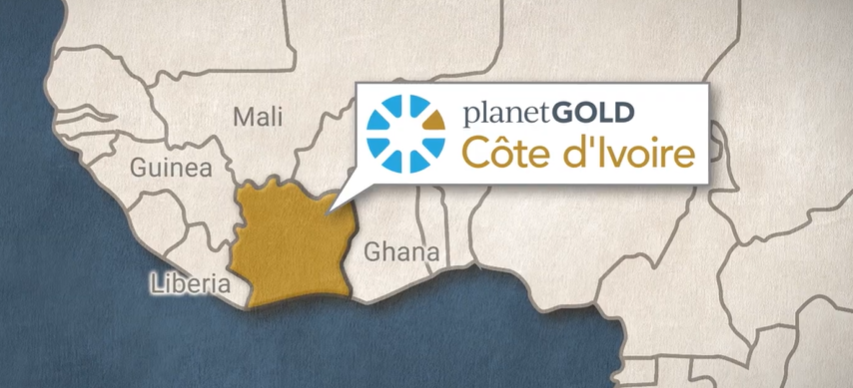
The number of artisanal and small-scale gold miners in Côte d'Ivoire has steadily grown for the past two decades, with national reports estimating at least 500,000 people work in this sector. Although mercury use is common in these operations and many face barriers to operating formally, the planetGOLD project is working to help overcome these challenges and bring artisanal miners into the formal economy.
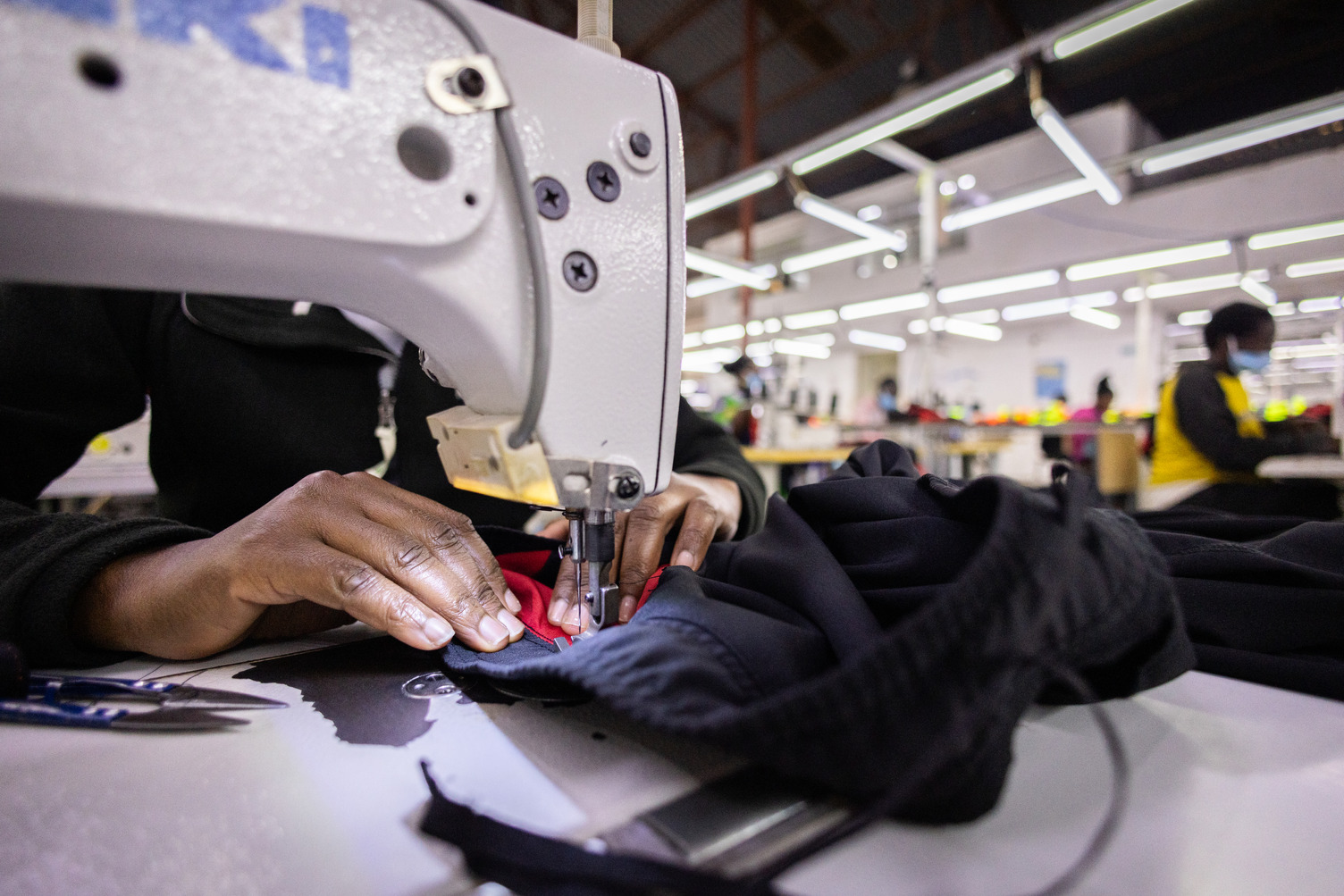
Phnom Penh, 20 January 2026: The Ministry of Environment of the Kingdom of Cambodia, in partnership with the United Nations Development Programme (UNDP) in Cambodia and the United Nations Environment Programme (UNEP), today officially launched the “Eliminating Hazardous Chemicals from Supply Chains Integrated Programme in Cambodia,” a Global Environment Facility (GEF)–funded initiative to phase out hazardous chemicals and accelerate the country’s shift toward circular, green supply chains.
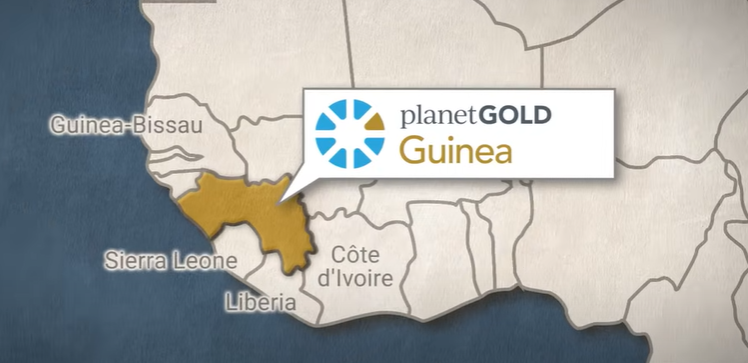
In Guinea more than 300,000 people depend on artisanal and small-scale gold mining for their livelihoods. But due to limited economic opportunities or a lack of awareness, many miners use mercury, a toxic metal, to extract the gold. Since the planetGOLD Guinea project launched in 2023, the team has conducted several awareness and capacity building training sessions in communities across the country, reaching more than 3,200 people.

Zimbabwe’s artisanal and small-scale gold mining (ASGM) sector plays a central role in the national economy, contributing over 65% of gold production and supporting an estimated 500,000 miners. However, the sector remains largely informal and heavily reliant on mercury for gold extraction—posing serious risks to human health, the environment, and long-term sustainability.
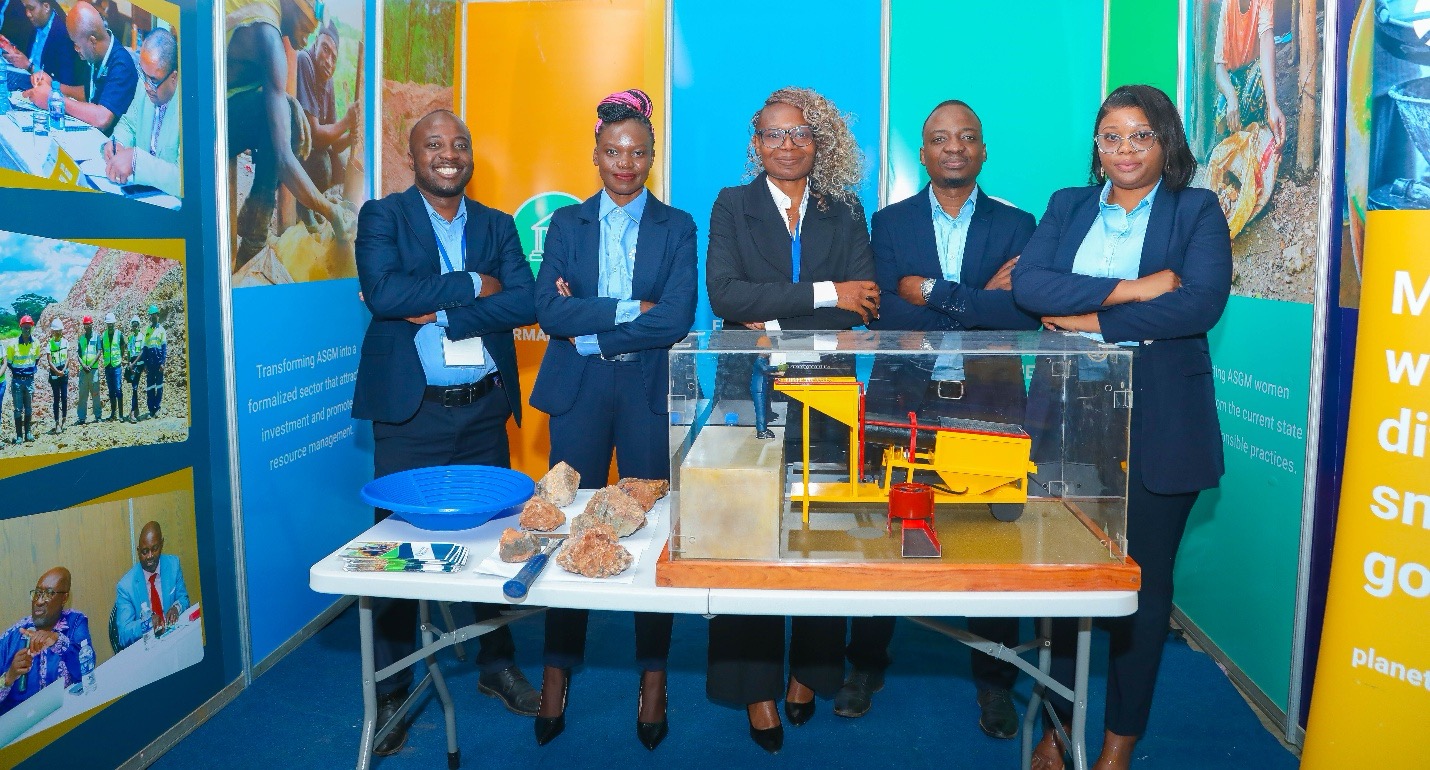
Artisanal and small-scale gold mining (ASGM) is an important source of livelihood for more than 30,000 Zambians, yet the sector is largely informal and heavily reliant on mercury—a toxic substance with significant health and environmental risks. To address these challenges, the planetGOLD Zambia project is working to transform the sector by reducing mercury use, promoting formalization, and improving access to finance and cleaner technologies.

Geneva, 12 May 2025 – Over 50 representatives from Small Island Developing States (SIDS) are gathering at the Palais des Nations in Geneva for the first in-person ISLANDS Forum to strengthen sound management of chemicals and waste in these uniquely vulnerable nations.

The first-ever formal loan program for artisanal miners in #BurkinaFaso 🇧🇫 launched earlier this year through a collaboration between the planetGOLD project and

Women make up 30% of the global artisanal and small-scale gold mining workforce, and they have critical roles to play in the movement to #MakeMercuryHistory & to safeguard communities from unsafe mining practices. Projects in the planetGOLD programme promote the participation and advancement of women who choose to work in this mining sector in order to provide for themselves and their families.

In San Ramón, Bolivia - an area known for its biodiversity and tropical climate - the planetGOLD project is partnering with women miners to provide training in gastronomy, helping them to incorporate cooking businesses as an alternative source of income for themselves and their families. The course is grounded in the Manq'a approach of using locally sourced ingredients.

Monterrey, 20 November 2024.- Mexico's Secretariat of Environment and Natural Resources (SEMARNAT) is joining forces with the United Nations Environment Programme (UNEP), the United Nations Industrial Development Organization (UNIDO), the Global Environment Facility (GEF) and other partners in a new project to eliminate the use of mercury in the chloralkali sector to protect human health and the environment while promoting sustainable industrial practices.

The ISLANDS Programme has launched a new app to turn the tide on plastic pollution
Plastic waste harms human health and the environment, releasing toxic persistent organic pollutants if improperly managed
The Tide Turners app will equip over 100,000 young people around the world with youth-focused community-based solutions to stop plastic waste

Senegal, Thailand and Uruguay have joined forces to reduce the environmental and health impacts of the dental industry
Mercury is a key component of dental amalgam, posing significant risks to human and environmental health when improperly handled and disposed of
$13-million initiative will support a holistic approach to accelerate the phase down of dental amalgam use and improve the disposal of mercury-containing waste

In 2020, nearly half of the world's population was at risk of malaria.
The disease is preventable and curable. However, in areas with limited vector control, the risk remains significant.
Ahead of World Malaria Day, we sat down with Jitendra Sharma from the United Nations Environment Programme’s (UNEP) Chemicals and Waste Unit to discuss how UNEP is helping countries tackle the disease.
Malaria is typically understood as a public health issue. How does it fall under your remit?

Côte d'Ivoire acts to reduce mercury pollution from its artisanal gold mining sector
Over half a ton of mercury is used by Côte d'Ivoire’s miners annually
$17-million initiative will support access to markets, finance and the uptake of mercury-free technologies by miners
Abidjan, 25th April 2023 – The Ivorian Government has taken decisive action to protect the nation’s health and environment today, launching a $17-million project to reduce the use of mercury in its artisanal gold mining sector.

What does financing have to do with the push to #MakeMercuryHistory in artisanal & small-scale gold mining?
Unlocking capital from formal financial institutions like commercial banks and microfinance institutions is critically needed in order for artisanal and small-scale miners to make the transition to responsible, #mercuryfree mining.

Kampala, November 23, 2022 – A new project launched today in Kampala by national authorities and international organizations aims to advance more responsible artisanal gold mining sector across the country.

The Republic of the Congo moves to reduce mercury pollution from its artisanal and small-scale gold mining sector
$10.5-million initiative will promote technical solutions, access to markets and finance for artisanal gold miners
Mercury pollution poses significant risks to human and environmental health
Brazzaville, 11 October 2022 – The Republic of the Congo has taken an important step towards a sustainable mining sector today, with the launch of a $10.5-million project to reduce the use of mercury by the nation’s artisanal miners.

Miguel Van Der Velden explores how tourism operators can spark sustainable innovation - including in sound chemicals and waste management - worldwide.
If there is one scene that exemplifies the last half century in human societal development better than any other, it might well be holiday-goers on a white sandy beach. In the background, a sprawling resort rises like a palace. Palm trees sway in the wind, while children play in the azure waters.

Pacific countries made major strides towards realising the vision of the Cleaner Pacific 2025 today, with the launch of ISLANDS Pacific – a 14-nation initiative aiming to avoid the release of 28,000 tonnes of marine litter, safely dispose of 720 tonnes of contaminated material, and reduce the burden of persistent organic pollutants (POPs) and mercury in island communities.
Showing 1 - 24 of 24
The Global Environment Facility (GEF) includes several multilateral funds working together to address the planet's most pressing challenges in an integrated way. Over the past three decades, the GEF has provided more than $26 billion in financing, primarily as grants, and mobilized another $148 billion for country-driven priority projects.