
Warning message
Unable to retrieve at this time, please check again later.News
Region: Asia and the Pacific
Showing 1 - 25 of 27
27 results found
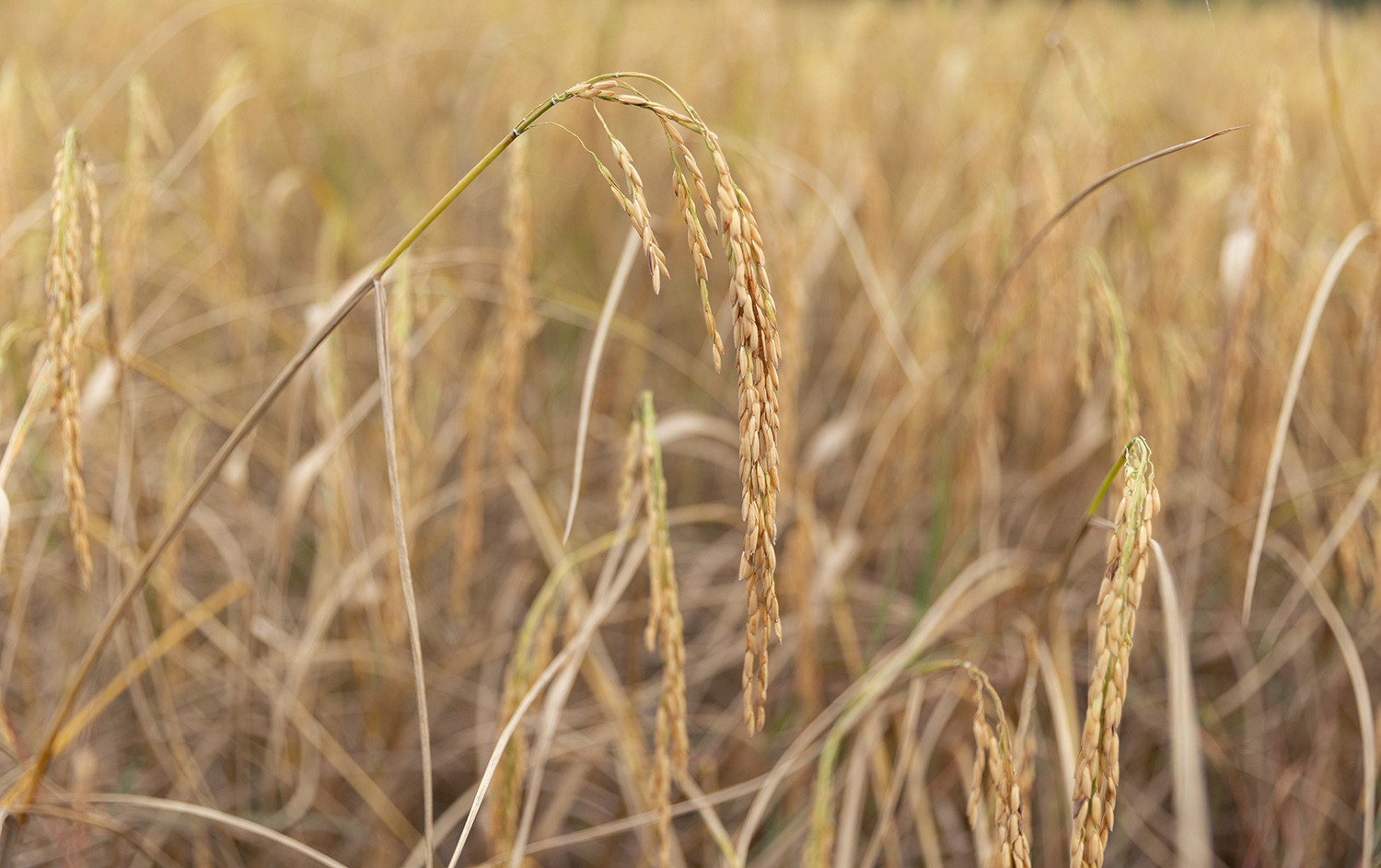
“When new farmers come and see the soil is improving, and costs go down and yields go up, they want to join us,” said Thanu Thanakhet, a farmer in Thailand’s largest rice-producing province, Ubon Ratchathani. “Seeing is believing.”
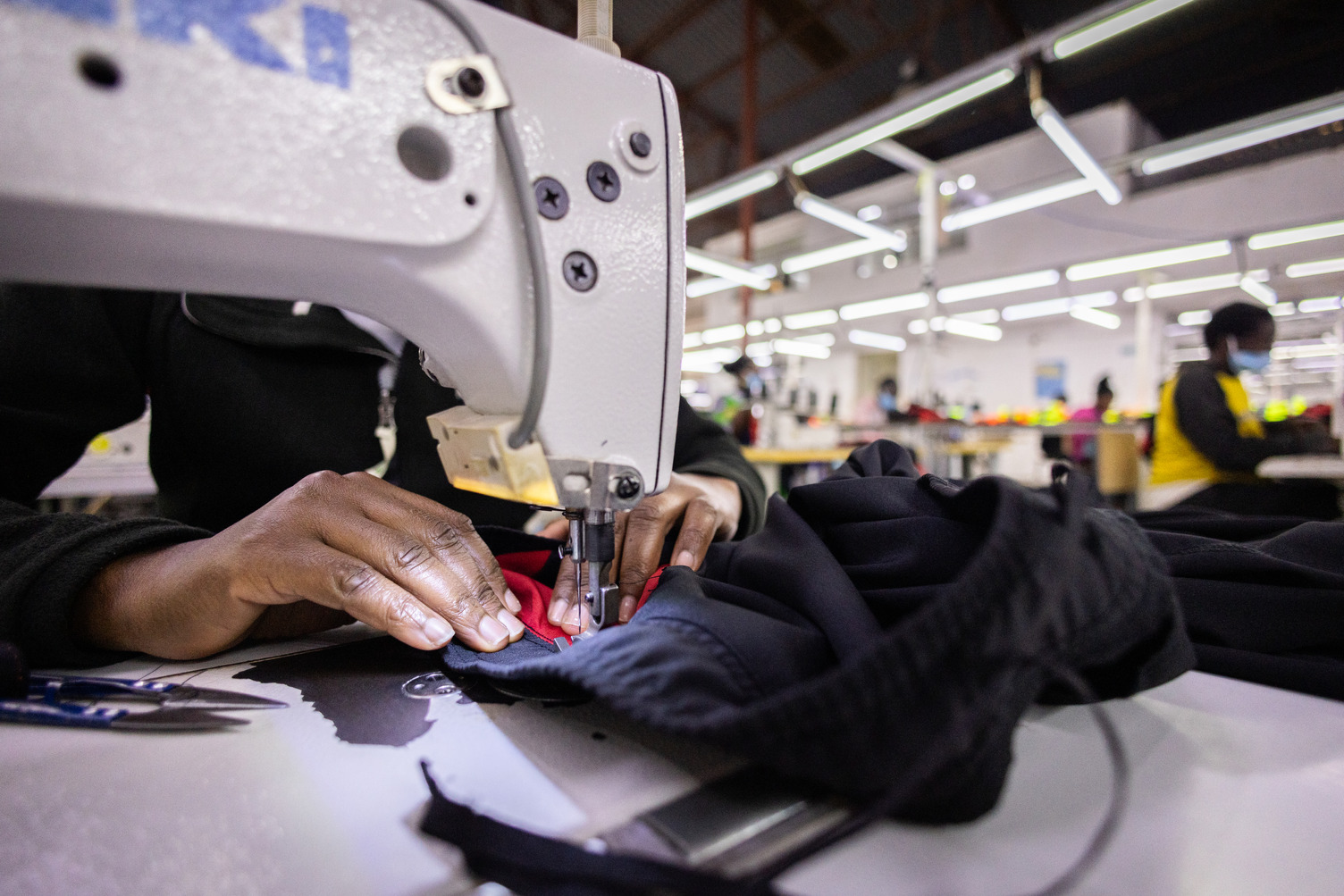
Phnom Penh, 20 January 2026: The Ministry of Environment of the Kingdom of Cambodia, in partnership with the United Nations Development Programme (UNDP) in Cambodia and the United Nations Environment Programme (UNEP), today officially launched the “Eliminating Hazardous Chemicals from Supply Chains Integrated Programme in Cambodia,” a Global Environment Facility (GEF)–funded initiative to phase out hazardous chemicals and accelerate the country’s shift toward circular, green supply chains.
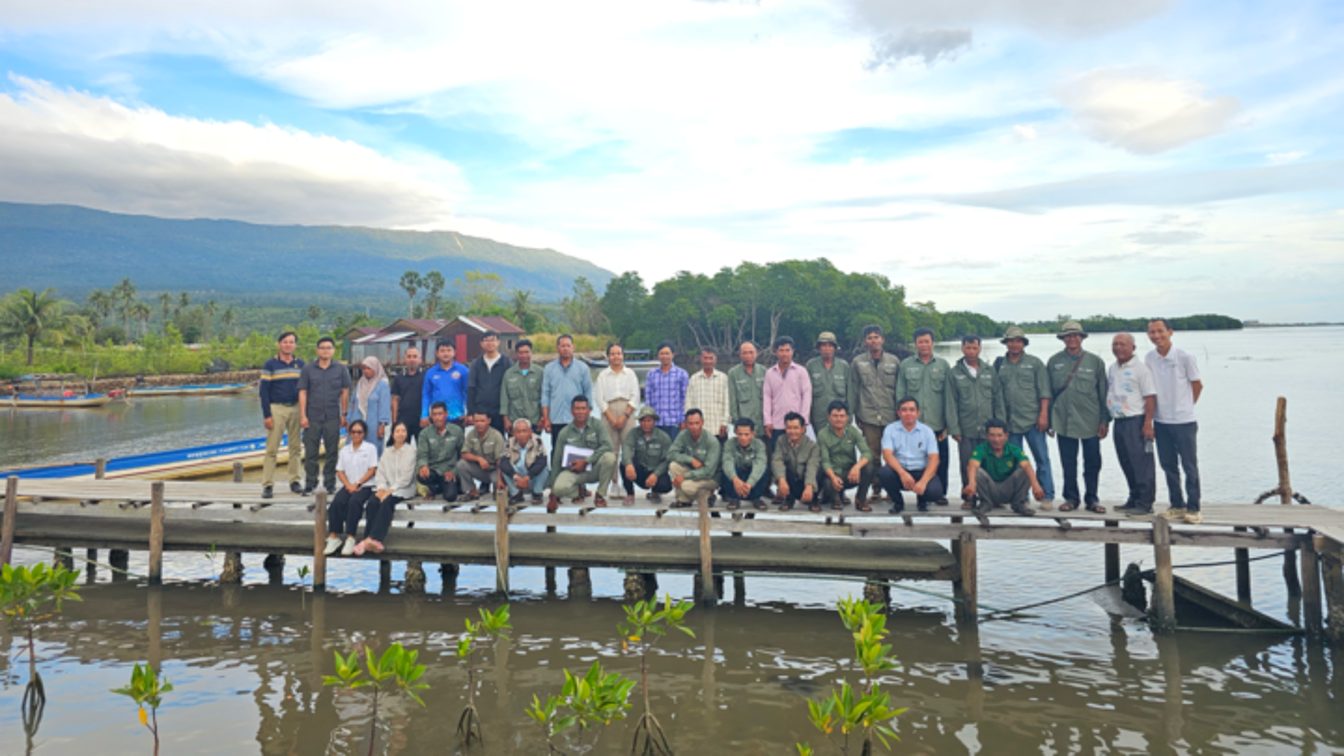
Coastal communities in southern Cambodia are strengthening their resilience to climate impacts through innovative, science-based aquaculture solutions supported by the UNEP-implemented, GEF-funded Natural Infrastructure (NI) Cambodia project. As shifting environmental conditions challenge traditional livelihoods, the project is helping local fishery communities diversify income sources while safeguarding the health of vital mangrove ecosystems.

Bangkok, 7 November 2025 – Seven community-based organisations across the East Asian Seas have been awarded a total of USD 350,000 through the SEA Grants program to protect and conserve marine and coastal ecosystems in the South China Sea and Gulf of Thailand.
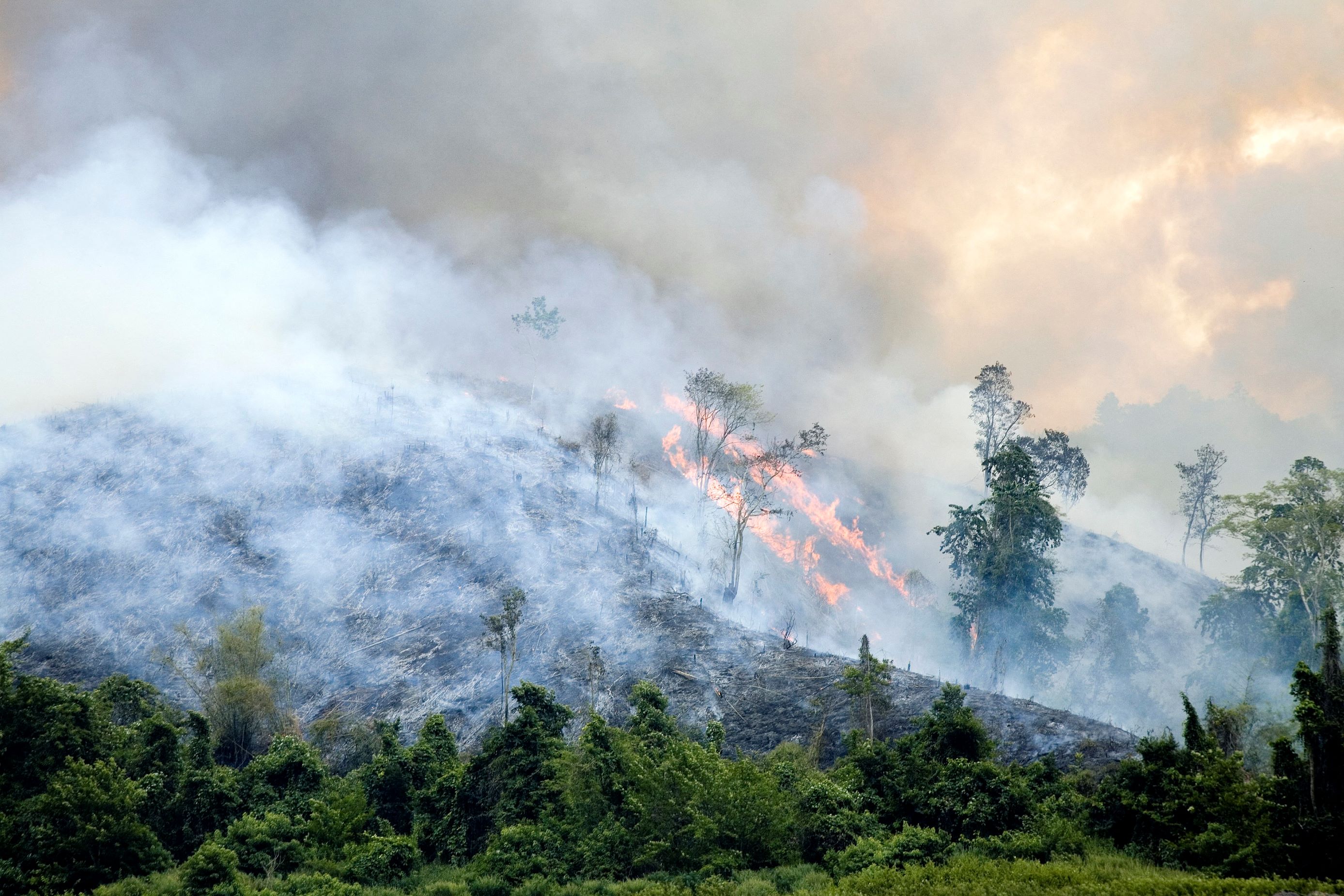
From March to May each year, dark smoke laden with harmful particulate matter and carbon dioxide drifts across the mountain forests of the Lao People's Democratic Republic (Lao PDR) as frantic villagers try to beat back the flames tearing through the trees.

ULAANBAATAR, MONGOLIA – After six years, the planetGOLD Mongolia project officially concludes, marking a significant milestone in eliminating mercury use in Mongolia’s artisanal and small-scale gold mining (ASGM) sector.
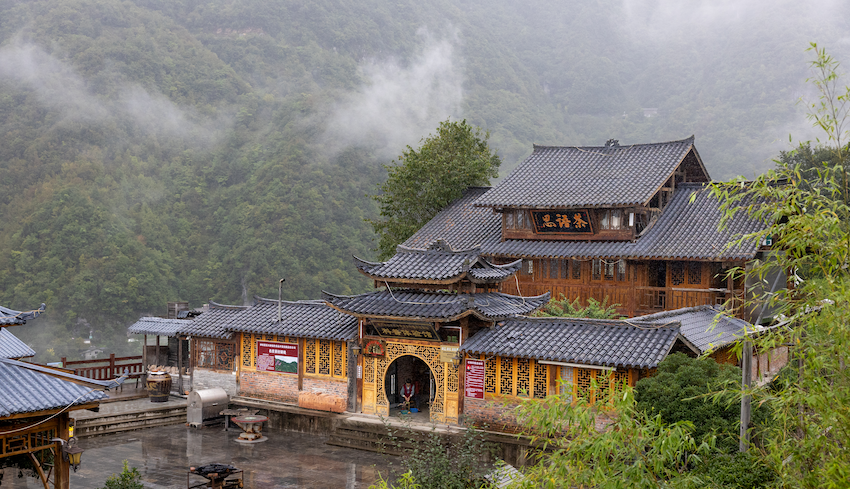
Nestled in the heart of Hubei Province, China’s Shennongjia National Park has become a beacon of hope for conservationists, nature lovers and those dedicated to restoring the delicate balance of ecosystems.

In the Philippines municipality of Paracale, over half of the population is involved in artisanal and small-scale gold mining, either as workers, financiers, processors, or gold panners. Many operations use the toxic chemical mercury to extract their gold and use outdated equipment--but this site is home to a brand new mercury-free processing system thanks to the planetGOLD Philippines project. This upgraded facility eliminates harmful emissions of mercury while also supporting livelihoods by enabling miners to recover more gold than before when they were using mercury.
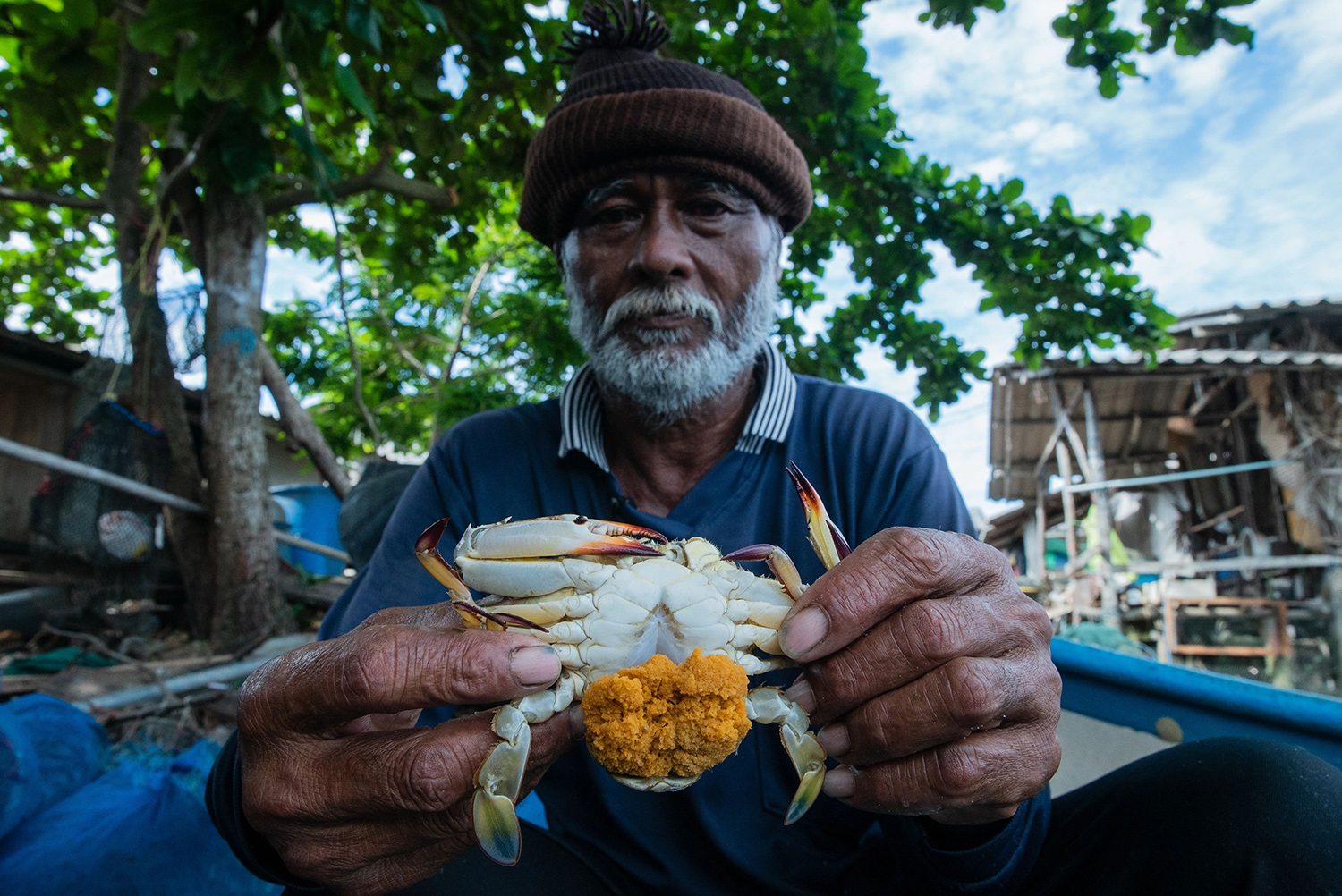
Floating through the crystal-clear waters off the east coast of Thailand, fisher Sutham Hemmanee spots a large female crab amidst the morning’s haul, its underside swollen with the promise of offspring.

Sitting at the base of Islamabad’s Margalla Hills is the Raziuddin Siddiqi Memorial Library, a four-storey building packed with more than 2 million books, CDs and DVDs.
Along with being one of Pakistan’s largest libraries, Raziuddin Siddiqi is unique for another reason: on entering the building one won’t hear the tell-tale flicker of fluorescent lights.

The Pacific Islands are hard-hit by the economic, social, and environmental costs of climate change. Despite the region’s less than 0.02 per cent contribution to the world’s total greenhouse gas emissions, Pacific Island countries are at the frontline of the triple planetary crisis of climate change, biodiversity loss and pollution.
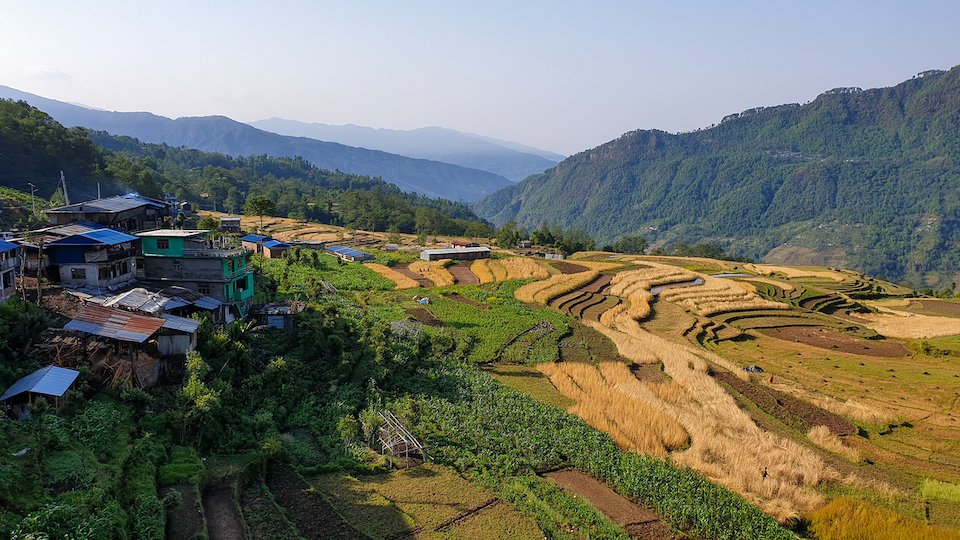
The monsoon season, which runs from June through September, has become a nervous time for the people of Nepal.
The climate crisis has supercharged the fallout from the annual rains, which are triggering an increasing number of floods and landslides, disasters that are especially devastating in a nation defined by its vertigo-inducing slopes.

International Women's Day, celebrated annually on March 8th, is a day dedicated to recognizing the social, economic, cultural, and political achievements of women around the world. It is also a time to raise awareness about women's ongoing struggles and inequalities and to renew the call for gender equality and women's rights.
This day has been observed since the early 1900s and continues to be a powerful symbol of the progress that has been made and the work that still needs to be done to create a more just and equal world for all women.

Puipaa, Samoa, 08 November 2022: The International Coastal C

Bangladesh, Indonesia, Pakistan and Viet Nam have united to reduce pollution from the textile sector
$43-million initiative will support businesses to manage risks to workers and eliminate the most toxic chemicals from their production processes
Hazardous chemicals used in textile production pose significant risks to human health and the environment
Islamabad, 14 October

Ancient forests. Snow-capped mountain peaks. And towering waterfalls cascading down rocky slopes. China’s Shennongjia National Park is the stuff of legends, providing inspiration to thousands of years of Chinese poets, artists and authors.
It’s also home to one of the world’s most elusive primates, the endangered golden snub-nosed monkey, who spends winters in large groups of mostly males deep in the mountain forests of Asia.

Pacific countries made major strides towards realising the vision of the Cleaner Pacific 2025 today, with the launch of ISLANDS Pacific – a 14-nation initiative aiming to avoid the release of 28,000 tonnes of marine litter, safely dispose of 720 tonnes of contaminated material, and reduce the burden of persistent organic pollutants (POPs) and mercury in island communities.
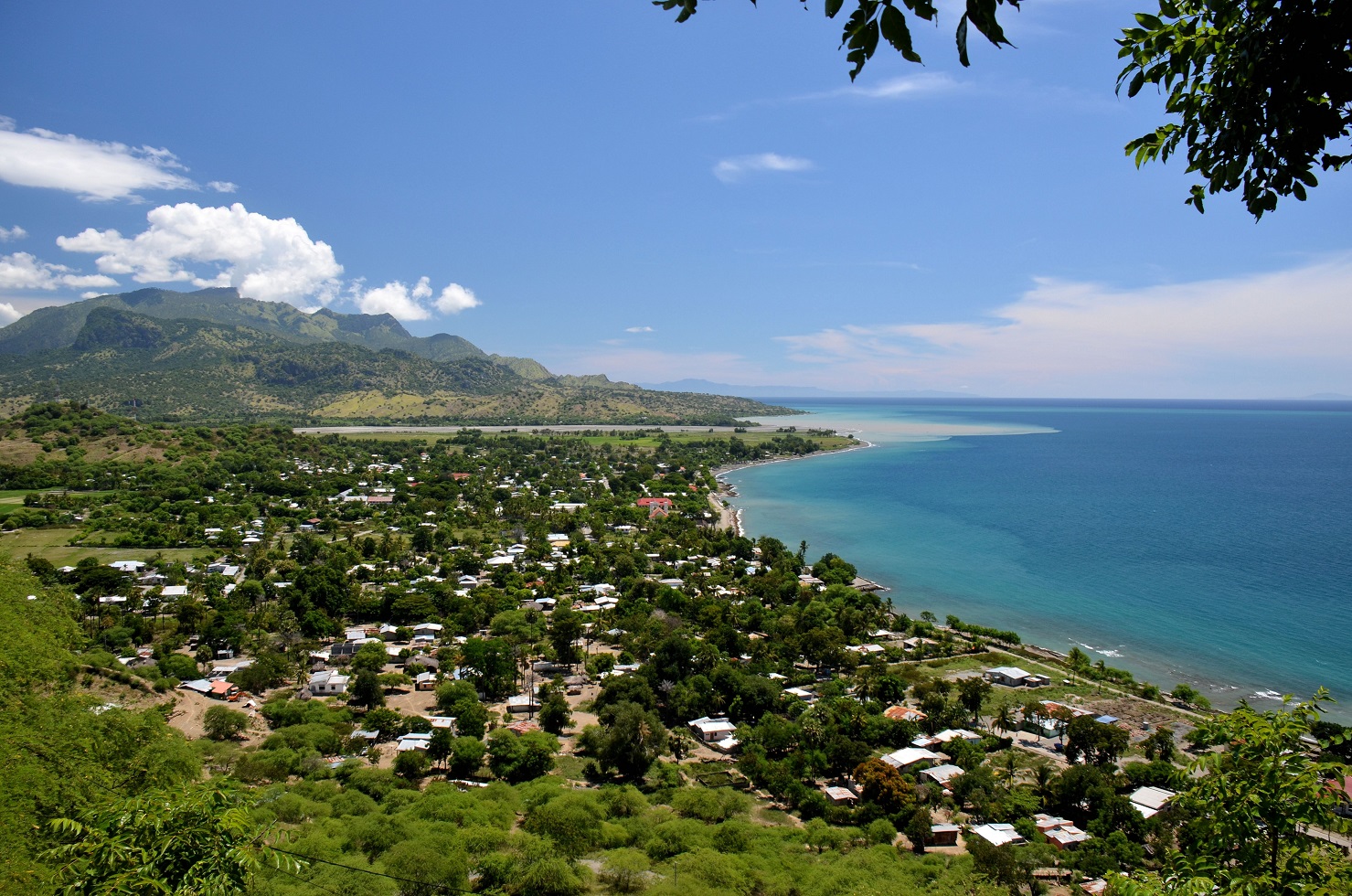
The Green Climate Fund has approved a USD 21.7 million project to support the establishment of end-to-end climate information services and multi-hazard early warning systems (MHEWS) in Timor-Leste
1.03 million people in Timor-Leste (80% of the population) are expected to directly benefit
Nairobi, 8 October 2021 – A major new project developed by the UN Environment Programme (UNEP) will a
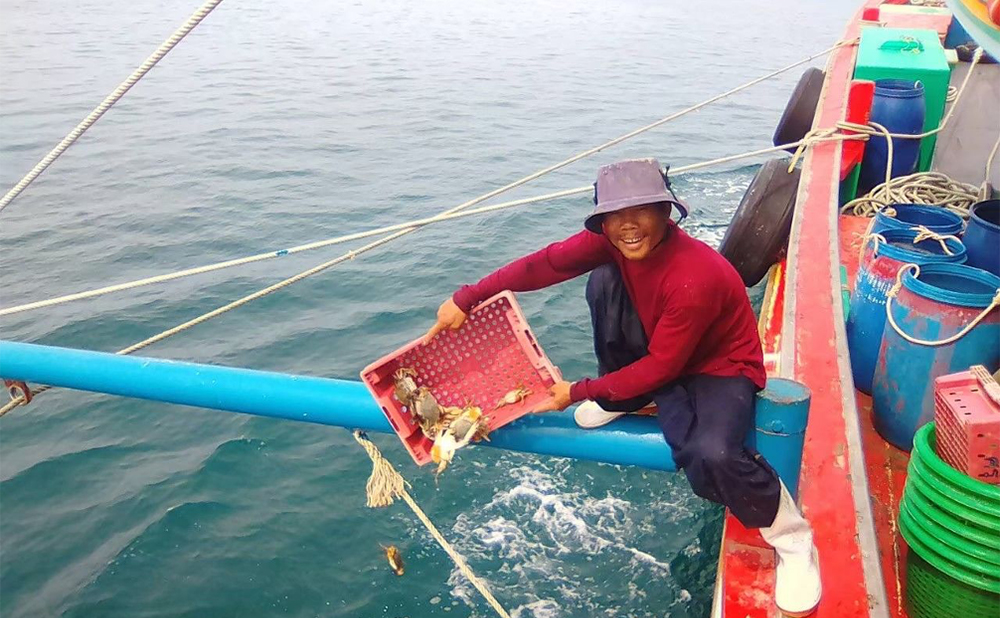
Fishing is big business in the South China Sea and Gulf of Thailand. The industry supports millions of people in the region and accounts for some 10 per cent of global fisheries production every year.
But the region’s success as a seafood exporter has come at a cost – the depletion of local fish stocks, environmental damage and, ultimately, a decline in food security and livelihood opportunities for local communities.
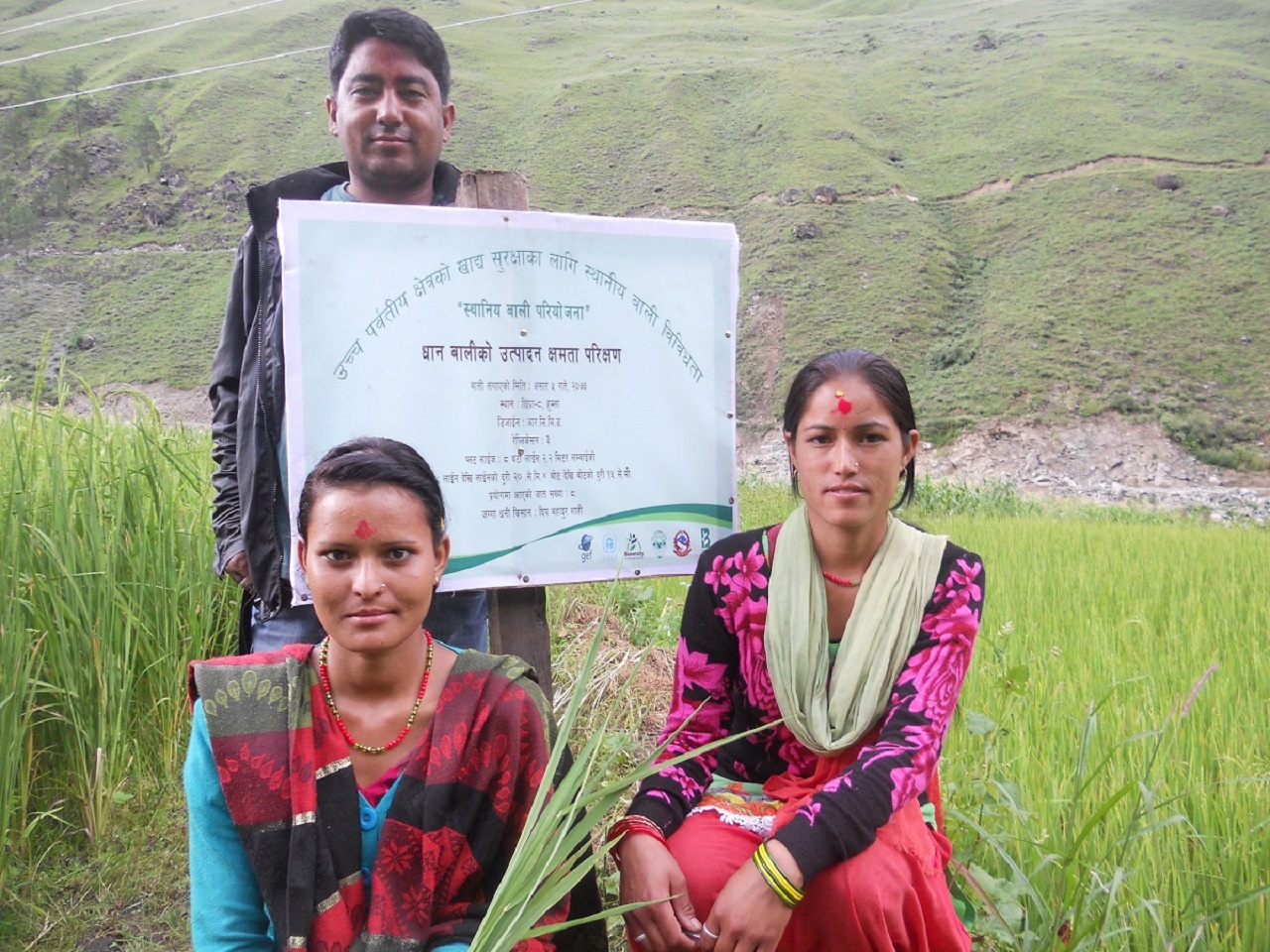
Remote mountainous regions of Nepal are harsh places in which to survive and make a living.
Economic, social and environmental challenges include lack of market access, outmigration, dependency on imports and subsidies, women’s drudgery, malnutrition, unpredictable weather, pests and diseases.
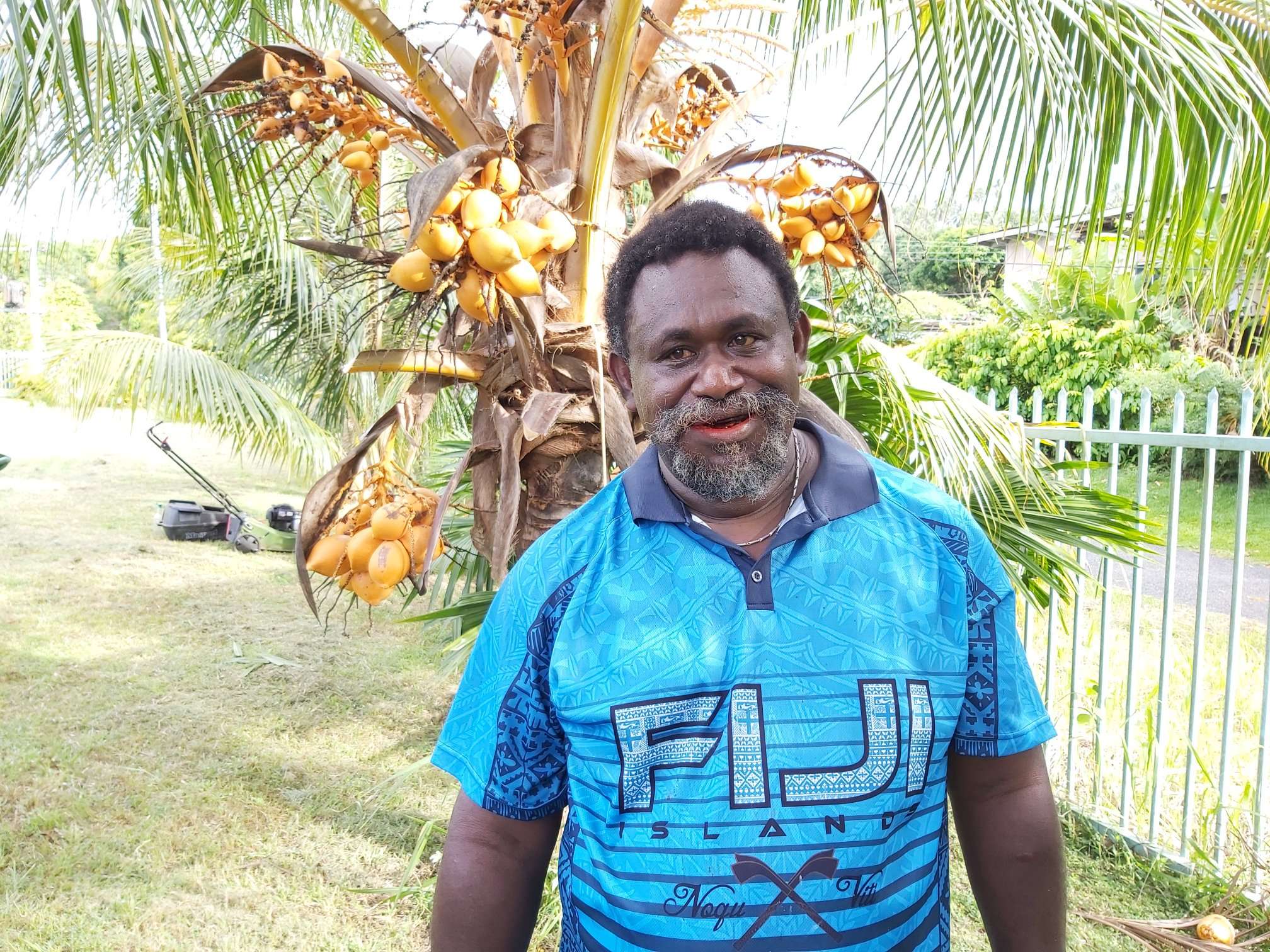
Joshua Wowo discovered and secured 1,400 boxes of DDT in Papua New Guinea’s East New Britain Province. Now he waits for the day when his township’s toxic timebomb will finally be defused.
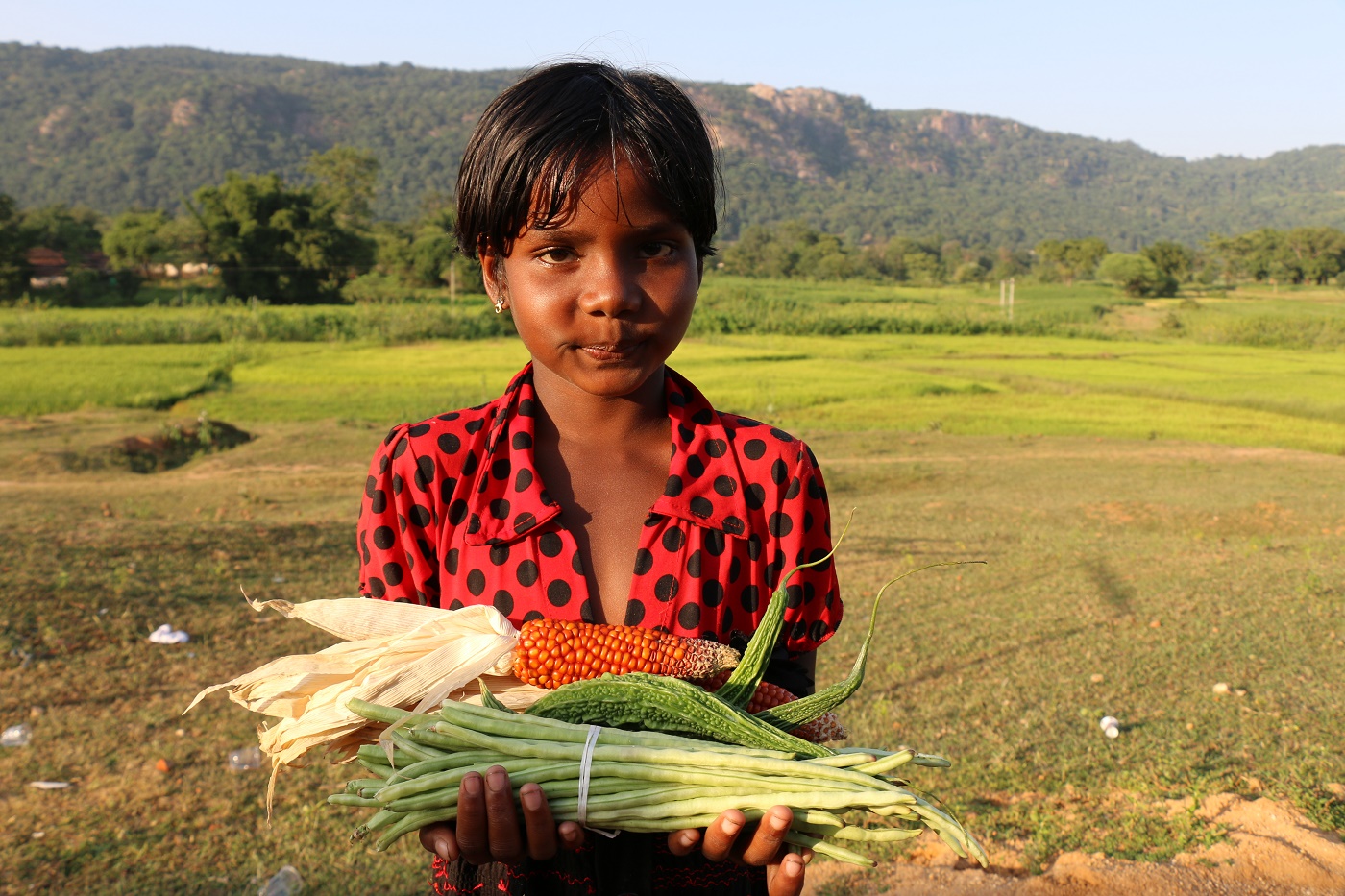
More than 90 per cent of rice is produced and consumed in Asia. Prior to the green revolution in the 1960s, India was home to more than 100,000 rice varieties, encompassing a stunning diversity in taste, nutrition, pest-resistance and, crucially in this age of cli
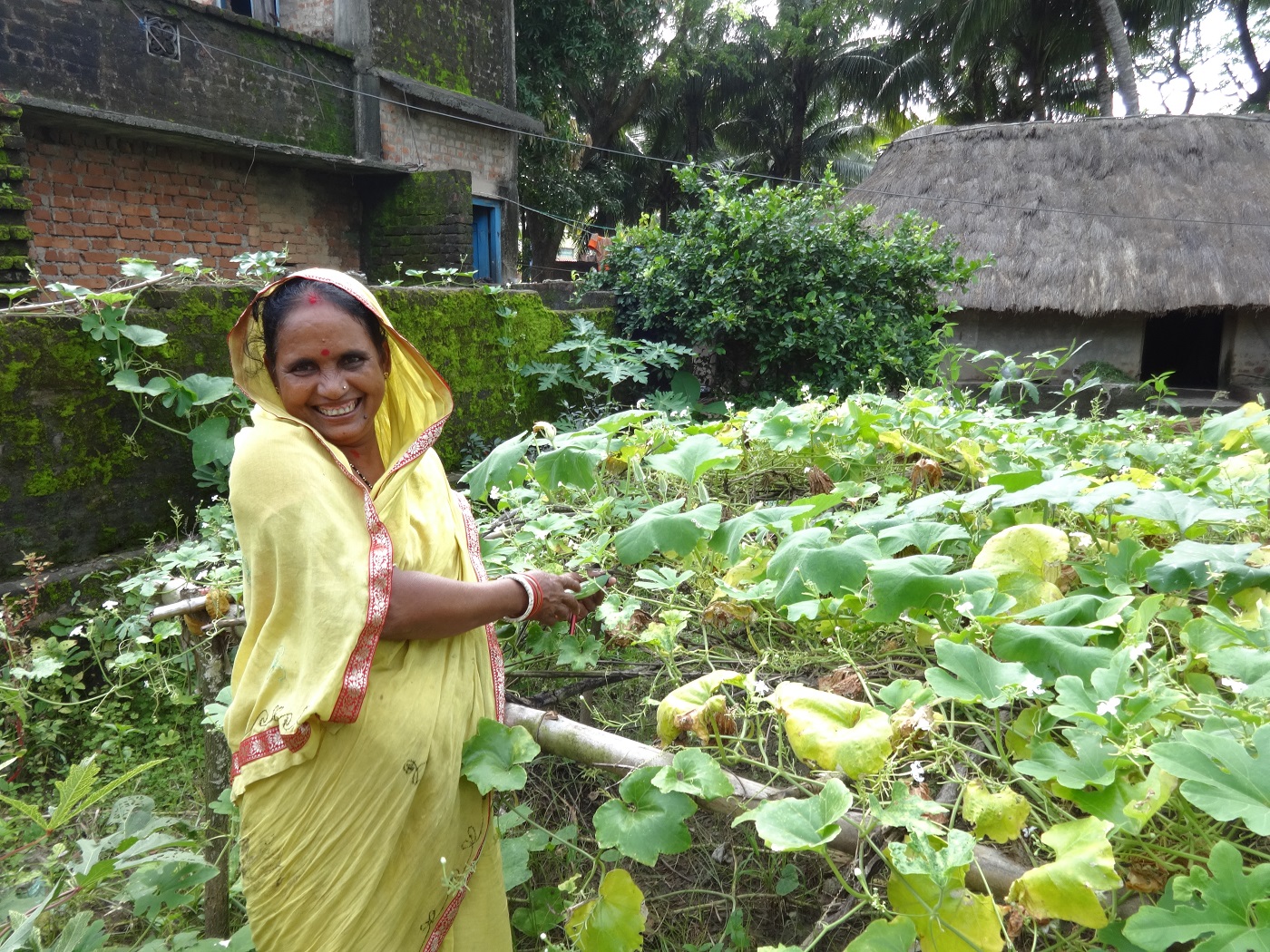
In some ways India could be considered test case for the rest of the world, as it works out how to feed its population of 1.3 billion people in a sustainable way. The challenge is to achieve this feat without degrading the land, soil and water resources, destroying the country’s rich diversity of flora and fauna, or causing serious smog in cities like Delhi.
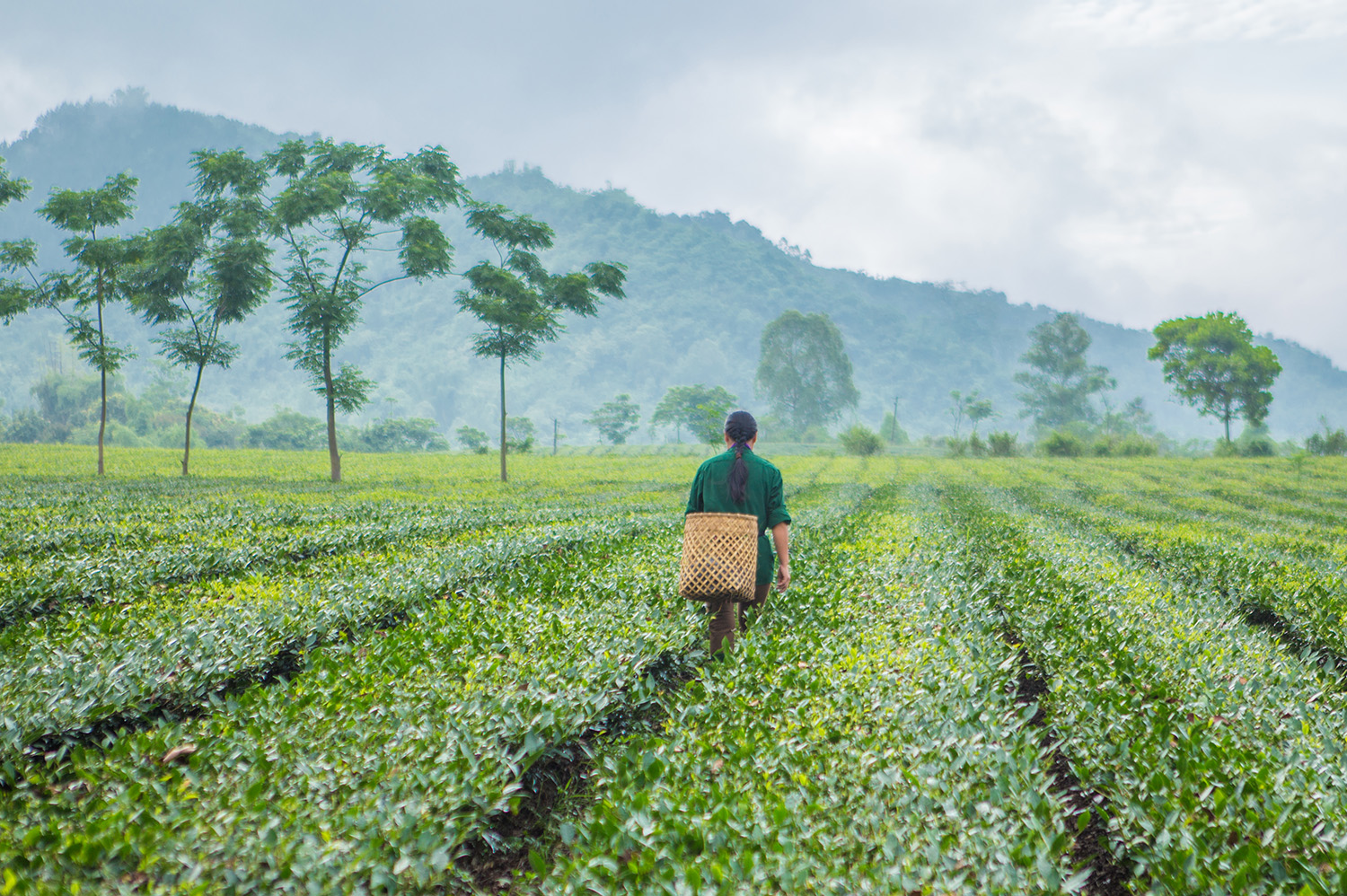
For Thanh, the six annual tea harvests form the rhythm of family life, having raised her two children among the waist-high tea bushes that carpet the steamy slopes near her home in northern Vietnam’s Yen Bai province.
Today, Thanh is proud of the thick, green leaves her tea bushes produce, stretching in straight rows across her two-hectare plantation. But it wasn’t always this way.
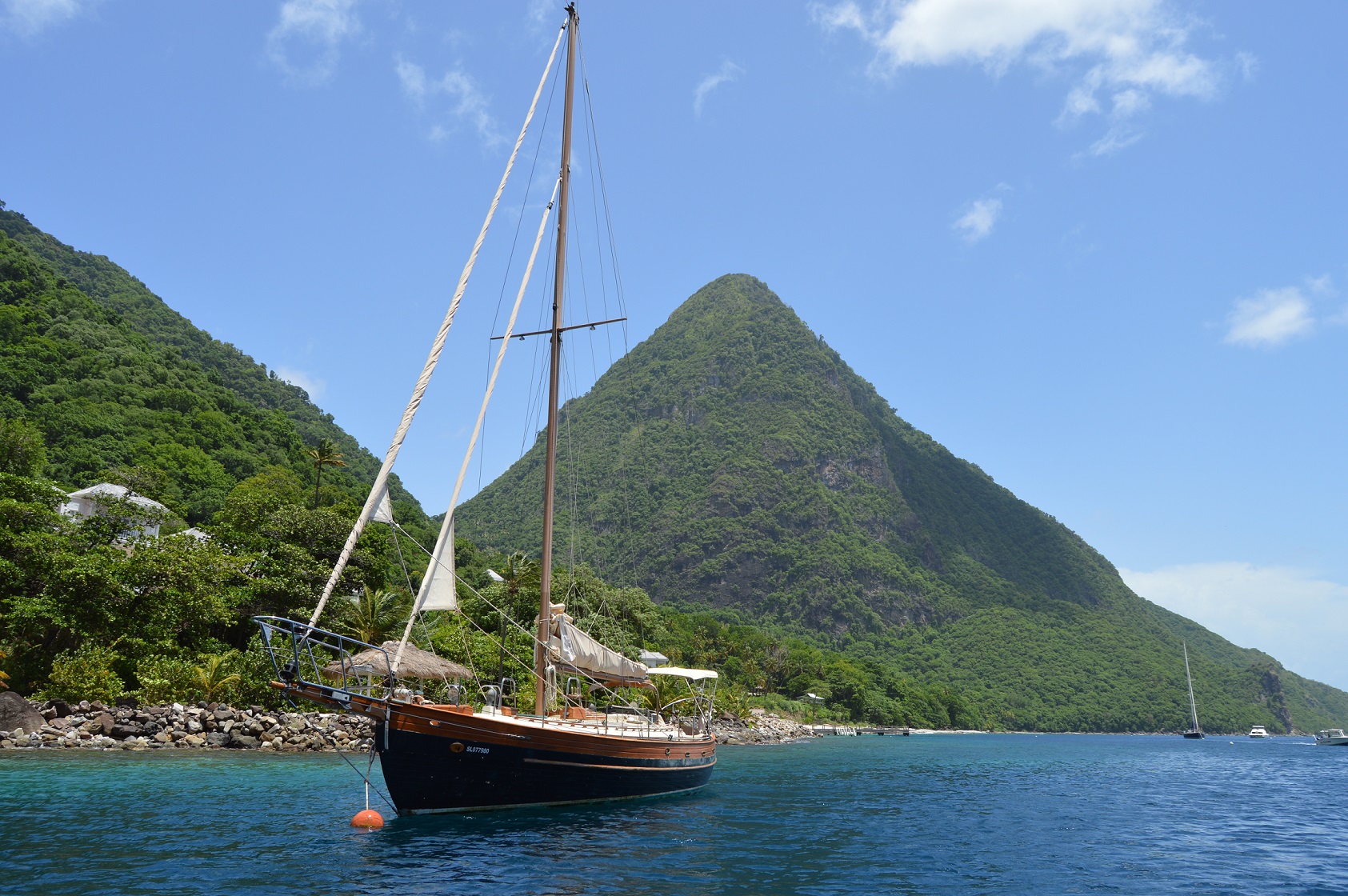
Twenty-seven Small Island Developing States have come together in a bid to manage and eliminate toxic chemicals and waste.
The initiative is backed by $450 million in funding from the Global Environment Facility (GEF) and partners.
Global program will prevent the release of over 23,000 metric tons of toxic chemicals and more than 185,000 metric tons of marine litter.
Showing 1 - 25 of 27

The Global Environment Facility (GEF) includes several multilateral funds working together to address the planet's most pressing challenges in an integrated way. Over the past three decades, the GEF has provided more than $26 billion in financing, primarily as grants, and mobilized another $148 billion for country-driven priority projects.