
News
Type: Technical Highlight
Showing 1 - 14 of 14
14 results found
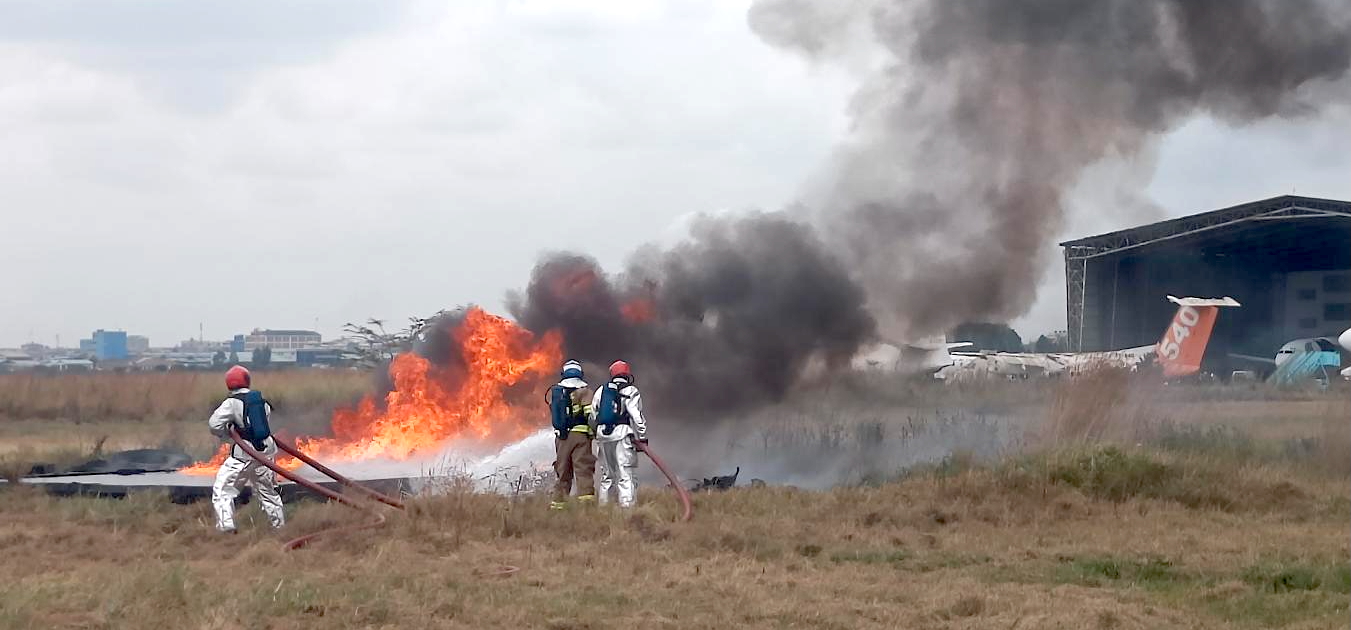
Every year, airports around the world release fluorinated firefighting foams during training exercises and emergency responses. These foams contain PFAS—per- and polyfluoroalkyl substances — a group of chemicals so resistant to environmental breakdown that scientists call them "forever chemicals." Once released, PFAS can persist in soil and water for decades, accumulating in ecosystems and human bodies, and have been linked to serious health and environmental risks.
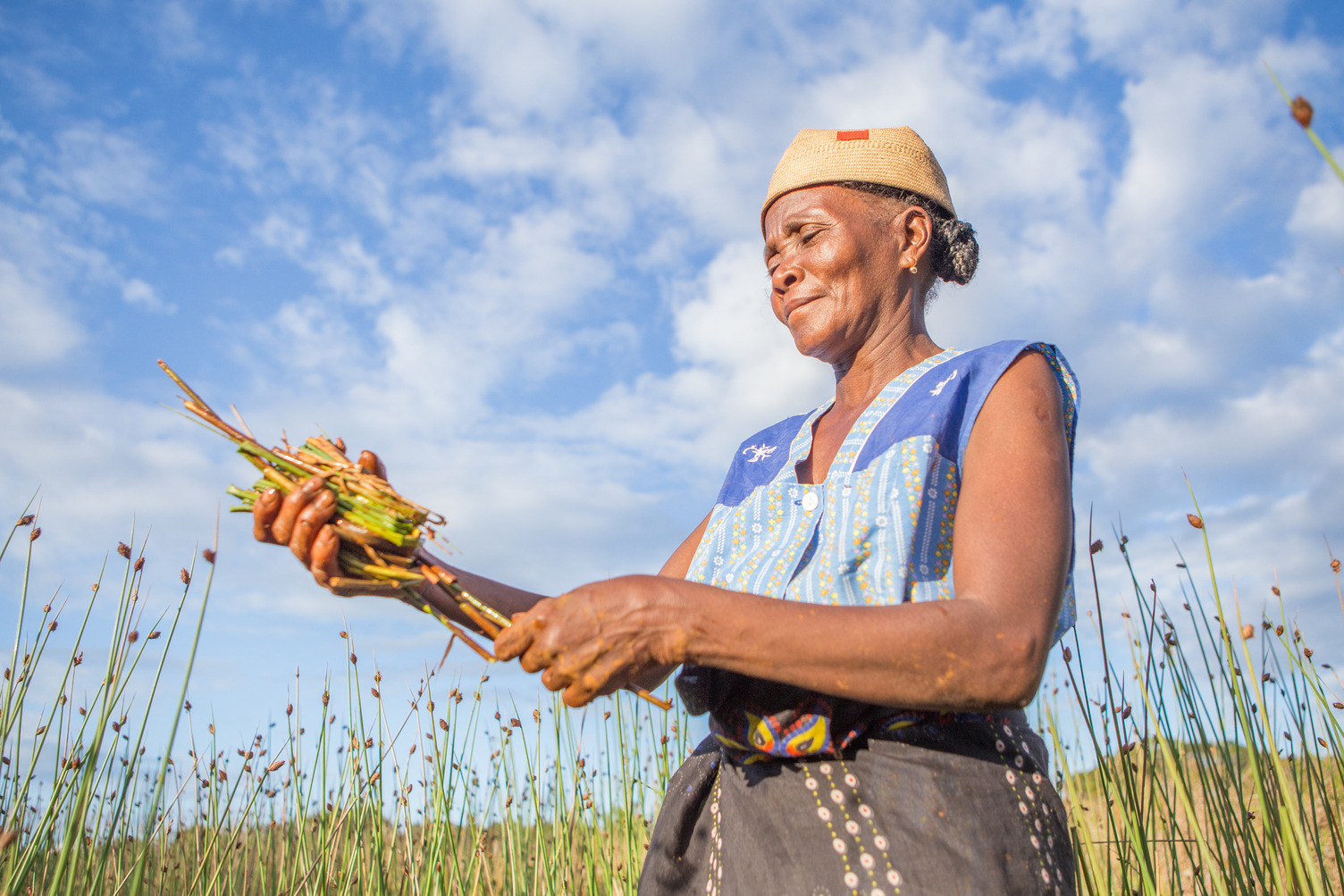
Together with the GEF, UNEP has helped prevent 77 million tonnes of greenhouse gas emissions, restored 6.5 million hectares of degraded land, and supported 70 countries in strengthening their chemicals and waste policies over the last eight years alone.

Thailand and the Maldives are strengthening efforts towards nutrient pollution under the Clean and Healthy Oceans Integrated Program (CHO-IP), a global initiative advancing ocean protection by addressing marine hypoxia and land-based ocean pollution.
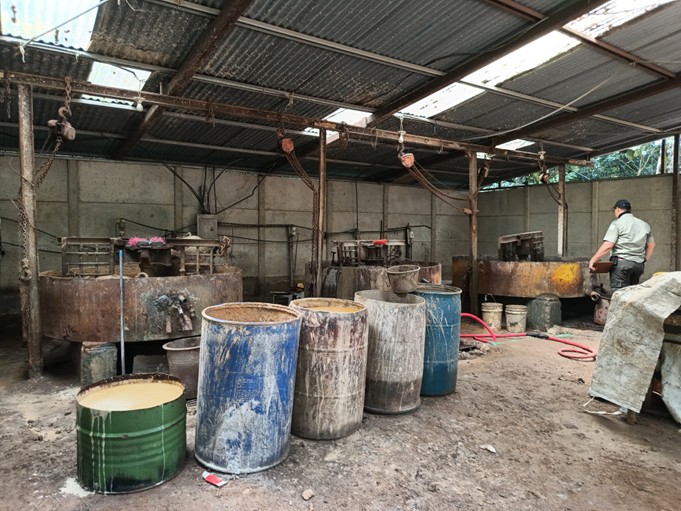
Costa Rica is stepping up efforts to tackle mercury pollution in artisanal and small-scale gold mining through the launch of the US$ 41.5 million planetGOLD Costa Rica, a five-year initiative funded by the Global Environment Facility (GEF). Implemented by the United Nations Environment Programme (UNEP), the project is led nationally by the Ministry of Environment and Energy (MINAE), together with the Alliance for Responsible Mining (ARM).
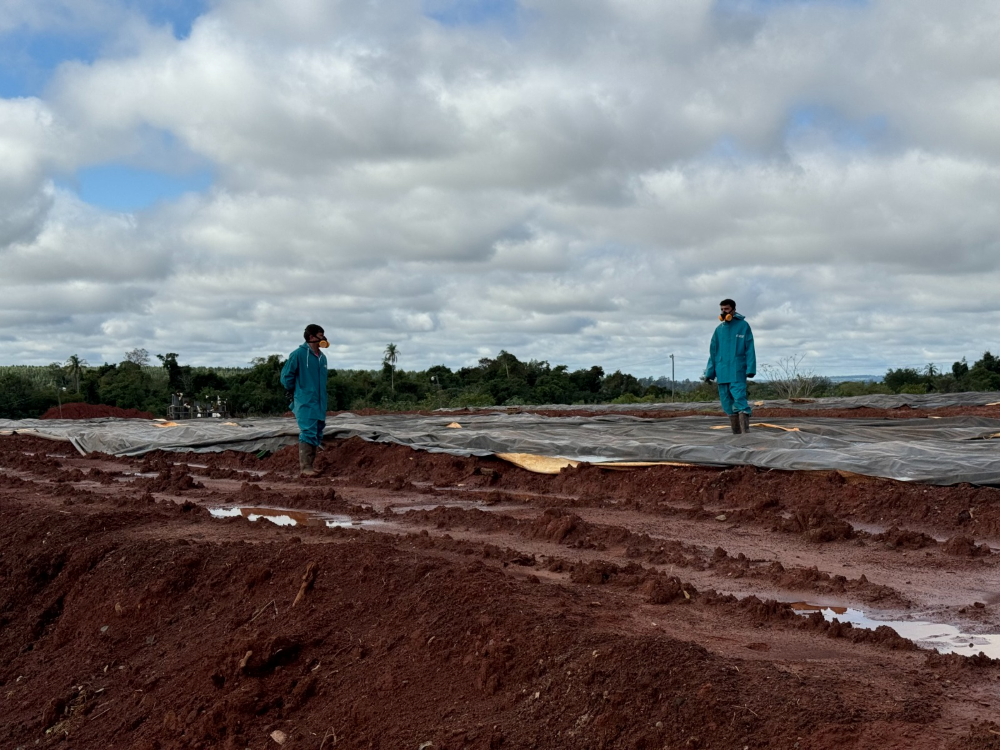
On February 12 the Government of Paraguay officially launched the planetGOLD Paraguay project, a US$ 28 million initiative funded by the Global Environment Facility. The project aims to reduce mercury use while promoting responsible practices in artisanal and small-scale gold mining, with a focus on protecting human health and the environment.

The Financing Agrochemical Reduction and Management (FARM) Programme has launched its new website, providing a central platform to support the transition towards more sustainable agrifood systems.
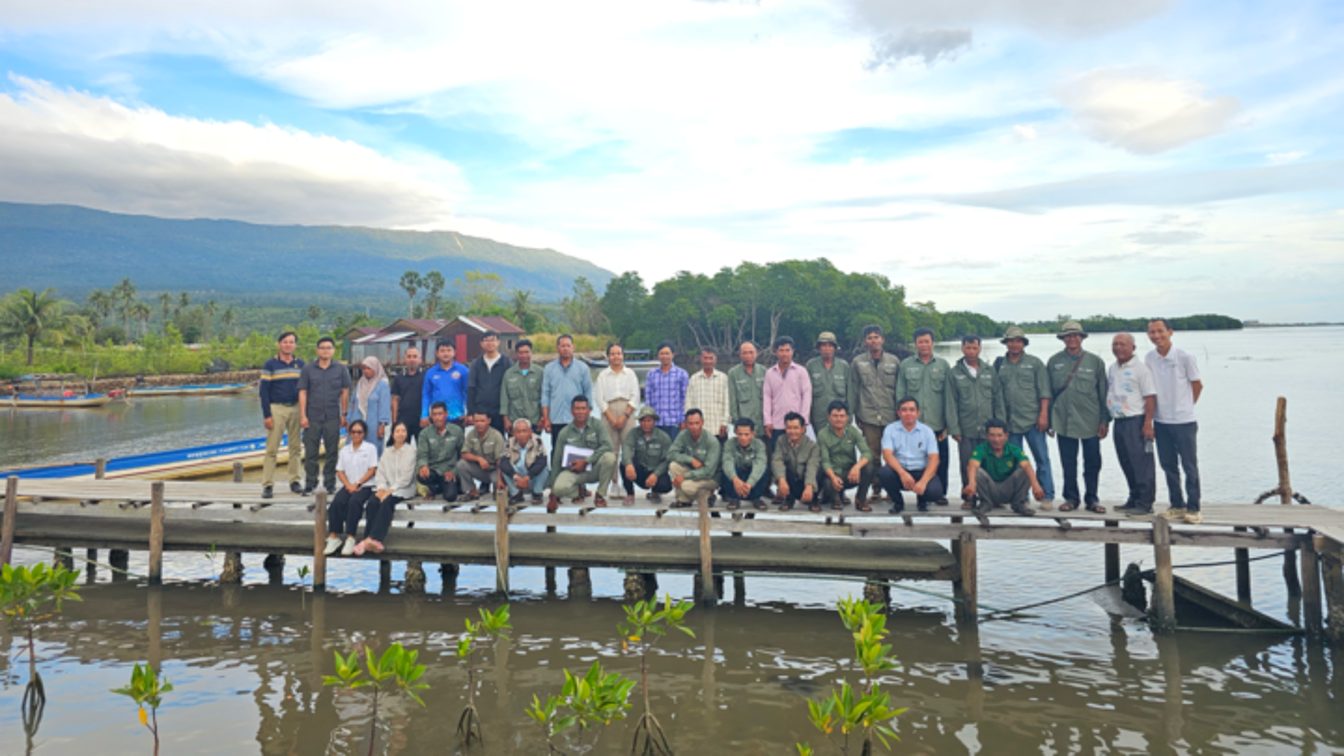
Coastal communities in southern Cambodia are strengthening their resilience to climate impacts through innovative, science-based aquaculture solutions supported by the UNEP-implemented, GEF-funded Natural Infrastructure (NI) Cambodia project. As shifting environmental conditions challenge traditional livelihoods, the project is helping local fishery communities diversify income sources while safeguarding the health of vital mangrove ecosystems.

The health of our oceans depends on strong institutions, informed decision-making and political will. In Mexico, these elements have come together through a UNEP-implemented, ICCF-executed, Global Environment Facility (GEF)-funded initiative that is strengthening ocean governance from the legislative level outward.
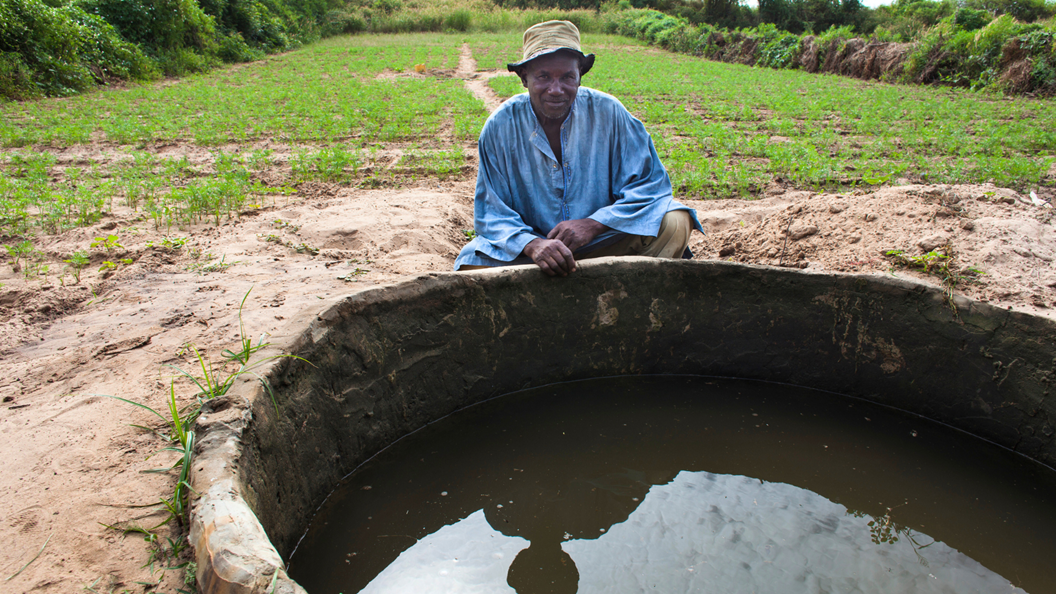
The 7th SADC Groundwater Conference, held in Johannesburg from 19–21 November 2025, brought together regional institutions, policymakers, researchers and young professionals to highlight the significant role of groundwater in climate resilience and water security.

The ratification of the Agreement under the United Nations Convention on the Law of the Sea on the Conservation and Sustainable Use of Marine Biological Diversity of Areas beyond National Jurisdiction (BBNJ Agreement) by Sri Lanka, St. Vincent and the Grenadines, Morocco and Sierra Leone has pushed the total number of supporting countries past the critical threshold of 60, setting in motion the treaty’s entry into force for 17 January 2026.
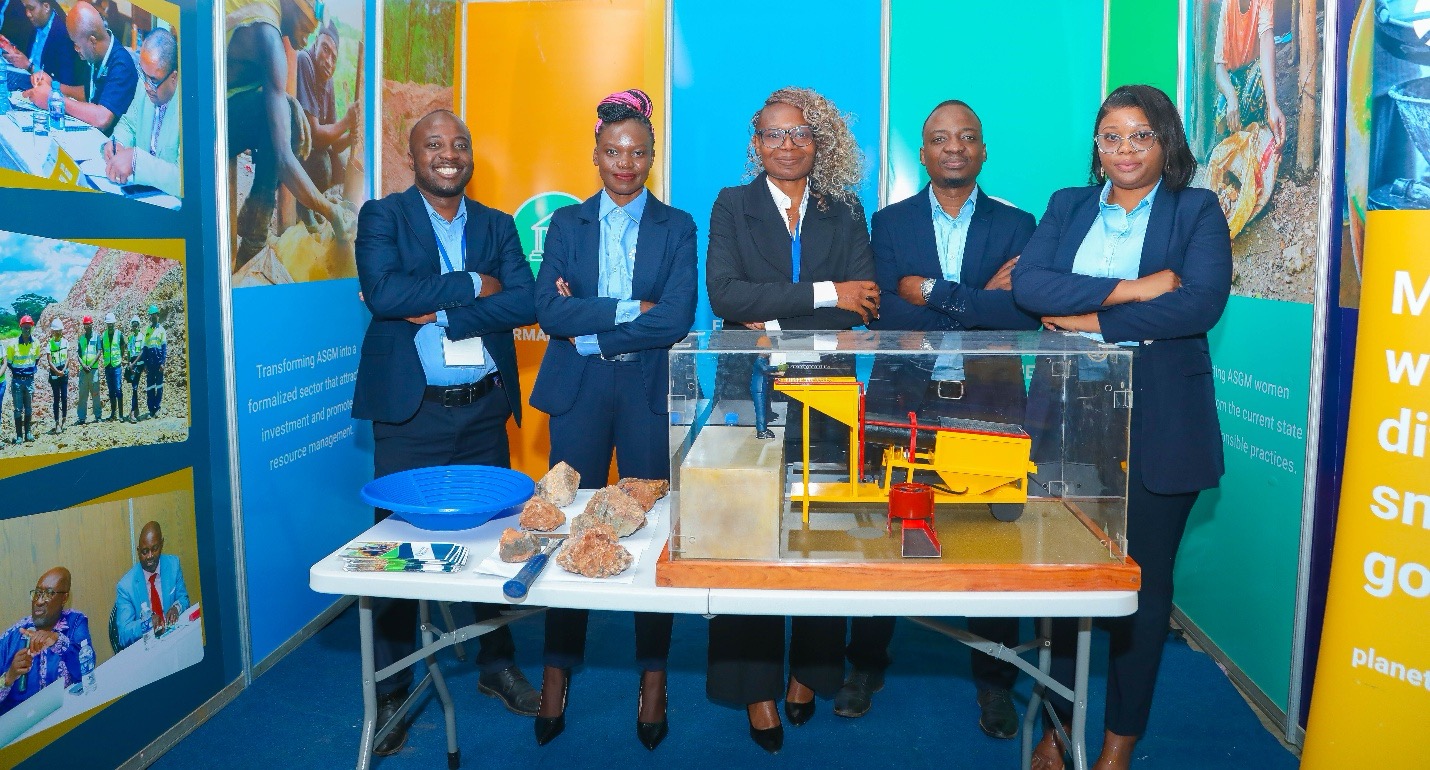
Artisanal and small-scale gold mining (ASGM) is an important source of livelihood for more than 30,000 Zambians, yet the sector is largely informal and heavily reliant on mercury—a toxic substance with significant health and environmental risks. To address these challenges, the planetGOLD Zambia project is working to transform the sector by reducing mercury use, promoting formalization, and improving access to finance and cleaner technologies.

Zimbabwe’s artisanal and small-scale gold mining (ASGM) sector plays a central role in the national economy, contributing over 65% of gold production and supporting an estimated 500,000 miners. However, the sector remains largely informal and heavily reliant on mercury for gold extraction—posing serious risks to human health, the environment, and long-term sustainability.

The 2025 BRS COP (Basel, Rotterdam, and Stockholm Conventions) took place from April 28 to May 9, 2025, under the theme "Making the Invisible Visible." This powerful message highlights often-overlooked forms of pollution that silently impact our world, emphasizing the need for collective action to address these challenges. The significance of this COP was underscored by the participation of the heads of seven multilateral environmental agreements, reflecting the growing recognition that environmental cr

Persistent Organic Pollutants (POPs) are our "Worst Friends Forever" (WFF). These organic chemicals persist in the environment for extended periods, spreading through air, water, and soil. They accumulate in living organisms and pose significant toxic risks to both humans and the environment.
To combat these dangers, scientists and governments have united under the Stockholm Convention. This collaboration aims to monitor these pollutants and safeguard human health and the environment from their harmful impact.
Showing 1 - 14 of 14

The Global Environment Facility (GEF) includes several multilateral funds working together to address the planet's most pressing challenges in an integrated way. Over the past three decades, the GEF has provided more than $26 billion in financing, primarily as grants, and mobilized another $148 billion for country-driven priority projects.