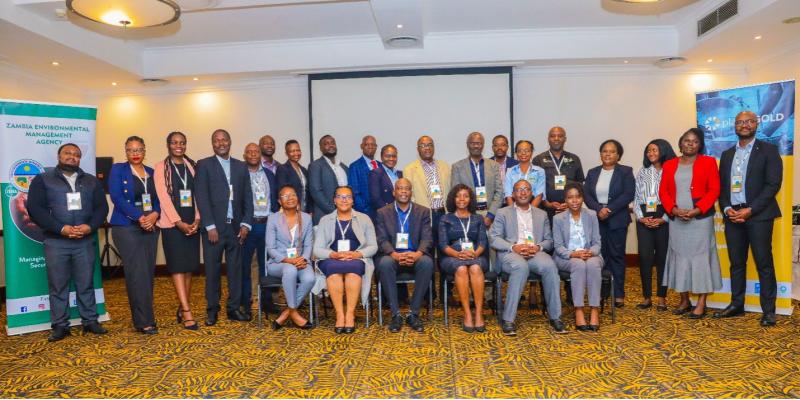

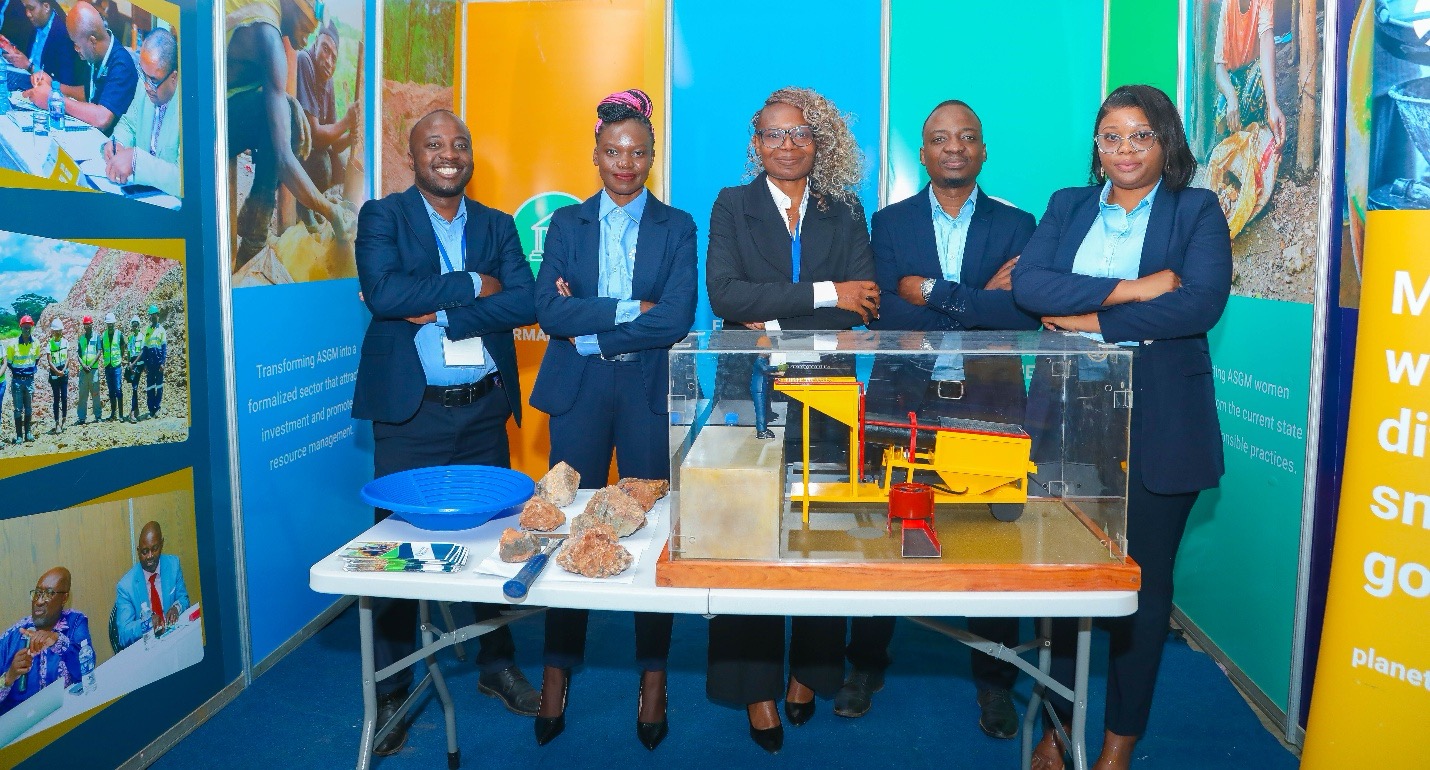
Artisanal and small-scale gold mining (ASGM) is an important source of livelihood for more than 30,000 Zambians, yet the sector is largely informal and heavily reliant on mercury—a toxic substance with significant health and environmental risks. To address these challenges, the planetGOLD Zambia project is working to transform the sector by reducing mercury use, promoting formalization, and improving access to finance and cleaner technologies.
The five-year initiative, launched in November 2024, aims to reduce 1.14 metric tonnes of mercury from Zambia’s ASGM activities, while supporting over 11,000 miners in adopting safer, more responsible mining practices. The project is funded by the Global Environment Facility (GEF), implemented by the UN Environment Programme (UNEP), and executed by the Artisanal Gold Council (AGC) in collaboration with the Zambia Environmental Management Agency (ZEMA) and is fully integrated into the planetGOLD programme.
Ground-Level Engagement and Technical Work
The project team has conducted extensive community outreach in 14 areas across five provinces, including Rufunsa, Eastern, Central, Northern, and North-Western Zambia. These visits introduced the project, built relationships with local stakeholders, and gathered insights into the realities faced by mining communities.
Key technical activities completed to date:
- Geological surveys at 10 ASGM sites to evaluate gold potential and inform pilot site selection
- A contextual study at six sites to better understand sector dynamics and socio-economic factors
- Development and use of a site selection tool to assess factors such as land tenure, road access, permitting, water, and power availability
- Final pilot sites for mercury-free processing will be confirmed after ongoing assessments are completed.
Formalization, Finance, Technical Solutions and Awareness: A Holistic Approach to ASGM
PlanetGOLD Zambia is transforming the ASGM sector by investing in capacity building, improving access to finance, promoting the adoption of mercury-free processing technologies, strengthening traceable gold supply chains, and turning informal mining into legal enterprise.
The project prioritizes public awareness and stakeholder engagement. To date, outreach activities have included a media breakfast on responsible ASGM, a media tour to mining sites, and participation in Women’s Day and Youth Day events in mining communities. These efforts help spotlight the need for safer practices and stronger support systems for miners.
For effective governance, the project has established a National Advisory Committee for strategic oversight, a Project Steering Committee to guide implementation, and an ASGM Technical Committee to provide technical input.
What’s Next?
As the project progresses, the focus will shift to:
- Reviewing Zambia’s policy, legal, and institutional frameworks for ASGM
- Training miners on safety, environmental protection, financial literacy, and formalization
- Building the capacity of financial institutions and other key stakeholders to support financial inclusion.
- Building the capacity of ASGM miners and cooperatives in finance and accounting, and developing business plans to enhance miners’ financial discipline and credibility, to increasing their eligibility for financing from commercial banks and national financial institutions.
- Supporting the formation of cooperatives and assisting miners in obtaining legal licenses
- Introducing mercury-free gold processing technologies, with design and planning led by a newly appointed metallurgist
- Expanding media outreach to promote awareness of responsible ASGM practices nationally
Through these efforts, planetGOLD Zambia aims to lay the foundation for a safer, more inclusive, and environmentally sound ASGM sector that contributes to national development and global mercury reduction goals.