
Coastal communities in southern Cambodia are strengthening their resilience to climate impacts through innovative, science-based aquaculture solutions supported by the UNEP-implemented, GEF-funded Natural Infrastructure (NI) Cambodia project. As shifting environmental conditions challenge traditional livelihoods, the project is helping local fishery communities diversify income sources while safeguarding the health of vital mangrove ecosystems.
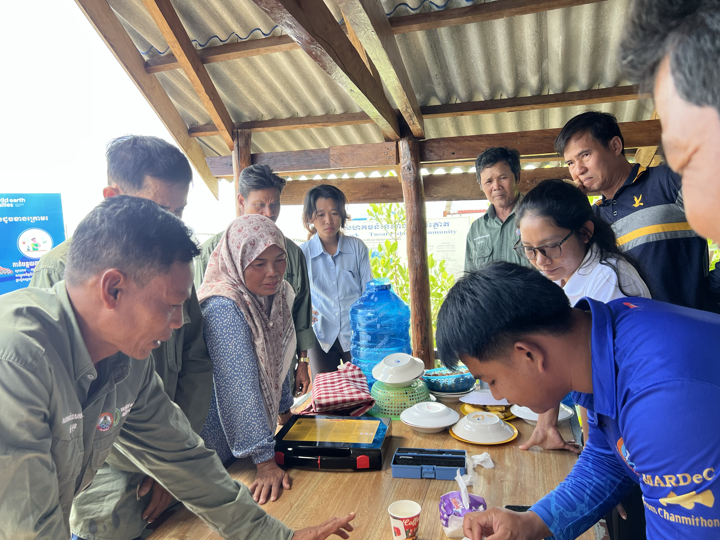
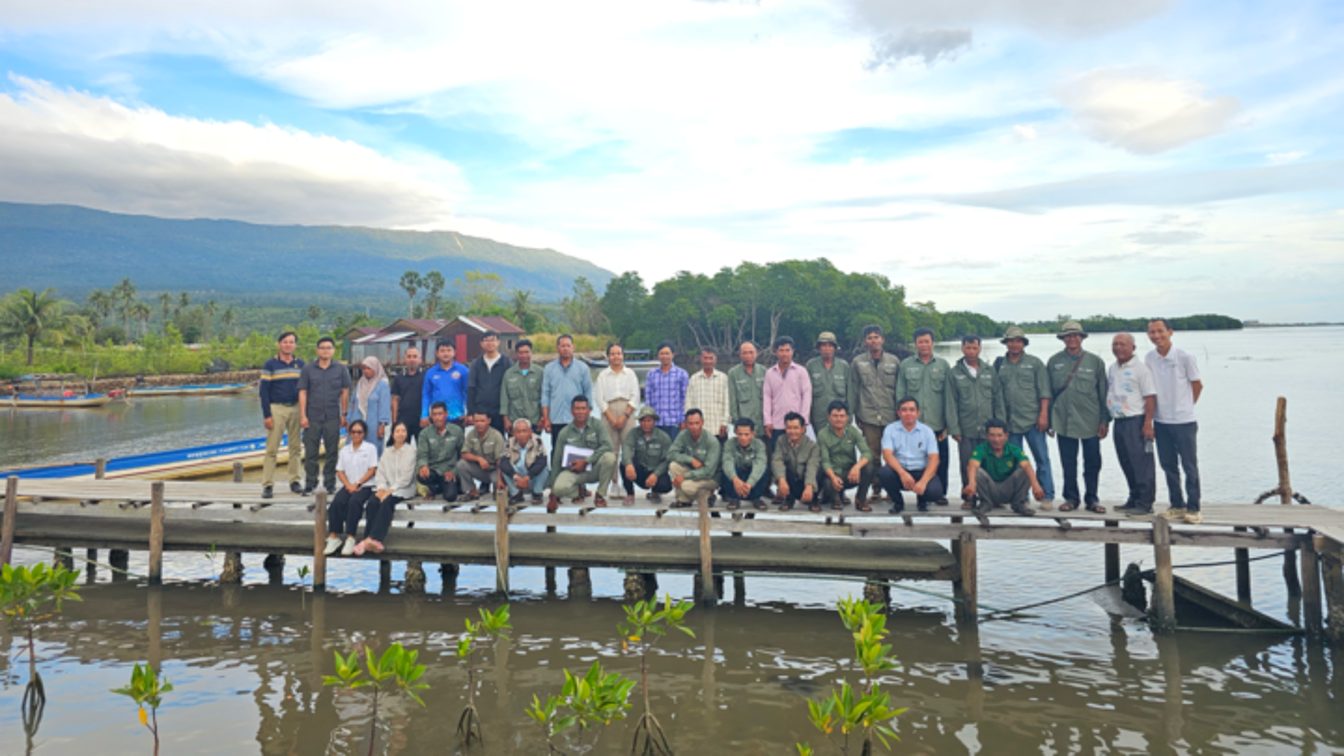
A recent technical training in Kampot brought together community fishers, government partners and marine research experts to advance sustainable mangrove crab and blue mussel culture. By combining traditional knowledge with modern, data-driven aquaculture practices, the initiative equips communities with the tools needed to adapt to environmental change and adopt low-impact, climate-smart livelihood options.
Through this project, executed by National Council for Sustainable Development, Ministry of Environment of Cambodia, UNEP and the GEF are contributing directly to strengthened coastal governance, improved ecosystem management and enhanced community resilience. Practical skills such as water-quality monitoring, species husbandry and cooperative governance are helping communities transition from extractive practices toward sustainable aquaculture rooted in science and collaboration.
This inspiring work reflects how targeted capacity building and natural infrastructure approaches can empower communities to protect ecosystems while improving livelihoods. Read the full story here: https://iwlearn.net/news/cambodian-fishery-communities-adopt-climate-resilient-and-eco-friendly-aquaculture to learn more about Cambodia’s journey toward climate-resilient, eco-friendly aquaculture.